

Waking up with a stiff, aching middle back can turn your entire day into a struggle. That sharp twinge between your shoulder blades when you first sit up, the persistent ache that worsens with every breath—these are signs your sleeping position might be sabotaging your recovery. The good news? Most middle back pain sufferers can dramatically reduce nighttime discomfort by making strategic changes to how they sleep, starting tonight.
Your thoracic spine, that crucial middle section connecting your neck to lower back, needs specific support during the 6-8 hours you spend horizontal. Without it, gravity and poor positioning can compress discs, strain muscles, and create the exact pain you’re trying to escape. This guide reveals the evidence-based positioning strategies, mattress selections, and pre-sleep routines that transform painful mornings into refreshed awakenings.
Back Sleeping for Immediate Middle Back Relief
Sleeping on your back remains the most effective position for middle back pain sufferers. This position maintains your spine’s natural S-curve, evenly distributing body weight across your mattress surface. Your thoracic discs decompress naturally, while surrounding muscles relax without the twisting forces created by side or stomach sleeping.
Perfect back sleeping setup:
– Place a medium-firm pillow under your knees to reduce lumbar pressure
– Position a thin lumbar pillow in your lower back curve
– Keep your head pillow at proper height (not too high)
– Ensure your mattress supports without sagging
If back sleeping feels unnatural, start with a wedge pillow to elevate your upper body slightly. This reduces the initial discomfort while your spine adapts to the new position. Many patients experience noticeable improvement within just three nights of consistent back sleeping.
Side Sleeping Without Middle Back Strain
When back sleeping isn’t possible, side sleeping becomes your second-best option. The key lies in preventing your upper body from twisting forward or backward during the night. This position reduces joint pressure compared to stomach sleeping while maintaining reasonable spinal alignment.
Essential side sleeping technique:
– Hug a body pillow to prevent forward rotation
– Place a firm pillow between your knees
– Keep your bottom arm extended forward, not under your head
– Ensure your pillow fills the space between shoulder and neck
Choose left-side sleeping if you experience acid reflux that worsens your back pain. Opt for right-side sleeping if you have heart conditions. Your body will naturally shift throughout the night, so focus on starting in your preferred position with proper support. This simple adjustment can reduce middle back pain by up to 40% in consistent side sleepers.
Medium-Firm Mattress: Your Middle Back’s Best Friend
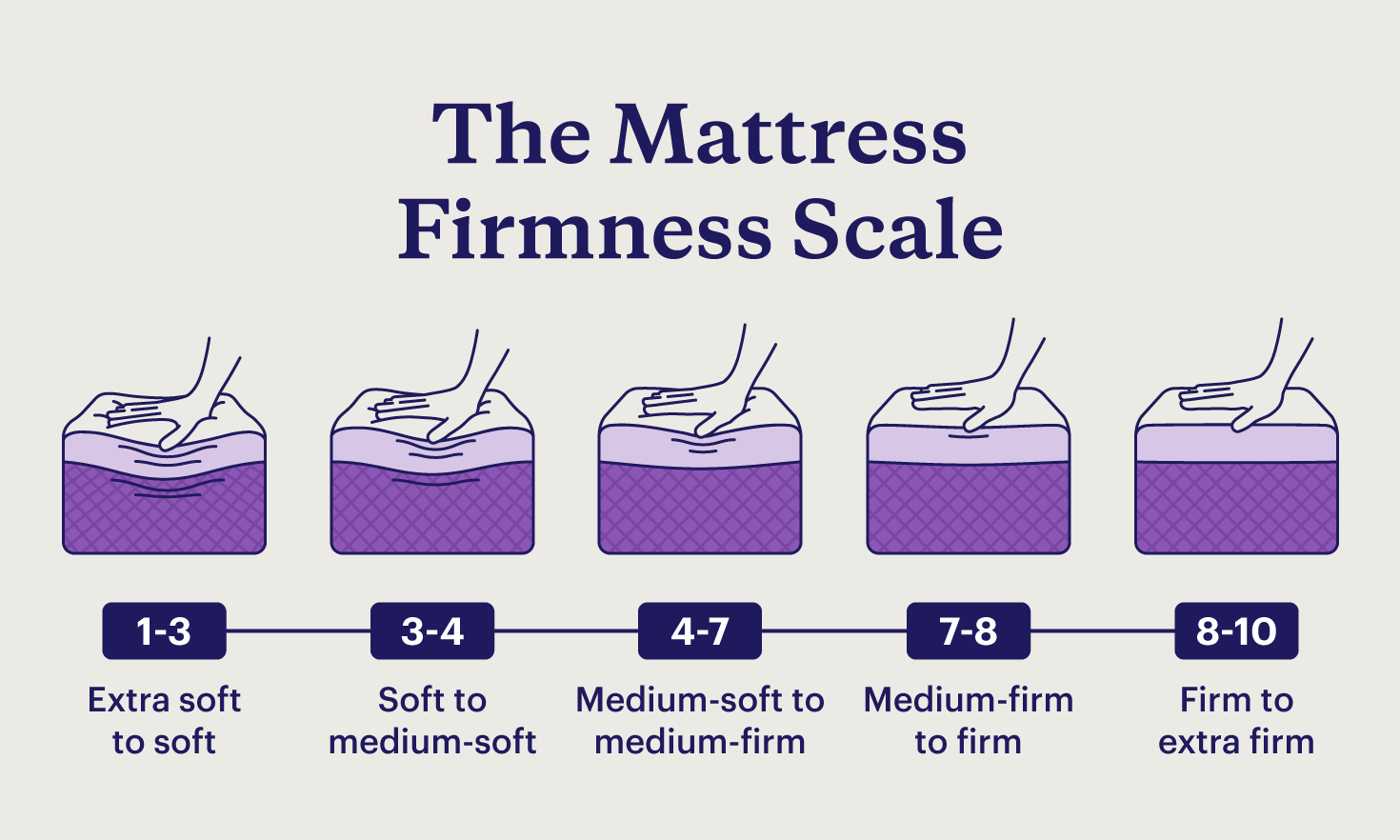
Medium-firm mattresses consistently outperform both soft and hard options for middle back pain. Too soft, and your hips sink lower than your shoulders, creating a hammock effect that twists your thoracic spine. Too firm, and pressure points develop while your natural curves go unsupported.
Body weight adjustments:
– Under 130 lbs: Medium-soft (5-6/10 firmness)
– 130-230 lbs: Medium-firm (6-7/10)
– Over 230 lbs: Firm (7-8/10) with strong support core
Test your mattress by lying on it for 15 minutes in your primary sleeping position. Your spine should form a straight line from neck to tailbone when viewed from the side. If you notice sagging deeper than 1.5 inches or experience increased morning pain, it’s time for replacement—most mattresses lose significant support after 8 years.
Strategic Pillow Placement for Spinal Alignment
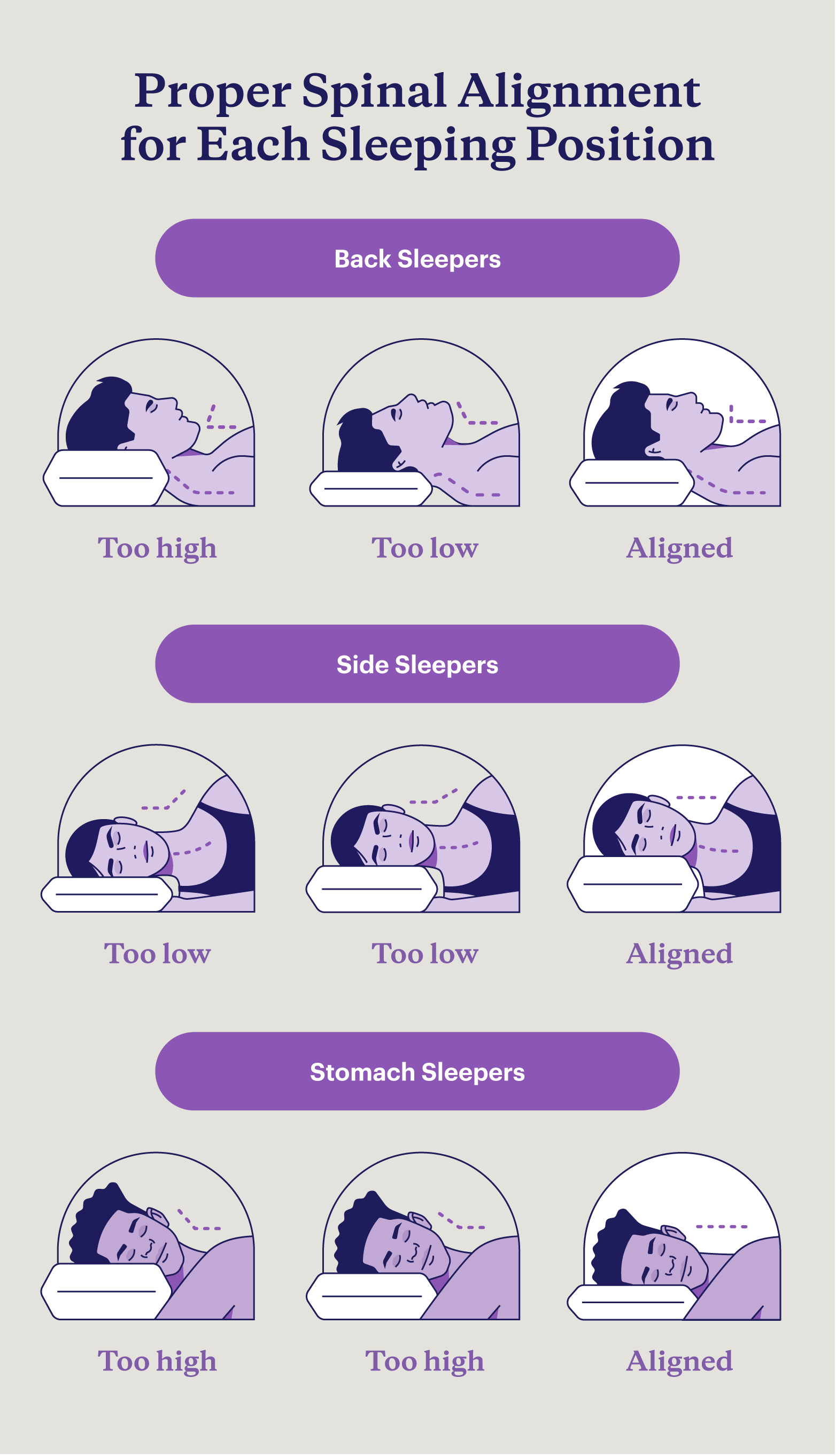
Your pillow height directly impacts thoracic spine alignment. Too high, and your neck flexes forward, pulling your middle back into a rounded position. Too low, and your neck extends backward, creating excessive thoracic extension.
Perfect pillow height formula:
– Back sleepers: Fill the space between neck and mattress without lifting head
– Side sleepers: Fill space between ear and mattress edge
– Test: Your neck should form a straight line with your spine
Targeted pillow placement:
– Knee pillow for back sleepers: A firm pillow under your knees reduces lumbar pressure, which cascades upward to relieve thoracic tension
– Body pillow for side sleepers: Full-length body pillows prevent the forward rotation that torques your thoracic spine
– Lumbar pillow positioning: A small, firm pillow in your lower back curve provides additional thoracic support
Replace pillows every 18-24 months as they lose supportive properties. Flattened pillows with permanent indentations can’t maintain proper spinal alignment throughout the night.
Evening Routine to Prevent Morning Middle Back Pain
Dedicate 15-20 minutes to targeted thoracic mobility before bed. This primes your spine for optimal positioning and reduces the stiffness that develops during sleep.
Essential pre-sleep stretches:
1. Thoracic extension over foam roller (2-3 minutes)
2. Cat-cow stretches on hands and knees (10-15 repetitions)
3. Doorway chest stretches (30 seconds each side)
4. Gentle spinal twists seated (10 each direction)
Apply heat 90 minutes before bedtime for maximum effectiveness. This timing allows your core body temperature to drop naturally as sleep approaches, while the therapeutic heat reduces muscle tension. Use a medium-setting heating pad for 15-20 minutes or take a warm bath with Epsom salts.
Avoid processed foods, excess sugar, and large meals within 3 hours of bedtime. Instead, focus on anti-inflammatory options like turmeric tea with honey and almond milk, ginger tea with fresh lemon, or a small handful of walnuts.
Critical Mistakes That Worsen Middle Back Pain
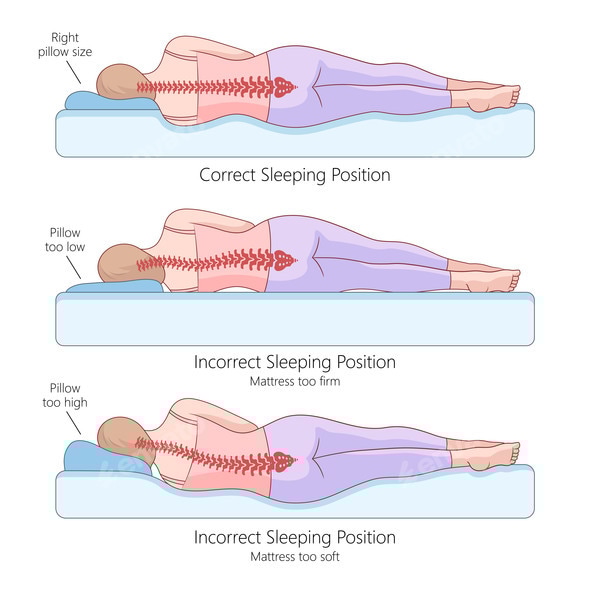
Using the wrong pillow creates a domino effect of misalignment. Multiple pillows stacked under your head create forward head posture, pulling your entire thoracic spine out of alignment. Similarly, using the same flattened pillow for years provides inadequate support.
Warning signs you’re making these mistakes:
– Morning neck pain or headaches
– Visible permanent indentations in pillow
– Pillow older than 24 months
– Height doesn’t match your mattress firmness
Continuing to sleep on a sagging mattress guarantees persistent middle back pain. Most mattresses lose significant support after 8 years, with some budget models failing in 4-5 years. Visible sagging or indentations greater than 1.5 inches are clear replacement indicators.
Your bedroom environment directly impacts sleep quality and pain recovery. Room temperatures above 70°F increase inflammation, while blue light from devices disrupts your sleep cycle. Maintain a cool, dark, quiet sleeping environment for optimal recovery.
When to Seek Professional Help for Middle Back Pain
While most middle back pain responds to positioning changes, certain symptoms require professional evaluation. Persistent pain lasting more than 2 weeks despite sleep modifications suggests underlying structural issues.
Red flag symptoms requiring immediate attention:
– Numbness or tingling in arms/legs
– Pain worsening at night or preventing sleep entirely
– History of trauma or recent injury
– Fever accompanying back pain
– Unexplained weight loss
If you experience these symptoms, consult a physical therapist for posture correction and targeted exercises, a chiropractor for spinal alignment, or your primary care provider for medication management and diagnostic imaging.
Transform Your Sleep, Transform Your Pain
Transforming your sleep position represents the fastest, most cost-effective intervention for middle back pain. Start tonight: choose your optimal position, configure your pillow support, and begin the evening stretching routine. Within one week, most sufferers report noticeable morning improvement. Within one month, many experience dramatic pain reduction that rivals expensive treatments.
Remember, consistency trumps perfection. Even implementing 60% of these strategies consistently will outperform sporadic perfect nights. Your thoracic spine has remarkable healing capacity when given proper support and positioning. The best way to sleep for middle back pain isn’t a single secret—it’s the systematic application of these proven techniques, night after night, until your body relearns pain-free rest.