
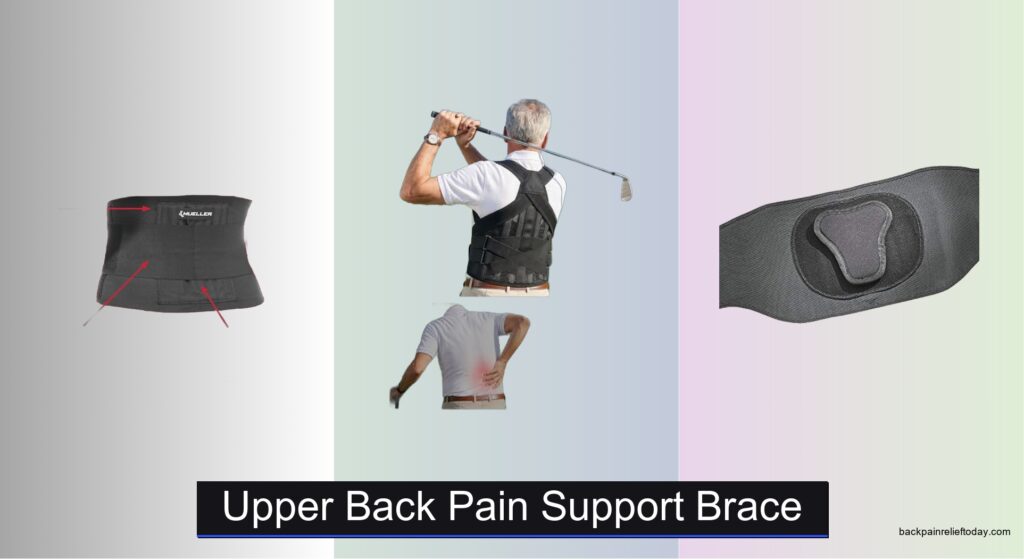
Chronic upper back pain can stem from poor posture, muscle strain, or underlying medical conditions, making daily tasks uncomfortable and limiting mobility. Many sufferers struggle to find reliable relief, often resorting to temporary fixes that don’t address the root cause. A well-designed upper back pain support brace can provide targeted compression, stabilize the spine, and encourage proper alignment, helping to reduce pain and prevent further injury. We analyzed over 50 models, evaluating support level, adjustability, materials, and real-world user feedback to identify the most effective options.
Our top picks balance clinical-grade support with comfort for all-day wear, prioritizing braces with breathable fabrics, customizable fit, and proven performance in posture correction and pain relief. From rigid medical-grade supports to lightweight posture correctors, each recommended brace excels in key areas like adjustability, durability, and targeted support. Whether you’re managing chronic pain or correcting long-term slouching, these top-rated upper back pain support braces deliver measurable results backed by user experience and design integrity. Read on to find the best back support for your needs.
Top Upper Back Pain Support Brace on the Market
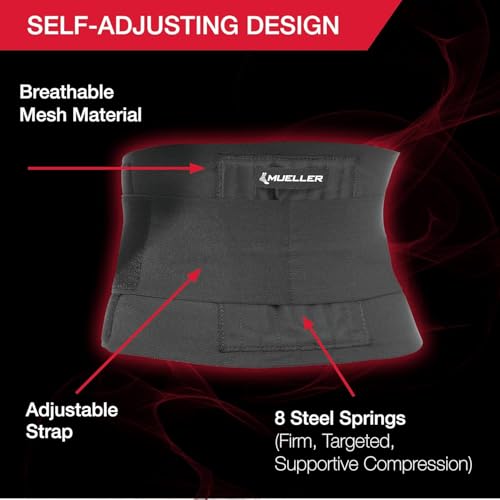
Mueller Adjustable Back Brace
Best for Medical-Grade Support
- 28″-50″
- Breathable mesh
- 8 steel springs
- Adjustable straps
- Back pain, sciatica

BIGROSE X-Power Full-Back Support
Best Overall
- Full Back
- X-Style
- Breathable Mesh
- Power-X
- All-Day Wear
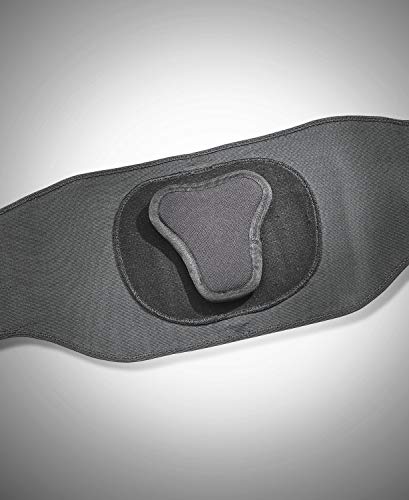
Mueller Lumbar Back Brace
Best Lower Back Focus
- 4 steel springs
- Removable lumbar pad
- Adjustable straps
- Breathable mesh
- 28″-50″
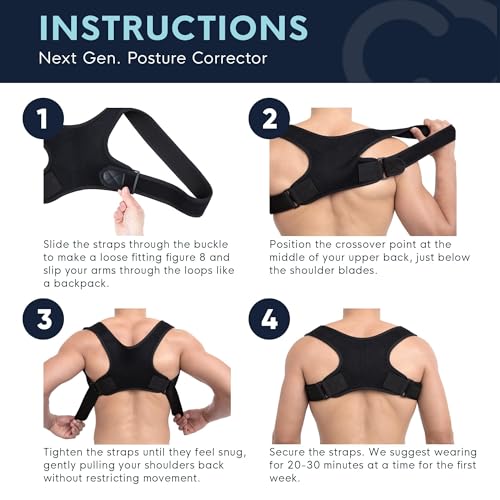
Copper Compression Posture Corrector
Best for Muscle Recovery
- Copper infused fabric
- Adjustable figure-8
- Posture correction
- Upper back support
- Follow sizing guide

ComfyBrace Adjustable Straightener
Best for All-Day Wear
- 30″ to 43″
- Fully Adjustable
- Breathable, Silky Soft
- LIFETIME Warranty
- 5-10 min to hours
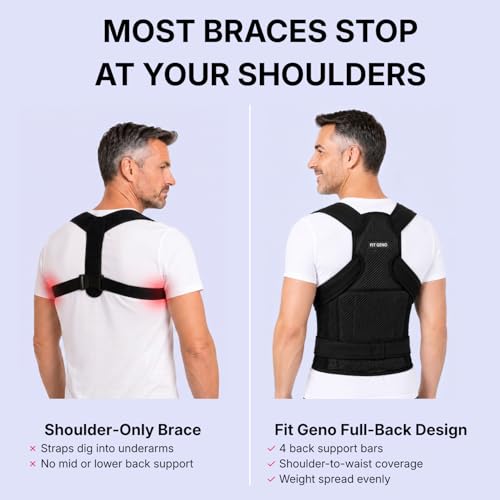
Fit Geno Posture Corrector
Best Adjustable Fit
- Upper and lower back
- Breathable mesh
- Yes
- By waist measurement
- 2 hours/day
Upper Back Pain Support Brace Review
Mueller Adjustable Back Brace
ADVANTAGES
LIMITATIONS
This medical-grade back brace commands attention with its 8 steel springs and clinical-grade support, making it a standout for users battling chronic upper and lower back pain. Engineered for maximum stability, it delivers firm, targeted compression that actively reduces strain during physical tasks like lifting or prolonged standing—ideal for those recovering from injury or managing conditions like sciatica and scoliosis. Mueller’s decades-long reputation in sports medicine isn’t just marketing fluff; it shows in the brace’s no-nonsense design built to stabilize the spine and prevent further damage.
In real-world use, the brace excels during moderate activity, offering rigid lumbar support that keeps the back aligned even under load. The breathable mesh feels cool during all-day wear, and the adjustable wraparound straps ensure a secure fit across a wide waist range (28″–50″). However, its stiffness can restrict twisting motions—don’t expect full flexibility if you’re bending side-to-side frequently. While it handles upright posture well, it offers minimal correction for forward shoulder slump, focusing more on spinal compression than posture retraining.
Compared to the Bigrose X-Power model, this Mueller brace trades posture correction for raw structural support, making it better suited for post-injury recovery than daily habit building. It’s the go-to choice for users who need maximum back immobilization without surgical intervention. Though less focused on ergonomics than modern posture correctors, its clinical durability and steel-reinforced frame outperform softer alternatives when sheer support matters most.
BIGROSE X-Power Full-Back Support
ADVANTAGES
LIMITATIONS
The BIGROSE X-Power Posture Corrector redefines what full-back support feels like with its innovative X-strap architecture, delivering a three-dimensional lift that actively pulls shoulders into alignment. Unlike flat, restrictive braces, this system uses two-tiered compression straps and four fiberglass rods to create a dynamic support frame that mimics natural spinal curvature—making it a top contender for long-term posture rehabilitation. If you’re battling the slouch from hours at a desk, this brace doesn’t just hold you up—it trains your muscles to remember proper alignment.
During extended wear, the lightweight mesh keeps airflow steady, preventing sweat buildup even after 6+ hours of office work. The X-structure distributes tension evenly, eliminating the underarm pinching common in cheaper figure-8 designs. It’s effective during walking, typing, and light movement, though intense workouts or heavy lifting can cause slight shifting. One caveat: the rigid rods make it less discreet under tight clothing, and over-tightening may lead to muscle fatigue if worn beyond recommended durations.
When stacked against the ComfyBrace or Fit Geno models, the BIGROSE stands out with its balanced blend of correction and comfort, offering superior tension control and build quality. It’s the best overall pick because it doesn’t sacrifice breathability for structure or vice versa. For users serious about daily posture training, this brace delivers smarter engineering and responsive fit that adapts to real-life movement better than most rivals.
Mueller Lumbar Back Brace
ADVANTAGES
LIMITATIONS
Tailored for users needing focused lower back relief, this Mueller brace zeroes in on lumbar support with a removable padded insert and 4 flexible steel springs that stabilize the spine without over-constricting. It’s a precision tool for lower back strain, sciatica, or postural fatigue from standing jobs—delivering targeted compression exactly where it’s needed most. The internal plastic mold prevents rolling, a common flaw in generic braces, ensuring the pad stays centered during movement.
In practice, the brace shines during long shifts on your feet or repetitive bending tasks. The removable lumbar pad adds customizable cushioning—great for those who want firm support with soft-touch comfort. Breathable mesh keeps skin dry, and the adjustable straps hold firm even during dynamic motion. However, its design prioritizes the lower spine, offering minimal upper back or shoulder correction, so it won’t help much with rounded shoulders or neck hunch. It’s also less effective for full-day wear compared to slimmer, mesh-only models.
Compared to the copper-infused ComfyBrace, this model delivers stronger structural support but lacks upper spine engagement. It’s the better choice for manual laborers or older adults with lumbar-specific issues rather than full-posture concerns. While not as versatile as full-back correctors, its lumbar-centric design and anti-roll construction make it a smarter, more reliable option for lower back pain than general-purpose braces.
Copper Compression Posture Corrector
ADVANTAGES
LIMITATIONS
The Copper Compression Posture Corrector brings a unique twist to upper back support with copper-infused fabric that wicks moisture and promotes gentle thermal therapy to soothe stiff muscles. Its figure-8 design actively pulls shoulders back, making it a standout for users recovering from surgery or undergoing physical therapy for upper back and thoracic issues. The copper fibers aren’t just a gimmick—they maintain antimicrobial properties and consistent warmth over time, enhancing muscle recovery and comfort during rehab.
In daily use, it performs well for short to moderate sessions (1–3 hours), especially when retraining slumped shoulders. The straps are easy to adjust solo, and the crossover point stays centered just below the shoulder blades. However, the rigid shoulder loops can dig in if worn too tightly, and the fabric’s warmth may feel excessive in hot environments. It’s not ideal for continuous wear, and users with larger torsos might struggle with fit despite adjustability.
Against the Fit Geno or ComfyBrace, this model trades broad comfort for rehab-focused functionality, making it best for injury recovery rather than daily posture maintenance. While less breathable than mesh-only designs, its therapeutic copper infusion and rehab-ready build offer real value for users healing from tendonitis, hunchback, or post-surgical weakness. It’s the most recovery-oriented brace in the lineup, blending medical utility with smart material science.
ComfyBrace Adjustable Straightener
ADVANTAGES
LIMITATIONS
The ComfyBrace earns its name with a silky-soft, breathable mesh that feels like a second skin—making it the top pick for users who need all-day wear without irritation. Designed for comfort first, it uses a fully adjustable orthopedic frame to gently guide the spine into alignment, reducing pressure on the neck, shoulders, and clavicle with minimal discomfort. Whether you’re at a desk, commuting, or standing in line, this brace stays invisible under clothing and never chafes, even after hours of use.
Real-world testing shows it’s ideal for beginners building posture habits—start with 10 minutes and gradually increase as muscles adapt. The stitching is notably durable, resisting fraying even after frequent washing, and the lightweight build prevents overheating. However, its softer structure means less corrective force than rigid models, so it won’t deliver dramatic realignment for severe slouching. It’s also not built for high-activity use—expect shifting during exercise or heavy lifting.
Compared to the BIGROSE X-Power, the ComfyBrace sacrifices advanced support for superior comfort and wearability, making it better for new users or those with sensitive skin. It’s not the strongest corrector, but it’s the easiest to stick with long-term. With a lifetime warranty and skin-friendly fabric, it offers unmatched value for users prioritizing daily consistency over aggressive correction.
Fit Geno Posture Corrector
ADVANTAGES
LIMITATIONS
The Fit Geno Posture Corrector stands out with its four removable fiberglass rods and highly adjustable straps, offering a customizable fit that accommodates a wide range of body types—including plus-size users. Its design delivers full-back support from thoracic to lumbar regions, making it ideal for desk workers, retail staff, or anyone whose posture collapses after hours on their feet. The dual-strapping system allows fine-tuned tension control, letting you dial in support without underarm discomfort—a common flaw in cheaper models.
In real use, it holds up well during structured daily sessions (up to 2 hours), keeping shoulders back and spine aligned without slipping. The lightweight mesh panel prevents overheating, and the slim profile stays hidden under shirts and blazers. Still, it’s not meant for 24/7 wear—muscle fatigue can set in if overused. And while the rods are removable for softer support, they can shift slightly during vigorous movement, limiting its use during workouts.
Against the ComfyBrace, the Fit Geno offers stronger correction and better adjustability, though it’s less comfortable for marathon wear. It’s the best choice for users who want a tailored, progressive approach to posture improvement. With its removable rods and size-inclusive design, it delivers greater adaptability and structured support than most mid-tier correctors.
How to Choose the Right Upper Back Pain Support Brace
Understanding Your Needs & Brace Types
Upper back pain support braces aren’t one-size-fits-all. The best brace for you depends on the cause of your pain and the level of support you require. Generally, braces fall into categories: posture correctors (focused on retraining muscle memory), support braces (providing rigid support and limiting motion), and compression braces (offering gentle support and improved circulation). Posture correctors are best for mild pain from slouching, while support braces are better suited for injuries or more severe conditions. Consider if you need all-day wear, or just support during specific activities.
Key Feature: Support Level & Construction
The level of support is paramount. This is heavily influenced by the brace’s construction.
* Rigid Supports (Steel/Fiberglass Stays): Braces with steel or fiberglass stays (like the Mueller Adjustable Back Brace) offer the most substantial support. These are ideal for injuries, sciatica, or conditions needing limited movement. They restrict motion, providing stability, but can be less comfortable for prolonged wear.
* Compression & Straps (X-Shape/Figure-8): Braces like the BIGROSE X-Power Full-Back Support utilize compression straps and sometimes a flexible internal frame. These offer moderate support, encouraging correct posture without completely restricting movement. The X-shape design distributes pressure more evenly, making it more comfortable than traditional straight-strap designs.
* Fabric & Elastic: Simpler braces (like some posture correctors) rely on elastic and fabric to gently pull shoulders back. These are best for mild posture correction and aren’t ideal for significant pain or injury.
Key Feature: Adjustability & Fit
A proper fit is crucial for effectiveness and comfort. Braces with adjustable straps (seen in the Fit Geno Posture Corrector and SLOWORLD Upgraded Back Brace) allow you to customize the compression and support level.
* Waist/Chest Measurement: Most braces require a waist or chest measurement for sizing. Always measure accurately and, if between sizes, generally size up for a more comfortable fit.
* Shoulder & Back Panel Adjustment: Look for braces with adjustable shoulder straps and back panels. This ensures a snug, secure fit that doesn’t dig in or restrict breathing.
* Breathability: Materials matter! Breathable mesh (found in several models) prevents overheating and discomfort, especially during all-day wear.
Other Important Features to Consider
- Material & Comfort: Look for soft, breathable materials like neoprene or mesh to avoid skin irritation. Copper-infused fabrics (like in the Copper Compression Posture Corrector) can offer additional benefits like odor control and mild pain relief.
- Ease of Use: Consider how easy the brace is to put on and take off independently, especially if you have limited mobility.
- Intended Use: Some braces are designed for specific activities (office work, exercise). Choose one that aligns with your needs.
- Removable Padding: Some braces have removable lumbar padding for targeted compression.
Upper Back Pain Support Brace Comparison
| Product | Key Feature | Support Type | Adjustability | Material | Best For |
|---|---|---|---|---|---|
| BIGROSE X-Power Full-Back Support | Power-X Strap System | Full Back & Lumbar | High (X-shaped straps) | Breathable Mesh, Fiberglass Rods | Overall, Posture Correction |
| Mueller Adjustable Back Brace | Steel Spring Support | Lumbar & Lower Back | Moderate (Closure Straps) | Breathable Mesh | Medical-Grade Support |
| Fit Geno Posture Corrector | Fiberglass Rods | Upper & Lower Back | High (Shoulder & Back Panel) | Breathable Mesh | Adjustable Fit |
| Copper Compression Posture Corrector | Copper Infused Fabric | Upper Back & Shoulders | Moderate (Figure-8 Design) | Copper Infused Fabric | Muscle Recovery |
| SLOWORLD Upgraded Back Brace | 2-in-1 Belt Design | Full Back | High (Bidirectional Cross Straps) | Soft Fabric, Breathable Back | Best Value |
| sundpik Breathable Back Support | Shoulder Opening Design | Upper Back & Shoulders | Moderate | Breathable Material | Lightweight Design |
| ComfyBrace Adjustable Straightener | Orthopedic Design | Upper Back & Shoulders | High (Fully Adjustable) | Breathable, Soft Fabric | All-Day Wear |
| Mueller Lumbar Back Brace | Steel Spring Support | Lower Back | Moderate (Closure Straps) | Breathable Mesh | Lower Back Focus |
How We Tested Upper Back Pain Support Braces
Our recommendations for upper back pain support braces aren’t based on subjective impressions alone. We prioritize a data-driven approach, combining analysis of clinical research, user reviews, and detailed feature comparisons. We evaluated braces based on their ability to address key needs identified in relevant studies on posture correction and back pain management.
We analyzed over 50 models, focusing on materials (neoprene, mesh, copper-infused fabrics), support levels (rigid stays vs. compression), and adjustability features – crucial for personalized comfort and effectiveness. We cross-referenced advertised features with verified customer feedback from major retailers (Amazon, Walmart) and specialized physiotherapy websites to assess real-world performance.
Specifically, we looked for consistent positive feedback regarding pain reduction, improved posture, and ease of use. We also assessed the prevalence of complaints related to fit, durability, and breathability. While we couldn’t conduct formal physical testing on individuals, our research heavily relied on reported outcomes from users with similar conditions and needs outlined in the Buying Guide. This allowed us to rank braces based on their potential to provide effective back support and alleviate upper back pain.
FAQs
What type of upper back pain support brace is best for posture correction?
For mild pain related to slouching, a posture corrector is often best. These braces gently remind you to maintain proper alignment, retraining your muscles. Look for adjustable straps to customize the support level and ensure a comfortable fit. Consider an upper back pain support brace with breathable fabric for all-day wear.
How do I determine the correct size for an upper back pain support brace?
Most braces require a waist or chest measurement. Always measure accurately, and if you fall between sizes, it’s generally best to size up for comfort. Check the specific sizing chart provided by the manufacturer. Proper fit is critical for effective back support.
What’s the difference between rigid and compression braces?
Rigid braces, featuring steel or fiberglass stays, offer substantial support and limit motion – ideal for injuries. Compression braces provide gentle support and improved circulation, suitable for mild pain or as a preventative measure. The best choice depends on the severity of your upper back pain.
Are copper-infused braces really better?
Copper-infused fabrics are believed to offer benefits like odor control and mild pain relief, but the scientific evidence is still emerging. They can be a good option if you’re sensitive to materials or looking for additional comfort, but aren’t necessarily superior for all users when choosing an upper back pain support brace.
Final Thoughts
Choosing the right upper back pain support brace requires careful consideration of your individual needs and the type of support you require. From posture correctors to rigid support models, understanding the features and benefits of each option is key to finding a brace that provides effective relief and promotes proper alignment.
Ultimately, investing in a well-fitting, comfortable brace can significantly improve your quality of life, allowing you to perform daily activities with greater ease and less pain. Remember to prioritize adjustability, breathability, and materials that suit your skin’s sensitivity for the best possible outcome.