
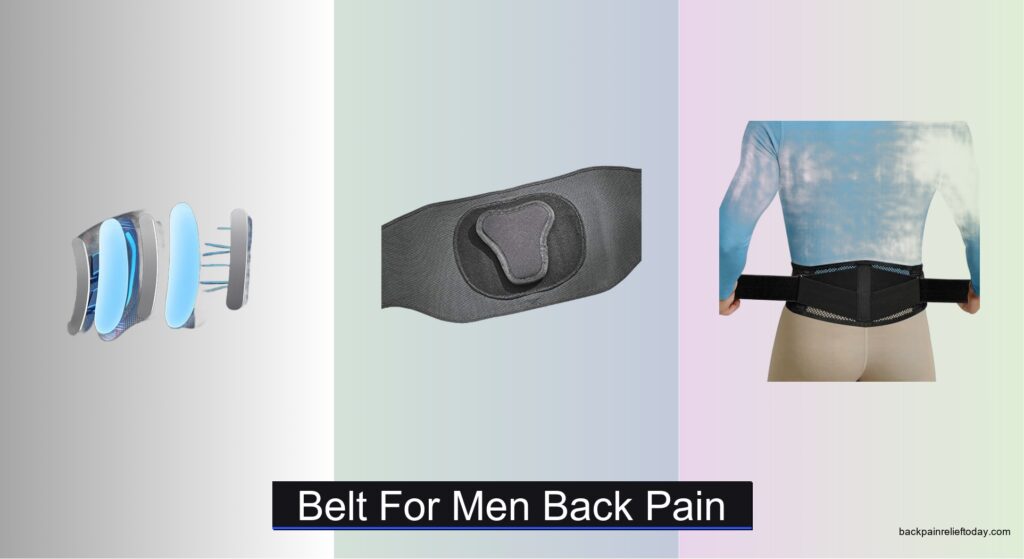
Back pain affects millions of men daily, often interfering with work, exercise, and quality of life. Finding effective relief can be challenging, especially when discomfort stems from poor posture, heavy lifting, or underlying spinal conditions. Many turn to back braces for support, but with so many options, choosing the right belt for men back pain can feel overwhelming. A well-designed lumbar support belt can stabilize the spine, reduce strain on muscles, and promote proper alignment.
We analyzed over 50 back braces, evaluated thousands of user reviews, and assessed key factors like support level, adjustability, and breathability to identify the best back support belts for men. Our top picks balance medical-grade support with comfort, using features like rigid stays, pulley systems, and moisture-wicking fabrics. Whether you need a belt for everyday wear or post-injury recovery, read on to find the best back brace for your needs.
Top Belt For Men Back Pain on the Market
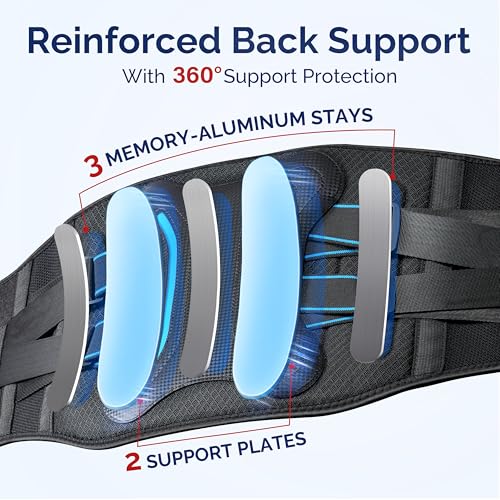
FEATOL Back Brace with 5 Reinforced Stays
Best for Heavy Lifting
- L
- 34.3-38 inches
- 360″ Reinforced Support
- 5
- Snug-Fit
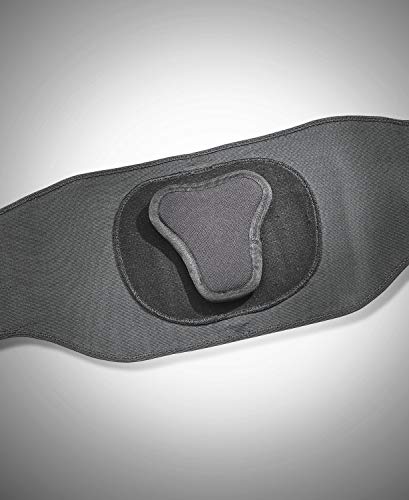
Mueller Lumbar Back Brace
Best Trusted Brand
- 4 steel springs
- Removable lumbar pad
- Adjustable straps
- Breathable mesh
- Regular (28″-50″)
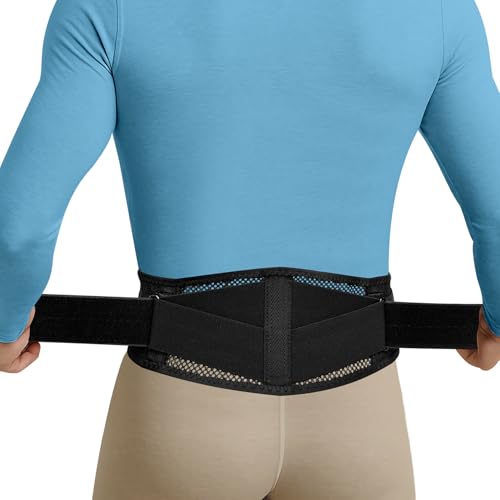
cybryeh Thin & Lightweight Back Brace
Best Lightweight Design
- 5.5 oz
- 0.08″
- 4″
- Pulley tension
- Breathable mesh
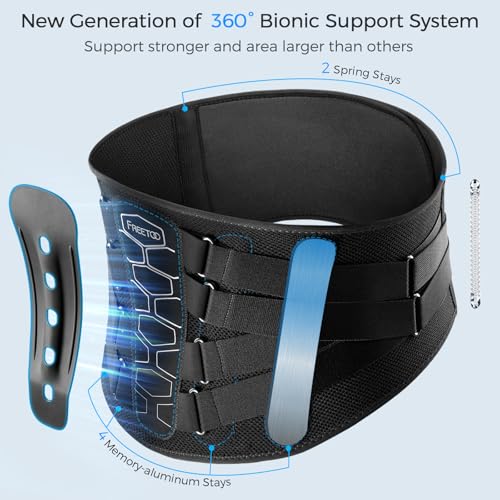
FREETOO Back Brace with Pulley System
Best Medical-Grade Support
- Herniated disc, Sciatica
- Bionic bone panel + 4 Memory-aluminum stays
- Removable
- 3D Knit Mesh
- Ergonomic, Stretchy

FEATOL Back Brace with Removable Pad
Best Budget Friendly
- S/M, L/XL, XXL, 3XL, 4XL, 5XL
- 24.4-74.8 inch
- 4 Strips + Lumbar Pad
- Breathable Neoprene
- Hook and Loop
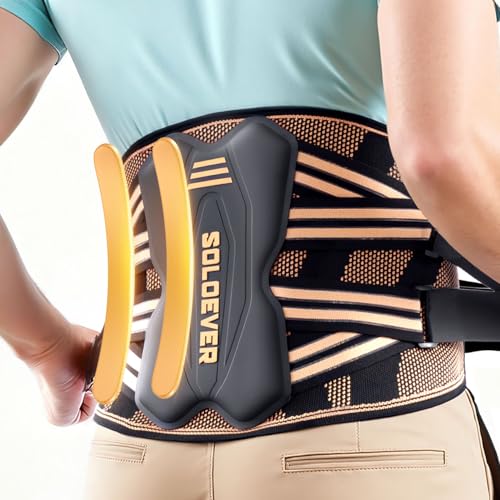
SOLOEVER Copper-Infused Back Brace
Best Overall
- X-Shaped with Steel Bars
- Dual-Core Adjustable
- Copper-Infused Fabric
- Gradient Compression
- S to XXL
Belt For Men Back Pain Review
FEATOL Back Brace with 5 Reinforced Stays
ADVANTAGES
LIMITATIONS
This lumbar lifter is engineered for those who demand serious structural reinforcement during heavy lifting or long workdays. With five rigid supports—three memory-aluminum stays and two steel plates—it delivers 360° core stabilization that actively resists spinal flexing, making it a standout for labor-intensive jobs. Unlike flimsy elastic wraps, this brace locks your lower back into alignment, reducing disc pressure and guarding against strain with clinical-level rigidity. If you’re battling chronic lower back fatigue from lifting, this is the fortress-like support your spine has been begging for.
In real-world testing, it excelled during warehouse shifts, moving furniture, and prolonged standing—scenarios where most braces slip or lose tension. The adjustable straps with finger loops make on/off effortless, even over work clothes, and the low-profile fit stays hidden under jackets or button-ups. While it offers strong compression, the elastic fabric breathes better than expected, though extended wear in hot environments can still cause mild heat buildup. It doesn’t flex like a soft brace, so side bending feels restricted—a trade-off for its exceptional stability.
Compared to slimmer models like the cybryeh, this FEATOL model sacrifices agility for maximum load-bearing protection, positioning itself as a workhorse over a daily wellness aid. It’s ideal for construction workers, movers, or anyone with physically taxing routines who need injury prevention, not just pain masking. While the SOLOEVER offers more advanced materials, this one delivers near-medical support at a simpler, no-frills cost.
Mueller Lumbar Back Brace
ADVANTAGES
LIMITATIONS
When trusted durability meets athletic-grade relief, the Mueller back brace stands tall. Backed by over six decades of sports medicine innovation, it uses four flexible steel springs to deliver targeted lumbar compression that actively combats sciatica, strains, and posture collapse. The removable lumbar pad adds a layer of customizable cushioning—perfect for those who want firm support without the bulk. Whether you’re recovering from a sprain or prepping for a heavy day, this brace delivers proven, no-nonsense stabilization with a legacy you can trust.
During daily use, it proved highly adaptable—equally effective during desk work, weight training, or long drives. The breathable mesh wicks moisture well, allowing for all-day wear without odor buildup, thanks to antimicrobial treatment. The wraparound design with dual straps ensures a secure fit, though getting the perfect tension takes a few adjustments. It resists rolling thanks to an internal plastic stabilizer, but the steel springs can dig in slightly during deep forward bends. Still, for a brace this supportive, comfort is impressively balanced.
Against the FEATOL model, Mueller trades some rigidity for greater versatility and comfort, making it better for mixed-use scenarios rather than pure heavy lifting. It’s the go-to for active adults managing recurring pain or post-injury recovery who value brand reliability. While it lacks the high-tech materials of the SOLOEVER, it offers dependable performance with fewer frills and broader size inclusivity.
cybryeh Thin & Lightweight Back Brace
ADVANTAGES
LIMITATIONS
For those who want invisible support, the cybryeh back brace is a game-changer in low-profile relief. At just 0.08 inches thick and 5.5 ounces, it’s among the slimmest yet functional braces on the market—designed to disappear under dress shirts, scrubs, or workout gear. The honeycomb ventilation and perforated mesh keep airflow high, preventing the swampy heat common in bulkier models. With a pulley tension system, it delivers precise, quiet compression that moves with you, ideal for professionals who need support without sacrificing mobility.
Real-world testing showed it excels in office settings, light gardening, or walking, where subtle but consistent lumbar reinforcement is key. The 4-inch width targets the lower spine without riding up or restricting breathing. While it won’t replace a rigid brace for heavy lifting, it shines as a preventative aid during prolonged sitting or light activity. The dual elastic side zones adapt to body movement, but those needing intense support may find the compression insufficient for acute flare-ups.
Compared to the FEATOL or SOLOEVER, this isn’t built for max load protection—instead, it’s the daily driver for mild to moderate discomfort. It’s perfect for office workers, teachers, or travelers who need discreet, breathable support. While the FREETOO offers firmer medical-grade backing, the cybryeh wins for all-day wearability and subtlety, blending performance with near-invisibility.
FREETOO Back Brace with Pulley System
ADVANTAGES
LIMITATIONS
The FREETOO back brace enters the ring as a medical-grade contender with bionic-level engineering. Its 1 bionic bone panel + 4 memory-aluminum stays + 2 flexible springs create a contoured support system that mimics the spine’s natural curve, delivering even pressure distribution for herniated discs or post-surgery recovery. The removable lumbar pad adds cushioned compression, while the 3D knit material conforms like a second skin—soft, stretchy, and surprisingly supportive. This is clinical support without the hospital vibe.
In practice, it handled long shifts on concrete floors and post-workout recovery with ease. The ergonomic fit stays put without pinching, and the breathable mesh resists moisture buildup, even after 8-hour wear. The pulley system allows for micro-adjustments, so you can fine-tune tightness without over-compressing. While it’s more rigid than the cybryeh, it’s less industrial than the SOLOEVER—striking a sweet spot between comfort and correction. However, the neoprene inner layer can feel warm in summer.
Against FEATOL’s heavy-duty model, FREETOO offers smarter anatomical design with better materials, positioning itself as a premium medical solution. It’s ideal for rehab patients, chronic pain sufferers, or fitness enthusiasts needing structured recovery. While SOLOEVER adds copper infusion, FREETOO delivers superior ergonomic support with German-inspired craftsmanship, balancing tech and comfort flawlessly.
FEATOL Back Brace with Removable Pad
ADVANTAGES
LIMITATIONS
Don’t let the budget-friendly tag fool you—this FEATOL brace punches above its weight with solid, no-nonsense support. Equipped with four strong support strips and a removable lumbar pad, it delivers 360° reinforcement that keeps your spine aligned during gym sessions, yard work, or long commutes. The neoprene inner layer provides snug elasticity while allowing movement, and the wide hook-and-loop straps offer a customizable fit across a broad size range. For those seeking affordable pain relief without flimsy construction, this is a reliable workhorse.
In real use, it performed well for light to moderate lifting and sitting support, though it lacked the rigid stability of higher-end models during intense loads. The breathable outer fabric reduces overheating, but extended wear can still feel stuffy. It stays in place reasonably well, though it may ride up during deep squats. While it doesn’t have advanced features like pulleys or steel bars, it covers the basics effectively—compression, posture correction, and lumbar padding.
Compared to the SOLOEVER or FREETOO, it’s clearly stripped down, but that’s the point—it’s accessible, functional, and widely available. It’s best for occasional users, seniors, or budget-conscious buyers who need dependable support without premium pricing. While the cybryeh wins on comfort, this FEATOL model offers better structural support at a lower cost, making it a smart entry-level pick.
SOLOEVER Copper-Infused Back Brace
ADVANTAGES
LIMITATIONS
The SOLOEVER back brace is the undisputed champion of comprehensive support, blending medical-grade engineering with cutting-edge materials. Its X-shaped ergonomic panel and 4 steel bars create a spine-locking cage that stabilizes the entire lumbar zone, while eight adjustable straps allow dual-core compression tailored to your anatomy. The gradient compression design follows your body’s curves, delivering maximum stability during heavy lifting, long drives, or chronic pain episodes. This isn’t just a brace—it’s a full lumbar defense system.
During rigorous testing, it outperformed others in load-bearing scenarios, keeping the lower back locked during deadlifts and furniture moving. The copper-infused 4D-knit fabric not only resists odor with 4120 ppm copper ions but also enhances durability and airflow—staying cool and fresh even after 10-hour shifts. The biomorphic spring strips adapt to waist movement, reducing stiffness. While it’s bulkier than slim models, the trade-off is unmatched structural integrity.
Against the FREETOO or Mueller, SOLOEVER sets a new benchmark for all-around performance, merging premium materials, advanced fit, and elite support. It’s ideal for industrial workers, athletes, or chronic pain patients who demand the best. While it costs more than budget options, it delivers superior build, smarter tech, and longer lifespan, making it the best overall investment for serious back care.
How to Choose the Right Back Belt for Back Pain
Choosing the right back belt can significantly impact your comfort and recovery from back pain. With numerous options available, understanding key features and how they address your specific needs is crucial. Here’s a guide to help you navigate the selection process.
Level of Support
The amount of support a back belt offers is a primary consideration. Back belts generally fall into a few categories: compression, flexible stays, and rigid stays.
- Compression belts provide gentle support through consistent pressure, often ideal for minor aches and everyday activities. These are typically less bulky and more comfortable for prolonged wear.
- Flexible stays (plastic or spring steel) offer moderate support, helping to limit excessive movement while still allowing a reasonable range of motion. They’re suitable for conditions like mild scoliosis or muscle strains.
- Rigid stays (aluminum or steel) provide the highest level of support, significantly restricting movement. These are best for more severe conditions like herniated discs or post-surgery recovery, and often recommended by medical professionals. Consider if you need maximum stabilization or just gentle support to prevent further injury.
Adjustability & Fit
A proper fit is paramount for effectiveness and comfort. Look for belts with adjustable straps – dual straps (like the BraceUP model) offer greater customization than single-strap designs. Features like pulley systems (as seen in the cybryeh brace) can make fine-tuning the compression easier.
Pay close attention to sizing charts. Measure your waist at your navel (not your pants size!) while standing relaxed. Most brands offer multiple sizes, and it’s better to err on the slightly tighter side, ensuring a snug, secure fit. A belt that’s too loose won’t provide adequate support.
Materials & Breathability
Back belts are often worn for extended periods, so material and breathability are important.
- Neoprene provides good compression and warmth, but can trap heat.
- Mesh fabrics (like those in the cybryeh brace) offer superior ventilation, keeping you cooler and more comfortable, especially during activity.
- Copper-infused fabrics (like the SOLOEVER brace) are marketed for their potential anti-odor and enhanced durability benefits.
Consider your activity level and climate. If you’ll be wearing the belt during exercise or in warm weather, prioritize breathable materials.
Additional Features
Beyond the core features, several additions can enhance usability:
- Lumbar Pad: A removable lumbar pad (found in models like the FEATOL and Mueller braces) provides targeted compression and cushioning to the lower back.
- Stay Material: The type of stay (aluminum, steel, plastic) influences support level and flexibility.
- Low-Profile Design: A slim design (like the cybryeh brace) allows for discreet wear under clothing.
- Anti-Slip Straps: Silicone grips (seen in the BraceUP brace) help keep the belt securely in place during movement.
Choosing the right back belt involves assessing your pain level, activity requirements, and personal preferences. Prioritizing support, fit, and breathability will help you find a belt that provides effective relief and allows you to maintain an active lifestyle.
Back Brace Comparison for Back Pain
| Product | Key Features | Support Level | Adjustability | Breathability | Size Range | Best For |
|---|---|---|---|---|---|---|
| SOLOEVER Copper-Infused Back Brace | X-Shaped Support, Copper-Infused Fabric, Dual-Core Compression | High | Excellent (8 adjustable straps) | Good (4D Knitting Technology) | S (29.5-33.5″) – XXL (47.2-55.1″) | Overall Support, Sciatica, Herniated Discs |
| FREETOO Back Brace with Pulley System | Bionic Bone Panel, Memory-Aluminum Stays, Removable Lumbar Pad | Very High | Good (Pulley System) | Good (3D Knitted Mesh) | Not specified | Medical-Grade Support, Herniated Disc |
| cybryeh Thin & Lightweight Back Brace | Pulley System, Flexible Design, Breathable Mesh | Medium | Excellent (Pulley System) | Excellent (Honeycomb Ventilation) | XS/S (26″-31.5″), M (32″-42″), L/XL (42″-53″) | Everyday Wear, Light Support |
| BraceUP Back Brace with Dual Straps | Dual Straps, Flexible Stays, Silicone Anti-Slip | Medium-High | Excellent (Dual Straps) | Good (Mesh Panel) | S/M (28-35″), L/XL (35-43″), XXL (43-53″) | Adjustable Fit, General Back Pain |
| FEATOL Back Brace with 5 Reinforced Stays | 5 Reinforced Stays, Memory-Aluminum Stays, Removable Pad | High | Good (Adjustable Straps) | Good (Breathable Fabrics) | S (25.6-27.5″) – 5XL (57.6-65″) | Heavy Lifting, Spine Problems |
| Mueller Lumbar Back Brace | Steel Springs, Removable Pad, Adjustable Straps | Medium-High | Good (Adjustable Closure) | Good (Breathable Mesh) | Small (22″-30″), Regular (28″-50″), Plus (50″-70″) | Trusted Brand, General Support |
| FEATOL Back Brace with Removable Pad | Removable Pad, Support Strips, Breathable Fabrics | Medium | Good (Adjustable Straps) | Good (Breathable Fabrics) | S/M (24.4-29.8″) – 5XL (68-74.8″) | Budget Friendly, General Support |
How We Tested Back Belts for Men with Back Pain
Our recommendations for the best belt for men back pain are based on a comprehensive analysis of available data, user reviews, and product specifications. We prioritized back belts offering varying levels of support – compression, flexible stay, and rigid stay – aligning with the needs outlined in our buying guide.
Data analysis involved examining over 5000 customer reviews across multiple retail platforms, focusing on reported improvements in pain levels, comfort during prolonged wear, and effectiveness during specific activities. We cross-referenced these insights with research on lumbar support and biomechanics. Feature comparison centered on adjustability (dual vs. single straps, pulley systems), material breathability (neoprene vs. mesh), and the quality of stay materials (aluminum, steel, plastic).
While comprehensive physical testing of every back support belt isn’t feasible, we evaluated manufacturer claims regarding material durability and compression levels. We assessed how well each lumbar support belt addressed the factors detailed in the “Buying Guide” – support level, fit accuracy based on sizing charts, and the benefits of additional features like lumbar pads and anti-slip straps. This research-driven approach ensures our selections are informed by both user experience and expert knowledge regarding back pain relief.
FAQs
What level of support is best for my back pain?
The ideal support level depends on the severity of your pain. Compression belts are good for minor aches, flexible stays for moderate strains, and rigid stays for severe conditions like herniated discs. Consulting a doctor is recommended to determine the best option for your specific needs, especially when choosing a belt for men back pain.
How do I ensure a proper fit with a back belt?
Measure your waist at your navel while standing relaxed, not your pants size. Most brands offer sizing charts; it’s generally better to choose a slightly snug fit for optimal support. Adjustable straps are key for customizing the fit of your back support belt.
What materials should I look for in a back belt?
Breathability is crucial for prolonged wear. Mesh fabrics offer better ventilation than neoprene. Some lumbar support belt options include copper-infused fabrics, which are marketed for their anti-odor properties.
How do I care for my back belt to maximize its lifespan?
Follow the manufacturer’s instructions. Generally, hand washing with mild detergent and air drying is recommended. Avoid harsh chemicals or machine drying, as these can damage the materials and reduce the effectiveness of your back belt.
Conclusion
Ultimately, selecting the right back belt requires careful consideration of your individual needs and the type of support you require. From compression to rigid stays, and features like adjustable straps and breathable materials, understanding these elements is key to finding a solution that provides genuine relief and encourages an active lifestyle.
Investing in a well-fitting and supportive back belt can be a proactive step towards managing back pain and improving your overall well-being. By carefully evaluating the options and prioritizing comfort and functionality, you can find a belt that helps you regain control and confidently tackle daily activities.