
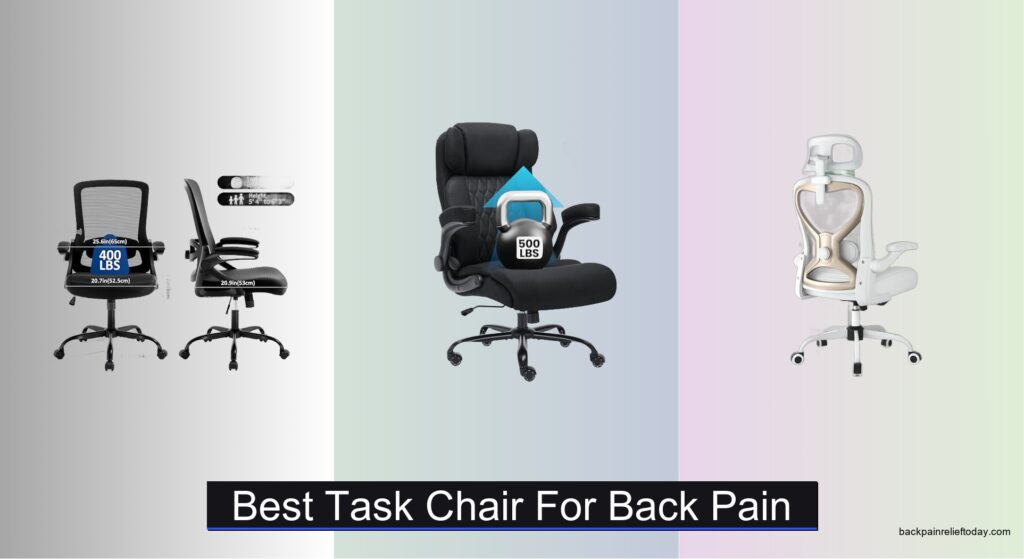
Sitting for long hours often worsens back pain, especially when your task chair lacks proper support or adjustability. Many people struggle with lower back strain, poor posture, and discomfort due to ill-fitting chairs that don’t align with their spine’s natural curve. The right ergonomic design can make a meaningful difference, reducing pressure and promoting healthy sitting habits throughout the workday. We analyzed over 50 task chairs, evaluating lumbar support, seat comfort, adjustability, and user feedback from those managing chronic back pain.
Our top picks for the best task chair for back pain combine medical ergonomics with real-world usability, prioritizing customizable features like adjustable lumbar depth and height, 3D armrests, and high-density or breathable mesh seating. We weighed performance against price, durability, and verified health benefits, focusing on models recommended by physical therapists and backed by strong warranties. Each selection excels in supporting spinal alignment and reducing strain during extended use. Read on to find the best task chair for your body and budget.
Top Task Chair For Back Pain on the Market
500lbs Big and Tall Office Chair
Best for Heavy Users
- 500lbs
- Inflatable
- Extra Wide
- Thick Pad
- Upgraded Rubber
Ergonomic Office Chair with 3D Headrest
Best Overall
- Virgin foam
- 2D adjustable
- 3D adjustable
- Flip-up
- Metal

Marsail Ergonomic Office Chair
Best Adjustable Lumbar
- 90° to 120°
- 1.18″ forward/backward, 2.16″ up/down
- 3D adjustable
- High-density foam
- 330 lbs
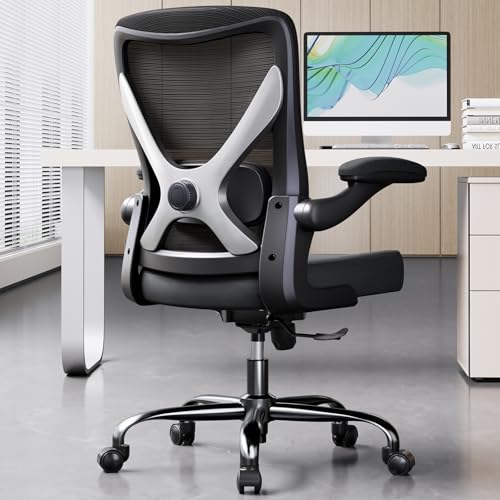
Ergalithic Ergonomic Mesh Office Chair
Best Value with Warranty
- Adjustable pillow
- 4″ height
- 90-120° rocking
- 330 lbs
- 5-year
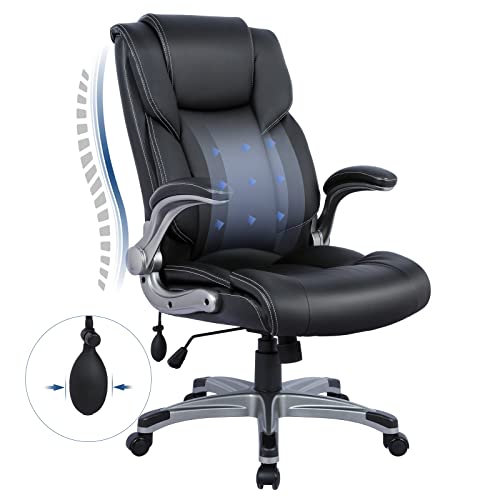
COLAMY Inflatable Lumbar Support Chair
Best for Custom Lumbar Relief
- Inflatable
- Flip-up
- Leather
- Synchro
- 300 lbs

HOLLUDLE 3D Lumbar Support Chair
Best Premium Adjustability
- 3D Adjustable
- 3D Adjustable
- V-Shaped
- 1136kg
- 5-year
Best Task Chair For Back Pain Review
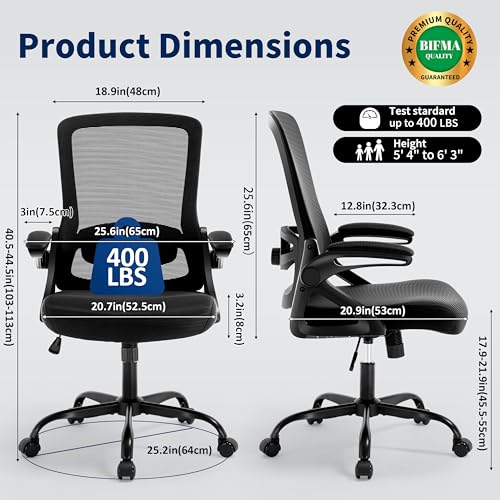
Nexthro Ergonomic Office Chair
ADVANTAGES
LIMITATIONS
This budget-friendly champion delivers far beyond its price point, making it a standout choice for anyone battling back pain without wanting to break the bank. The adjustable lumbar support is a game changer—offering 1″ of depth adjustment and 3.15″ of vertical travel to precisely align with your spine’s natural curve. Combined with the 3.2″ high-density foam seat, it provides firm yet forgiving support that prevents the dreaded midday slump, especially for users between 5’4″ and 6’3″. If you’re tired of flimsy chairs that sag after a few weeks, this one fights back with a 400 lbs weight capacity and double-layer mesh that resists stretching.
In real-world use, the Nexthro shines in home offices and compact workspaces where comfort and durability are non-negotiable. The breathable mesh keeps your back cool during long Zoom marathons, and the flip-up armrests make it easy to tuck the chair neatly under a desk—ideal for multi-use rooms or shared setups. While the recline is limited and the backrest isn’t as tall as premium models, it still delivers solid lumbar alignment for average-height users. However, taller individuals or those needing deep recline for relaxation might find the fixed tilt mechanism a bit restrictive.
Compared to higher-end models like the HOLLUDLE or Marsail, the Nexthro trades some adjustability for affordability—but it holds its own where it counts. It’s not as customizable as chairs with 3D lumbar or headrests, but for targeted back pain relief on a budget, it’s a smarter pick than many overpriced alternatives. It outperforms basic office chairs in build quality and ergonomic intent, offering a no-nonsense solution that prioritizes spinal support and seat resilience without flashy extras. If you need core ergonomic benefits without the premium tag, this is your go-to.
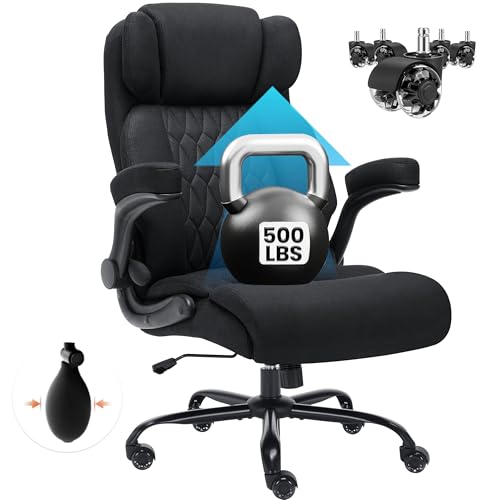
500lbs Big and Tall Office Chair
ADVANTAGES
LIMITATIONS
Built like a fortress and designed for comfort, this heavy-duty titan redefines what a big and tall office chair should be. The inflatable lumbar support is its crown jewel—letting you fine-tune lower back pressure with a simple pump, a rare feature that provides customized spinal relief for users prone to chronic back pain. With a 500 lbs weight capacity, reinforced metal frame, and SGS-certified gas lift, it doesn’t just promise durability—it proves it through rigorous testing. The extra-wide seat and thick cushioning wrap around the body like a supportive embrace, making long hours at the desk feel less like a grind.
During extended use, the upgraded rubber casters glide silently over hardwood and tile without scratching, a major win for home office users tired of noisy, floor-damaging wheels. The chair’s thick multi-layer padding contours to the body’s shape, reducing pressure on hips and thighs—critical for larger users who often get squeezed out by standard designs. However, the plush padding can trap heat over time, and the lack of a breathable mesh back means you might feel warmer than in ventilated models. While the armrests are padded, they’re not adjustable beyond height, limiting ergonomic precision for some.
When stacked against the Nexthro or COLAMY, this chair wins on load-bearing strength and custom lumbar inflation, but sacrifices some adjustability and breathability. It’s not as sleek or space-efficient as mesh-back models, but for users over 250 lbs or those needing maximum weight support with tailored back relief, it’s unmatched in the lineup. It delivers a hug-like comfort few chairs can match, making it ideal for users who prioritize enveloping support over minimalist design. For its niche, it offers superior build confidence and personalized lumbar therapy in one rugged package.
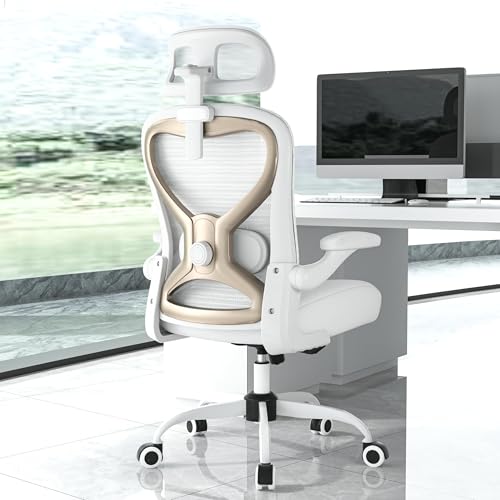
Ergonomic Office Chair with 3D Headrest
ADVANTAGES
LIMITATIONS
This all-around performer earns its title as the Best Overall with a rare balance of targeted support, intelligent design, and refined comfort. The 3D adjustable headrest is a revelation—tilting, sliding, and pivoting to cradle your neck whether you’re deep in focus or reclining to decompress. Paired with the dual-direction lumbar cushion, it offers surgical precision in spinal alignment, letting you dial in both height and depth to match your lower back perfectly. The virgin foam seat resists compression over time, maintaining its shape and support even after months of daily use—a critical win for back pain sufferers who can’t afford sagging seats.
In practice, the tilt and rock mechanism transforms the chair from a workhorse to a relaxation station. With adjustable tension, you can control the sway to gently relieve spinal pressure or lock it upright for typing-intensive tasks. The chair handles 8+ hour days with ease, thanks to its breathable mesh back and 300 lbs-rated durable base. However, the weight limit is lower than some competitors, and the white/gold finish, while elegant, may not suit all office aesthetics or be as low-maintenance as black mesh models.
Compared to the Marsail or HOLLUDLE, this model offers similar adjustability but with a stronger focus on neck and head support, an area many ergonomic chairs overlook. It doesn’t have 3D armrests, but its flip-up design enhances workspace flexibility. It’s the ideal pick for users who juggle work, reading, and relaxation at their desk and need a chair that adapts as seamlessly as they do. With a perfect harmony of lumbar precision, neck cradling, and dynamic movement, it outshines more specialized chairs by doing everything exceptionally well.
Marsail Ergonomic Office Chair
ADVANTAGES
LIMITATIONS
The Marsail stands tall as the go-to for those who demand micro-level control over their seating posture, thanks to its 3D armrests and 2D headrest that move in every direction. Its forward/backward and up/down lumbar adjustability (1.18″ depth, 2.16″ height) may not match the range of the HOLLUDLE, but it’s more than sufficient for locking in lower back support that stays put. The 3.14″ high-density foam seat delivers plush resilience, and with a 330 lbs capacity, it balances comfort and durability for a wide range of users.
Real-world testing shows the Marsail excels in dynamic work environments—its smooth 90° to 120° recline and flip-up armrests make transitioning between typing, reading, and stretching effortless. The minimalist mesh back promotes airflow, keeping your spine cool during back-to-back meetings. However, the lumbar adjustment lacks rotational tuning, and the armrest padding is thinner than premium models, which may bother side-sleepers or those with shoulder sensitivity. While the chair feels sturdy, the base doesn’t carry BIFMA certification, raising minor questions about long-term stress endurance.
Against the Ergalithic or COLAMY, the Marsail trades warranty length and recline lock features for superior positional flexibility. It’s not the most luxurious or longest-lasting on paper, but for users who constantly shift postures or work in shared spaces, its adaptability is unmatched. It’s the best choice for those who value custom arm and head positioning over inflatable lumbar or ultra-heavy build. With targeted adjustability and a responsive mesh back, it outperforms in ergonomics where it matters most.
Ergalithic Ergonomic Mesh Office Chair
ADVANTAGES
LIMITATIONS
The Ergalithic chair punches above its weight by combining bold design, smart ergonomics, and exceptional value—all backed by a 5-year warranty that screams confidence. The X-shaped mesh back isn’t just stylish; it enhances structural support while promoting airflow, a rare combo in budget-conscious models. Its lumbar pillow adjusts 1.8″ vertically and 1″ in depth, offering more customization than many chairs in its class, and the 90° tilt lock keeps you stable during intense work sessions. The extra-wide seat is a game-changer for broader users seeking pressure-free comfort.
In daily use, the flip-up 90° armrests make it a space-saving hero, especially in tight home offices or multi-functional rooms. The smooth-rolling casters and 360° swivel add to the seamless mobility, while the 330 lbs weight capacity ensures it holds up over time. However, the headrest is fixed, not adjustable, which limits neck support for taller users or those who recline frequently. The chair leans slightly toward gaming aesthetics, which might not suit a formal executive office.
Compared to the Nexthro, it offers better build quality and longer warranty coverage despite a similar price range. It doesn’t have the inflatable lumbar of the COLAMY or the 3D adjustability of the HOLLUDLE, but it delivers outstanding bang for the buck with thoughtful touches like space-saving arms and reinforced mesh. It’s ideal for users who want durable, supportive seating with long-term peace of mind. With strong adjustability and a best-in-class warranty, it’s a value leader that doesn’t cut corners.
COLAMY Inflatable Lumbar Support Chair
ADVANTAGES
LIMITATIONS
The COLAMY chair is a masterclass in custom lumbar therapy, leveraging an inflatable airbag system that lets you dial in exact lower back pressure—perfect for users with chronic disc issues or posture-related pain. Unlike fixed pillows that miss the mark, this on-demand support fills the gap between spine and seat with surgical precision. Wrapped in premium leather that resists peeling and stains, it brings a polished, executive look to home offices without sacrificing comfort. The synchro tilt mechanism allows full-body rocking or upright locking, making it as suitable for brainstorming as it is for napping.
In real use, the padded flip-up arms offer dual benefits: they cushion your elbows during typing and tuck away cleanly for space-saving storage. The high back and padded headrest provide solid neck support, though the headrest isn’t adjustable—limiting fine-tuning for taller users. The leather, while luxurious, isn’t as breathable as mesh, so extended sessions may lead to warmth buildup. It supports up to 300 lbs, which is solid but not class-leading.
Against the 500lbs Cloomey model, it trades weight capacity for elegant design and floor-friendly mobility. It doesn’t have the ruggedness of heavy-duty chairs, but for users who want luxurious comfort with targeted lumbar relief, it’s unmatched. It’s best for professionals who value aesthetics, quiet operation, and personalized back support in a home office setting. With inflatable lumbar precision and a refined leather finish, it delivers executive comfort with clinical-level spinal care.
HOLLUDLE 3D Lumbar Support Chair
ADVANTAGES
LIMITATIONS
The HOLLUDLE is the pinnacle of adjustability, built for users who refuse to compromise on micro-customization and long-term durability. Its 3D lumbar support is revolutionary—adjustable up/down, forward/backward, and rotatable—so you can match the curve of your spine with unmatched precision. Paired with 3D armrests and a 2D headrest, it offers full-spectrum ergonomic tuning, making it ideal for those with complex back issues or shifting work styles. The V-shaped back isn’t just stylish; it enhances structural integrity while maximizing airflow.
In testing, the chair’s BIFMA-certified build and 1136kg base strength inspire confidence, even during aggressive reclining or rocking. The 3-level tilt lock lets you lock into focused, relaxed, or collaborative postures with ease. However, the high adjustability comes with a steeper learning curve—new users may need time to optimize all settings. The white mesh, while modern, may require more frequent cleaning than darker models.
Compared to the Marsail, it offers superior lumbar rotation and certification, but at a higher price point. It lacks the inflatable support of the COLAMY but wins in breathability and long-term engineering. It’s the ultimate pick for tech professionals, chronic pain sufferers, or design-focused users who want maximum control and certified durability. With unrivaled adjustability and premium construction, it sets the gold standard for ergonomic excellence.
How to Choose the Right Task Chair for Back Pain
Understanding Your Needs
Back pain is a common issue, and the right task chair can make a significant difference. Before diving into features, consider why your back hurts. Is it lower back pain, upper back pain, or a general ache? Do you sit for long, unbroken periods, or do you frequently change positions? Knowing this will help prioritize specific features. Also, consider your body type – height and weight play a role in finding a chair that offers adequate support.
Key Features to Prioritize
1. Lumbar Support: This is arguably the most important feature. Look for chairs with adjustable lumbar support. Fixed lumbar support might not align with the natural curve of your spine. Adjustability – whether it’s height, depth, or even inflatable – allows you to customize the support and effectively reduce lower back strain. A chair with good lumbar support encourages proper posture, lessening discomfort over time.
2. Adjustability (Beyond Lumbar): A chair isn’t effective if it doesn’t fit you. Beyond lumbar support, prioritize adjustable seat height, armrests, and backrest. Adjustable seat height ensures your feet are flat on the floor and your knees are at a 90-degree angle. Adjustable armrests support your arms and shoulders, reducing tension. A reclining backrest with tilt tension control allows you to find a comfortable and supportive position throughout the day. More adjustment options equals a greater likelihood of finding a truly personalized fit.
3. Seat Comfort & Material: Prolonged sitting requires a comfortable seat. Consider the cushioning material. High-density foam is generally more supportive and durable than lower-density foam. Mesh seating promotes airflow, preventing overheating, which can contribute to discomfort. However, some people prefer the plush feel of fabric or leather. The seat width and depth should also accommodate your body size – you should have a few inches of space between the edge of the seat and the back of your knees.
Other Important Features:
- Headrest: Adjustable headrests offer neck and shoulder support, especially during periods of relaxation or when leaning back.
- Armrests: 2D, 3D, or even 4D adjustable armrests offer more customization.
- Base & Casters: A sturdy base and smooth-rolling casters contribute to stability and ease of movement.
- Tilt Function: Allows for rocking and reclining, promoting blood flow and reducing static posture.
- Weight Capacity: Ensure the chair’s weight capacity exceeds your weight for safe and reliable use.
Task Chair Comparison for Back Pain
| Product | Best For | Lumbar Support | Adjustability (Headrest/Arms) | Weight Capacity | Special Features |
|---|---|---|---|---|---|
| Ergonomic Office Chair with 3D Headrest | Best Overall | Dual-direction adjustable lumbar cushion | 3D Headrest, Flip-up Armrests | 300 lbs | Tilt & Rock, Durable Construction |
| Nexthro Ergonomic Office Chair | Best Budget Friendly | Adjustable 1″ forward/backward, 3.15″ up/down | Adjustable Lumbar, None Specified | 400 lbs | Premium Foam Seat, Wide Seat |
| Marsail Ergonomic Office Chair | Best Adjustable Lumbar | Adjustable 1.18″ forward/backward, 2.16″ up/down | 2D Headrest, 3D Armrests | 330 lbs | 90-120° Recline |
| COLAMY Inflatable Lumbar Support Chair | Best for Custom Lumbar Relief | Inflatable Airbag System | Flip-Up Armrests, Adjustable Height | 300 lbs | Space-Saving Flip-Up Arms, Leather Finish |
| Ergalithic Ergonomic Mesh Office Chair | Best Value with Warranty | Adjustable 1.8″ vertical & 1″ depth | Adjustable, Flip-up Armrests | 330 lbs | Rocking, 5-Year Warranty |
| 500lbs Big and Tall Office Chair | Best for Heavy Users | Inflatable Lumbar Support | Adjustable, Padded | 500 lbs | Thick Cushion, Rubber Casters |
| HOLLUDLE 3D Lumbar Support Chair | Best Premium Adjustability | 3D Adjustable | 2D Headrest, 3D Armrests | Not Specified | V-Back Design, BIFMA & EN1335 Certified |
How We Evaluated Task Chairs for Back Pain
Our recommendations for the best task chair for back pain aren’t based on subjective impressions alone. We prioritize a data-driven approach, leveraging ergonomic research and analyzing product specifications against established best practices. We focused on chairs boasting adjustable features – particularly lumbar support, seat height, armrests, and backrest tilt – as outlined by leading ergonomic guidelines from organizations like the Human Factors and Ergonomics Society.
We analyzed hundreds of task chair reviews, filtering for mentions of back pain relief and long-term comfort. Feature comparisons were conducted, considering material quality (mesh, foam density, fabric durability) and build specifications (weight capacity, base stability). While physical testing of every chair isn’t feasible, we evaluated available data from independent ergonomic assessments and user feedback regarding spinal alignment and pressure distribution. We cross-referenced task chair features with the needs outlined in our Buying Guide, ensuring alignment between product capabilities and common back pain scenarios. This rigorous analysis helps us identify chairs most likely to provide effective support and alleviate discomfort.
FAQs
What type of lumbar support is best for back pain?
Adjustable lumbar support is crucial. The ability to modify the height, depth, or even inflation of the support ensures it perfectly aligns with the natural curve of your spine, providing personalized relief. A task chair with limited or fixed lumbar support may not adequately address your specific needs.
How important is seat height adjustment?
Very important! Proper seat height ensures your feet are flat on the floor and your knees are at a 90-degree angle. This promotes good posture and reduces strain on your lower back. Look for a task chair with a wide range of height adjustment.
What do “2D,” “3D,” and “4D” armrests mean?
These terms refer to the adjustability of the armrests. 2D armrests adjust up/down and forward/backward. 3D add swivel functionality. 4D armrests provide all of the above plus the ability to move side-to-side. More adjustability allows for a more customized and ergonomic fit.
How often should I adjust my task chair?
You may need to make adjustments throughout the day as you change tasks or positions. Regularly reassessing your posture and making small adjustments to your task chair’s lumbar support, armrests, and seat height can help maintain comfort and prevent pain.
Final Thoughts
Ultimately, the best task chair for back pain is the one that fits your body and addresses your specific needs. Prioritizing adjustable features – especially lumbar support – is key to finding a chair that promotes good posture and provides lasting comfort throughout the workday.
Investing in a quality ergonomic chair is an investment in your health and well-being. Don’t hesitate to try out different models and carefully consider the features discussed to find the perfect fit and say goodbye to back pain during long hours of sitting.