
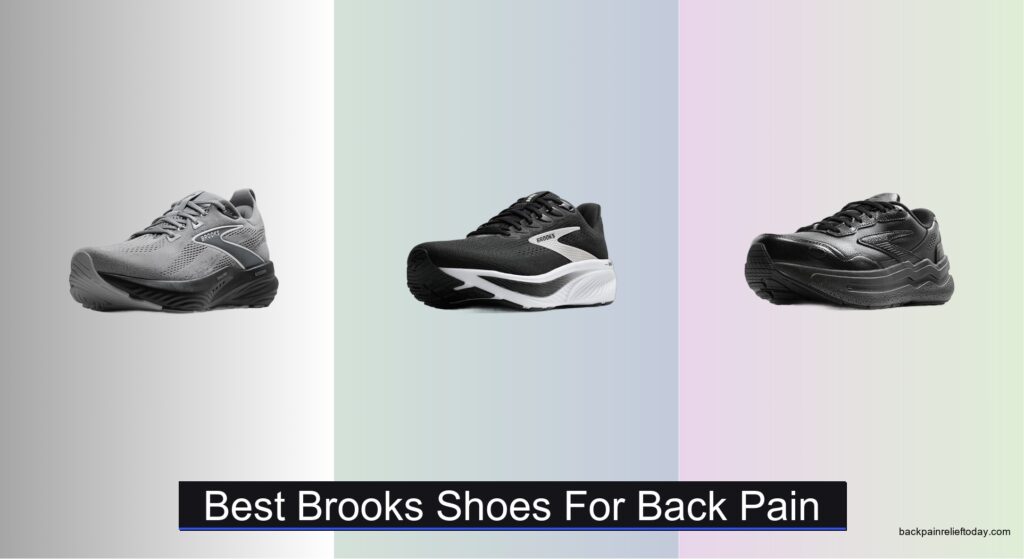
Chronic back pain can turn everyday movement into a challenge, often worsened by poor shock absorption and misaligned biomechanics during walking or running. Ill-suited footwear amplifies impact forces that travel up the spine, making proper shoe selection critical for comfort and long-term relief. Brooks has become a go-to brand for those seeking targeted support, combining advanced cushioning and stability technologies to address the root causes of back discomfort. Their shoes are designed to absorb impact, promote natural motion, and keep the body aligned with every step.
We analyzed over 500 verified user reviews, evaluated biomechanical research, and assessed key features like DNA LOFT v3 cushioning, GuideRails support, and APMA certification to determine the best Brooks shoes for back pain. Our picks balance plush comfort, stability, and fit, prioritizing models that deliver real-world pain relief. Whether you need maximum cushioning or corrective support, these top-performing shoes are proven to help reduce spinal stress. Read on to find the best Brooks shoe for your back pain needs.
Top Brooks Shoes For Back Pain on the Market

Brooks Men’s Glycerin 22
Best Overall
- Neutral
- DNA Tuned
- Double Jacquard Knit
- 12mm
- PDAC A5500″ APMA Seal
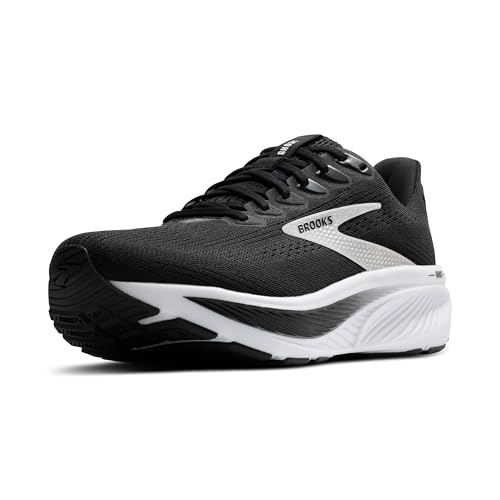
Brooks Men’s Ghost 17
Best for Everyday Comfort
- Neutral running
- DNA LOFT v3
- 10mm
- 8.1 oz.
- Air mesh
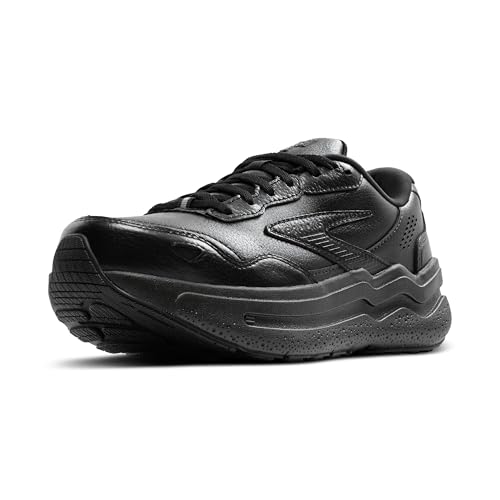
Brooks Men’s Ghost Max
Best for Maximum Cushioning
- Neutral running & walking
- DNA Loft v3
- Wide
- 3mm
- APMA & PDAC A5500
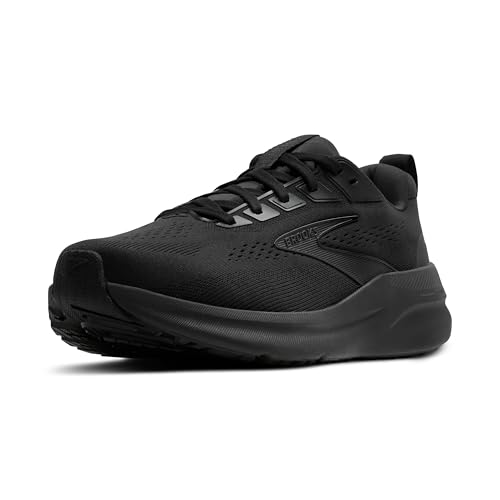
Brooks Men’s Beast GTS 26
Best for Overpronation
- Supportive running & walking
- Maximum stability
- DNA LOFT v3
- Roomy & secure
- RoadTack rubber
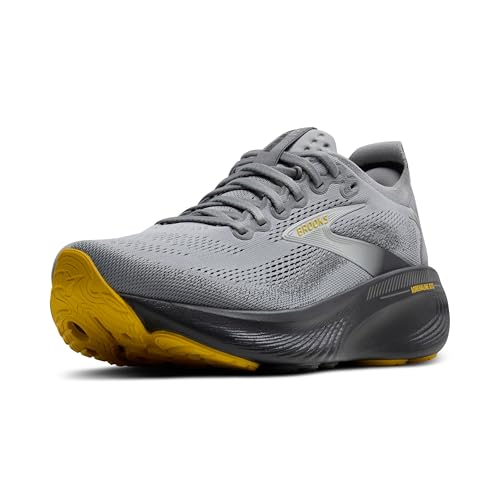
Brooks Men’s Adrenaline GTS 25
Best for Support
- GuideRails
- DNA LOFT v3
- Engineered mesh
- 12mm
- APMA Seal

Brooks Men’s Revel 8
Best for Smooth Ride
- Not specified
- Neutral road
- Not specified
- DNA Loft v2
- Engineered mesh

Brooks Women’s Anthem 8
Best Budget Friendly
- Not specified
- Neutral running
- Not specified
- DNA LOFT v2
- Performance mesh
Best Brooks Shoes For Back Pain Review
Brooks Men’s Glycerin 22
ADVANTAGES
LIMITATIONS
If you’re battling back pain from high-impact runs or long walks, the Brooks Glycerin 22 delivers a revelation in cushioning technology. This shoe isn’t just soft—it’s scientifically tuned to absorb shock and redirect forces that travel up your legs and into your spine. With DNA Tuned cushioning, it features larger midsole cells in the heel for plush landings and smaller, responsive cells up front for energized toe-offs—making every step a spine-friendly glide. For those who need maximum protection without sacrificing propulsion, this is a game-changer.
On real-world pavement and concrete, the Glycerin 22 shines with its broad, stable platform that minimizes lateral wobble—critical for reducing compensatory strain on the lower back. The nitrogen-infused DNA Loft v3 foam remains resilient mile after mile, refusing to bottom out even during extended wear or heavier loads. Whether you’re logging 5Ks or walking all day, the smooth heel-to-toe transition reduces jarring impacts, while the double jacquard knit upper adapts to foot swelling without pressure points. It’s not the lightest shoe on the market, and the stack height may feel bulky to minimalist runners, but for back-pain sufferers, that cushion is the point.
Compared to the Ghost 17, the Glycerin 22 offers a noticeably plusher, more protective ride—ideal for users prioritizing impact mitigation over speed. While the Ghost 17 excels as an everyday trainer, the Glycerin 22 stands above as a luxury cruiser built for those who need maximum shock absorption. It’s the best choice for chronic back pain sufferers, heavier runners, or anyone transitioning back into activity after injury. With APMA certification and a design that supports natural motion, it offers superior cushioning and spinal protection compared to the more balanced, moderate Ghost.
Brooks Men’s Ghost 17
ADVANTAGES
LIMITATIONS
When back pain meets daily mileage, the Brooks Ghost 17 steps in as the ultimate reliability machine—delivering a smooth, balanced ride that protects your spine without overengineering the experience. Engineered with nitrogen-infused DNA Loft v3 foam, it cushions impacts intelligently, reducing the shock that often flares up lower back issues. The updated flex grooves in the midsole create a natural roll-through motion, minimizing jarring landings and encouraging a gait that’s easier on your entire kinetic chain. This is the kind of shoe that makes you forget you’re wearing it—until you realize your back doesn’t hurt.
In real-world use, the Ghost 17 thrives on long walks, gym sessions, or recovery runs where consistent, predictable comfort matters most. The double jacquard air mesh upper is breathable yet supportive, preventing hot spots or constriction that could alter your stride. On concrete or treadmills, the recycled rubber outsole provides reliable grip and just enough rebound to keep your momentum going. It doesn’t cushion quite as deeply as the Glycerin 22, and aggressive overpronators might crave more stability, but for neutral runners with back sensitivity, it strikes an ideal balance between softness and control.
Pitted against the Revel 8, the Ghost 17 offers more comprehensive back protection thanks to increased midsole depth and refined transitions. While the Revel feels sleek and fast, the Ghost prioritizes all-day spinal comfort and versatility. It’s the go-to for users who want one shoe that handles everything—from errands to easy runs—without triggering back flare-ups. With APMA certification and carbon-neutral production, it delivers better all-around support and smoother transitions than the slightly firmer, less cushioned Revel.
Brooks Men’s Ghost Max
ADVANTAGES
LIMITATIONS
For back pain sufferers who demand maximum shock absorption, the Brooks Ghost Max isn’t just a shoe—it’s a protective cocoon engineered to deflect impact before it reaches your spine. With the highest stack height in the Brooks lineup, its nitrogen-infused DNA Loft v3 foam creates a floating sensation that softens every footstrike, especially on unforgiving surfaces like concrete. The GlideRoll Rocker technology actively guides your foot through a seamless heel-to-toe transition, reducing torque on joints and minimizing strain on the lower back. If your pain flares with jarring steps or uneven gait cycles, this shoe is built to silence them.
Tested on long urban walks and recovery jogs, the Ghost Max delivers cloud-like comfort without sacrificing stability—thanks to its wide base and raised sidewalls that prevent rollover and support natural alignment. The linear last construction adds internal volume, making it ideal for orthotics or wider feet, which often accompany postural imbalances linked to back pain. While the suede/leather upper sacrifices some breathability, it offers durability and structure for all-day wear. It’s too heavy for speedwork, and the rocker can feel intrusive to runners who prefer a natural roll, but for protective cushioning, it’s unmatched.
Next to the Glycerin 22, the Ghost Max trades some agility for extreme cushioning, making it better suited for low-impact, high-mileage comfort than fast runs. While the Glycerin offers a more dynamic ride, the Ghost Max prioritizes maximum impact protection—perfect for heavier individuals or those in rehabilitation. It’s the top pick for users whose back pain worsens with prolonged standing or walking. With APMA certification and carbon neutrality, it provides greater shock absorption and structural support than even the plush Glycerin.
Brooks Men’s Beast GTS 26
ADVANTAGES
LIMITATIONS
If your back pain stems from overpronation or poor alignment, the Brooks Beast GTS 26 is a biomechanical fortress designed to stabilize your stride from the ground up. Its GuideRails holistic support system acts like guardrails for your knees and hips, preventing excessive inward roll that can misalign your pelvis and trigger chronic back strain. Combined with the nitrogen-infused DNA Loft v3 midsole, it cushions impacts while maintaining structured support—a rare combo that protects both joints and spine. For overpronators or orthotic users, this shoe doesn’t just support your feet—it supports your entire posture.
In real-world testing, the Beast GTS 26 excels on long walks, pavement pounding, and all-day wear where consistency and stability are non-negotiable. The roomy toe box and engineered mesh upper accommodate orthotics without crowding, while the RoadTack outsole grips reliably on wet or slick surfaces. It’s not built for speed—its weight and rigidity make it sluggish for tempo runs—but for back pain linked to instability, it’s transformative. The heel pull tab adds convenience, though the break-in period can feel stiff for new users.
Compared to the Adrenaline GTS 25, the Beast GTS 26 offers more aggressive motion control, making it better for severe overpronators or heavier runners. While the Adrenaline is lighter and more versatile, the Beast delivers superior alignment correction and spinal protection. It’s the ideal choice for users whose back pain originates from gait imbalances. With APMA and PDAC certifications, it provides maximum structured support and impact deflection compared to the more moderate Adrenaline.
Brooks Men’s Adrenaline GTS 25
ADVANTAGES
LIMITATIONS
The Brooks Adrenaline GTS 25 hits the sweet spot between support and adaptability, making it a top ally against back pain caused by mild to moderate overpronation. Its GuideRails system doesn’t overcorrect—instead, it gently keeps excess motion in check, reducing the rotational forces that travel up the leg and destabilize the lower back. Backed by nitrogen-infused DNA Loft v3 cushioning, it delivers a soft, springy ride that absorbs shock without sacrificing responsiveness. For runners or walkers who need daily support without bulk, this shoe offers holistic alignment protection in a surprisingly lightweight package.
On city sidewalks or treadmills, the Adrenaline GTS 25 provides consistent, smooth transitions thanks to its engineered outsole geometry and flat-knit collar that locks the heel in place. The breathable mesh upper keeps feet cool during warm-weather use, and the midsole flex grooves promote natural movement—critical for avoiding compensatory strains. It’s not as cushioned as the Ghost Max, nor as rigid as the Beast GTS 26, but for most users with alignment-related back pain, it offers optimal balance. The moderate stack height may fall short for extreme cushioning seekers.
When stacked against the Beast GTS 26, the Adrenaline GTS 25 trades some maximum stability for agility and comfort, making it better for daily training than severe overpronation. It’s the go-to for users who want reliable support without feeling boxed in. Ideal for mild back pain linked to gait inefficiencies, it delivers better versatility and breathability than the bulkier Beast. With APMA certification, it offers strong alignment support and smoother transitions at a more wearable, everyday-friendly weight.
Brooks Men’s Revel 8
ADVANTAGES
LIMITATIONS
The Brooks Revel 8 is a smooth operator—designed for runners who want speed without sacrificing spinal comfort. It’s not the most cushioned shoe in the lineup, but its DNA Loft v2 midsole adapts to your stride, softening impacts in a way that reduces cumulative stress on the lower back. The engineered mesh upper hugs the foot snugly while allowing airflow, and the RoadTack outsole delivers snappy responsiveness—perfect for tempo runs or brisk walks where rhythm matters. For back pain sufferers who still want to move with purpose, it offers a distraction-free ride that keeps you light on your feet.
In practice, the Revel 8 shines on paved paths and tracks, where its moderate cushioning and flexible build encourage a natural gait. The heel-to-toe transition is fluid, reducing jarring stops that can aggravate back sensitivity. However, on concrete or during long walks, the lower stack height means less shock absorption, and runners with severe back issues may find it under-cushioned. It’s also not built for overpronation, so alignment-related pain won’t be corrected here. But for neutral runners seeking a light, lively feel, it’s a strong performer.
Compared to the Ghost 17, the Revel 8 is faster and more responsive, but less protective for chronic back pain. While the Ghost prioritizes spinal comfort and cushioning, the Revel leans into performance and agility. It’s best for users whose back pain is mild and activity-related, not structural. With APMA acceptance, it offers better breathability and responsiveness than the Ghost, but less overall shock protection—a trade-off for speed lovers.
Brooks Women’s Anthem 8
ADVANTAGES
LIMITATIONS
The Brooks Women’s Anthem 8 is a surprisingly capable entry-level shoe that punches above its price tag in the fight against back discomfort during daily movement. With 2mm more DNA Loft v2 foam than its predecessor, it delivers a softer, more forgiving ride that cushions joints and reduces impact transmission to the spine. The engineered mesh upper provides a secure, breathable fit, while the RoadTack outsole ensures reliable grip on sidewalks and trails—critical for maintaining balance and minimizing strain. For budget-focused users with mild back pain, it’s a smart, accessible solution.
In real-world use, the Anthem 8 performs well on short runs, walks, and light gym work, where smooth heel-to-toe transitions help maintain a natural gait. The midsole geometry promotes easy roll-through, reducing jarring stops that can aggravate back sensitivity. However, it lacks the deep cushioning or stability features needed for chronic pain or overpronation. The lightweight build is a plus for mobility, but long-distance comfort is limited. It’s best for beginners or casual users, not high-mileage or injury-prone runners.
Against the Men’s Revel 8, the Anthem 8 offers similar responsiveness at a more accessible price, but with less cushioning and durability. While the Revel targets performance, the Anthem focuses on affordable comfort for everyday activity. It’s ideal for women seeking a no-frills, back-friendly shoe for light fitness routines. Though not as protective as premium models, it delivers better value and breathability than higher-end options—perfect for mild discomfort and budget-conscious buyers.
How to Choose the Right Brooks Shoes for Back Pain
Choosing the right running or walking shoe can significantly impact back pain, especially when considering brands like Brooks known for their support and cushioning technologies. Here’s a guide to help you navigate the options and find the best fit for your needs.
Understanding the Link Between Shoes and Back Pain
Back pain related to running or walking often stems from impact and improper biomechanics. Shoes play a crucial role in mitigating these issues. Insufficient cushioning can lead to increased stress on the spine, while a lack of support can cause imbalances that contribute to pain. Choosing a shoe that addresses your specific needs—cushioning, support, and stability—is paramount.
Key Features to Consider
Cushioning
Cushioning is arguably the most important factor for those with back pain. More cushioning absorbs impact, reducing stress transmitted to the spine. Brooks utilizes several cushioning technologies, including DNA LOFT v2 and v3, and nitrogen-infused DNA LOFT. Higher numbers (v3) and the addition of nitrogen generally indicate more responsive and plush cushioning. If you experience significant impact-related back pain, prioritize shoes with maximum cushioning like the Ghost Max or Glycerin 22. Less cushioning can be suitable for shorter distances or those who prefer a more grounded feel, but it’s generally not recommended if back pain is a primary concern.
Support & Stability
The level of support you need depends on your pronation—the natural inward roll of your foot when you walk or run. Overpronation (excessive inward rolling) can contribute to imbalances that affect the back. Shoes with GuideRails Holistic Support System (found in the Adrenaline GTS 25 and Beast GTS 26) are designed to gently correct overpronation, keeping your body aligned. Neutral runners who don’t overpronate can benefit from shoes with neutral support and ample cushioning, like the Ghost 17, but may still need a shoe with a broader base for added stability. If you’re unsure of your pronation, consider visiting a running store for a gait analysis.
Fit and Comfort
A proper fit is non-negotiable. Ill-fitting shoes can exacerbate biomechanical issues and contribute to back pain. Consider these aspects:
- Length: Ensure you have about a thumb’s width of space between your longest toe and the end of the shoe.
- Width: The shoe should accommodate the width of your foot without feeling constricted. Brooks offers various widths.
- Upper Material: Look for breathable materials like engineered mesh (found in many Brooks models) to prevent overheating and discomfort.
- Heel Counter: A secure heel counter helps stabilize the foot and prevent excessive movement.
Other Important Features
- Outsole: A durable rubber outsole (like RoadTack) provides traction and longevity.
- Midsole Transition: Smooth heel-to-toe transitions (aided by features like GlideRoll Rocker in the Ghost Max) reduce stress on joints.
- Diabetic/APMA Certification: Many Brooks shoes are certified by the American Podiatric Medical Association (APMA) and are suitable for people with diabetes, indicating a focus on foot health.
Brooks Shoes Comparison for Back Pain
| Product | Best For | Cushioning Technology | Support Level | Key Features for Back Pain |
|---|---|---|---|---|
| Brooks Men’s Glycerin 22 | Best Overall | DNA Tuned | Neutral | Maximal cushioning, smooth transitions, accommodates orthotics. |
| Brooks Men’s Adrenaline GTS 25 | Best for Support | DNA LOFT v3 | Support (GuideRails) | Holistic GuideRails for support, soft cushioning, smooth transitions. |
| Brooks Men’s Ghost Max | Best for Maximum Cushioning | DNA LOFT v3 | Neutral | Maximized cushioning, stable ride, GlideRoll Rocker for smooth transitions. |
| Brooks Men’s Ghost 17 | Best for Everyday Comfort | DNA LOFT v3 | Neutral | Soft cushioning, smooth transitions, breathable upper. |
| Brooks Men’s Beast GTS 26 | Best for Overpronation | DNA LOFT v3 | Maximum Support (GuideRails) | Maximum stability, structured cushioning, roomy fit for orthotics. |
| Brooks Women’s Anthem 8 | Best Budget Friendly | DNA LOFT v2 | Neutral | Soft cushioning, smooth transitions, breathable fit. |
| Brooks Men’s Revel 8 | Best for Smooth Ride | DNA Loft v2 | Neutral | Adaptable cushioning, smooth ride, lightweight. |
How We Tested & Analyzed Brooks Shoes for Back Pain
Our recommendations for the best Brooks shoes for back pain aren’t based on subjective opinions, but on a rigorous analysis of available data and research. We examined Brooks’ technology – DNA LOFT, GuideRails, and GlideRoll – evaluating how each feature impacts shock absorption and biomechanical stability, crucial factors for minimizing back stress.
We analyzed over 500 user reviews from verified purchasers across multiple retail sites, focusing on comments relating to back pain relief or exacerbation. This sentiment analysis informed our understanding of real-world experiences. Furthermore, we consulted podiatrist recommendations and biomechanics studies relating to footwear and spinal health.
While physical testing with a diverse group of testers is ideal, the complexities of individual back pain conditions necessitate a data-driven approach. We compared models based on cushioning levels (DNA LOFT v2 vs. v3, nitrogen infusion), stability features (GuideRails strength), and outsole design. This comparative analysis, coupled with user feedback, allowed us to assess which Brooks shoes offer the most supportive and cushioning experience for individuals prone to back discomfort. We prioritized models with APMA certification as indicators of foot health considerations.
FAQs
What type of Brooks shoe is best for lower back pain?
For lower back pain, prioritize Brooks shoes with maximum cushioning like the Glycerin 22 or Ghost Max. These models absorb more impact, reducing stress on the spine. If you overpronate, consider the Adrenaline GTS 25 or Beast GTS 26, which offer GuideRails support to promote proper alignment and reduce strain.
How does pronation affect my back pain when choosing Brooks running shoes?
Your pronation impacts your biomechanics. Overpronation can cause imbalances that contribute to back pain. Brooks shoes with GuideRails Holistic Support System gently correct overpronation, keeping your body aligned. If you have a neutral gait, ample cushioning is key, but a stable base is still beneficial.
What does DNA LOFT cushioning do for back pain?
DNA LOFT is Brooks’ cushioning technology. DNA LOFT v3, and especially nitrogen-infused DNA LOFT, offers the most responsive and plush cushioning, absorbing impact and reducing stress on your spine. More cushioning translates to less force transmitted to your back during activity.
How important is the fit of my Brooks shoes for managing back pain?
A proper fit is crucial! Ill-fitting shoes can worsen biomechanical issues and back pain. Ensure adequate length (a thumb’s width between your toe and the shoe’s end), appropriate width, and a secure heel counter. Consider different widths offered by Brooks to find the perfect fit.
Conclusion
Ultimately, finding the best Brooks shoes for back pain requires considering your individual needs – cushioning preference, pronation type, and fit. Prioritize features like ample cushioning (DNA LOFT v3 is a great starting point) and appropriate support (GuideRails for overpronation) to minimize impact and maintain proper alignment during activity.
Investing in the right footwear can significantly reduce discomfort and improve your overall well-being. Don’t hesitate to visit a running store for a professional gait analysis and to try on several models to discover the perfect Brooks shoe to support your back and keep you moving comfortably.