

That sharp twinge when you stand up too quickly or the dull ache after hours at your desk—back pain disrupts your life in ways others can’t see. When you’re searching for drug-free relief, knowing how to use a heat pad for back pain correctly transforms it from a simple comfort item into a powerful therapeutic tool. This guide delivers precise instructions to maximize your heat therapy results while avoiding common pitfalls that could worsen your discomfort.
You’ll discover exactly which heat pad type works best for your specific pain pattern, how long to apply heat for optimal muscle relaxation, and critical safety steps most users overlook. Whether you’re dealing with sudden muscle spasms or chronic stiffness, these evidence-based techniques will help you target relief where you need it most.
Select Your Ideal Heat Pad Type

Electric Heating Pads for Consistent Relief
Electric heating pads deliver steady warmth through adjustable thermostats that maintain your chosen temperature without fluctuations. Modern units offer three to six heat settings, typically ranging from 105°F (40.5°C) on low to 140°F (60°C) on high—ideal for controlling your heat therapy experience. Look for essential safety features like automatic shut-off timers (maximum 2 hours), machine-washable covers, and sizes that match your pain area—standard 12″x15″ for targeted relief or 12″x24″ for full back coverage.
Critical features to prioritize:
– Auto shut-off at 2 hours maximum to prevent overheating
– Moist heat capability for deeper tissue penetration
– Digital temperature display for precise control
– Contoured lumbar zones that follow your spine’s natural curve
Microwaveable Heat Pads for Natural Therapy
These natural alternatives contain rice, flaxseed, or clay beads that retain heat for 20-30 minutes after 1-3 minutes in the microwave. They conform perfectly to your body’s curves and provide moist heat naturally without electricity. Popular options include rectangular 14″x20″ pads, neck rolls, and specially contoured lumbar designs that fit between your lower back and chair.
Best for: Quick relief without electricity, travel use, or those who prefer natural materials. People with sensitive skin often find microwaveable pads gentler than electric models since they provide moist heat without direct electrical contact.
Infrared Heating Pads for Deep Tissue Penetration
Far-infrared technology penetrates 2-3 inches into tissue, reaching deep muscle layers that surface heat can’t touch. Operating at 104-160°F (40-71°C), these pads use jade stones or carbon fibers to deliver therapeutic wavelengths. You’ll experience increased circulation at lower surface temperatures with longer-lasting effects—perfect for stubborn lower back pain that hasn’t responded to conventional heat therapy.
Prepare for Safe Heat Application
Skin Assessment Protocol
Before placing any heat source on your back, inspect the area carefully for open wounds, rashes, or areas with decreased sensation. Clean and dry your skin thoroughly—moisture intensifies heat transfer and can cause irritation. Remove metal jewelry that could conduct heat and position yourself comfortably on your bed or in a supportive chair with proper lumbar support.
Temperature Selection Guide
Start conservative and adjust based on your response:
- 105-110°F (40.5-43°C): Sensitive skin or first-time users
- 115-125°F (46-52°C): Standard therapeutic range for most back pain
- 130-140°F (54-60°C): Short 15-20 minute sessions only for healthy adult skin
- Moist heat: Add 5-10°F for enhanced penetration without increased surface temperature
Pro tip: Test temperature on your forearm first—if it feels too hot initially, it will definitely be too hot for extended back application. Always use a thin towel barrier between your skin and the heat source.
Position Heat Pads for Maximum Effectiveness
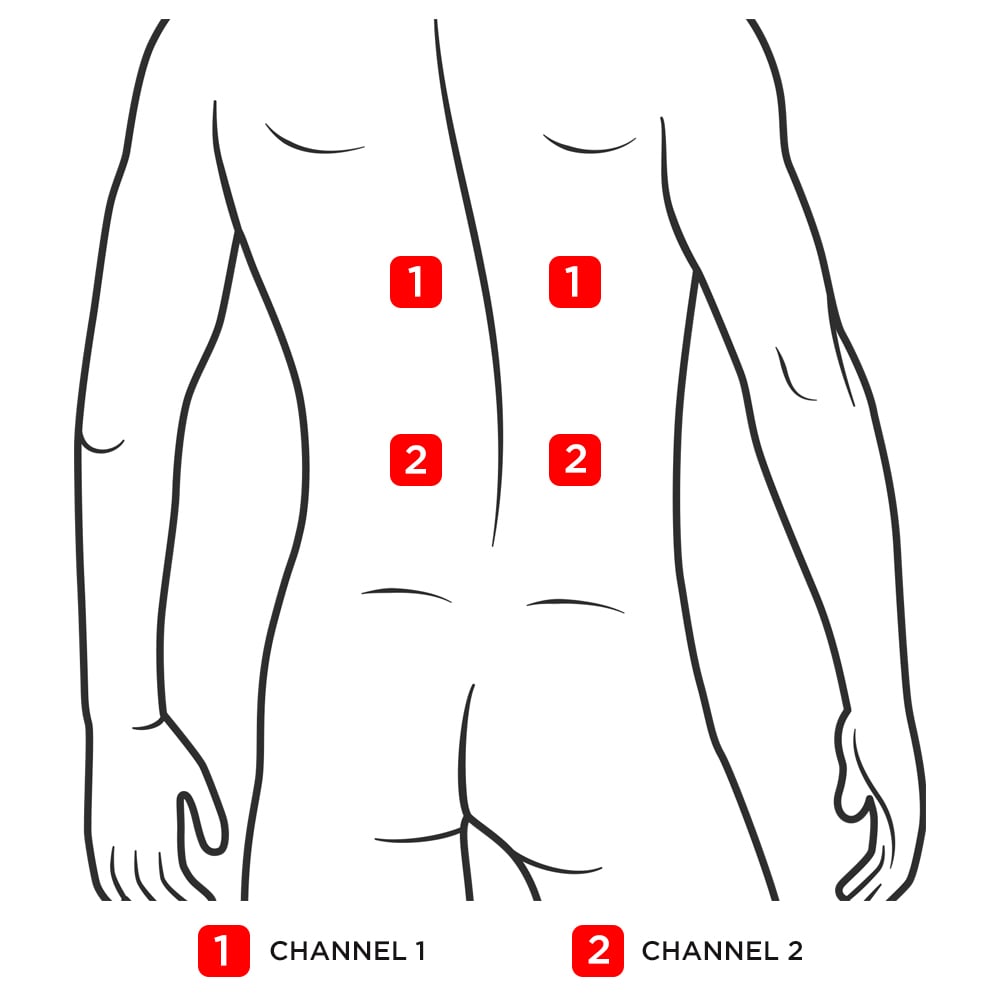
Lower Back Placement Technique
Place the pad horizontally across your lumbar region, covering from the top of your pelvis to your lower ribs. Use pillows to maintain position without direct pressure on the heating element—this prevents uneven heat distribution. For sciatic pain extending down your leg, extend coverage to include your glutes and upper hamstrings where nerve compression often originates.
Upper Back Targeting Method
Position pads vertically along your thoracic spine, but never directly on your spinal column. Instead, place it slightly to each side of your spine, covering the paraspinal muscles where tension commonly builds. Rolled towels can help maintain consistent contact without gaps, especially when treating rounded upper back posture from computer work.
Trigger Point Focus Strategy
For specific pain spots like the sacroiliac joint or between shoulder blades, use smaller pads or fold larger ones to concentrate heat. Combine with tennis ball massage immediately after heating—warm muscles respond better to pressure release techniques, allowing you to address stubborn knots without aggravating them.
Master Treatment Timing for Your Pain Type
Acute Pain Protocol
During the first 48-72 hours of sudden back pain, use 15-20 minute sessions, 3-4 times daily. This reduces muscle spasm without aggravating inflammation. Always wait at least 2 hours between sessions to prevent skin irritation. For immediate post-injury relief, consider alternating 10 minutes of heat with 10 minutes of cold therapy.
Chronic Pain Management Schedule
For ongoing back issues, apply 20-30 minute sessions twice daily. Morning application combats overnight stiffness and prepares your back for the day’s activities, while evening sessions promote relaxation and improve sleep quality. Maintenance therapy requires just 15-20 minutes daily as preventive care before physically demanding tasks.
Progressive Loading Strategy
Begin with 10-minute sessions at lower temperatures to build tolerance. Gradually increase duration and heat as your body adapts, but never exceed 30 minutes continuous application. Always allow skin temperature to normalize between sessions—persistent redness lasting more than 30 minutes after removal indicates overexposure.
Combine Heat Therapy with Movement
Stretch While Muscles Are Warm
Your muscles are most pliable immediately after heat application. Perform gentle cat-camel stretches, knee-to-chest movements, or spinal twists during this window. Hold each stretch for 15-30 seconds, repeating 2-3 times for maximum benefit. The increased tissue elasticity allows deeper stretching without injury risk.
Exercise Progression Sequence
Start with isometric core activation while the pad is still warming your muscles. Progress to range-of-motion exercises after removing the heat source. This sequence prevents injury while maximizing therapeutic gains from your heat therapy. Focus on pelvic tilts and gentle spinal rotations to maintain mobility.
Massage Enhancement Technique
Use a tennis ball or foam roller immediately after heating to work out muscle knots. The increased tissue elasticity allows for deeper, more effective self-massage. Focus on trigger points along your paraspinal muscles for 60-90 seconds each—this combination provides relief that heat alone cannot achieve.
Avoid Critical Safety Mistakes
Absolute No-Go Zones
Never apply heat to areas with poor circulation, peripheral vascular disease, or decreased sensation from diabetes or neuropathy. Avoid use during the first 48-72 hours after acute injury when inflammation is present. Do not apply to open wounds, rashes, or skin conditions, and pregnant women should avoid abdominal heat application.
Protective Measures You Must Follow
Always use the pad’s fabric cover or a thin towel as a barrier between skin and heat source. Check your skin every 5 minutes during initial use—persistent redness lasting 30+ minutes post-application signals you’ve overdone it. Keep electric pads away from water unless specifically designed for moist heat to prevent electrical hazards.
Special Population Adjustments
Elderly users: Reduce temperature by 10-15°F and limit to 15-minute sessions due to decreased skin sensitivity. Diabetics: Consult your doctor first—neuropathy can mask burning sensations. Children: Only use pediatric-specific pads under adult supervision with lower maximum temperatures.
Troubleshoot Common Heat Therapy Problems
Insufficient Heat Penetration Solution
If surface heat isn’t providing relief, switch to moist heat options or infrared pads for deeper penetration. Check positioning—gaps between pad and skin dramatically reduce effectiveness. Add a second layer like a wool blanket over the pad to trap heat and improve conduction to deeper tissues.
Equipment Issues Fix
Electric pads not heating? Check connections, test different outlets, and verify timer settings. Microwaveable pads heating unevenly need filler redistribution and timing adjustments—try heating in 30-second increments. Replace any pad developing hot spots or unusual odors immediately to prevent burns.
Travel Solutions for On-the-Go Relief
Pack portable chemical heat patches or rechargeable battery pads for trips. Microwaveable options work great for hotel stays—just request microwave access at check-in. For international travel with electric pads, research electrical compatibility and pack appropriate adapters.
Advanced Optimization Strategies
Circadian Timing for Better Results
Apply heat during your body’s natural temperature drop—usually evening—for enhanced muscle relaxation and sleep improvement. Morning sessions combat overnight stiffness but avoid heat within 2 hours of bedtime if it makes you alert rather than relaxed. This timing aligns with your body’s natural rhythms for maximum therapeutic effect.
Workplace Integration Techniques
Use heated seat cushions during long sitting periods. Take micro-breaks every 30-60 minutes for brief heat applications to prevent tension buildup. Wearable patches provide discrete, all-day therapy during work hours—position them under clothing directly over your pain points.
Your Next Steps: Start with 15-minute sessions at medium heat, tracking your response on a 0-10 pain scale. Gradually adjust timing and temperature based on your body’s feedback. Remember, heat therapy works best as part of a comprehensive approach including gentle movement, proper posture, and when necessary, professional medical guidance. The right heating pad, used correctly, can transform your back pain from a daily struggle into a manageable condition.