
That sharp twinge in your lower back after a run shouldn’t be part of your regular routine. Whether you’re a weekend warrior or training for your tenth marathon, running shouldn’t leave you stiff and uncomfortable every time you finish a workout. The truth is most running-related back pain stems from correctable issues—not inevitable wear and tear. How to fix lower back pain from running effectively means understanding why it happens and implementing targeted solutions that let you maintain your training while healing.
Most runners mistakenly think they need complete rest when back pain strikes, but the right approach actually keeps you moving while addressing the root causes. This guide delivers proven strategies that eliminate lower back pain in as little as 48 hours while keeping you on track toward your running goals. You’ll discover exactly which form errors cause back strain, the critical strength exercises most runners skip, and a step-by-step return-to-running plan that prevents re-injury.
Stop Running Back Pain Within 48 Hours
Ice and Compression Protocol That Works
Apply ice packs wrapped in a thin towel directly to your tender lower back area for 15-20 minutes every 2-3 hours during waking hours. Target the spot just above your pelvic crest where pain typically concentrates. Commercial gel packs maintain consistent temperature better than regular ice and reduce inflammation more effectively. Never apply ice directly to skin to avoid frostbite.
Wrap your lower back with a 4-6 inch elastic bandage for compression during daily activities. The bandage should feel snug but never restrict your breathing. Compression limits fluid buildup in injured tissues and provides gentle support while you move. Remove it before sleeping to allow unrestricted circulation during recovery.
Optimal Resting Positions for Immediate Relief
Lie on your back with knees bent at 90 degrees over stacked pillows or the arm of your couch. This position reduces pressure on lumbar discs by decreasing your natural spinal curve. For side sleepers, place a pillow between your knees to maintain spinal alignment and prevent pelvic rotation that strains back muscles.
Critical mistake to avoid: Sleeping on your stomach increases lumbar extension and compresses spinal structures, worsening pain. If you’re a habitual stomach sleeper, place a pillow under your hips to minimize the harmful arch in your lower back.
Fix Your Running Posture to Eliminate Back Strain

Head and Pelvic Alignment That Prevents Pain
Imagine a string pulling the crown of your head upward toward the ceiling while running. Keep your eyes focused 15-20 feet ahead on the ground—not down at your feet. This simple adjustment reduces forward head posture that increases lumbar curvature and disc compression by up to 40%.
Engage your lower abdominal muscles to maintain a neutral pelvic tilt—neither tilted forward (anterior tilt) nor backward (posterior tilt). Practice pelvic tilts against a wall before running to develop this awareness. Excessive anterior tilt creates a swayback position that concentrates impact forces directly into your lower spine.
Arm Swing Mechanics That Reduce Back Stress
Keep your elbows bent at 80-90 degrees with relaxed hands as you run. Your arms should swing naturally from your shoulders, not your elbows. Focus on keeping your hands crossing at navel level rather than across your chest, which creates unnecessary trunk rotation that transfers stress to your lower back.
Critical Glute and Core Exercises That Cure Running Back Pain
The 10-Minute Daily Routine That Fixes Weakness
Perform the bird dog exercise on all fours: extend your right arm forward while simultaneously extending your left leg backward. Hold for 10 seconds while keeping your spine completely still, then switch sides. Complete 10 repetitions per side—this builds the core stability that prevents your back from absorbing excessive impact.
Add resistance band clamshells to activate dormant glute muscles: Lie on your side with a mini-band above your knees, hips flexed to 45 degrees. Open your top knee while keeping feet together, emphasizing the glute medius contraction. Complete 3 sets of 15-20 repetitions per side—weak glutes force your lower back to compensate during running.
Pro tip: Place a foam roller lengthwise along your spine during bird dogs. If the roller falls off during the movement, you’re rotating your trunk and not properly engaging your core stabilizers.
Your 21-Day Return-to-Running Protocol
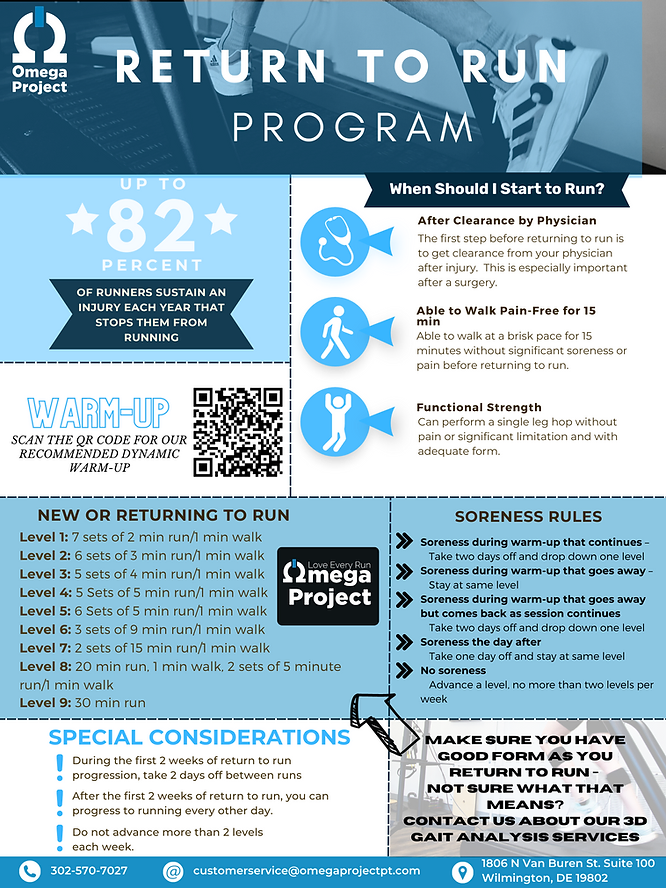
Phase 1: Pain-Free Movement (Days 1-7)
Before attempting any running, confirm you can walk pain-free for 30 minutes and perform single-leg bridges without discomfort. During this phase, maintain cardiovascular fitness with pool running in chest-deep water for 20-30 minutes or stationary cycling with minimal resistance for 15-20 minutes.
Warning: Don’t rush this phase—returning to running too soon guarantees re-injury. If pain medication is still required for daily activities, you’re not ready to progress.
Phase 2: Run-Walk Intervals (Days 8-21)
Start with 1 minute of running followed by 2 minutes of walking, repeating this cycle 10 times (20 minutes total). If pain stays below 2/10 during and after the workout, progress to 2 minutes running/1 minute walking for 8 cycles (24 minutes total) in your next session.
By day 15, aim for 3 minutes running followed by 1 minute walking for 6 cycles. Focus on maintaining the posture corrections you’ve practiced—running with proper form at slower speeds builds the neuromuscular patterns that prevent future pain.
Best Running Shoes and Orthotics for Back Pain Relief

Footwear Features That Reduce Spinal Impact
Choose running shoes with moderate cushioning—not maximal cushioning—to provide adequate shock absorption without compromising stability. Shoes with an 8-10mm heel-to-toe drop reduce strain on your Achilles and calf muscles that otherwise transfers stress to your lower back.
Replace your shoes every 300-500 miles. Worn-out midsoles lose their ability to absorb impact forces, sending more shock directly into your spine with each step. Check for visible compression in the midsole or heel counter breakdown as indicators it’s time for new shoes.
Orthotic Solutions for Pelvic Alignment
If excessive foot pronation contributes to your back pain, consider custom orthotics or over-the-counter options like Superfeet Green (for high arches) or Superfeet Blue (for neutral feet). Start with a 30-minute daily wear schedule, increasing by 30 minutes each day to allow your body to adjust.
Critical mistake: Avoid orthotics that force an unnatural foot position—your body will compensate elsewhere, potentially creating new pain points. Proper orthotics should feel supportive but not restrictive.
When Running Back Pain Needs Professional Help
Red Flags That Require Immediate Medical Attention
Stop running and consult a healthcare provider immediately if you experience numbness or tingling radiating below your knee, significant leg weakness that affects your ability to heel or toe walk, or any loss of bladder or bowel control. Night pain that wakes you from sleep indicates a potentially serious condition requiring evaluation.
Runners with history of cancer, osteoporosis, or long-term steroid use should seek professional assessment for any persistent back pain, as these conditions increase fracture risk.
Long-Term Prevention Strategies That Keep You Running
The 10% Weekly Mileage Rule That Prevents Re-Injury
Never increase your weekly running mileage by more than 10% from the previous week. Every fourth week, reduce your total mileage by 20-30% to allow for recovery and adaptation. This measured approach prevents the cumulative stress that leads to overuse injuries like lower back pain.
Incorporate 2-3 weekly strength sessions focusing on posterior chain muscles—hip thrusts, Romanian deadlifts, and single-leg variations build the foundation that protects your spine during running. Pair this with daily 5-10 minute core stability sessions that maintain your progress.
Lower back pain from running doesn’t have to derail your training or end your running career. By implementing these targeted strategies—immediate pain relief techniques, posture corrections, specific strengthening exercises, and a structured return-to-running plan—you can eliminate back pain while maintaining your fitness. Start with the 48-hour pain relief protocol, then systematically address the underlying causes through form corrections and strength work. Most runners experience significant improvement within 2-3 weeks when following this approach consistently. The key is addressing the problem immediately rather than running through pain, which only prolongs recovery and increases injury risk.