

That nagging ache in your lower back won’t quit, and you’re desperate for relief that actually works. You’ve tried ice, heat, and over-the-counter painkillers with limited success, so massage therapy seems like the logical next step. But with 70-80% of adults experiencing lower back pain during their lifetime, how do you know if massage will help YOUR specific pain? The truth is, lower back pain massage delivers powerful short-term relief for most people—but only if you understand exactly when and how to use it based on the latest evidence.
Recent analysis of 25 clinical trials involving 3,096 participants reveals both the remarkable benefits and critical limitations of massage therapy for back pain. This isn’t just another generic “massage is good” article—you’ll discover precisely which types of back pain respond best, the exact techniques proven effective, and crucial timing strategies most therapists won’t tell you. Whether you’re dealing with acute flare-ups or chronic discomfort, this guide cuts through the marketing hype to show you how to get real results from lower back pain massage.
Why Your Lower Back Pain Massage Isn’t Working Long-Term
Short-Term Relief vs. Lasting Functional Improvement
Massage therapy delivers significant pain reduction within days for both acute and chronic lower back pain, but don’t expect miraculous functional recovery. For acute cases (pain lasting less than 4 weeks), studies show a substantial effect size of -1.24 for pain relief—meaning you’ll likely feel noticeably better quickly. However, that same research reveals zero functional improvement despite pain reduction. You might feel less pain, but bending, lifting, and daily movements remain challenging.
Chronic sufferers (pain lasting 12+ weeks) experience better outcomes with both short-term pain reduction (effect size -0.75) and functional improvement (effect size -0.72) when massage is compared to no treatment. The critical caveat? These functional gains disappear without additional interventions. If your massage therapist isn’t incorporating movement strategies, you’re only getting half the solution.
Identifying Your Pain Type for Targeted Treatment
Acute pain sufferers (less than 4 weeks duration): Focus massage sessions during the initial 72-hour window when pain is most intense. One landmark trial with 51 participants showed dramatic short-term pain reduction during this phase, but don’t expect immediate functional recovery—this is strictly symptom management.
Chronic pain sufferers (12+ weeks duration): Schedule consistent weekly sessions for 4-8 weeks to maximize both pain relief and functional gains. The research shows benefits peak during this timeframe, but require strategic transition to active rehabilitation to maintain progress. If you’ve had pain for months with no improvement from massage alone, you’ve likely hit the evidence-based limitation of passive treatment.
Exact Massage Techniques That Deliver Measurable Results
Manual Therapy vs. Gimmicky Mechanical Devices
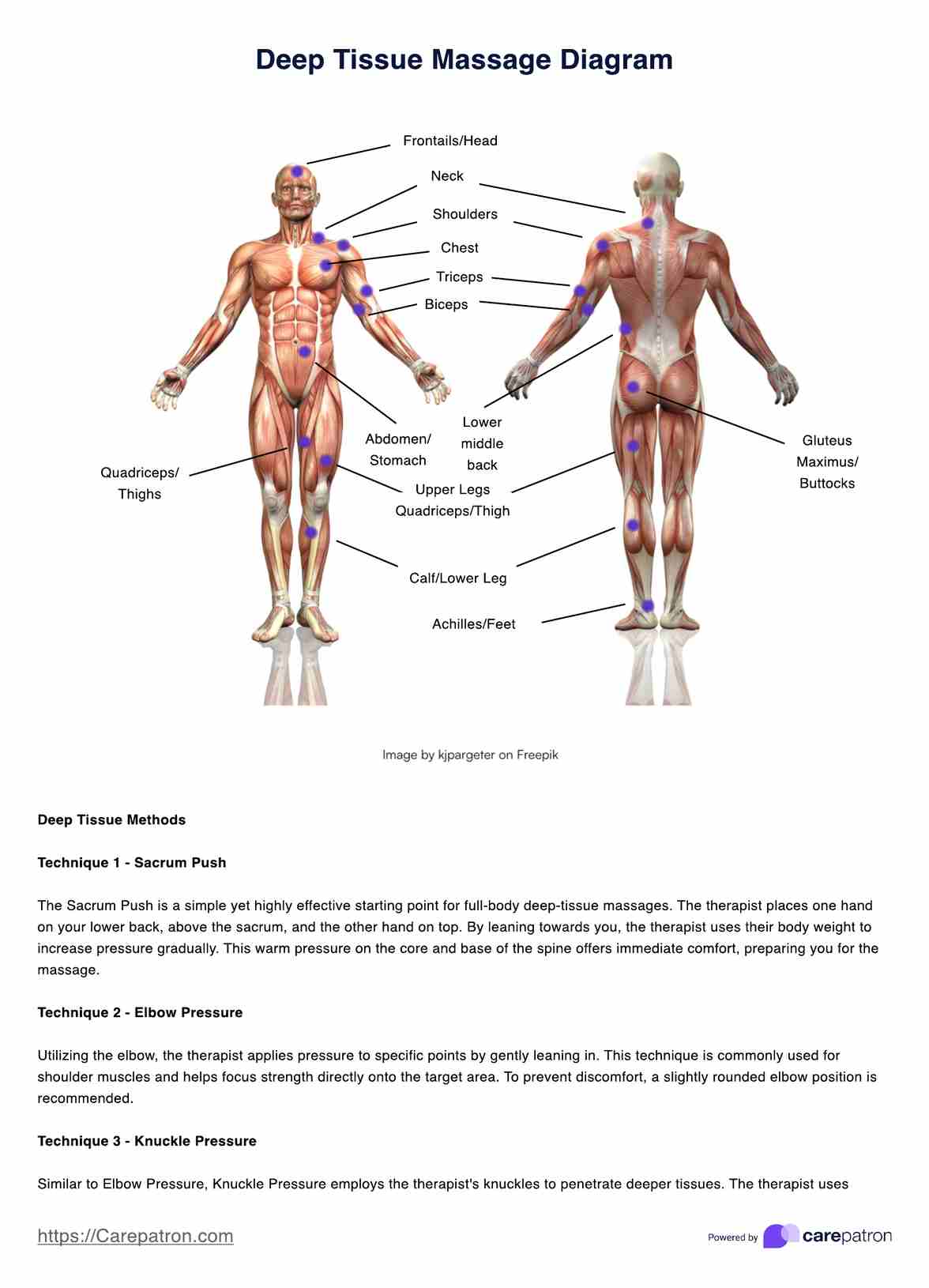
Professional hands-on massage dominates the evidence base, appearing in 22 of 25 clinical trials. Therapists using Swedish massage, deep tissue techniques, and targeted trigger point therapy consistently achieve better outcomes than mechanical alternatives. The three studies examining massage chairs and devices showed limited evidence of effectiveness—save your money and invest in skilled manual therapy instead.
When seeking treatment, verify these critical technique elements:
– Direct work on lumbar paraspinal muscles (not just general back rubbing)
– Gluteal region integration (often overlooked but crucial for back pain)
– Progressive pressure adaptation based on your pain tolerance
– Movement integration during or immediately after treatment
Optimal Treatment Schedule for Real Results
Most successful protocols follow these evidence-based parameters:
– Session length: 30-60 minutes (shorter sessions show diminished results)
– Frequency: 1-2 times weekly for 4-8 weeks
– Critical timing: Begin within first week of acute pain onset
– Progression: Transition from pain-focused to function-focused techniques after 2-3 weeks
Don’t fall for therapists pushing endless maintenance packages without functional progression. The research clearly shows benefits plateau without incorporating movement retraining.
Avoid These Dangerous Lower Back Pain Massage Mistakes
Recognizing When Massage Could Worsen Your Condition
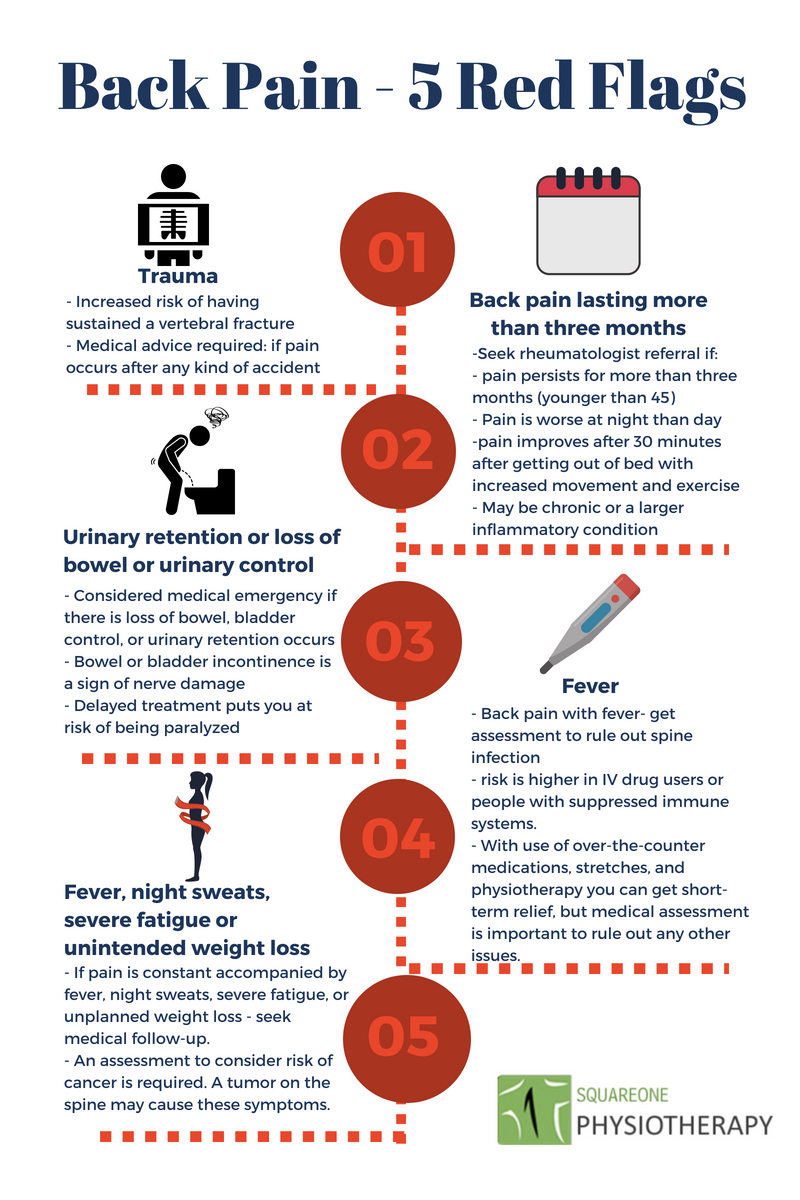
While massage demonstrates an excellent safety profile with zero serious adverse events across 3,096 participants, certain warning signs demand immediate treatment cessation:
– Sharp, shooting pain during the session (indicates possible nerve irritation)
– Numbness or tingling in legs during or after treatment
– Severe stiffness lasting more than 48 hours (suggests tissue damage)
These reactions affect 1.5-25% of recipients but typically resolve within 1-2 days. If symptoms persist beyond 72 hours, consult a physician to rule out serious underlying conditions.
Medical Conditions That Require Special Precautions
Certain conditions demand physician clearance before pursuing lower back pain massage:
– Active disc herniation with leg symptoms (massage may exacerbate nerve compression)
– Recent back surgery (wait at least 6 weeks for tissue healing)
– Severe osteoporosis (requires extremely gentle techniques)
– Unexplained weight loss or fever accompanying back pain (requires medical evaluation)
Never allow a massage therapist to diagnose these conditions—they should refer you to medical professionals when red flags appear.
Maximize Your Massage Investment with These Proven Strategies
Combining Massage with Active Rehabilitation
The research reveals massage’s greatest limitation: it treats symptoms but rarely addresses root causes. For lasting results, implement this evidence-based transition plan:
1. Weeks 1-2: Focus exclusively on pain reduction through massage
2. Weeks 3-4: Introduce gentle movement integration during sessions
3. Weeks 5-8: Shift to 70% active movement training, 30% massage maintenance
Critical self-care components to add immediately:
– Daily cat-cow stretches (5 minutes, 3x daily)
– Pelvic tilts while lying down (2 sets of 10, daily)
– Walking progression (start with 5 minutes, add 2 minutes daily)
Finding Truly Qualified Lower Back Pain Specialists
Not all massage therapists deliver equal results for back pain. Look for these evidence-based credentials:
– Orthopedic massage certification (not just general licensure)
– Minimum 2 years specializing in musculoskeletal conditions
– Collaboration with physical therapists or chiropractors
Red flags indicating subpar care:
– Promises of “permanent pain elimination” (massage doesn’t cure structural issues)
– Pressure to purchase 20+ session packages upfront
– Inability to explain how techniques address your specific pain pattern
– No discussion of home care strategies during initial consultation
The Truth About Long-Term Lower Back Pain Management
Creating Your Sustainable Pain Relief Plan
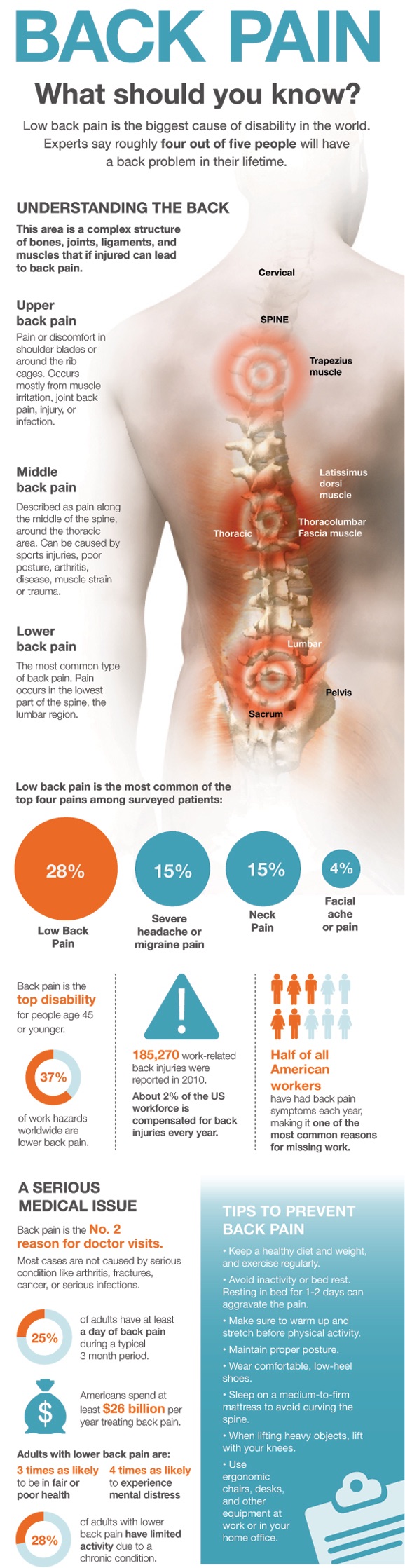
Research confirms massage alone won’t solve chronic back pain, but when strategically integrated, it becomes a powerful component of lasting relief. Implement this phased approach:
Phase 1 (Acute Pain – First 4 Weeks):
– 2 massage sessions weekly focusing on pain reduction
– Daily gentle movement (walking, cat-cow stretches)
– Pain tracking using 0-10 scale
Phase 2 (Sub-Acute – Weeks 5-8):
– Reduce to 1 massage weekly
– Add core stabilization exercises (bird-dog, dead bug)
– Introduce functional movement retraining
Phase 3 (Maintenance – Month 3+):
– Massage every 2-4 weeks as needed
– Daily movement routine (20+ minutes)
– Regular self-myofascial release techniques
When to Seek Additional Medical Intervention
Monitor these critical indicators that massage isn’t enough:
– Pain persists beyond 8 weeks despite consistent treatment
– Functional limitations worsen despite pain reduction
– Night pain prevents sleep (indicates possible serious pathology)
– Progressive leg weakness develops
If you’ve completed 8 weeks of combined massage and active rehabilitation without significant improvement, consult a spine specialist for advanced diagnostics. The evidence shows massage provides excellent symptom management but rarely addresses underlying structural issues requiring medical intervention.
Lower back pain massage delivers undeniable short-term relief for most sufferers, but its true power lies in strategic integration with active rehabilitation. By understanding the research-proven limitations and implementing the phased approach outlined here, you’ll transform massage from a temporary fix into a sustainable pain management tool. Remember: the most effective lower back pain massage isn’t just about what happens on the table—it’s about how you move afterward. Start tracking your pain and function daily, and within 4-6 weeks, you’ll know whether your current approach aligns with the evidence or needs adjustment. Your path to lasting relief begins with using massage as one component of a comprehensive strategy, not a standalone solution.