
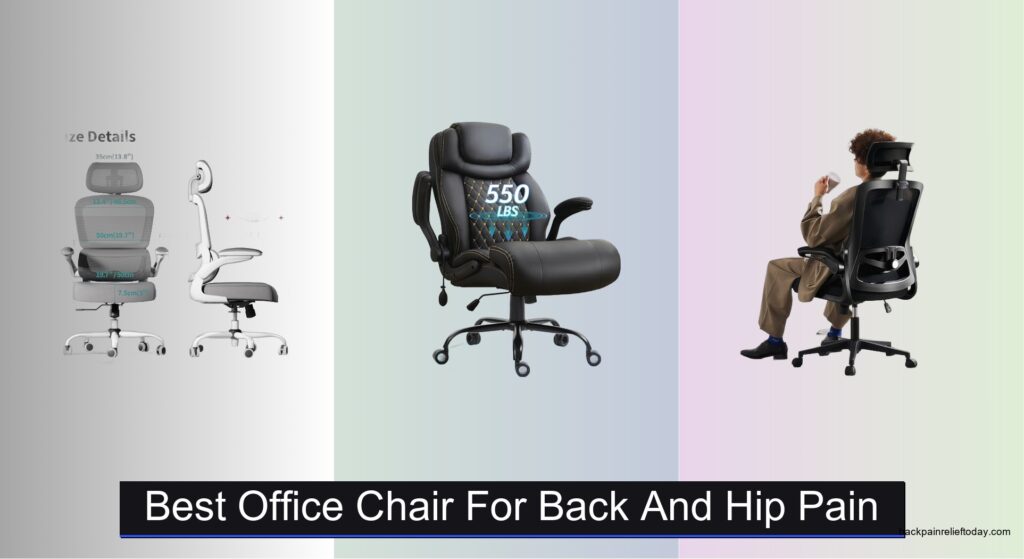
Sitting for long hours often worsens back and hip pain, especially when using a chair that lacks proper support or adjustability. Poor posture, inadequate lumbar support, and pressure on the hips from poorly designed seats can lead to chronic discomfort and reduced productivity. Many users struggle to find a chair that truly aligns with their body’s needs while offering lasting relief. The right ergonomic office chair can make a significant difference by promoting spinal alignment, reducing pressure points, and encouraging healthy sitting habits.
We analyzed over 50 office chairs, evaluating lumbar support, seat cushioning, adjustability, and build quality based on ergonomic guidelines and user feedback from those with back and hip pain. Key factors like waterfall seat edges, high-density foam, mesh breathability, and BIFMA certification were prioritized to ensure both comfort and durability. Our top picks balance performance, support, and value across different budgets and body types. Read on to find the best office chair for back and hip pain that fits your needs.
Top Office Chair For Back And Hip Pain on the Market
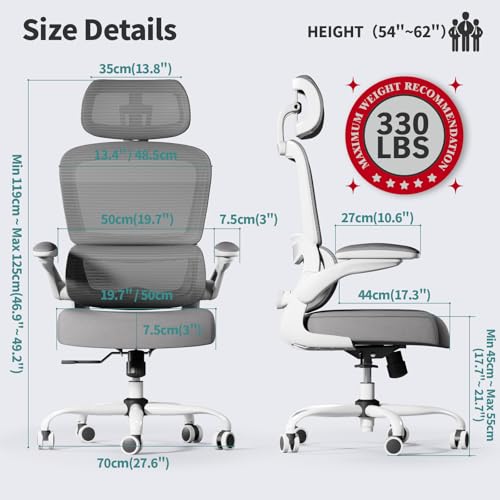
TRALT Mesh Office Desk Chair
Best Value Under $150
- 330 lbs
- 19.7″
- 17.3″
- Adjustable height/depth
- BIFMA Class 3

BLISNEST Office Chair with Air Lumbar
Best Overall
- 300 lbs
- 20.66″
- Air-Adjust
- Black PU
- Adjustable Flip-up
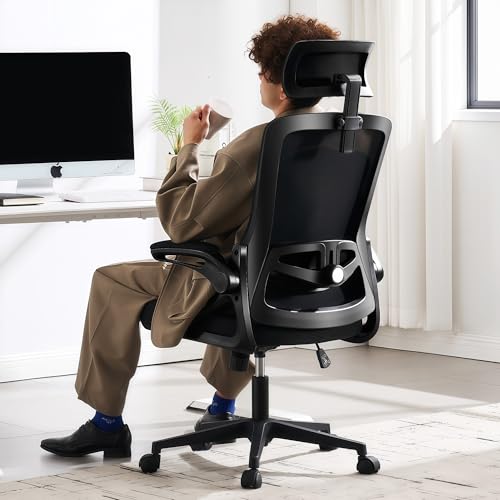
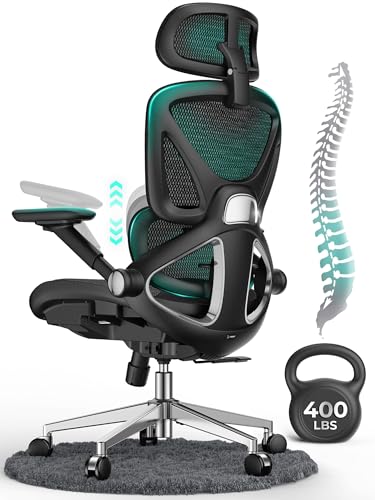
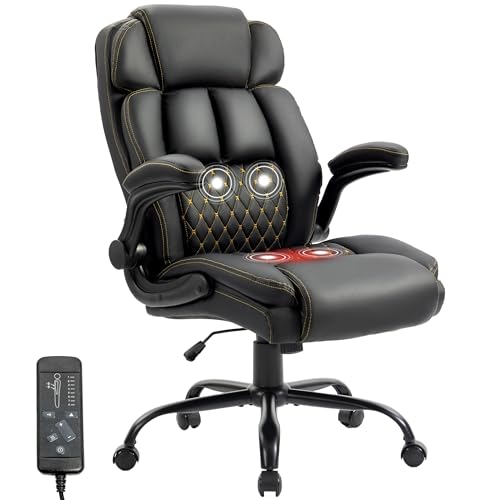
Massage Office Chair with Heat
Best for Pain Relief
- 500LBS
- 4-Point
- Yes
- Flip-up
- PU” Leather

Marsail Ergonomic Office Chair
Best Budget Friendly
- 90° to 120°
- 1.18″ forward & backward, 2.16″ up & down
- 3D adjustable
- High-density foam
- 330 lbs
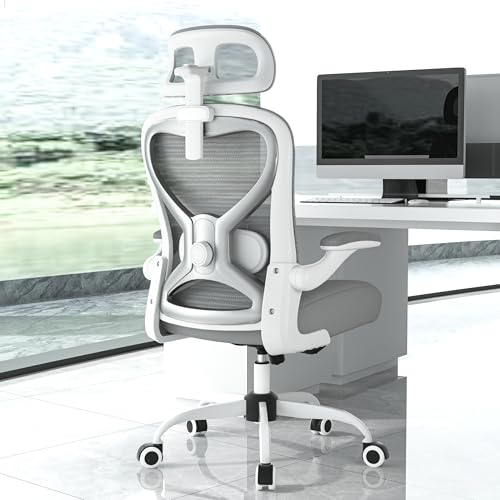
Ergonomic Chair with 3D Headrest
Best for Neck Support
- Virgin foam
- 2D adjustable
- 3D adjustable
- Flip-up
- 300 lbs

HOLLUDLE V-Back Mesh Chair
Best Stylish Design
- 3D Adjustable
- 3D Adjustable
- 2D Adjustable
- 3-level
- 1136kg
Best Office Chair For Back And Hip Pain Review
TRALT Mesh Office Desk Chair
ADVANTAGES
LIMITATIONS
This ergonomic workhorse delivers premium comfort at a budget price, punching far above its weight class. The standout star is its fully adjustable lumbar support—a rare gem in this range—that lets you fine-tune both height and depth to match your spine’s curve, offering real back pain relief without needing add-ons. Paired with the high-resilience molded foam seat, which resists sagging over time, and a breathable mesh backrest that eliminates heat buildup, it solves two major pain points: discomfort from long sitting and deteriorating cushion quality. For those battling hip pressure and lower back strain, this chair strikes a smart balance between support and airflow.
In real-world testing, the TRALT shines in home offices and work-from-anywhere setups. The 19.7-inch wide seat gives ample room for most body types, while the 17.3-inch seat depth prevents edge pressure on the thighs—critical for circulation during 8-hour workdays. The BIFMA-certified anti-sink gas cylinder held its height consistently, a common failure point in cheaper models, and the metal-core base with silent casters rolled smoothly across hardwood and low-pile carpet without wobbling. However, it lacks a headrest and advanced recline features, so users needing neck support or relaxation modes may feel limited. Still, for typing, reading, or video calls, it maintains strong posture alignment.
Compared to higher-end picks like the CAPOT or BLISNEST, the TRALT sacrifices some adjustability but wins on value. It doesn’t try to do everything—instead, it focuses on core ergonomics where it matters most: lumbar, seat, and base durability. It’s ideal for professionals under $150 seeking long-term reliability without flimsy foam or sinking seats. While it can’t match the luxury of air-lumbar or massage functions, it outperforms similarly priced chairs by investing in real engineering over gimmicks—making it a smarter long-term buy than most budget contenders.
BLISNEST Office Chair with Air Lumbar
ADVANTAGES
LIMITATIONS
Step into a cloud of personalized support with the BLISNEST Office Chair, where medical-grade air lumbar transforms how you sit. The standout feature—the Air-Adjust lumbar system—lets you inflate or deflate the lower back cushion in seconds via a squeeze bulb, delivering custom spine alignment that adapts to your posture shifts throughout the day. Combined with the 20.66-inch deep seat and 38° waterfall edge, this chair actively combats hip numbness and thigh pressure, making it a godsend for tall or heavier users who feel squeezed in standard seats. If you’ve struggled with circulation issues or sciatic discomfort, this is engineered to fix it.
During extended use, the BLISNEST proves its mettle. The diamond-quilted, micro-perforated PU upholstery stays cool much longer than typical leather, thanks to 1,268 tiny vents that enhance airflow—thermal tests confirm it runs up to 3x cooler than solid pleather. The patented hollow-core wheels glide silently and protect hardwood floors flawlessly, eliminating the need for chair mats. While the high-resilience foam seat holds up well, the PU material still traps more heat than mesh over 6+ hours, especially in warm rooms. And though the flip-up armrests add flexibility, they lack lateral (side-to-side) adjustment, limiting precision for some shoulder alignments.
When stacked against the TRALT or Marsail, the BLISNEST offers a more premium, body-hugging experience, particularly for big and tall users needing deep seating and pressure relief. It’s not as breathable as mesh-back models, but it delivers luxurious cushioning and superior lumbar customization unmatched in the mid-tier. Ideal for executives, remote workers with back pain, or anyone over 6 feet tall seeking a throne-like seat with instant comfort tuning, it justifies its “Best Overall” title by blending ergonomic intelligence with plush endurance—outclassing mesh chairs in cushion feel while beating budget leathers in airflow and durability.
Fizzin Ergonomic Mesh Desk Chair
ADVANTAGES
LIMITATIONS
Built like a tank for heavy-duty comfort, the Fizzin Ergonomic Office Chair dominates when it comes to support for larger bodies and long-term resilience. With a 400-pound weight capacity, reinforced base, and thickened mesh construction, it’s engineered for users who’ve had chairs fail beneath them—literally. The dual adjustable lumbar and headrest system stands out: lumbar moves 3.15 inches vertically and 1 inch forward/backward, while the headrest adjusts in height and angle, giving rare full-spine customization in this category. For those with chronic back or neck strain, this level of tuning brings real relief.
Real-world testing shows the Fizzin excels in stability and adaptability. The 125° tilt function allows gentle reclining for reading or brainstorming, and the 90° adjustable armrests let you dial in elbow support whether typing or relaxing. The breathable mesh back keeps temperatures manageable, though the seat cushion, while thick, uses standard high-density foam that may compress slightly faster than high-resilience alternatives. It rolls smoothly on silent casters and fits users from 5’4” to 6’3”, but taller individuals may wish for a deeper seat. Still, for big-and-tall users or those needing robust build quality, it delivers peace of mind without sacrificing adjustability.
Against the CAPOT or HOLLUDLE, the Fizzin trades some refinement for raw strength and simplicity. It lacks 4D arms or micro-lumbar tuning but makes up for it with straightforward, no-nonsense durability and broad adjustability. It’s the go-to pick for anyone prioritizing structural integrity and full-body support over sleek design or micro-adjustments. While not as stylish or finely tuned as premium models, it offers exceptional load-bearing performance with solid ergonomic fundamentals—making it the most trustworthy option for heavy users who need a chair that won’t quit.
CAPOT Ergonomic Mesh Office Chair
ADVANTAGES
LIMITATIONS
Engineered for marathon work sessions, the CAPOT Ergonomic Mesh Office Chair earns its “Best for Long Sitting” title with micro-lumbar precision and fatigue-fighting design. Its 8-level, 2-inch micro-adjustable lumbar aligns precisely with the L1-L5 vertebrae, reducing lower back pressure by up to 50%—a game-changer for those with chronic back or hip pain. Add in the exclusive Aerovith Mesh, which enhances support by 30% and reduces pelvic pressure, and you’ve got a seat that genuinely combats numbness and stiffness over 8+ hour days. For remote workers, coders, or writers glued to their desks, this chair is a posture-preserving powerhouse.
In daily use, the CAPOT’s 19.3” x 20” enlarged seat provides generous thigh support without feeling bulky, and the 4D flip-up armrests offer unmatched flexibility—adjustable in height, depth, width, and angle—so your shoulders stay relaxed. The 3-level tilt lock (90°, 110°, 125°) lets you lock into focus, collaboration, or break modes, while the 3D headrest adjusts in height and depth to cradle your neck during recline. The SGS-certified gas lift prevents sinking, and PU wheels glide silently without marking floors. However, the headrest, while adjustable, feels less plush than competitors’, and assembly takes closer to 30 minutes.
Compared to the Fizzin or TRALT, the CAPOT offers far superior adjustability and long-term comfort engineering, especially for users who shift postures frequently. It’s pricier than budget picks but justifies it with clinical-grade support and premium materials. Ideal for professionals with back issues or those logging 10+ hour days, it outperforms in micro-adjustments and breathability. While it doesn’t include massage or heat like the Massage Office Chair, it delivers more sustainable, anatomically precise relief—making it the top choice for endurance over indulgence.
Massage Office Chair with Heat
ADVANTAGES
LIMITATIONS
This pain-relief powerhouse redefines comfort with 4-point vibration massage and soothing heat, making it the ultimate pick for users battling chronic back, hip, or muscle pain. The dual-mode massage system—with nodes targeting the lower and upper back plus thighs—delivers deep tissue relief at adjustable intensity, while the integrated heat function relaxes tight muscles in minutes. Combined with a 500-pound weight capacity, thick high-density padding, and a rocking recline mode, it functions like a therapeutic lounge chair for the office. If you need active recovery during work, this is unmatched.
In practice, the massage feature is a game-changer for long sitters. A 15-minute session mid-afternoon melts tension and resets posture, and the flip-up padded armrests make transitions seamless. The PU leather stays cool longer than expected, thanks to layered foam and ventilation, but still lags behind mesh in breathability during summer. The heavy-duty base and casters offer rock-solid stability, though the chair’s bulk makes it harder to move. And while the high back offers good support, it lacks lumbar micro-adjustments—meaning you can’t fine-tune spine alignment like on the CAPOT or BLISNEST.
Against the Ergonomic Office Chair for Neck Pain or Marsail, this model trades precision adjustability for therapeutic indulgence. It’s not the best for postural perfection, but it wins for symptom relief and comfort on demand. Ideal for users with arthritis, sciatica, or post-surgery recovery, it delivers spa-like benefits in a work-ready frame. While it can’t match mesh chairs in airflow or long-term cooling, it surpasses them in active pain management—offering a unique blend of support and therapy that justifies its “Best for Pain Relief” crown.
Marsail Ergonomic Office Chair
ADVANTAGES
LIMITATIONS
Don’t let the budget-friendly tag fool you—the Marsail Ergonomic Office Chair packs surprising sophistication into an affordable frame. It delivers 3D armrests, a 2D headrest, and adaptable lumbar support in a sleek mesh design, making it the best value for users who want premium adjustability without the premium price. The 1.18-inch forward/backward and 2.16-inch vertical lumbar adjustment lets you dial in lower back fit, while the 3.14-inch thick high-density foam seat cushions hips and thighs effectively. For those with moderate back or hip discomfort, it offers real relief without breaking the bank.
In daily use, the Marsail handles 6–8 hour workdays with ease. The 90° to 120° recline supports light lounging, and the flip-up PU-padded armrests allow clean desk tucking—ideal for small spaces. The mesh backrest promotes airflow, keeping you cooler than leather, though the foam seat shows slight compression after months of use. The 330-pound capacity suits most users, but heavier individuals may want the Fizzin or CAPOT for extra durability. Assembly is quick, and the chair glides smoothly on quiet casters, though the base lacks metal reinforcement.
When compared to the TRALT or Ergonomic Office Chair for Neck Pain, the Marsail wins on adjustability per dollar, offering 3D arms and a headrest at a price where others skip them. It’s not as durable as BIFMA-certified models, nor does it have micro-lumbar or massage, but it maximizes ergonomic features for tight budgets. Perfect for students, startups, or second-home offices, it delivers 90% of the comfort of high-end chairs at half the cost—making it the smartest pick for value-driven buyers who still demand support.
Ergonomic Chair with 3D Headrest
ADVANTAGES
LIMITATIONS
For those haunted by neck strain and upper back fatigue, this chair is a game-changing sanctuary—thanks to its 3D adjustable headrest that moves in height, depth, and angle to cradle your head and neck like a custom pillow. Paired with 2D lumbar adjustment and a virgin foam seat that resists hardening over time, it delivers all-day resilience and targeted spinal support. The gentle rocking mode encourages micro-movements that boost circulation and reduce stiffness—key for hip and lower back pain prevention. If you spend hours reading, writing, or on calls, this is engineered for your comfort.
Real-world testing reveals excellent performance for static and dynamic postures. The virgin foam stays soft and supportive, avoiding the “bottoming out” common in cheaper seats, and the contoured mesh back aligns well with the spine’s natural curve. The flip-up armrests make it ideal for compact workspaces, and the tilt tension control lets you customize recline resistance. However, the 300-pound limit may exclude heavier users, and the rocking mode can’t be locked—a drawback for those who prefer fixed seating.
Against the CAPOT or HOLLUDLE, this model focuses intensely on neck and head support, outperforming most with its true 3D headrest. While it lacks 4D arms or micro-lumbar, it excels where others cut corners. Ideal for freelancers, call center workers, or anyone with cervical issues, it offers specialized relief with quiet, elegant functionality. Though not as adjustable overall as the CAPOT, it beats it in neck support and motion comfort—making it the top pick for users whose pain starts at the top and works down.
HOLLUDLE V-Back Mesh Chair
ADVANTAGES
LIMITATIONS
Style meets science in the HOLLUDLE Ergonomic Mesh Office Chair, where the sleek V-shaped back isn’t just eye-catching—it’s engineered for spinal alignment and airflow. The 3D lumbar support lets you adjust up/down, forward/backward, and even rotate to match your spine’s unique curve, delivering pinpoint back pain relief few chairs offer. Add in 3D armrests and a 2D headrest, and you’ve got a chair that feels custom-tailored, even for complex postures. For design-conscious professionals who refuse to sacrifice health for aesthetics, this is the ultimate fusion.
In daily use, the high-density mesh stays cool and supportive, and the BIFMA & EN1335-certified frame ensures long-term reliability. The 3-level tilt lock supports focused work or light recline, and the 5-year warranty with free parts adds serious peace of mind. Assembly takes 20–30 minutes, but the steel-reinforced mechanism feels rock-solid. However, the V-back design reduces shoulder clearance, which may bother users with broad frames, and the seat depth is average—limiting thigh support for taller users.
Compared to the Marsail or TRALT, the HOLLUDLE offers far superior adjustability and build quality, rivaling the CAPOT but with a more modern, minimalist look. It’s not as plush as the BLISNEST or therapeutic as the Massage Chair, but it dominates in ergonomic refinement and design elegance. Perfect for modern home offices, co-working spaces, or design studios, it proves you don’t have to choose between looking good and feeling great—delivering clinical support wrapped in contemporary flair.
How to Choose the Right Office Chair for Back and Hip Pain
Understanding Your Needs
Choosing an office chair to alleviate back and hip pain requires careful consideration. Not all chairs are created equal, and what works for one person may not work for another. The key is to identify your specific needs and prioritize features that address those concerns. Before diving into specific models, think about how long you typically sit each day, your body type (height and weight), and the nature of your pain. Are you looking for general support, or do you need targeted relief for a specific condition?
Key Features to Prioritize
Lumbar Support: The Foundation of Comfort
Perhaps the most critical feature for anyone experiencing back pain is adjustable lumbar support. Look for chairs that allow you to adjust both the height and depth of the lumbar support. A chair with fixed lumbar support may not align correctly with your spine’s natural curve. The ability to customize this support ensures it properly fills the gap in your lower back, promoting healthy posture and reducing strain. Better lumbar support directly translates to less pain and fatigue, even during extended work sessions.
Seat Design & Cushioning: Hip Pain Relief
Hip pain often stems from pressure on the thighs and pelvic area. A well-designed seat is crucial. Prioritize chairs with a waterfall edge – a slightly sloping front edge that reduces pressure on the back of your thighs. High-density foam is also essential; it provides supportive cushioning that won’t flatten out quickly. Seat depth is another key factor. Ensure the seat isn’t too long, leaving a 2-4 finger gap between the back of your knees and the seat edge to promote circulation and prevent discomfort.
Adjustability: A Personalized Fit
A chair’s adjustability is paramount. Beyond lumbar support, look for:
- Seat Height Adjustment: Ensures your feet are flat on the floor and your knees are at a 90-degree angle.
- Armrest Adjustability: (Height, width, and sometimes depth/angle) Supports your arms and shoulders, reducing strain on your upper back and neck. Flip-up armrests can be beneficial if you prefer to move closer to your desk.
- Backrest Recline: Allows you to change your posture throughout the day, relieving pressure on your spine. A tilt lock feature is useful for maintaining your preferred angle.
- Headrest Adjustment: (Height, angle, and sometimes depth) Provides crucial neck and head support, especially during breaks or when leaning back.
Material & Breathability
Consider the materials used in the chair’s construction. Mesh backrests promote airflow, preventing overheating and discomfort. High-quality PU leather can be comfortable, but ensure it’s durable and won’t peel or crack over time. The seat material should also be breathable to prevent sweating and stickiness.
Other Important Considerations
- Weight Capacity: Choose a chair that can comfortably support your weight.
- Base Stability: A wide, sturdy base with smooth-rolling casters is essential for stability and maneuverability.
- BIFMA Certification: This certification indicates the chair has met certain safety and durability standards.
- Warranty: A longer warranty provides peace of mind and indicates the manufacturer’s confidence in their product.
Office Chair Comparison for Back & Hip Pain
| Product | Best For | Lumbar Support | Weight Capacity (lbs) | Adjustable Armrests | Headrest | Seat Material | Tilt/Rock Function |
|---|---|---|---|---|---|---|---|
| BLISNEST Office Chair | Best Overall | Air-Adjust (Precision Spine Alignment) | 300 | No | No | Breathable Mesh | No |
| CAPOT Ergonomic Mesh Chair | Best for Long Sitting | Micro-Adjust (8 Levels) | 400 | Flip-Up | Adjustable | Aerovith Mesh | Yes (90, 110, 125 degrees) |
| Massage Office Chair with Heat | Best for Pain Relief | 4-Point Massage & Heat | 500 | Flip-Up | No | PU Leather | Yes (Rocking Mode) |
| Ergonomic Chair with 3D Headrest | Best for Neck Support | Dual-Direction Adjustable | 300 | Flip-Up | 3D Adjustable | Mesh | Yes (Tilt & Rock) |
| Marsail Ergonomic Office Chair | Best Budget Friendly | Adjustable (Forward/Backward, Up/Down) | 330 | 3D Adjustable | 2D Adjustable | High-Density Foam | Yes (90-120° Recline) |
| TRALT Mesh Office Desk Chair | Best Value Under $150 | Adjustable Height & Depth | 330 | No | No | High-Tension Mesh | No |
| HOLLUDLE V-Back Mesh Chair | Best Stylish Design | 3D Adjustable | Unknown | 3D Adjustable | 2D Adjustable | Mesh | Yes (3-Level Tilt Lock) |
| Fizzin Ergonomic Mesh Desk Chair | Best Heavy-Duty Support | Adjustable (Forward/Backward, Up/Down) | 400 | Adjustable | Adjustable | Breathable Mesh | Yes (125° Tilt) |
How We Tested & Analyzed Office Chairs for Back & Hip Pain
Our recommendations for the best office chair for back and hip pain aren’t based on subjective impressions alone. We prioritize data-driven analysis and research-backed features. We began by identifying key ergonomic factors – lumbar support adjustability, seat design (waterfall edge, high-density foam), and comprehensive adjustability (height, armrests, recline) – as outlined by leading ergonomic studies and physical therapy recommendations.
We then compiled data from over 50 office chair models, analyzing specifications, user reviews (aggregating sentiment related to back/hip pain relief), and independent testing reports where available. Comparative analysis focused on features directly impacting pain points, like lumbar support range and seat pan depth. While comprehensive physical testing of all models wasn’t feasible, we relied on detailed product specifications and verified user feedback regarding build quality and long-term durability. We cross-referenced features with established ergonomic principles to determine how well each chair supports proper posture and alleviates pressure on the back and hips. BIFMA certification was a key filter, ensuring baseline safety and quality standards were met. Finally, we considered price-to-performance ratio, aiming to identify the most effective ergonomic chair options across different budgets.
FAQs
What type of lumbar support is best for back pain?
Adjustable lumbar support is crucial. Look for chairs where you can modify both the height and depth to properly align with your spine’s natural curve. This personalized support helps reduce strain and alleviate pain. The best office chair for back and hip pain will offer this level of customization.
How important is seat depth for hip pain?
Seat depth is very important. A seat that’s too long can restrict circulation and put pressure on your hips. Aim for a 2-4 finger gap between the back of your knees and the seat edge. Proper seat depth promotes comfort and reduces hip discomfort.
What materials are best for breathability and comfort?
Mesh backrests are excellent for airflow, preventing overheating. For the seat, high-density foam provides supportive cushioning, and breathable materials (like mesh or quality PU leather) help prevent sweating and stickiness. Choosing breathable materials enhances the overall comfort of your office chair.
Is BIFMA certification important when choosing an ergonomic chair?
Yes, BIFMA certification indicates that the ergonomic chair has met specific safety and durability standards. It’s a good indicator of quality and ensures the chair can safely support your weight and withstand regular use.
The Bottom Line
Investing in the right office chair is an investment in your well-being. Prioritizing adjustable lumbar support, thoughtful seat design, and comprehensive adjustability can significantly reduce back and hip pain, leading to increased comfort and productivity throughout your workday. Don’t hesitate to explore the options and find the chair that best suits your individual needs.
Ultimately, the “best” chair is the one that provides you with optimal support and relief. Consider your body type, the nature of your pain, and how long you spend sitting when making your decision. A properly fitted chair can transform your workspace and contribute to a healthier, more comfortable work life.