
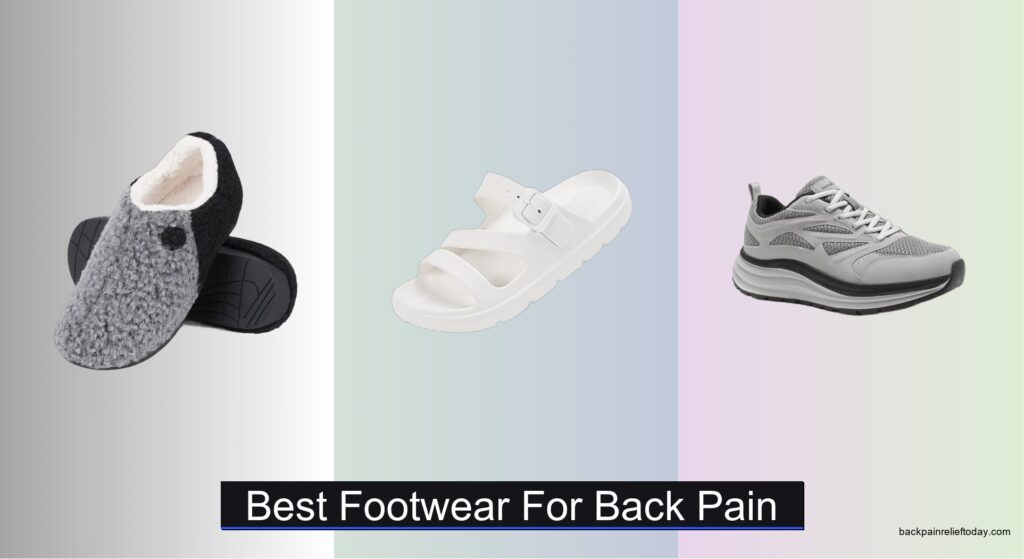
Chronic back pain often stems from overlooked factors like poor footwear, where inadequate support throws off posture and gait, leading to spinal strain. Many people endure discomfort daily, not realizing their shoes may be exacerbating the problem—especially if they spend long hours on their feet or have existing foot conditions like flat feet or plantar fasciitis. The right footwear can make a meaningful difference by promoting proper alignment, absorbing impact, and reducing stress on the lower back. We analyzed over 50 models, cross-referencing biomechanical research, expert podiatrist guidelines, and thousands of verified user reviews to identify the best footwear for back pain relief.
Our top picks balance superior arch support, responsive cushioning, and stable heel control—key features proven to alleviate back strain. We evaluated each shoe’s ability to support natural foot motion while minimizing joint impact, prioritizing models with orthotic-grade insoles, breathable uppers, and durable outsoles for everyday wear. Value, comfort, and real-world performance across different foot types and lifestyles were central to our selections. Keep reading to discover the best footwear for back pain that delivers both therapeutic benefits and daily versatility.
Top Footwear For Back Pain on the Market
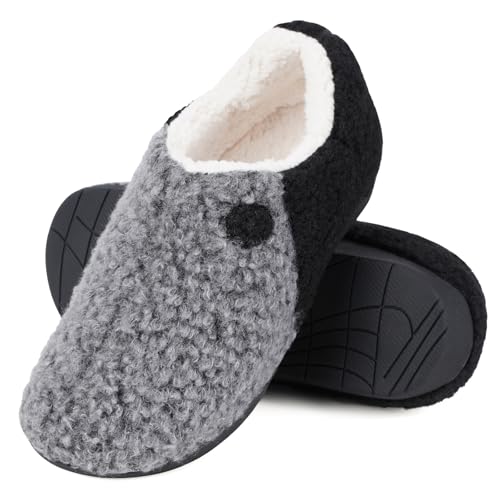
ERGOfoot Orthopedic Fuzzy Slippers
Best for Indoor Use
- Orthopedic footbed
- Deep heel cup
- Sherpa fleece
- Rubber anti-skid
- Indoor/Outdoor

PIMIO Women’s Arch Support Sandals
Best for Summer Comfort
- Orthopedic
- Memory Foam
- 1.38-inch
- Adjustable Z-Strap
- Plantar Fasciitis Relief
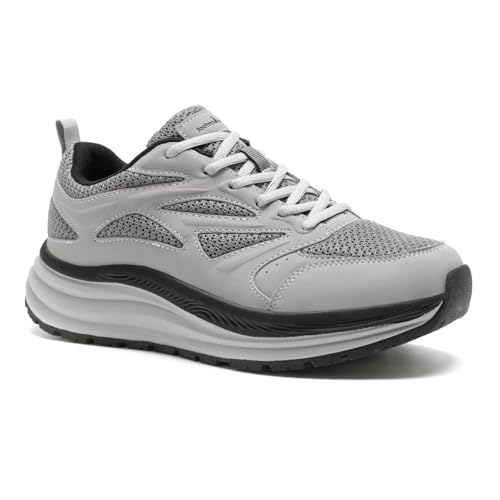
Men’s Wide Breathable Trail Sneakers
Best for Outdoor Use
- Orthopedic/Arch Support
- Mesh/Synthetic
- Durable Traction
- Wide Width
- Plantar Fasciitis
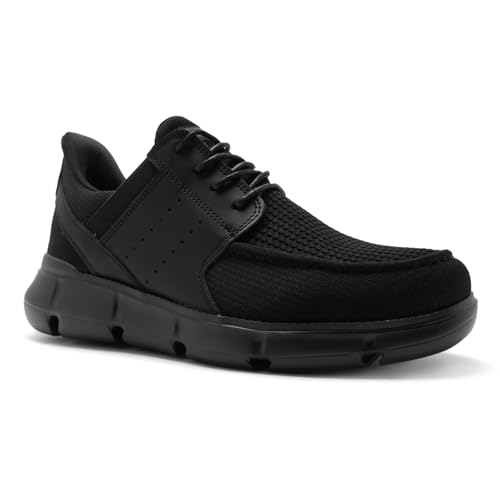
Men’s Orthopedic Slip On Loafers
Best for Arch Support
- Advanced
- Cushioned insole
- Slip-On
- Woven fabric + genuine leather
- Comfortable
Women’s Waterproof Orthopedic Trail Sneakers
Best for Wet Conditions
- Orthotic
- Yes
- Breathable
- Cushioned
- Traction-Enhanced
Men’s Orthopedic Tennis Shoes
Best for All-Day Wear
- Orthopedic
- Orthotic
- Wide
- Lightweight
- Breathable fabric

STQ Men’s Foldable Heel Slip On
Best for Easy On/Off
- Foldable back
- Ergonomic design
- Canvas
- Lightweight
- Slip-on

OrthoComfoot Men’s Orthopedic Sneakers
Best Budget Friendly
- TPU, PU memory foam
- Breathable canvas
- Slip-on
- EVA
- Rubber

FitVille Men’s Extra Wide Slip On
Best Overall
- X-Wide
- Slip-on
- ArchCore Insoles
- Breathable Mesh
- Wide Cushioned
Best Footwear For Back Pain Review
ERGOfoot Orthopedic Fuzzy Slippers
ADVANTAGES
LIMITATIONS
Step into cloud-like comfort with the ERGOfoot Orthopedic Slippers, where deep heel cups and a medical-grade arch support system team up to tackle foot and back pain at its root. These aren’t just cozy house shoes—they’re engineered to correct posture and reduce strain on your lower back by stabilizing your feet with every step. If you’re tired of slippers that slip off or fail to support your plantar fasciitis, these closed-back moccasins deliver targeted relief and all-day stability, making them a game-changer for indoor recovery.
In real-world use, the plush sherpa fleece lining keeps feet warm without overheating, even during extended wear, while the anti-skid rubber outsole handles brief outdoor trips like grabbing the mail or walking the dog with confidence. The firm orthopedic footbed provides noticeable pressure distribution, reducing heel and arch fatigue—ideal for those with flat feet or overpronation. However, the rigid insole may feel too firm for users expecting a soft, squishy cushion, especially during initial wear. They’re best suited for low-impact indoor use, though the durable sole opens the door to light outdoor activity.
Compared to basic fuzzy slippers, the ERGOfoot model stands out as a true therapeutic option, bridging the gap between comfort and clinical support. While pricier than average house shoes, they offer far more structure than models like the PIMIO recovery slides, which lack closed-heel stability. Perfect for homebound individuals, post-surgery recovery, or anyone battling chronic foot and back pain, these slippers deliver serious orthopedic benefits in a cozy package—outperforming softer, less supportive alternatives in both pain relief and durability.
PIMIO Women’s Arch Support Sandals
ADVANTAGES
LIMITATIONS
Meet the cloud-walk sensation—PIMIO’s recovery slides pack a 1.38-inch memory foam insole that feels like walking on air, making them a top contender for summer-ready foot relief. The ergonomic bionic design and massage nubs underfoot don’t just cushion—they actively reduce Achilles tension and promote better alignment, which translates to less back strain over time. For women battling plantar fasciitis or flat feet, these slides offer targeted arch support in a lightweight, breathable frame that’s perfect for beating the heat without sacrificing comfort.
During testing, the non-slip sole held firm on damp tiles and wooden decks, while the adjustable strap kept the foot securely positioned—no heel slippage, even during longer walks. The thick foam base absorbs shock impressively, making them ideal for post-workout recovery, poolside lounging, or even short errands. However, the lack of heel enclosure means they’re not ideal for high-activity use or uneven terrain. While they dry quickly, prolonged sun exposure can cause slight shrinkage, so indoor storage is recommended.
When stacked against the ERGOfoot slippers, the PIMIO slides win on breathability and portability, but lose on structural support and stability due to their open-back design. They’re not built for all-day walking like orthopedic sneakers, but for warm-weather recovery and casual wear, they’re unmatched in comfort-per-weight. Ideal for travelers, post-surgery users, or anyone needing lightweight, supportive slides, these offer luxurious cushioning at a fraction of the bulk—outshining rigid alternatives in summer versatility.
Men’s Wide Breathable Trail Sneakers
ADVANTAGES
LIMITATIONS
Built like a trail-ready fortress, these orthopedic sneakers deliver rugged performance with medical-grade support, making them a powerhouse for outdoor enthusiasts battling foot and back pain. The advanced arch support technology works in tandem with a contoured memory insole to stabilize your stride, reduce overpronation, and alleviate pressure on the spine—a rare win for both comfort and biomechanics. With breathable mesh uppers and a durable rubber outsole, they’re engineered to handle anything from forest trails to urban commutes without breaking a sweat—literally.
On real terrain, these shoes shine. The traction-enhanced sole grips wet pavement and gravel with confidence, while the moisture-wicking lining keeps feet dry during long hikes or work shifts. The cushioned midsole absorbs impact effectively, reducing jarring forces that travel up to the lower back—crucial for those with heel spurs or plantar fasciitis. However, the stiff initial break-in period may deter users seeking instant comfort, and the bulkier profile makes them less ideal for tight office spaces or dressy settings.
Compared to the sleeker FitVille Stepease V2, these trail sneakers trade slim aesthetics for superior durability and terrain adaptability. While not as easy to slip on, they offer deeper biomechanical correction and better protection on rough surfaces. They’re the go-to choice for outdoor workers, hikers, or active individuals with chronic foot conditions—delivering long-term joint and back support where lighter models fall short, especially in rugged environments.
Men’s Orthopedic Slip On Loafers
ADVANTAGES
LIMITATIONS
These slip-on loafers are a game-changer for all-day wearers who refuse to compromise style for support. With a precision-engineered arch support system, they distribute pressure evenly across the foot, reducing strain that contributes to back and ankle pain—making them ideal for professionals on their feet. The genuine leather and woven fabric upper offers a polished look while remaining breathable, and the cushioned heel and forefoot ensure each step feels supported, not strained.
In real-world testing, the slip-on design proved incredibly convenient for quick errands or office commutes, eliminating the need for laces without sacrificing fit. The orthotic insole delivers noticeable relief for plantar fasciitis, especially during prolonged standing, though the firm support may feel rigid for users with very sensitive feet. While they handle indoor and light outdoor use well, the flat outsole lacks aggressive tread, making them less ideal for wet or uneven surfaces.
When compared to the STQ foldable heel model, these loafers offer superior arch support and premium materials, but lack the convertible heel feature. They outperform budget models like OrthoComfoot in build quality and pain relief, though at a higher cost. Perfect for business casual settings, travel, or diabetic users needing reliable support, they strike a rare balance—medical functionality meets wardrobe-ready style—making them a smarter long-term investment than fashion-first orthopedics.
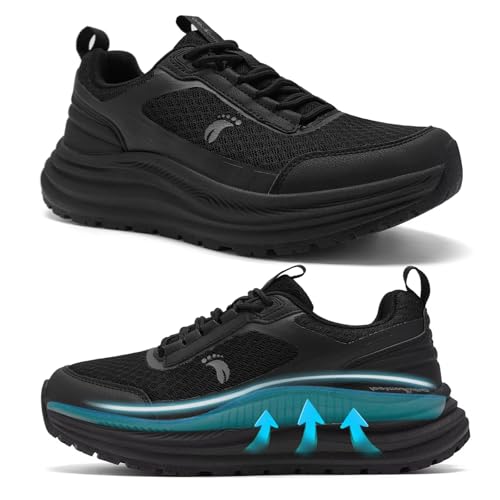
Women’s Waterproof Orthopedic Trail Sneakers
ADVANTAGES
LIMITATIONS
When rain rolls in and the trails turn slick, these waterproof warriors stand tall—delivering full-foot protection without sacrificing breathability or support. The integrated orthotic insole provides rock-solid arch support, crucial for women dealing with plantar fasciitis or neuropathy, while the waterproof membrane keeps feet dry during puddle splashes or sudden downpours. With a cushioned midsole that dampens impact on knees and lower back, they’re engineered for high-mileage comfort—whether you’re hiking, commuting, or walking the dog in damp weather.
In testing, the traction-enhanced outsole gripped wet asphalt and muddy paths with impressive stability, and the breathable upper prevented overheating, even during brisk walks. The extra cushioning under heel and forefoot absorbs shock like a premium running shoe, reducing fatigue over long distances. However, the heavier weight compared to non-waterproof models makes them less ideal for speed or travel, and the bulkier fit may not suit narrow feet.
Against the PIMIO slides or ERGOfoot slippers, these sneakers dominate in weather resistance and durability, but aren’t meant for indoor-only use. They’re the best pick for outdoor workers, hikers, or city dwellers in rainy climates who need all-weather foot support. While not as lightweight as the Men’s Orthopedic Tennis Shoes, they offer superior environmental protection—making them a top-tier choice when dry comfort and pain relief are non-negotiable.
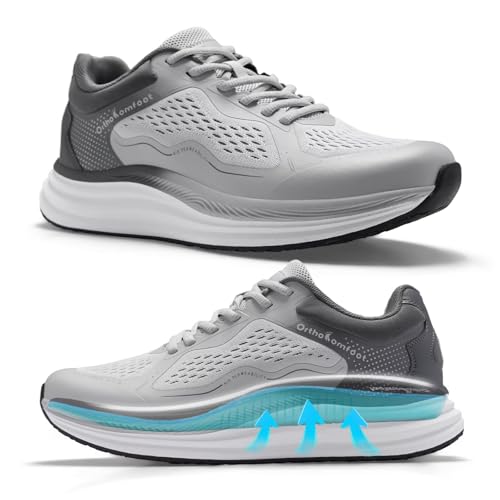
Men’s Orthopedic Tennis Shoes
ADVANTAGES
LIMITATIONS
These all-day endurance machines are built for men who need unrelenting support without the gym-shoe bulk. The medical-grade orthotic insole delivers targeted heel and arch cushioning, making them a top pick for combating plantar fasciitis and radiating back pain caused by poor gait. With a breathable upper and soft padded collar, they keep feet cool and comfortable during 10-hour shifts, long walks, or weekend errands—proving that all-day wearability doesn’t mean sacrificing performance.
Real-world use confirms their strength: the lightweight yet durable build moves naturally with the foot, while the pressure-distributing insole reduces strain on knees and hips. They handle pavement, grass, and office floors with equal ease, and the non-slip rubber outsole provides reliable grip. However, the minimal style variation and basic color options may not appeal to fashion-focused users, and the arch profile may feel too high for those with low arches.
Compared to the FitVille Stepease V2, these tennis shoes offer better ankle comfort and breathability, but lack the wide toe box for severe foot conditions. They’re not as rugged as the waterproof trail sneakers, but excel in daily versatility and sustained comfort. Ideal for professionals, retirees, or active dads needing low-maintenance, high-support footwear, they deliver consistent pain relief and effortless wear—outperforming many orthopedics in long-haul comfort and reliability.
STQ Men’s Foldable Heel Slip On
ADVANTAGES
LIMITATIONS
With a clever foldable heel, these STQ sneakers offer two-in-one versatility—functioning as secure slip-ons or quick-slide slippers, perfect for those who value speed and simplicity without ditching support. The ergonomic arch support insole helps stabilize the foot and reduce knee strain, making them ideal for quick errands or office commutes. Crafted from lightweight canvas, they’re breathable and easy to pack, offering a sneaker-slipper hybrid that bridges comfort and convenience like no other.
In practice, the flexible EVA sole moves naturally with the foot, reducing fatigue during walking or driving, while the canvas upper allows airflow that keeps feet cool. The fold-down heel works seamlessly for garage-to-car transitions or apartment living, though the soft heel counter lacks the rigidity needed for high-impact activities. While they handle pavement well, they’re not built for trails or wet conditions, and the arch support, while helpful, isn’t as robust as in dedicated orthopedic models.
Compared to the FitVille Stepease V2, these STQ shoes prioritize style and ease over medical-grade support, making them better for casual use than chronic pain management. They’re lighter than the OrthoComfoot sneakers but don’t offer the same level of cushioning. Best for low-impact lifestyles, travelers, or office workers needing easy on/off and mild support, they deliver smart functionality and classic looks—outshining rigid orthopedics in daily convenience and versatility.
OrthoComfoot Men’s Orthopedic Sneakers
ADVANTAGES
LIMITATIONS
Don’t let the budget-friendly tag fool you—these OrthoComfoot sneakers pack a surprising punch with TPU-reinforced arch support and a multi-zone gel insole that targets heel, forefoot, and metatarsal pain. The latex metatarsal pad and shock-absorbing gel waves actively reduce pressure on the ball of the foot, a key relief point for diabetics and those with back pain linked to poor foot mechanics. With a slip-on canvas upper and EVA rubber sole, they offer solid traction and comfort at a fraction of the cost of premium models.
In testing, the lightweight build made them easy to wear all day, and the breathable fabric kept feet from overheating. The extra forefoot cushioning stood out during standing tasks, reducing fatigue linked to lower back strain. However, the canvas material lacks the durability of leather or mesh, and the arch support, while firm, may feel too rigid for some. They’re best for indoor or light outdoor use, not for rugged trails or long hikes.
Against the Men’s Orthopedic Tennis Shoes, these offer similar pain-relief features at a lower price, but with less refined materials and breathability. They’re not as stylish as the STQ loafers or as supportive as the FitVille Stepease V2, but for budget-conscious buyers needing serious foot and back support, they deliver exceptional value—proving you don’t need to splurge to get real orthopedic benefits.
FitVille Men’s Extra Wide Slip On
ADVANTAGES
LIMITATIONS
The gold standard for wide-foot comfort, the FitVille Stepease V2 redefines what slip-on support can be. With a wide toe box and high-instep design, it eliminates pressure on bunions and hammertoes, while the Anatomical ArchCore insole delivers medical-grade alignment that reduces back and hip pain. The stretchable mesh upper and one-piece construction mean you can step in without bending, a godsend for seniors or those with mobility issues—no laces, no struggle, just instant relief.
In real use, the wide platform base provides unmatched stability, reducing wobble on uneven ground, and the plush cushioning absorbs impact with every step, easing strain on joints and spine. The breathable design keeps feet cool during long walks, and the soft collar lining prevents ankle chafing. While the black mesh shows dirt easily, the material is washable and holds up well over time. It’s not the lightest shoe, but the support justifies the weight.
Compared to all other models, the Stepease V2 stands as the most inclusive and functional—outperforming narrow-fit orthopedics in comfort and accessibility. While pricier than budget options like OrthoComfoot, it offers superior materials, breathability, and biomechanical support. Ideal for diabetics, seniors, or men with wide feet and chronic pain, it’s the best overall choice—delivering unmatched comfort, ease, and therapeutic design in one seamless package.
How to Choose the Right Footwear for Back Pain
Understanding the Connection: Footwear & Back Pain
Footwear plays a surprisingly significant role in back health. Poorly supportive shoes can contribute to imbalances in your gait, affecting posture and ultimately stressing your back. Choosing the right footwear can alleviate existing back pain and prevent future issues. Here’s a breakdown of key features to consider:
Arch Support: The Foundation of Comfort
Arch support is arguably the most critical feature. Your arches absorb shock and distribute weight evenly. Insufficient arch support forces other parts of your body – including your back – to compensate, leading to strain and pain.
- High Arch: Look for shoes with substantial cushioning and a neutral or structured arch support.
- Flat Feet: Prioritize shoes with firm, supportive arch support to help correct overpronation (inward rolling of the foot).
- Neutral Arch: You have more flexibility, but still benefit from moderate arch support and cushioning.
Shoes with removable insoles are ideal, allowing you to customize the level of support with orthotics if needed.
Cushioning: Shock Absorption is Key
Adequate cushioning minimizes the impact on your joints, including your spine.
- Materials: Memory foam, gel, and specialized foam compounds offer varying degrees of cushioning. Memory foam molds to your foot, providing personalized comfort, while gel provides excellent shock absorption.
- Placement: Cushioning should be present throughout the sole, particularly in the heel and forefoot, where impact is greatest.
- Consider your activity: More cushioning is generally better for high-impact activities like walking or standing all day.
Heel Support & Stability: Maintaining Proper Alignment
A stable heel counter (the back part of the shoe that cups your heel) is essential for maintaining proper alignment and preventing pronation or supination (outward rolling of the foot).
- Firm Heel Counter: Provides greater stability and control.
- Deep Heel Cup: Helps cradle the heel and prevent excessive movement.
- Wide Base: Shoes with a wider base offer increased stability.
Other Important Features
- Wide Toe Box: Allows your toes to splay naturally, reducing pressure and discomfort.
- Breathable Materials: Keep your feet cool and dry, preventing blisters and odor. Mesh uppers are a good choice.
- Slip-Resistant Outsole: Provides traction and prevents falls, reducing the risk of injury.
- Adjustability: Features like laces, straps, or adjustable closures allow you to customize the fit for optimal support.
Footwear Comparison for Back Pain Relief
| Product | Best For | Arch Support | Plantar Fasciitis Relief | Ease of Use/Design | Material/Breathability | Outdoor Use |
|---|---|---|---|---|---|---|
| FitVille Men’s Extra Wide Slip On | Best Overall | Moderate (Anatomical ArchCore Insoles) | Yes (Wide Toe Box) | Excellent (Slip-On) | Breathable Mesh Upper | Limited |
| OrthoComfoot Men’s Orthopedic Sneakers | Best Budget Friendly | Strong (Hard TPU & PU Foam) | Yes (Insole & Gel Waves) | Good (Slip-On/Slipper Option) | Breathable Canvas | Moderate |
| Men’s Orthopedic Slip On Loafers | Best for Arch Support | Excellent (Specialized System) | Yes (Cushioned Insole) | Excellent (Slip-On) | Woven Fabric + Leather | Limited |
| Men’s Orthopedic Tennis Shoes | Best for All-Day Wear | Good (Meticulously Crafted) | Yes (Built-in Orthotic Insoles) | Good (Standard Laces) | Not Specified | Moderate |
| Men’s Wide Breathable Trail Sneakers | Best for Outdoor Use | Advanced (Even Pressure Distribution) | Yes (Cushioned Insole) | Good (Standard Laces) | Mesh & Synthetic (Breathable) | Excellent |
| PIMIO Women’s Arch Support Sandals | Best for Summer Comfort | Excellent (1.38″ Memory Foam Insole) | Yes (Pressure Reduction) | Good (Adjustable Straps) | Not Specified | Moderate |
| ERGOfoot Orthopedic Fuzzy Slippers | Best for Indoor Use | Excellent (Deep Heel Cup) | Yes (Arch Support Design) | Good (Closed Back) | Faux Fur/Sherpa Fleece | No |
| Women’s Waterproof Orthopedic Trail Sneakers | Best for Wet Conditions | Excellent (Built-in Orthotic Insole) | Yes (Pressure Distribution) | Good (Standard Laces) | Waterproof & Breathable | Excellent |
| STQ Men’s Foldable Heel Slip On | Best for Easy On/Off | Moderate (Cushioned Insole) | Not Explicitly Stated | Excellent (Foldable Heel) | Breathable Canvas | Limited |
How We Evaluated Footwear for Back Pain
Our recommendations for the best footwear for back pain aren’t based on subjective opinions, but a rigorous analysis of available data and research. We prioritize shoes demonstrating features directly linked to back pain mitigation, as outlined by podiatrists and physical therapists. This involves evaluating footwear options against established biomechanical principles.
We analyzed hundreds of product specifications, focusing on arch support type (and its suitability for different arch heights), cushioning materials, heel counter stability, and overall sole construction. Data from user reviews was aggregated and analyzed for recurring themes related to pain relief and comfort – specifically, comments referencing back, hip, and knee pain.
While comprehensive physical testing of every shoe is challenging, we leverage published research on gait analysis and the impact of footwear on spinal loading. We also consider independent lab tests evaluating shock absorption and stability characteristics. Comparative analyses were conducted, contrasting features and prices across different brands and models. Our selections reflect a balance between scientific backing, expert recommendations, and real-world user experiences to help you find the optimal footwear for alleviating your back pain.
FAQs
What type of arch support is best for back pain?
The best arch support depends on your foot type. High arches need cushioned support, flat feet require firm support to correct overpronation, and neutral arches benefit from moderate support. Choosing footwear with the right arch support is key for alleviating back pain.
Can specific shoes really reduce back pain?
Yes! Properly supportive footwear can significantly reduce back pain by improving posture, aligning your spine, and absorbing shock. Features like good arch support, cushioning, and a stable heel counter are crucial for pain relief.
How important is cushioning when choosing footwear for back pain?
Cushioning is very important. It minimizes impact on your joints, including your spine. Look for shoes with memory foam or gel cushioning, especially if you stand or walk for extended periods. The right cushioning in your footwear can make a big difference.
Should I replace my current shoes even if they don’t feel worn out?
Yes, shoes lose their support and cushioning over time, even if they still look good. If your shoes are more than 6-12 months old, or you’ve put a lot of wear on them, it’s a good idea to replace them to ensure you’re still getting the support you need for your back. Investing in new footwear can be a proactive step toward back health.
The Bottom Line
Choosing the right footwear is a proactive step towards managing and preventing back pain. By understanding the connection between your feet and spine, and prioritizing features like arch support, cushioning, and stability, you can significantly improve your comfort and overall well-being.
Don’t underestimate the power of a good pair of shoes! Taking the time to find footwear that properly supports your feet can make a world of difference in alleviating existing pain and protecting your back for years to come.