
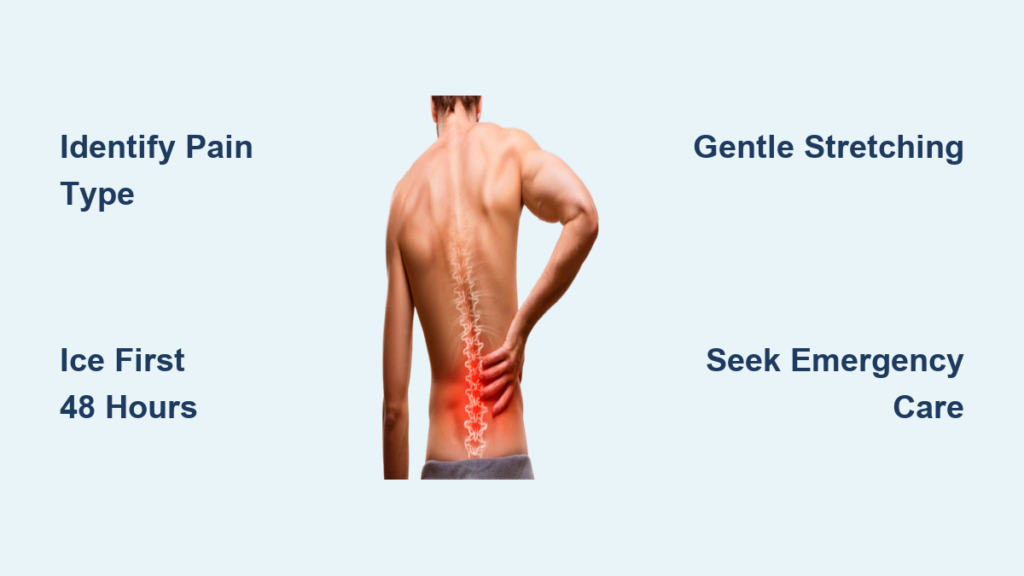
That sharp twinge in your lower right back just flared up again. Whether it’s a dull ache that won’t quit or a stabbing sensation that stops you mid-stride, lower right back pain affects your entire day. The good news? Most cases resolve quickly with the right approach, and understanding your specific pain pattern is the first step toward lasting relief. Approximately 80% of people in the United States experience back pain at some point in their lifetime, making this a common but manageable issue.
This guide walks you through proven treatment strategies, from immediate pain relief to long-term prevention. You’ll learn when to treat at home, when to call your doctor, and exactly what steps to take based on your symptoms. Whether your pain stems from a muscle strain or something more complex, knowing how to treat lower right back pain effectively can get you back to your daily activities faster.
Identify Your Pain Type First
Before reaching for pain relievers, determine what’s causing your lower right back pain. The location alone doesn’t reveal the source—your nerves connect your back to organs throughout your body, creating complex pain patterns. This interconnected nature means pain from organs like the kidneys can manifest as back discomfort, making accurate identification crucial for effective treatment.
Sharp, Sudden Pain Patterns
Sudden stabbing pain often indicates muscle strain or ligament injury. This typically occurs after lifting, twisting, or sudden movements. The pain may worsen with specific positions but improve with rest. Mechanical problems involving ligaments, spine structures, tendons, muscles, and soft tissues frequently cause this type of acute pain. When you experience this sharp sensation, consider recent activities that might have triggered it.
Dull, Persistent Aches
Ongoing discomfort suggests different causes. Kidney issues, degenerative conditions, or even referred pain from organs can create this pattern. Pay attention to accompanying symptoms like urinary changes or fatigue. The appendix is specifically noted as a potential source where problems might manifest as back pain rather than typical abdominal pain. During pregnancy, lower back pain on either side is very common and normal, particularly in early stages.
Pain That Radiates
If your pain spreads toward your side, groin, or down your leg, this indicates nerve involvement. Kidney stones often cause this pattern, as do certain spinal conditions. The nerves associated with the kidneys connect to nerves attached to back ligaments and tissues, creating pathways for referred pain. This radiation pattern helps distinguish between muscular issues and problems originating from internal organs.
Emergency Warning Signs to Know

Certain symptoms require immediate medical attention. Don’t wait—these signs indicate serious conditions that need urgent care. Lower right back pain spans a spectrum from minor sprains treatable with ice and time to serious conditions like spinal tumors, making recognition of warning signs essential.
Red Flag Symptoms
Seek emergency care if you experience:
– Severe pain preventing normal activities
– Fever above 101°F with back pain
– Loss of bladder or bowel control
– Numbness or weakness in legs
– Blood in urine or stool
– Nausea and vomiting with back pain
These symptoms could indicate serious conditions requiring immediate intervention. Untreated pain from kidney or liver problems can result in permanent organ damage, underscoring why timely medical evaluation matters.
When to Call Your Doctor
Contact your healthcare provider within 24 hours for:
– Pain lasting more than three days without improvement
– Painful urination or changes in urine color/odor
– Unexplained weight loss with back pain
– Pain disrupting sleep consistently
Your healthcare provider will conduct comprehensive interviews focusing on symptom severity, duration, and associated symptoms. They’ll assess whether your pain stems from mechanical issues or underlying conditions requiring specialized care.
At-Home Treatment That Works
Most lower right back pain responds well to simple home treatments. Start with these proven strategies for the first 48-72 hours. For acute injuries like sprains, rest and ice application provide immediate relief while reducing inflammation.
Ice and Heat Protocol
First 48 hours: Apply ice packs for 15-20 minutes every 2-3 hours. Wrap ice in a thin towel to prevent skin damage. This reduces inflammation and numbs pain. Ice therapy works particularly well for recent injuries or sudden onset pain.
After 48 hours: Switch to heat therapy. Use a heating pad or warm bath for 15-20 minutes. Heat increases blood flow and relaxes tight muscles. For chronic conditions or persistent aches, heat therapy often provides better relief than cold treatments.
Rest Without Immobility
Avoid complete bed rest—it weakens muscles and prolongs recovery. Instead:
– Limit strenuous activities for 2-3 days
– Take short walks every few hours
– Use supportive chairs with proper lumbar support
– Sleep on your side with a pillow between knees
Gentle movement maintains blood flow to healing tissues while preventing stiffness. The knowledge base emphasizes that some causes of lower right back pain can resolve spontaneously without intervention, but appropriate movement generally accelerates recovery.
Gentle Stretching Sequence
Perform these stretches 2-3 times daily, holding each for 30 seconds:
Knee-to-chest stretch: Lie on your back, bring right knee toward chest
Cat-camel stretch: On hands and knees, arch and round your back slowly
Child’s pose: Kneel and sit back on heels, arms extended forward
Stretching and massage therapy prove particularly effective for muscle-related causes. These gentle movements help release tension in the affected area while maintaining flexibility during recovery.
Over-the-Counter Medication Guide
Choose the right medication based on your symptoms and health history. Over-the-counter pain medications provide accessible relief for many types of lower right back pain, but understanding which to use matters.
Pain Relief Options
Acetaminophen (Tylenol): Best for general pain relief, 325-650mg every 4-6 hours. Safe for most people but limit to 3,000mg daily.
Ibuprofen (Advil): Reduces inflammation, 200-400mg every 6-8 hours. Take with food to protect your stomach. Avoid if you have kidney issues or take blood thinners.
Topical creams: Apply diclofenac gel or menthol creams directly to painful areas. These provide localized relief without systemic effects, making them ideal for targeted treatment.
Medication Safety Tips
- Never exceed recommended dosages
- Check interactions with existing medications
- Stop use if experiencing stomach pain or skin reactions
- Consult your doctor if taking for more than 10 days
For conditions like urinary tract infections causing referred back pain, antibiotics become necessary. UTI-related pain typically resolves after a 7-10 day antibiotic course, but only a healthcare provider can determine if this treatment path applies to your situation.
Professional Treatment Options
When home care isn’t enough, these evidence-based treatments provide targeted relief. Your primary healthcare provider can address most causes of lower right back pain, but may refer you to specialists, physical therapists, or surgeons when needed.
Physical Therapy Benefits

A physical therapist creates personalized exercise programs addressing your specific pain triggers. Typical treatment includes:
– Core strengthening exercises
– Posture correction techniques
– Manual therapy for muscle tension
– Movement pattern retraining
Physical therapy and strengthening exercises form a core component for most mechanical back pain. Most patients see improvement within 6-8 sessions, with complete recovery in 4-6 weeks for muscle-related causes.
Medical Interventions
Muscle relaxants: Prescribed for severe muscle spasms, typically used short-term
Antibiotics: Required for kidney infections or UTIs causing referred back pain
Corticosteroid injections: Targeted treatment for nerve inflammation or arthritis
Treatment timelines vary dramatically based on underlying cause:
– Muscle strains: Pain may resolve within a few days
– Kidney stones: Pain persists until stones pass or are removed
– Degenerative conditions: May require lifelong management
Prevention Strategies That Last
Prevent future episodes by addressing the root causes of your pain. Maintaining detailed records including pain timing patterns, severity scales, and accompanying symptoms facilitates accurate diagnosis and effective treatment planning.
Daily Movement Habits
Lifting technique: Squat down, keep back straight, lift with legs
Sitting posture: Feet flat, knees at 90 degrees, lumbar support engaged
Sleep setup: Medium-firm mattress, side sleeping with pillow support
Specific preventive measures include pre-activity stretching for sports participation and proper lifting techniques like crouching instead of bending over. Maintaining overall back health through regular exercise and posture awareness significantly reduces recurrence risk.
Long-term Management Plan
Schedule follow-up appointments if experiencing:
– More frequent episodes
– Increasing pain intensity
– New symptoms or patterns
– Reduced response to previous treatments
Individuals can lead normal lives with lower right back pain, though untreated conditions may worsen over time. The key lies in appropriate diagnosis and management. Lower right back pain can return after successful treatment, emphasizing the importance of ongoing prevention strategies and monitoring.
Key Takeaway: Most lower right back pain resolves within days to weeks with proper home care. The key lies in understanding your specific pain pattern, responding appropriately to warning signs, and maintaining preventive habits. Start with conservative treatments, track your progress, and seek professional help when symptoms persist or worsen. Your back—and your quality of life—will thank you for taking action today.