
Lower back pain affects 70-80% of adults at some point in their lives, making it one of the most common reasons people seek therapeutic relief. If you’re struggling with persistent lower back discomfort that interferes with daily activities, remedial massage therapy offers a scientifically supported pathway to meaningful pain reduction—without the risks of medication or invasive procedures.
Recent analysis of 25 clinical trials involving over 3,000 participants confirms that specific remedial massage techniques provide reliable short-term pain relief for most lower back pain sufferers. This guide translates complex research findings into practical action steps you can use immediately to determine if remedial massage will work for your specific pain pattern and how to maximize your treatment outcomes.
Why Remedial Massage Reduces Lower Back Pain (Evidence Explained)
Research shows remedial massage therapy consistently reduces pain intensity across acute, sub-acute, and chronic lower back pain conditions. The largest systematic review analyzed 25 randomized controlled trials and found moderate to large effect sizes favoring massage over no treatment, with participants experiencing significant improvements in daily functioning immediately following treatment sessions.
Critical safety advantage: Across 3,096 trial participants, researchers documented zero serious adverse events. The most common side effect was temporary pain increase in 1.5-25% of cases, which resolved without intervention. This exceptional safety profile makes remedial massage a low-risk option compared to many pharmaceutical interventions.
However, the evidence quality remains low to very low due to methodological limitations in existing trials, requiring careful interpretation of results. The key takeaway: remedial massage provides reliable short-term relief but works best as part of a comprehensive pain management strategy.
Target Your Specific Pain Timeline for Maximum Results
Acute Lower Back Pain Relief Within Days
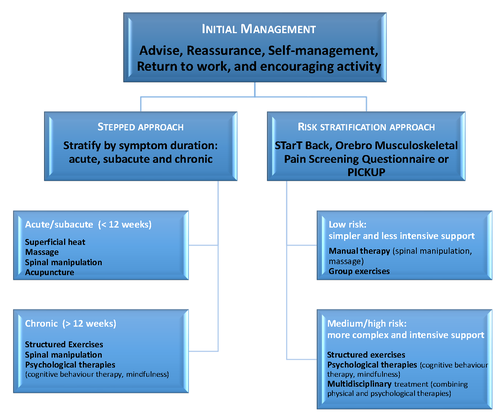
If your pain started within the last six weeks, remedial massage can deliver dramatic results. The single trial on acute lower back pain showed participants receiving massage experienced a large pain reduction with an effect size of -1.24 compared to no treatment. You’ll likely notice improvement after just 1-2 sessions, with pain relief becoming evident shortly after treatment.
Important caveat: Since only one small trial exists for acute cases (with just 51 participants), these results should be viewed as promising but preliminary. Don’t expect miraculous overnight cures—most people require 3-5 sessions for substantial relief.
Chronic Pain Management After 6 Weeks
For pain lasting longer than six weeks, remedial massage provides moderate pain reduction (effect size -0.75) compared to no treatment. What’s particularly valuable for chronic sufferers: massage shows a small but significant advantage over alternatives like physical therapy in the short term.
Long-term strategy: While pain relief can persist for months, functional improvements typically don’t last without ongoing maintenance. Plan for 4-6 initial sessions followed by periodic maintenance treatments every 2-4 weeks to sustain benefits.
Essential Remedial Massage Techniques That Deliver Results
Manual Therapy vs. Mechanical Devices
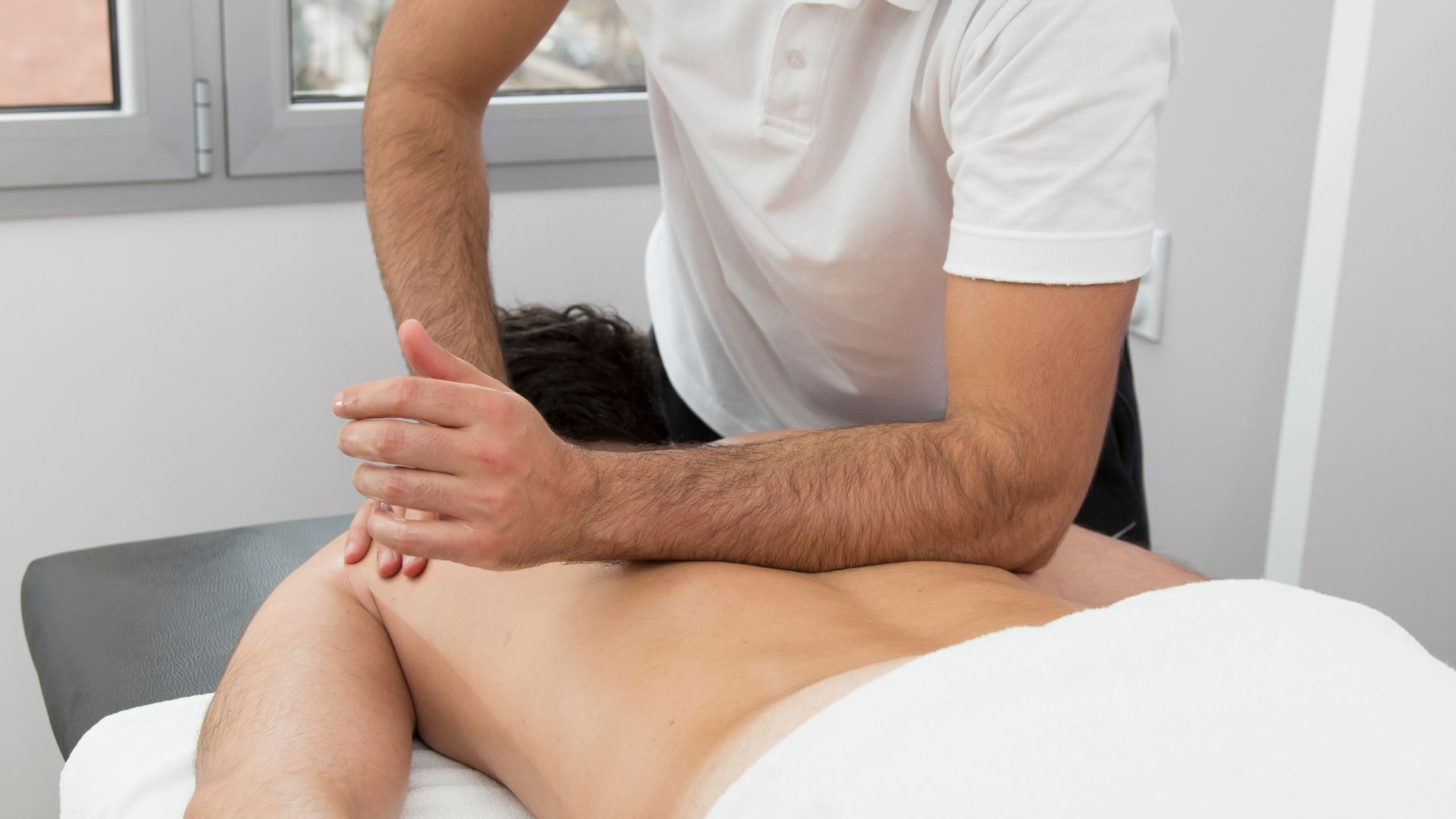
The evidence overwhelmingly supports therapist-administered manual techniques over mechanical devices. Of the 25 trials analyzed, 22 used manual approaches including deep tissue manipulation, trigger point therapy, myofascial release, and Swedish massage techniques. Only 3 trials examined mechanical massage, making conclusions about device effectiveness impossible.
Pro tip: When booking your appointment, specifically request a therapist trained in multiple manual techniques who can adapt their approach based on your specific pain patterns and tissue responses.
Optimal Treatment Protocol for Lasting Relief
While research hasn’t established a single perfect protocol, successful trials shared these characteristics:
– Frequency: 1-2 sessions per week
– Duration: 30-60 minutes per session
– Total treatment period: 4-8 weeks
– Customization: Technique selection based on individual assessment
Common mistake: Expecting immediate permanent results from one session. Most people need multiple sessions to achieve meaningful, lasting relief. Commit to at least 4-6 sessions before evaluating effectiveness.
What Actually Happens During Your Remedial Massage Session
First Session Assessment That Determines Success
Your qualified remedial massage therapist should conduct a thorough assessment including:
– Detailed review of your pain history and specific triggers
– Posture and movement pattern analysis
– Palpation to identify specific muscle groups contributing to pain
– Development of a targeted treatment plan addressing your unique needs
Red flag: If your therapist skips assessment and jumps straight to treatment, consider finding someone more thorough. Proper assessment determines which techniques will work best for your specific pain pattern.
During Treatment: What You Should Feel
During your session, expect:
– Initial pressure that feels intense but remains within your comfort limits
– Temporary discomfort when working on specific trigger points
– Progressive relaxation as muscle tension releases
– Immediate post-session soreness in 1-25% of cases (normal and temporary)
Critical warning signs: Communicate immediately if you experience sharp, shooting pain; numbness or tingling; or pain exceeding your tolerance threshold. These indicate the therapist needs to adjust technique.
Safety First: When Remedial Massage Isn’t Right for You
Who Should Avoid Remedial Massage
While generally safe, remedial massage isn’t appropriate for everyone. Avoid treatment if you have:
– Recent surgeries or fractures in the lower back area
– Blood clotting disorders or taking anticoagulant medications
– Severe osteoporosis
– Active infections or skin conditions in the treatment area
– Certain cancer diagnoses (especially bone cancer or active metastases)
Essential step: Always disclose your complete medical history to your therapist before treatment begins. This information determines whether remedial massage is safe and appropriate for your specific condition.
Recognizing Serious Symptoms Requiring Medical Attention
While remedial massage has an excellent safety profile, certain symptoms indicate you need immediate medical evaluation rather than massage:
– Radiating pain down your leg with numbness or weakness
– Loss of bowel or bladder control
– Progressive neurological symptoms
– Pain following significant trauma
Time-sensitive tip: If you experience “red flag” symptoms, seek medical attention before pursuing massage therapy. Remedial massage works best for non-specific mechanical lower back pain, not serious underlying conditions.
Double Your Results With These Strategic Self-Care Practices
Pre-Session Preparation for Maximum Benefit
Boost treatment effectiveness by:
– Drinking 16-24 ounces of water 2 hours before your session
– Avoiding large meals within 2 hours of treatment
– Wearing loose, comfortable clothing to your appointment
– Arriving 10 minutes early to mentally prepare
Game-changing habit: Keep a pain journal tracking intensity (0-10 scale), triggers, and functional limitations. Share this with your therapist to guide treatment adjustments.
Between-Session Strategies That Maintain Progress
Maximize long-term results with these self-care practices:
– Gentle stretching routines focusing on hamstrings and hip flexors
– Heat application for chronic tightness or ice for acute inflammation
– Posture awareness exercises throughout your day
– Short walking breaks every 30 minutes if you sit for work
Critical mistake to avoid: Remaining completely sedentary between sessions. Gentle movement maintains the tissue changes achieved during massage and prevents muscles from reverting to painful patterns.
Smart Treatment Decision Framework for Lasting Relief
When Remedial Massage Delivers Best Results
Remedial massage works most effectively when:
– Your pain is non-specific and mechanical in nature
– Muscle tension and tightness contribute to your discomfort
– Pain has persisted longer than 6 weeks
– You prefer conservative, non-pharmaceutical approaches
Realistic expectation: Remedial massage won’t cure underlying structural issues but can significantly reduce pain and improve function for most sufferers when properly applied.
Integrated Approach for Sustainable Pain Management
For lasting results, combine remedial massage with:
– Physical therapy for movement retraining
– Core strengthening exercises
– Ergonomic workspace modifications
– Stress management techniques
Proven sequence: Start with 4-6 remedial massage sessions for pain relief, then transition to active rehabilitation with physical therapy while maintaining periodic massage sessions for maintenance.
Key Takeaways for Immediate Lower Back Pain Relief
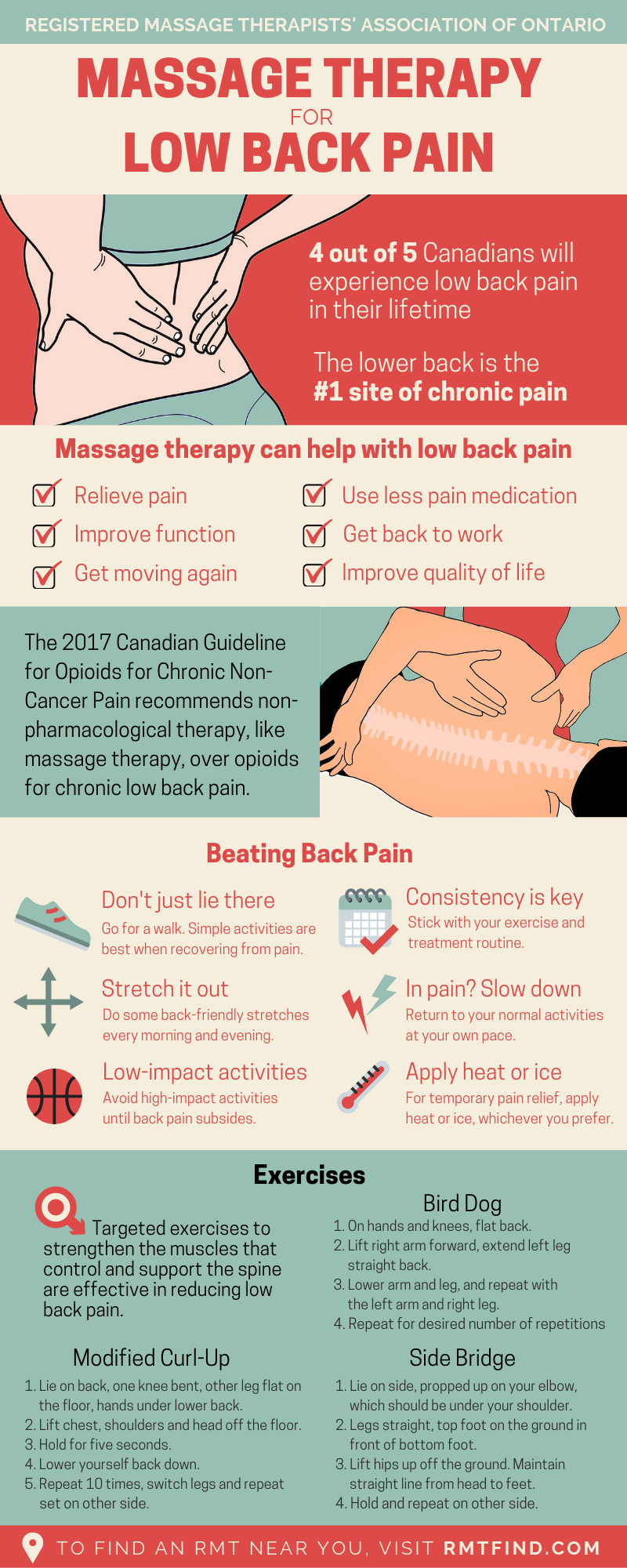
Remedial massage provides reliable short-term pain reduction for most lower back pain sufferers, with minimal risk of serious complications. The research shows you’ll likely experience meaningful pain relief within 2-4 sessions when working with a qualified therapist who customizes treatment to your specific needs.
Your action plan:
1. Book a consultation with a remedial massage therapist experienced in lower back conditions
2. Commit to 4-6 initial sessions while tracking your pain levels
3. Combine massage with gentle movement and self-care practices between sessions
4. Transition to maintenance sessions every 2-4 weeks after initial improvement
While remedial massage won’t eliminate all lower back pain permanently, the evidence strongly supports its role in providing meaningful relief and functional improvement. The key to success lies in appropriate patient selection, skilled technique application, and integration with broader self-management strategies—putting you back in control of your pain rather than letting it control you.