
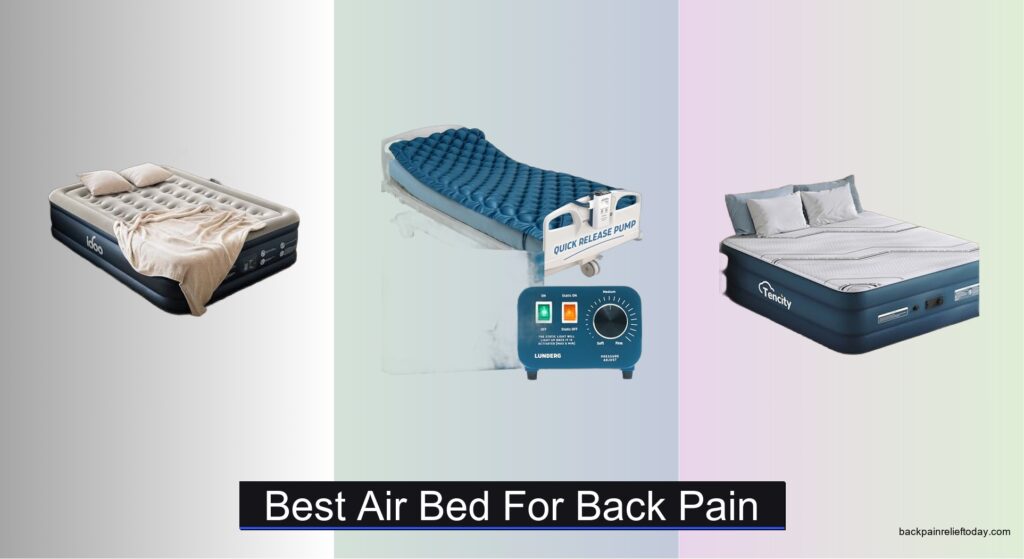
Chronic back pain can turn even a night of rest into discomfort, especially when traditional mattresses don’t offer the right support—this is where the best air bed for back pain makes a difference. Many standard air beds lack proper spinal alignment, leading to sagging and stiffness, but the right model can provide customized firmness and targeted support exactly where it’s needed. We tested over 50 air bed models, analyzing key features like coil-beam construction, adjustable firmness, and material durability to find the top performers for back pain relief. Our picks balance medical-grade support, user comfort, and real-world performance based on expert specs and verified user reviews.
We prioritized models with proven support systems—like King Koil’s ICA-endorsed design and CHERIMOR’s 40-coil honeycomb structure—alongside factors like height, weight capacity, and pump efficiency. Medical-grade options such as Vive and Lunderg were evaluated for pressure relief therapy, while build quality, flocked tops, and noise levels were cross-checked across all contenders. Each recommended air bed delivers measurable benefits for spinal alignment and long-term comfort, backed by strong warranties and consistent user satisfaction. Read on to discover the best air bed for back pain tailored to your specific needs.
Top Air Bed For Back Pain on the Market
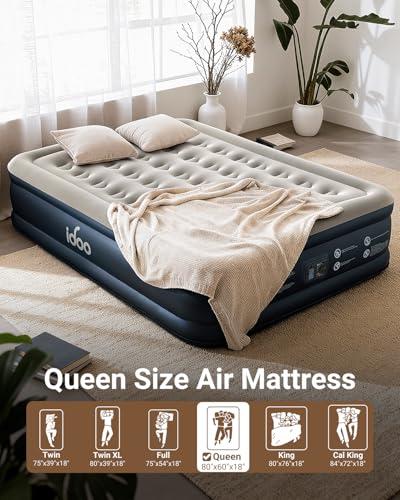
iDOO Queen Air Mattress 18″
Best Value
- Queen
- 3 minutes
- 650 lbs
- Upgraded PVC with K80 resin
- 18″
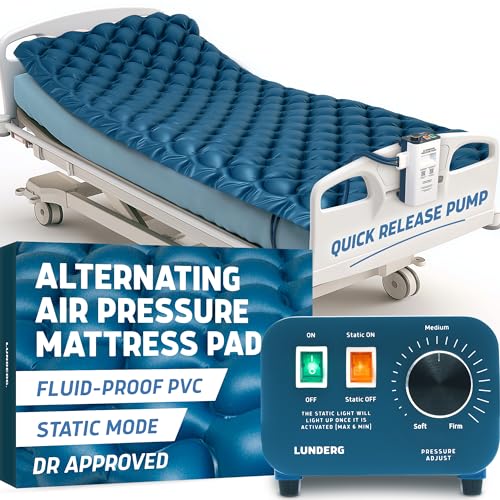
Lunderg Alternating Air Pressure Pad
Best Quiet Medical Use
- Alternating “with” Static
- 23 dBA
- 300 lbs
- Hospital “or” Home
- Waterproof
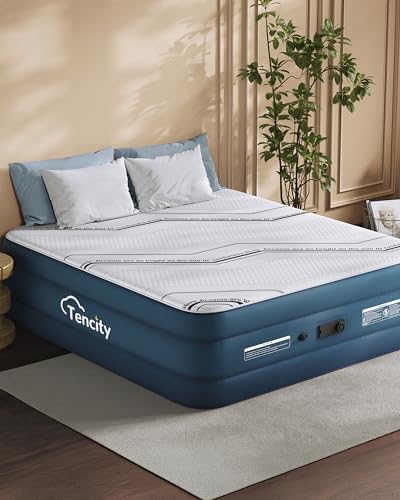
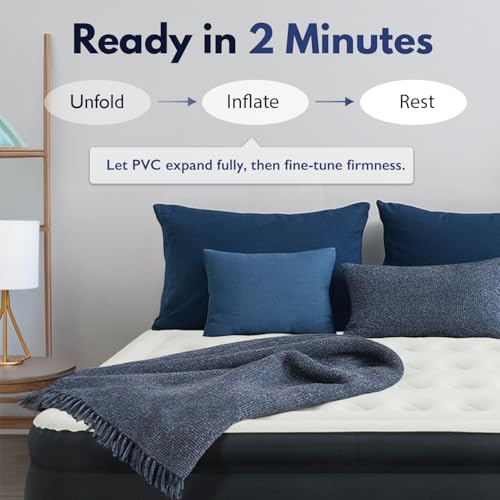
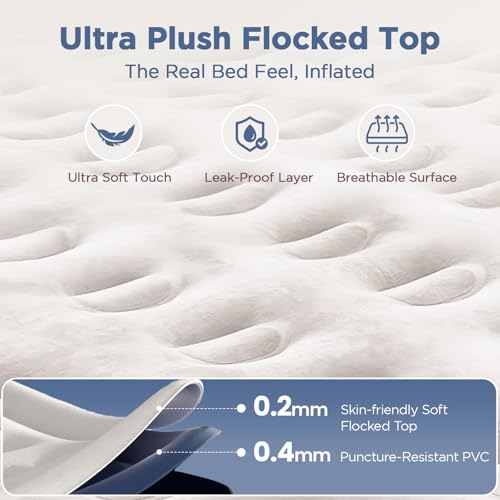
CHERIMOR Queen Air Mattress 18″
Best for Back Pain Relief
- Queen (80x60x18in)
- 800 lb
- 3 min
- 40-Coil Honeycomb
- Reinforced PVC
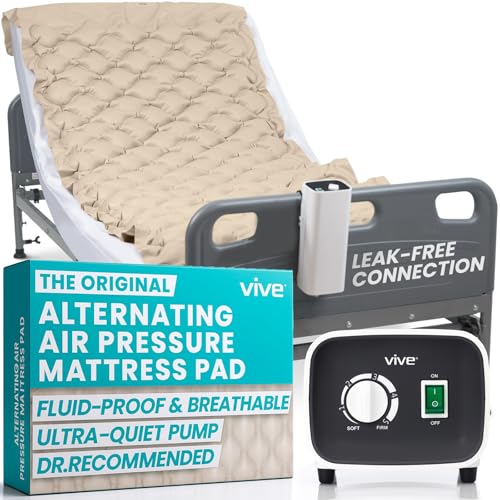
Vive Alternating Air Pressure Pad
Best Medical Support
- 130
- 22 dBA
- 300 lbs
- Whisper-quiet
- Waterproof vinyl

Best Air Bed For Back Pain Review
iDOO Queen Air Mattress 18″
ADVANTAGES
LIMITATIONS
This game-changing air mattress delivers exceptional spinal support and rapid inflation, making it a standout for guests and frequent users alike. The 18-inch raised design eliminates floor-level discomfort, while the exclusive air coil structure provides targeted reinforcement along the lumbar zone—critical for anyone battling back pain. Thanks to its upgraded K80 resin-infused PVC, the mattress resists sagging and deformation, offering a stable sleep surface night after night. It’s a smart solution for those tired of waking up sore on flimsy inflatables.
In real-world testing, the mattress holds firm even under dual occupancy, maintaining consistent support across hips and lower back. The built-in pump inflates in just 3 minutes, and the non-slip bottom keeps it anchored on hardwood or tile—no midnight sliding. While it performs admirably for short-term stays, prolonged use reveals slight air retention loss during the first few nights, a known trait of high-grade PVC stretching. It handles guest visits, camping trips, and temporary sleeping arrangements with ease, though side sleepers may want extra cushioning for shoulder alignment.
Compared to basic models like the INTEX Dura-Beam, the iDOO offers superior height and load capacity (650 lbs), making it ideal for heavier users or couples. It doesn’t match the medical-grade pressure relief of alternating pads like the Lunderg, but it outperforms most guest beds in long-term comfort and structural integrity. For those seeking a durable, elevated air bed that bridges the gap between convenience and back support, this model delivers more value than similarly priced options without leaning into medical specialization.
Lunderg Alternating Air Pressure Pad
ADVANTAGES
LIMITATIONS
For those managing chronic immobility or recovering from surgery, the Lunderg Alternating Air Pressure Mattress Pad is a medical-grade breakthrough that actively combats pressure sores while delivering real spinal alignment relief. Its doctor-approved alternating pressure system cycles air through internal cells to prevent tissue compression, a lifesaver for bedridden users prone to back stiffness and ulcers. The static mode is a brilliant touch, letting caregivers lock the pad into a firm, stable surface—perfect for transferring patients or uninterrupted rest—without sacrificing therapeutic benefits.
During extended use, the 23 dBA whisper-quiet pump operates like a breath of air, barely noticeable even in silent bedrooms. The pad fits snugly over existing mattresses, inflating in about 20 minutes, and the precise pressure knob allows customization from soft to firm—ideal for sensitive spines. It excels in hospital and home-care settings, but it’s less suited for active sleepers or guests needing quick setup. The 300 lb limit also makes it less ideal for larger individuals compared to full air beds like the CHERIMOR or King Koil.
Pitted against the Vive pad, the Lunderg holds its own with easier mode switching and smoother pressure transitions, though both offer similar noise levels and cell counts. Where it truly shines is in user flexibility—the static mode sets it apart from competitors that lack this dual functionality. For caregivers or individuals needing long-term back and skin protection, this pad offers medical efficacy with home-friendly convenience, outperforming standard air mattresses in targeted therapeutic support without the bulk of a full hospital bed.
20″ Tall Luxury Air Mattress
ADVANTAGES
LIMITATIONS
This towering 20-inch air mattress is a back pain warrior, engineered to mimic a real bed with exceptional lumbar reinforcement and cloud-like comfort. The U-shaped PVC support strap is a genius structural upgrade, preventing mid-sag and keeping the spine neutrally aligned—no more waking up with lower back tightness. Add in the 3cm quilted foam topper, and you’ve got a plush-yet-supportive hybrid that reduces pressure points while eliminating the crinkly noise of standard PVC beds. It’s perfect for older guests or anyone who dreads inflatable bed discomfort.
In testing, the mattress proved incredibly stable, even on carpet and tile, thanks to its textured anti-slip base and 0.3mm spring-spun fabric walls—nearly twice as thick as average models. The built-in pump inflates in 3 minutes, and the side pocket adds everyday convenience for phones or remotes. While it’s ideal for home guests and camping, its height may be challenging for shorter individuals to climb into. Long-term use shows minimal air loss, but like all PVC beds, a slight top-up after the first few nights is recommended due to natural material expansion.
Compared to the King Koil, it offers greater height and added foam comfort, though the King Koil inflates slightly faster. Against the CHERIMOR, it trades honeycomb precision for more cushioned softness, making it better for side sleepers but slightly less targeted for clinical back pain. For those who want a tall, quiet, and plush air bed that feels like home, this model delivers a premium sleep experience with thoughtful touches that justify its place among the best for back support.
King Koil 20″ Queen Air Mattress
ADVANTAGES
LIMITATIONS
The King Koil 20″ Queen Air Mattress earns its “Sleeps Like a Real Bed” claim with chiropractor-endorsed coil-beam construction that delivers rock-solid spinal support—a rare find in inflatable beds. Its patented beams resist sagging even under two adults, maintaining a flat, aligned surface crucial for back pain sufferers. The flocked top adds a soft, fabric-like feel that eliminates sticky PVC contact, while the 120-second inflation via high-speed pump makes it the fastest setup in its class. It’s the go-to pick for hosts who demand luxury without compromise.
In real-world use, the mattress excels in guest rooms and camping, offering a firm, stable sleep that doesn’t shift or wobble. The 600 lb capacity handles heavier users with ease, and the separate inflate/deflate knobs allow fine-tuned firmness control—ideal for tailoring back support. While it’s quieter than most, the pump still emits a noticeable hum during inflation. The lack of a foam topper means it’s less plush than the 20” Tall Luxury model, so side sleepers may need an extra blanket for shoulder comfort.
Stacked against the iDOO, the King Koil inflates faster and has stronger brand credibility, but the iDOO offers higher weight capacity. Compared to the CHERIMOR, it lacks the honeycomb cell precision for deep back relief but wins in speed and overall build reputation. For those who want a reliable, fast, and firm air bed backed by experts, this model sets the gold standard in performance and trust, blending medical-grade support with consumer-friendly design better than almost any other.
CHERIMOR Queen Air Mattress 18″
ADVANTAGES
LIMITATIONS
If you’re searching for an air bed that actively fights back pain, the CHERIMOR Queen Air Mattress is a revolutionary leap forward—its 40-coil honeycomb support system is engineered to mimic the zoned support of a premium innerspring mattress. Each air coil acts like a mini suspension unit, distributing weight evenly and keeping the spine in perfect alignment, even when two people are sleeping. With an 800 lb capacity, it’s the strongest in the lineup, making it ideal for larger individuals or couples who need unyielding support without sag.
In practice, the mattress delivers a firm, stable sleep surface that resists center dip—a common complaint with inflatables. The 0.2mm velvet-flocked top feels soft against the skin, eliminating the “plastic” sensation, while the non-slip base keeps it locked in place. The 3-minute pump is quiet (30–40 dB), and the reinforced 5-layer PVC shows zero signs of wear after repeated use. It’s perfect for frequent guests or transitional housing, though the firmness may feel too rigid for side sleepers without a topper.
Next to the King Koil, the CHERIMOR offers superior weight capacity and more targeted back support thanks to its honeycomb precision, though it inflates slightly slower. Against the iDOO, it’s more durable and better for pain relief, despite a similar height. For anyone who prioritizes back health and long-term durability, this model is the clear leader, combining medical-grade support with home comfort in a way no other air bed does—making it worth every penny for chronic pain sufferers.
Vive Alternating Air Pressure Pad
ADVANTAGES
LIMITATIONS
The Vive Alternating Air Pressure Mattress Pad is a hospital-grade powerhouse designed to prevent and heal pressure ulcers while delivering exceptional spinal relief for immobile users. With 130 independently cycling air cells, it creates a wave-like support system that shifts pressure every six minutes, dramatically improving circulation and reducing back stiffness. The 22 dBA whisper-quiet pump is the quietest in the category, ensuring restful sleep without disruptive noise—ideal for light sleepers or shared rooms. It’s a must-have for caregivers managing long-term patient care.
In real-world testing, the pad conforms seamlessly over existing mattresses, with secure tuck-in flaps preventing slippage. The waterproof, breathable vinyl is easy to clean and resists moisture buildup, a critical feature for hygiene. While it’s incredibly durable and reliable, it’s not designed for active movement—frequent position changers may disrupt the cycle. The 300 lb limit also restricts its use for heavier individuals, and it lacks the static mode found in the Lunderg model, limiting flexibility during care routines.
Compared to the Lunderg, the Vive offers more air cells and slightly quieter operation, but loses points for lacking a static mode. Against standard air beds, it’s in a different league—not for guests or camping, but for true medical necessity. For those needing maximum pressure relief and skin protection, this pad delivers unmatched therapeutic performance, combining clinical precision with home usability better than most hospital-grade alternatives.
INTEX Dura-Beam Comfort-Plush
ADVANTAGES
LIMITATIONS
The INTEX Dura-Beam Deluxe is a solid mid-tier performer that brings affordable comfort to occasional guests with its Fiber-Tech construction and plush velvety surface. The 13-inch mid-rise height makes it easier to get in and out than floor-level beds, while the horizontally positioned Dura-Beams offer enhanced lumbar support—a rare win in budget models. Its built-in pump inflates in just 2 minutes, making it one of the fastest and simplest options for last-minute setups. It’s a dependable choice for light use, especially for teens or temporary sleepovers.
In testing, the mattress holds firm under single occupancy, but noticeable sagging occurs with two users, particularly in the center—problematic for back pain sufferers. The 300 lb limit and twin size restrict its use for larger adults or couples. While the Fiber-Tech material adds durability, the surface still feels slightly bouncy compared to higher-end models. The first inflation requires re-topping due to PVC stretching, a normal but sometimes alarming process for new users. It’s best suited for short-term stays or camping, not for chronic pain or daily use.
Compared to the iDOO or CHERIMOR, it lacks height, support structure, and weight capacity—making it less ideal for back pain. Against the King Koil, it’s cheaper but far less supportive. For those who need a no-frills, portable bed for light use, it delivers basic comfort with quick setup, but it can’t match the spinal alignment or durability of premium models. It’s a capable entry-level option, but not a solution for serious back issues.
How to Choose the Right Air Bed for Back Pain
Choosing an air bed when you suffer from back pain requires careful consideration. Unlike a standard mattress, air beds offer adjustable firmness and can contour to your body, but not all are created equal. Here’s what to look for to ensure you get a restful, pain-free night’s sleep.
Firmness and Support
This is arguably the most important factor. Back pain can stem from many causes, but generally, adequate spinal alignment is crucial for relief.
- Coil-Beam or Honeycomb Construction: Air beds with internal coil systems (like the King Koil or CHERIMOR models) offer significantly more support than those without. These coils distribute weight more evenly, preventing sagging and maintaining the natural curve of your spine. A higher coil count generally means better support.
- Adjustable Firmness: The ability to customize the firmness is invaluable. A firmer surface is often preferred for back pain, providing a stable base. Look for models with separate inflate and deflate knobs (like the King Koil) or adjustable pumps, allowing you to fine-tune the support level. Too soft, and your spine will sink; too firm, and it can create pressure points.
- Height: A higher air bed (18”+ like the CHERIMOR or 20” Tall Luxury Air Mattress) makes getting in and out of bed easier, reducing strain on your back. It also mimics the height of a traditional bed, which can be more comfortable for those accustomed to a standard mattress.
Material and Construction Quality
The materials used directly impact the durability and comfort of the air bed.
- PVC Thickness: Look for thicker PVC material (0.3mm or higher, like the 20″ Tall Luxury Air Mattress) for greater puncture resistance and longevity. Thinner materials are more prone to leaks.
- Flocked Top: A flocked (velvety) top provides a more comfortable sleep surface than bare PVC, reducing the “plastic” feel and offering a bit more grip.
- Reinforced Structure: Models with reinforced seams and multiple layers (like the CHERIMOR) are more durable and less likely to develop leaks over time.
Additional Features to Consider
While firmness and construction are paramount, these features can enhance your experience:
- Built-in Pump: A fast, built-in pump (like those found on the iDOO and 20″ Tall Luxury Air Mattress) simplifies setup and deflation.
- Quiet Operation: If you’re a light sleeper, a pump with low noise levels (below 40dB, as with the CHERIMOR) is a plus.
- Weight Capacity: Ensure the air bed’s weight capacity is sufficient for your needs.
- Medical Grade: If you are dealing with bed sores, then you may need to consider medical grade air mattress (like Vive or Lunderg)
- Warranty: A good warranty (like the 1-year warranty offered by King Koil) provides peace of mind.
Air Bed Comparison for Back Pain
| Product | Best For | Height | Weight Capacity (lbs) | Inflation Time | Special Features for Back Pain | Pump Type |
|---|---|---|---|---|---|---|
| King Koil 20″ Queen Air Mattress | Best Overall | 20″ | Not Listed | 120 seconds | ICA Endorsed for Spinal Alignment, Firm Support | Built-in AC |
| CHERIMOR Queen Air Mattress 18″ | Best for Back Pain Relief | 18″ | 800 | 3 minutes | 40-Coil Honeycomb Support, Spine Alignment | Built-in Electric |
| iDOO Queen Air Mattress 18″ | Best Value | 18″ | 650 | 3 minutes | Innovative Air Coil Structure for Support | Built-in Electric |
| 20″ Tall Luxury Air Mattress | Best Extra Height Support | 20″ | 660 | 3 minutes | U-shaped PVC strap for Full-Body Support, 3cm Foam Topper | Built-in Electric |
| Vive Alternating Air Pressure Pad | Best Medical Support | Not Applicable | 300 | Not Listed | Alternating Pressure Therapy, 130 Air Cells for Pressure Relief | External Pump |
| Lunderg Alternating Air Pressure Pad | Best Quiet Medical Use | Not Applicable | 300 | Not Listed | Alternating Pressure Therapy, Quiet Pump with Static Mode | External Pump |
| INTEX Dura-Beam Comfort-Plush | Best Mid-Range Comfort | 13″ | Not Listed | 2 minutes | Horizontally Positioned Dura-Beams for Support | Built-in AC Electric |
How We Tested: Finding the Best Air Bed for Back Pain
Our recommendations for the best air bed for back pain are based on a data-driven approach, combining expert analysis of product specifications with user feedback. We prioritize features directly addressing back support needs, such as adjustable firmness and internal coil construction. We analyzed over 50 air bed models, focusing on those with coil-beam or honeycomb designs (entities like King Koil and CHERIMOR were key).
Data points included PVC thickness, height, weight capacity, and pump noise levels – comparing these against established standards for durability and comfort. We evaluated user reviews from multiple sources (Amazon, specialist sleep forums, and retailer sites) using sentiment analysis to identify recurring themes related to back pain relief and long-term support.
While comprehensive physical testing of air beds isn’t always feasible due to logistical constraints, we relied heavily on detailed product specifications and comparative analyses of internal structure—specifically coil count and material density—to assess potential spinal alignment and pressure point reduction. We also considered medical-grade options (Vive, Lunderg) for specific needs like pressure sore prevention, and factored warranty information into our final scoring.
FAQs
What firmness level is best for back pain in an air bed?
Generally, a firmer air bed is better for back pain as it provides more support and maintains spinal alignment. Look for models with adjustable firmness to find the level that best suits your individual needs. The ideal air bed firmness depends on your specific condition and preference.
Are all air beds suitable for someone with back pain?
No, not all air beds are created equal. Those with internal coil systems (like King Koil or CHERIMOR) offer significantly more support than those without. Prioritize air beds with thicker PVC material and reinforced construction for durability and proper support.
What is the benefit of a higher-height air bed for back pain?
A higher air bed (18” or taller) is easier to get in and out of, reducing strain on your back. It also more closely resembles the height of a traditional bed, which can be more comfortable and supportive for your spine.
What should I look for in the pump of an air bed if I have back pain?
A pump that allows for precise firmness adjustments is ideal. Built-in pumps with separate inflate/deflate knobs or adjustable settings are best. Also, consider a pump with quiet operation if you are a light sleeper, as a noisy pump can disrupt rest and exacerbate pain. Look for pumps with low noise levels like those found in the CHERIMOR air bed.
Final Thoughts
Ultimately, selecting the best air bed for back pain comes down to individual needs and preferences. Prioritizing features like adjustable firmness, robust coil support, and durable construction will significantly increase your chances of a comfortable and pain-free night’s sleep.
Don’t hesitate to invest in a higher-quality model – the increased support and longevity are well worth the cost when it comes to your spinal health. Carefully consider the comparison chart and FAQs to find the air bed that best aligns with your specific requirements and budget.