
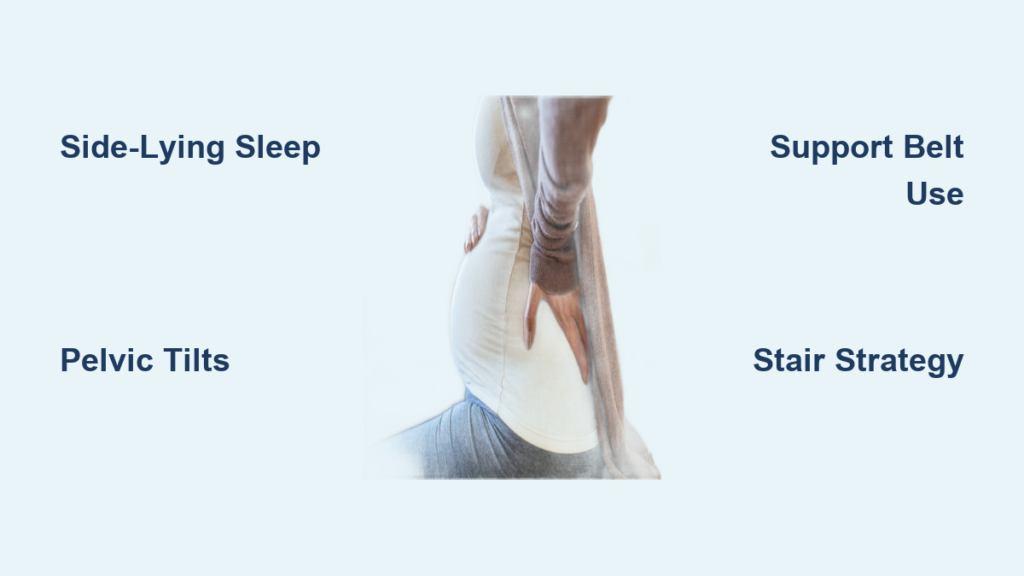
That familiar ache across your lower back has become your constant companion these final weeks, making every step feel like a marathon. You’re not alone—in fact, between 50-80% of pregnant people experience this same grinding discomfort during their third trimester. The good news? This pain isn’t just something you have to endure until delivery. With the right combination of daily habits, safe exercises, and simple modifications, you can dramatically reduce your discomfort and actually enjoy these final weeks of pregnancy.
This guide walks you through proven, pregnancy-safe strategies that work specifically for third-trimester back pain, when your belly is at its largest and your body is working hardest. Forget generic advice—you’ll discover exactly why your lower back pain pregnancy third trimester symptoms intensify and what you can do today to find relief.
Why Your Third Trimester Back Pain Keeps Worsening
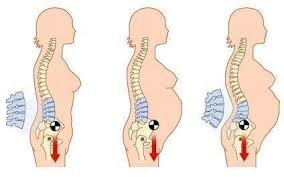
Your Body’s Structural Transformation Explained
Your center of gravity has shifted forward by 10-15 degrees, creating a perfect storm of pressure on your lower spine. With 25-35 extra pounds concentrated in your midsection, every movement amplifies the strain. Your lumbar curve deepens dramatically, pulling muscles and ligaments beyond their comfort zone.
The hormone relaxin peaks during these final weeks, loosening joints that normally provide stability. Meanwhile, your uterus reaches 36-40 cm in height, creating constant forward pull. Your abdominal muscles separate in 66% of pregnancies, further reducing core support when you need it most. This combination of mechanical changes explains why your lower back pain pregnancy third trimester symptoms feel relentless.
Daily Habits That Make Third Trimester Back Pain Worse
Evening pain spikes occur because your back accumulates strain throughout the day. Prolonged standing beyond 30-45 minutes overwhelms already taxed muscles. Transition movements—like rising from chairs or climbing stairs—become major pain triggers as your body struggles with the extra weight.
Poor sleep positioning creates 6-8 hours of additional strain while you’re supposed to be recovering. Many pregnant people unknowingly sleep in positions that increase lumbar lordosis, worsening their morning pain. Wearing unsupportive footwear or maintaining poor posture while working from home significantly contributes to your lower back pain pregnancy third trimester discomfort.
Immediate Daily Relief Strategies You Can Start Today
Sleep Positioning That Actually Restores Your Back
Left-side lying with strategic pillow placement transforms your nights. Place one pillow between your knees to align your hips, another under your belly for support, and a small lumbar roll behind your back. This combination reduces pressure on the vena cava while supporting your spine’s natural curves.
Pro tip: Invest in a full-body U-shaped pregnancy pillow early—don’t wait until you’re desperate. Position it so you can easily roll from side to side without disrupting the support system. This setup addresses the 60% sleep disruption rate reported by pregnant people with back pain.
Movement Modifications for Everyday Activities
The 30-minute rule: Change positions every half hour, whether you’re sitting, standing, or walking. Set phone reminders if needed. When rising from chairs, slide to the edge first, then push up using your legs while keeping your back straight—this technique prevents the sharp pain many experience during transitions.
Stair strategy: Lead with your stronger leg going up, weaker leg going down. Take one step at a time when possible. Hold railings for support and engage your core slightly before each step. This approach significantly reduces the strain that makes stair climbing so painful in late pregnancy.
Targeted Exercises That Provide Real Third Trimester Relief
Pelvic Tilts for Instant Lumbar Pressure Relief
Standing version: Place hands on hips, gently tuck your pelvis under (imagine pulling your belly button toward your spine), hold for 5 seconds, release. Repeat 10-15 times, 3-4 times daily. This simple movement counteracts the excessive lumbar lordosis causing your pain.
Wall version: Stand with back against wall, feet 6 inches away. Press lower back into wall by tilting pelvis, hold 5 seconds, release. This provides support while you move and helps retrain proper alignment. These exercises specifically target the weakened core muscles contributing to your lower back pain pregnancy third trimester symptoms.
Modified Cat-Cow for Pregnancy Safety
Start on hands and knees with wrists under shoulders, knees under hips. Cat position: Round your back toward ceiling, tuck chin to chest. Cow position: Gently arch back, lift chest forward (not up). Move slowly through 10 repetitions, twice daily.
Key modification: Keep movements smaller than pre-pregnancy versions to avoid overstretching already lax ligaments. This gentle mobilization releases tension in your lumbar spine without risking injury from relaxin-induced joint instability.
Essential Support Devices That Actually Work
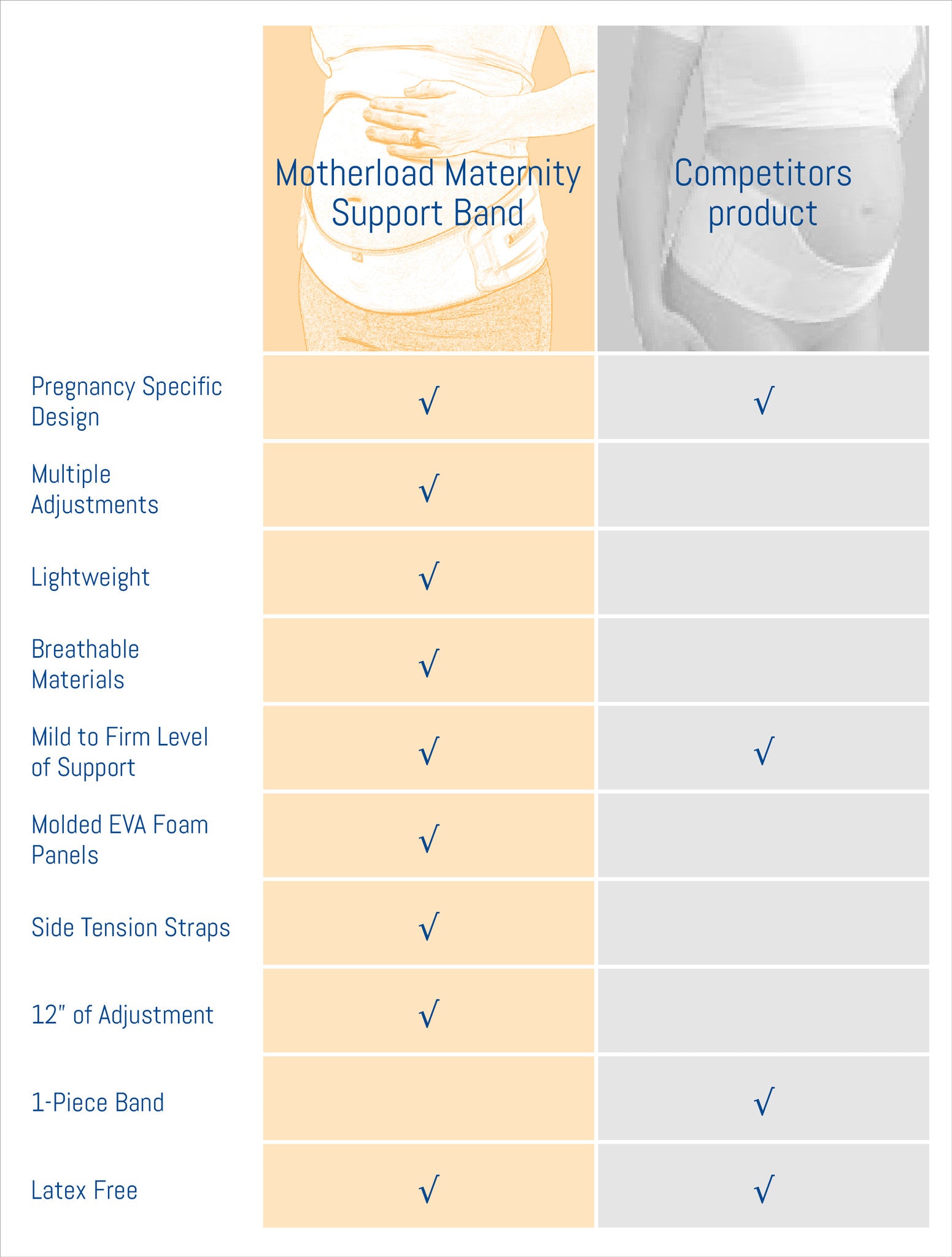
Choosing the Right Maternity Support Belt
Select a belt that wraps under your belly and around your lower back, providing lift rather than compression. Look for: adjustable straps, breathable fabric, and support that doesn’t restrict breathing. Wear: during activities that trigger pain, not continuously. Remove for sleep.
Best timing: Put on before activities like grocery shopping or long walks, remove during rest periods. Research shows these belts reduce lumbar lordosis by 10-15 degrees and decrease pain by 30-50% when used correctly for your lower back pain pregnancy third trimester.
Pregnancy Pillow Systems That Transform Sleep
U-shaped pillows support your entire body—head, belly, back, and knees simultaneously. C-shaped pillows offer similar benefits with slightly less bulk. Wedge pillows under your belly provide targeted support for smaller frames or those who overheat with full pillows.
Pro tip: Place a small rolled towel behind your lower back for additional lumbar support within your pillow system. This addresses the common issue of inadequate spinal alignment during sleep that worsens morning pain.
Warning Signs That Require Immediate Medical Attention
Red Flags You Should Never Ignore
Sudden, severe pain that stops you in your tracks needs immediate evaluation—it could indicate serious underlying pathology. Numbness or weakness in legs, especially if one-sided, requires urgent assessment as it may signal nerve compression.
Bowel or bladder changes combined with back pain could indicate serious nerve compression requiring emergency care. Fever with back pain suggests possible kidney involvement that needs prompt treatment. Regular contractions accompanying back pain might signal preterm labor, even if your due date seems far away.
When to Contact Your Healthcare Provider Immediately
Contact your healthcare team if pain becomes progressively worse despite home remedies, or if you develop signs of depression from chronic discomfort. Inability to sleep for more than 2-3 consecutive nights due to pain warrants professional guidance, as sleep disruption affects both your health and baby’s development.
Preparing for Delivery While Managing Back Pain
Labor Positions That Reduce Back Strain
Hands-and-knees position takes pressure off your spine and may help rotate posterior babies. Side-lying with pillows between knees provides rest while allowing gravity to assist. Supported squatting with a birth partner or squat bar engages your glutes naturally, reducing lumbar stress.
Avoid: Flat on your back (supine) positions, which increase lumbar strain and may compress major blood vessels. These positions can worsen your lower back pain pregnancy third trimester symptoms during labor and delivery.
Your Daily Pain Prevention Routine for Lasting Relief
Morning Routine (5 minutes)
- Pelvic tilts in bed before getting up to gently mobilize your spine
- Gentle cat-cow stretches on all fours to release overnight stiffness
- Apply belly support before leaving bedroom to prevent morning pain spikes
Midday Check (2 minutes)
- Adjust posture every 30 minutes to prevent cumulative strain
- Perform 5 standing pelvic tilts to reset your alignment
- Shift weight frequently when standing to avoid overloading one side
Evening Wind-Down (10 minutes)
- Warm bath or heating pad session (below 100°F) for muscle relaxation
- Side-lying with pregnancy pillow system for optimal recovery
- Gentle hip flexor stretches to counteract tightness from prolonged sitting
Key Takeaway: Third-trimester back pain responds dramatically to consistent daily habits. Start with one or two strategies, then layer additional techniques as needed. Most people find significant relief within 1-2 weeks of implementing these approaches, making these final weeks much more comfortable.
Remember—this pain is temporary, and your body is designed to handle it. With the right support and strategies, you can focus on preparing for your baby rather than managing constant discomfort. The 50-80% of pregnant people who experience lower back pain pregnancy third trimester can find real relief with these targeted approaches.