
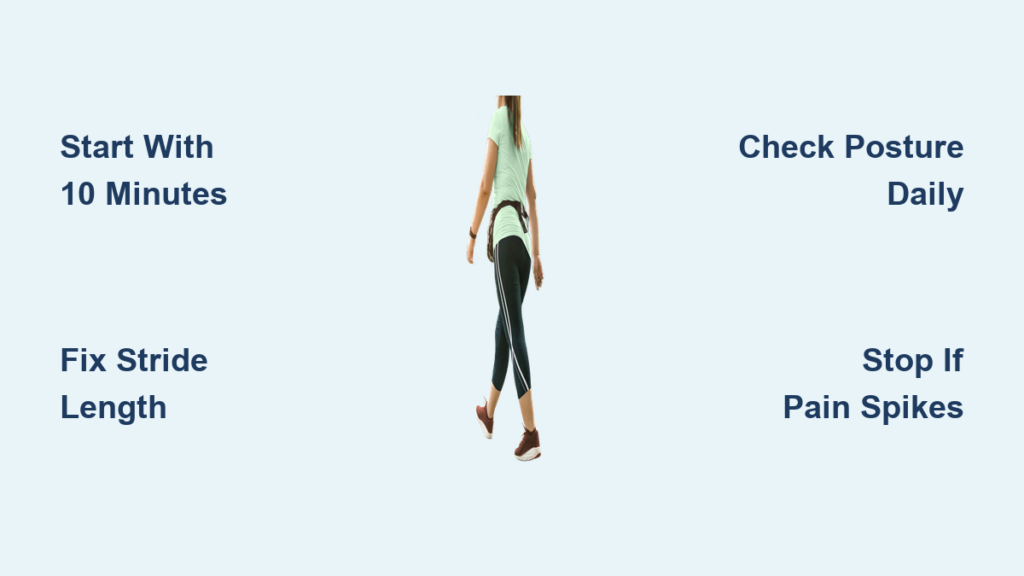
That sharp twinge when bending for your coffee cup. The constant ache that makes sitting through meetings agony. If lower back pain has hijacked your daily life, you’re not alone—and you might be surprised that the solution could be as simple as lacing up your shoes. Research confirms walking helps lower back pain significantly for most people, reducing current discomfort by up to 15 points on a 100-point scale while cutting recurrence risk nearly in half. This isn’t just folk wisdom; it’s one of the most rigorously proven, low-cost interventions available. Let’s cut through the confusion and show you exactly how walking repairs your back, how much you need to do, and how to start safely today.
How Walking Repairs Your Spine Step by Step
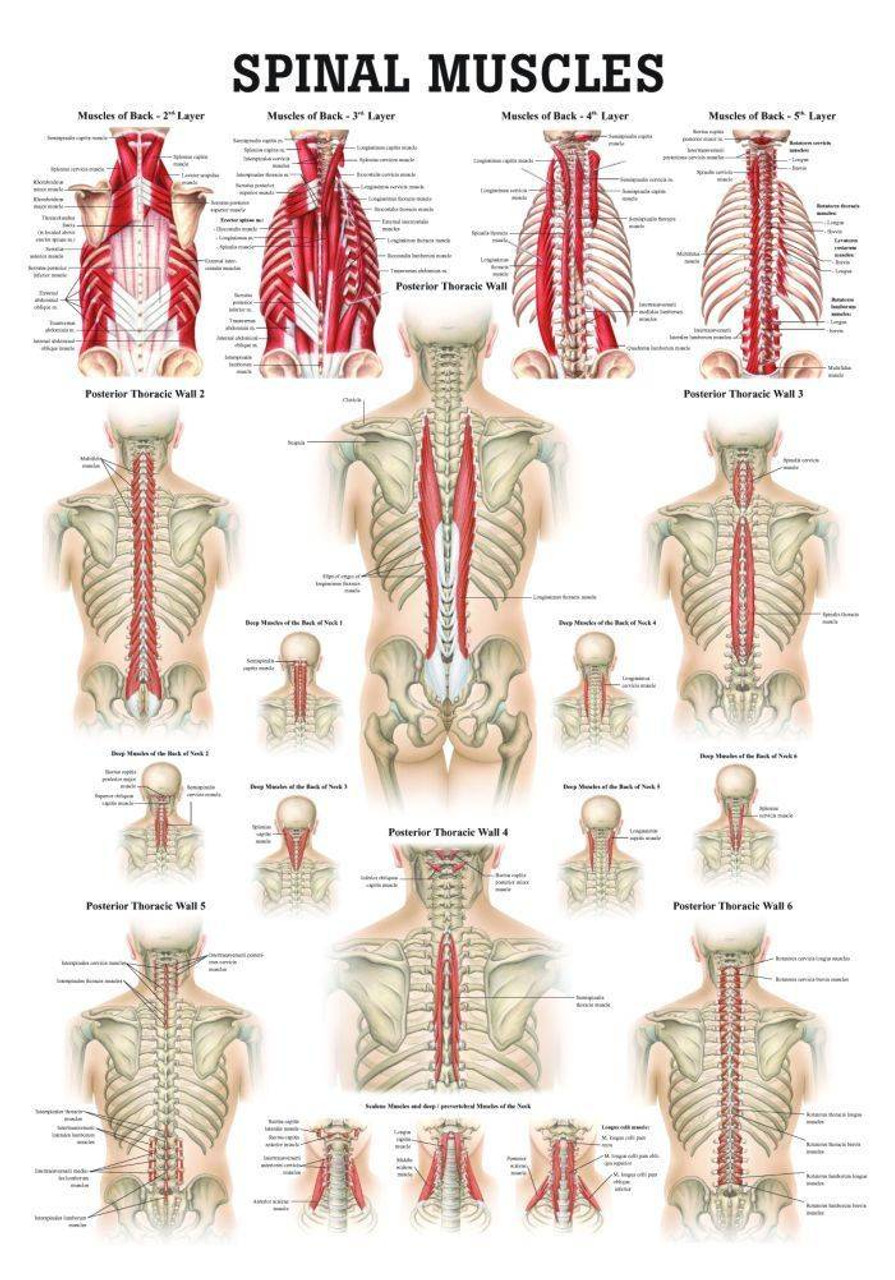
Your Natural Spinal Support System Activates Automatically
Every time your heel strikes the ground, your deep core muscles—including the transverse abdominis and lumbar multifidus—engage like a built-in weightlifting belt. This happens without conscious effort, stabilizing vertebrae that would otherwise grind painfully. Simultaneously, your glutes fire to control pelvic tilt, preventing the “anterior pelvic tilt” that strains lower back ligaments. Crucially, this rhythmic loading/unloading acts like a pump for your spinal discs. As pressure releases during foot lift-off, discs suck in nutrient-rich fluid—slowing degeneration that fuels chronic pain. You’ll notice this as reduced morning stiffness within weeks.
Endorphin Release That Outlasts Your Walk
That “walking high” isn’t imaginary. Moderate-paced walking triggers immediate endorphin and enkephalin release, raising your pain threshold within 10 minutes. But the real magic happens with consistency: after 4-6 weeks, your central nervous system builds stronger descending pain-inhibition pathways. This means your brain literally learns to block pain signals more effectively—even when you’re not walking. Patients in clinical studies report needing fewer painkillers and sleeping through the night once they hit this neuroplasticity tipping point.
Breaking the Pain-Immobility Trap for Good
Fear of movement is often the real cause of worsening back pain. When you avoid bending or walking after an initial flare-up, muscles weaken rapidly, joints stiffen, and pain sensitivity skyrockets—a vicious cycle called “fear-avoidance.” Walking shatters this trap by proving your spine is stronger than it feels. Start with just 5 minutes daily, and you’ll retrain both body and brain to trust movement again. One study participant described it perfectly: “After my daily walk, I stopped flinching when my kids jumped into my lap.”
Proven Walking Prescription for Back Pain Relief
Your Exact Daily Dose for Maximum Benefit
Forget vague “walk more” advice. Science shows these specific parameters deliver results:
– Minimum effective dose: 20 continuous minutes (split into two 10-minute walks if needed)
– Optimal frequency: 5-7 days weekly—consistency matters more than single-session length
– Progression rule: Increase duration by only 5-10% weekly (e.g., +2 minutes from 20 to 22)
– Intensity sweet spot: Walk fast enough to talk comfortably but not sing (50-70% max heart rate)
A landmark 3-year study found adults walking 30 minutes daily, five days weekly, doubled their pain-free period compared to non-walkers. Even better: walking >100 minutes daily slashes your risk of developing chronic back pain by 23% according to the HUNT Cohort study tracking 11,000 adults.
Critical Form Fixes That Prevent Flare-Ups

Most back pain from walking stems from poor technique—not the activity itself. Avoid these common pitfalls:
The Overstrider Trap
Heel-striking more than 6 inches ahead of your body jolts your spine like a jackhammer. Fix: Shorten your stride until your foot lands directly under your hip. You’ll feel lighter on your feet immediately.
The Slump-Shoulder Sabotage
Rounded shoulders shift weight forward, straining lumbar discs. Fix: Imagine a string pulling your head toward the sky. Shoulders should rest down (not back)—try rolling them down toward your pockets 3x during your walk.
The Death-Grip on Arms
Clenched fists tense shoulder muscles that connect to your spine. Fix: Hold hands loosely as if carrying raw eggs. Swing arms forward/backward (not across your body) at 90-degree angles.
Must-Do Pre-Walk Activation Sequence (2 Minutes)
Skip this and you risk straining cold muscles. Do these before stepping outside:
1. March in place (30 seconds): Wake up hip flexors
2. Standing cat-camel (10 reps): Loosen stiff spinal segments
3. Ankle circles (10 each direction): Improve foot strike mechanics
4. Glute squeezes (15 reps): Fire up your pelvic stabilizers
When Walking Could Worsen Back Pain: Critical Red Flags
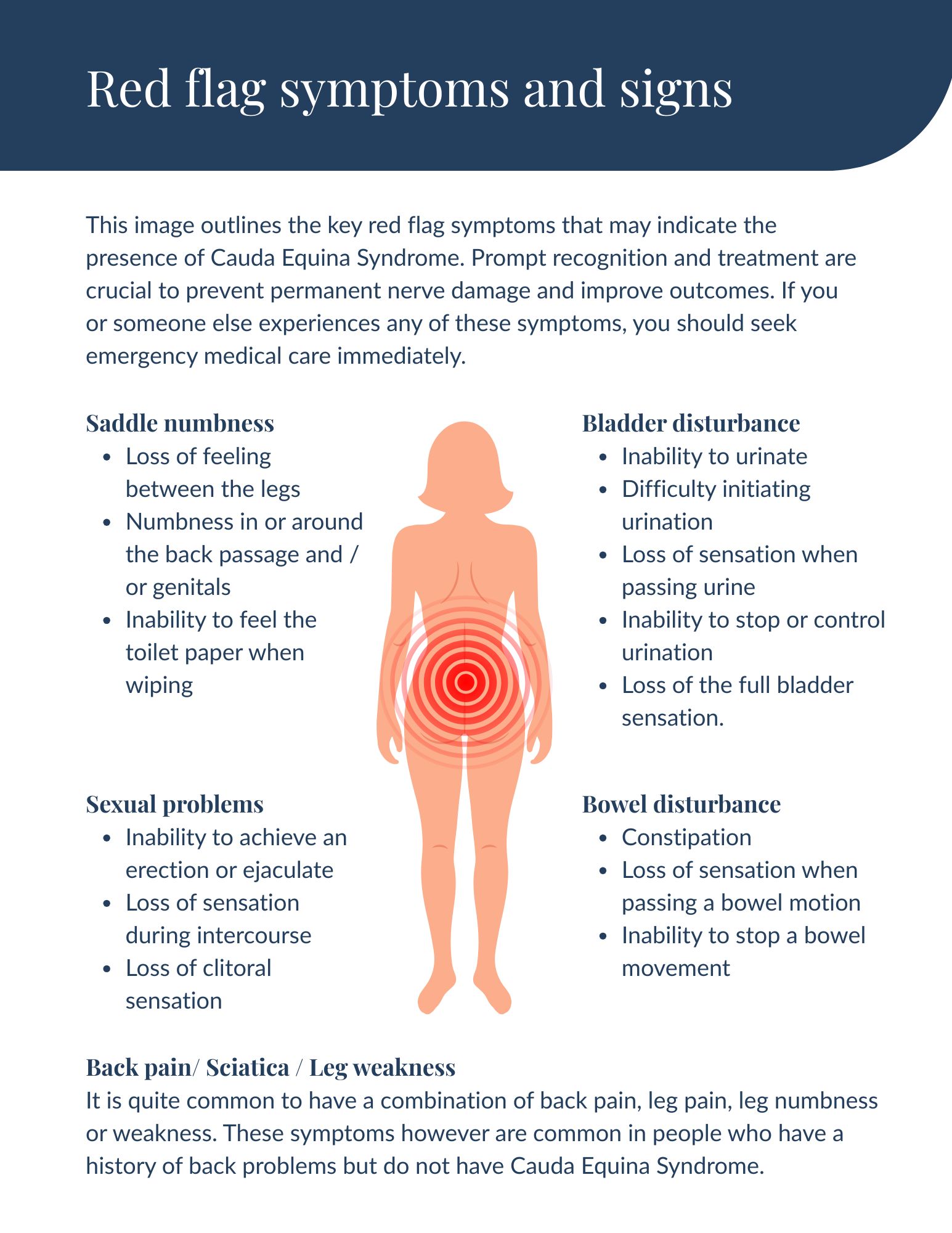
Stop Immediately If You Experience:
- New leg numbness or weakness (especially in calves or feet)
- Pain shooting below the knee that worsens with walking
- Loss of bladder/bowel control (cauda equina emergency)
- Fever with back pain (possible infection)
These require same-day medical evaluation—not “wait and see” approaches.
Conditions Needing Modified Walking Strategies
| Condition | Safe Walking Approach | Why It Works |
|---|---|---|
| Spinal stenosis | Walk leaning forward on shopping cart; limit to 10-minute bouts | Reduces pressure on compressed nerves |
| Recent disc herniation | Pool walking only (water buoyancy unloads spine) | Minimizes shear forces on injured disc |
| Unstable spondylolisthesis | Use walking poles; avoid hills/stairs | Poles reduce spinal load by 26% per biomechanical studies |
| Post-surgery (microdiscectomy) | Begin treadmill walking at 2-4 weeks post-op | Controlled surface prevents twisting |
Your 5-Week Back Pain Walking Plan
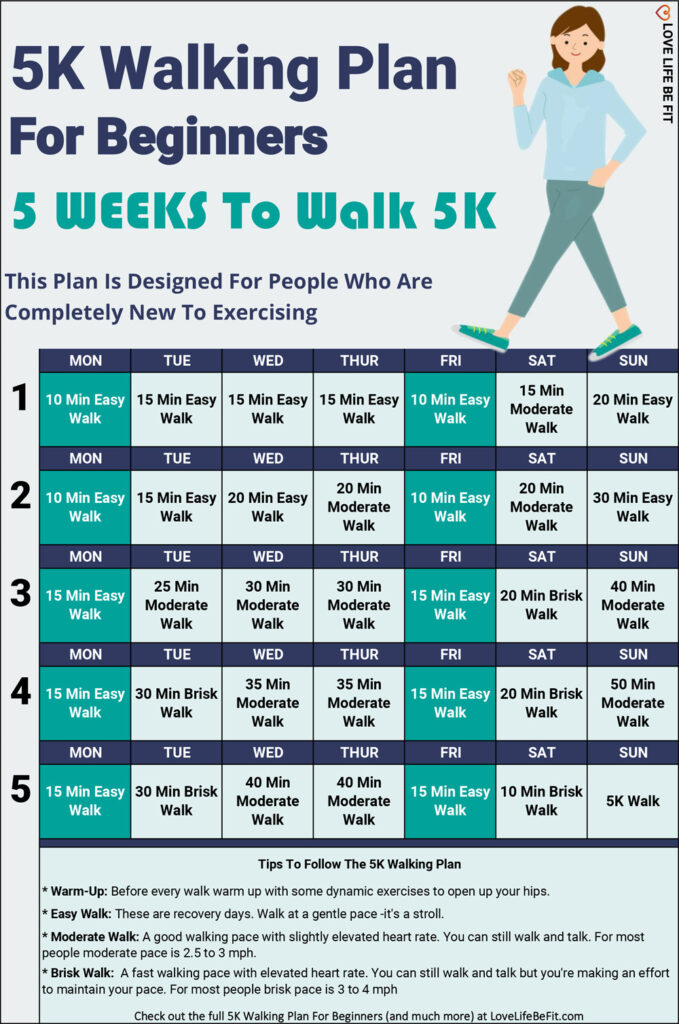
Follow this progression to avoid overdoing it:
| Week | Daily Duration | Key Focus | Pain Prevention Tip |
|---|---|---|---|
| 1 | 10 minutes, 3-4 days | Flat indoor surfaces | Wear supportive shoes (no flip-flops!) |
| 2 | 15 minutes, 4-5 days | Gentle arm swing | Stop if pain exceeds 3/10 on scale |
| 3 | 20 minutes, 5 days | Upright posture | Check shoulder position every 5 minutes |
| 4 | 25 minutes, 5-6 days | Natural stride length | Add brief cool-down stretches |
| 5+ | 30-45 minutes, 5-7 days | Consistent routine | Split into AM/PM walks if needed |
Pro Tip: Track your “pain score” before/after walks. If pain decreases during walking (even slightly), you’re on the right track. If it increases >2 points, scale back duration next time.
Boost Results: Pair Walking With These 3 Moves
Walking alone helps, but combining it with targeted exercises triples pain reduction based on meta-analysis data. Do these after your walk, 3x weekly:
- Glute Bridges (3 sets of 15): Lie on back, knees bent. Squeeze glutes to lift hips until body forms straight line. Why: Activates posterior chain muscles that take pressure off discs.
- Bird-Dog (10 reps/side): On hands/knees, extend opposite arm/leg while keeping hips level. Why: Trains deep spinal stabilizers to prevent micro-movements causing pain.
- Standing Hamstring Stretch (30 sec/leg): Place heel on low step, keep back straight as you hinge forward. Why: Relieves tension that pulls pelvis into painful anterior tilt.
When Walking Isn’t Enough: Your Action Plan
If you follow this protocol consistently for 4-6 weeks but still have:
– Pain >4/10 at rest
– Night pain disrupting sleep
– Symptoms spreading down legs
Take these steps immediately:
1. Stop all walking until evaluated
2. Get physical therapy referral—specific exercises outperform walking alone for stubborn cases
3. Rule out red flags with physician (imaging if neurological symptoms exist)
Never ignore worsening symptoms—they signal your body needs more targeted intervention.
Walking Works—but Only If Done Right
The evidence is undeniable: walking helps lower back pain for 85% of people with non-specific pain, reducing discomfort by up to 15 points and cutting recurrence risk by half. But success hinges on nailing three things: perfecting your posture to avoid re-injury, progressing slowly (no “weekend warrior” bursts), and pairing it with glute/core strengthening. Start with just 10 minutes daily this week—your spine’s natural repair system kicks in immediately. Within a month, you’ll likely stand taller, move freer, and finally trust your back again. Remember, the best walking program is the one you do consistently, so lace up today and take that first healing step.