
Back pain affects 50-80% of adults during their lifetime, making it one of the most common reasons people seek pain relief. When conventional treatments fail to provide adequate relief, many turn to CBD oil—but simply using it isn’t enough. Knowing how to use CBD oil for back pain effectively requires understanding your specific pain type, selecting the right product, and applying it correctly to target inflammation where it matters most.
Whether you’re struggling with arthritis-related stiffness, herniated disc discomfort, or unexplained muscle tension, CBD’s anti-inflammatory properties offer a promising alternative to traditional pain management. The difference between frustration and relief comes down to matching your CBD approach to your exact pain pattern and following a strategic application method that maximizes benefits while minimizing potential side effects.
Identify Your Specific Back Pain Type
Non-specific mechanical pain responds best to CBD’s muscle-relaxing effects. This common type—where no clear structural issue exists—often improves within weeks when inflammation subsides. Arthritis-related stiffness benefits from CBD’s ability to reduce joint swelling and improve mobility. Nerve compression pain (like sciatica) may ease as CBD reduces inflammation around irritated nerve roots.
Red flags requiring medical attention include progressive numbness, weakness, or pain lasting beyond six weeks. These symptoms suggest structural issues CBD cannot address. CBD works best for benign back pain categories including non-specific pain with no obvious cause and mechanical pain originating from joints, bones, or soft tissue around the spine.
Select the Right CBD Product for Your Back Pain

Match Application Method to Your Pain Location
Topical creams and balms excel for localized back pain. Apply directly to the affected vertebrae or muscle groups for targeted relief where inflammation occurs. The CBD penetrates through skin layers, working directly on pain receptors without entering your bloodstream. Sublingual drops work systemically, reaching receptors throughout your body—ideal for widespread inflammation or when topical application isn’t practical.
Broad spectrum products provide maximum benefit by combining CBD with other helpful cannabinoids and terpenes. This “entourage effect” amplifies pain relief without psychoactive effects. Isolate products contain pure CBD—choose these if sensitivity to other compounds is a concern.
Verify Critical Quality Markers
Always select third-party tested products with verified THC content below 0.3%. Reputable companies provide lab reports showing cannabinoid profiles and contaminant screening. Check for accurate CBD concentration labeling—a 30ml bottle containing 300mg CBD delivers 10mg per ml dropper. Avoid products making unrealistic claims or lacking proper documentation.
Determine Your Effective CBD Dosage

Begin with 5-10mg CBD daily for mild back pain. Increase gradually every 3-4 days if needed. Moderate pain typically responds to 15-25mg daily, while severe chronic pain may require 30-50mg or more. Body weight factors in: Heavier individuals often need higher doses. Start at 1-6mg per 10 pounds body weight.
Track your response with a pain diary rating discomfort 1-10 before and 2-3 hours after each dose. Note any side effects like drowsiness or appetite changes. Effective dosage typically provides noticeable relief within 1-2 weeks of consistent use. Remember there’s no standardized dosage—your ideal amount depends on product type, individual factors, and pain severity.
Apply Topical CBD for Direct Back Pain Relief
Clean the affected area with mild soap and warm water. Pat dry—don’t rub, which can irritate inflamed tissues. Apply a quarter-sized amount of cream or gel directly over painful vertebrae or muscle groups. For lower back pain (lumbar spine), which bears significant weight and is particularly vulnerable, focus on the area where discomfort is most intense.
Massage gently in circular motions for 30-60 seconds. Cover 2-3 inches beyond the most painful area to address referred pain patterns. Repeat 2-3 times daily for acute flare-ups, reducing to twice daily for maintenance. Pro tip: Apply topical CBD after warm showers when pores are open for better absorption—this timing maximizes transdermal delivery to inflamed tissues.
Maximize Oral CBD Effectiveness for Systemic Relief
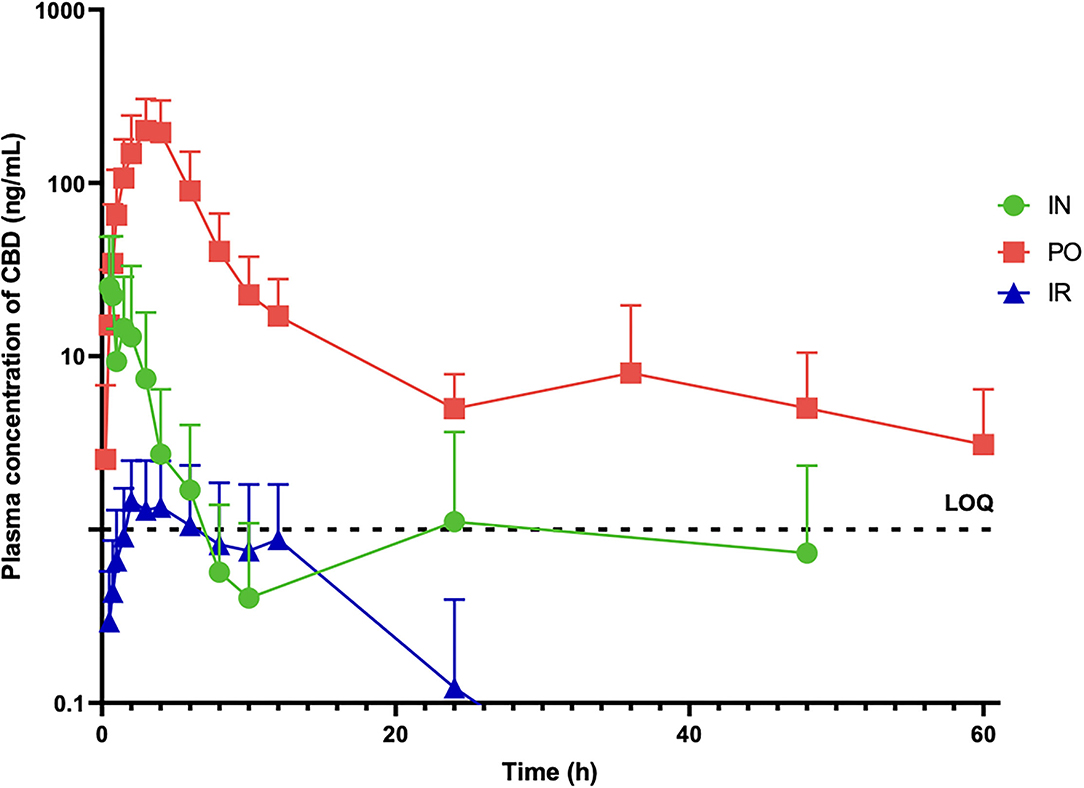
Sublingual method delivers fastest relief. Place drops under your tongue for 60-90 seconds before swallowing. This bypasses first-pass metabolism, reaching your system within 15-45 minutes. Capsules or gummies provide consistent dosing but take 1-2 hours to take effect—ideal for maintaining steady CBD levels throughout the day.
Take with fatty foods like nuts or avocados that help transport fat-soluble CBD, improving absorption. Morning dosing helps manage daytime inflammation, while evening administration supports better sleep and muscle recovery—critical for chronic pain management where sleep disruption often worsens the pain cycle.
Combine CBD with Strategic Movement
CBD works best alongside targeted physical therapy. Start gentle stretches 30-60 minutes after CBD application when muscles are relaxed and pain reduced. Walking for 10-15 minutes post-application helps distribute CBD systemically while promoting blood flow to stiff areas.
Focus on core strengthening and flexibility exercises that support long-term back health. Avoid high-impact activities immediately after dosing—CBD won’t fix structural issues like disc degeneration but creates a window for therapeutic movement that builds strength without exacerbating pain.
Monitor and Manage Potential Side Effects
Common reactions include dry mouth, mild fatigue, or appetite changes. These typically resolve within 3-7 days as your body adjusts. Serious concerns involve medication interactions—particularly with blood thinners or seizure medications that share metabolic pathways with CBD.
Stop immediately and consult your doctor if you experience severe dizziness, allergic reactions, or worsening pain. CBD is generally considered safe and well-tolerated, but quality varies significantly between products, making third-party verification essential for safety.
Integrate CBD with Professional Medical Care
Before starting CBD, discuss with your healthcare provider—especially if taking prescription medications. Diagnostic imaging may reveal structural issues requiring targeted treatment beyond symptom management. CBD works best as part of a comprehensive pain management program including physical therapy, chiropractic care, and lifestyle modifications.
Chronic pain lasting 4-6 weeks deserves professional evaluation. CBD complements—not replaces—necessary medical treatment for conditions like infections, cancer, or severe disc degeneration. For arthritis-related back pain, research shows CBD may reduce pain levels and joint inflammation, but more human studies are needed to confirm these benefits.
Optimize Storage for Maximum Potency
Store CBD oil in cool, dark locations away from heat and light. Bathroom medicine cabinets often experience temperature fluctuations—choose bedroom drawers instead. Refrigeration extends shelf life but isn’t required for most products.
Check expiration dates—typically 12-24 months from manufacture. Cloudy appearance or off smells indicate degradation. Properly sealed containers prevent oxidation that reduces potency. Proper storage ensures you’re getting the full benefit when you need it most during painful flare-ups.
Implement Long-Term CBD Strategies for Back Pain
Cycle your approach: After 3-4 months of consistent use, try a 1-week break to assess baseline pain levels. This prevents tolerance buildup and helps gauge CBD’s true impact. Adjust seasonally—higher doses often needed during cold, damp weather when back pain typically worsens.
Combine methods: Use topical CBD for immediate relief during acute flare-ups, while maintaining oral dosing for systemic inflammation control. Track patterns in your pain diary to identify triggers and optimal timing—this personalized data transforms guesswork into precision pain management.
Bottom line: Knowing how to use CBD oil for back pain effectively transforms it from another failed remedy into a powerful tool in your pain management arsenal. Success depends on matching the right product type to your specific pain pattern, starting with conservative doses, and maintaining consistency. While CBD can’t reverse structural damage, it can significantly reduce inflammation and improve your quality of life as part of a comprehensive approach to back pain management. When combined with professional medical care and strategic movement, CBD oil offers a safe, effective pathway to reclaiming your daily activities without constant discomfort.