
That sharp, radiating pain shooting down your leg after a sudden back spasm leaves you desperate for answers. When your doctor prescribes prednisone for back pain, the burning question isn’t if it works—it’s how quickly does prednisone work for back pain? You’re not alone; millions of patients start this medication hoping for rapid relief from sciatica, herniated discs, or inflammatory arthritis. Understanding the exact timeline could mean the difference between waiting patiently for results and unnecessarily enduring pain.
Most patients experience the first subtle signs of improvement within 24 hours, with meaningful pain reduction typically arriving between 48-72 hours. But your specific relief window depends critically on inflammation severity, dosage, and underlying condition. This guide cuts through the confusion with hour-by-hour expectations backed by clinical evidence, so you’ll know exactly when to expect relief—and when to seek alternative solutions if prednisone isn’t working as it should.
When Prednisone Starts Reducing Back Pain
First Noticeable Relief: 1-24 Hour Window
Your pain’s intensity directly impacts how quickly does prednisone work for back pain. For mild inflammatory flares, you might detect reduced stiffness within 2-6 hours as the medication begins suppressing cytokine production. Moderate sciatica from disc herniation typically shows initial improvement between 12-24 hours when nerve root swelling starts decreasing. However, severe radiculopathy with significant nerve compression often requires the full 24-48 hours before any change occurs—don’t panic if you don’t feel immediate results with intense pain.
Peak Pain Reduction: 48-72 Hour Mark
By the second full day of treatment, most patients report measurable relief as prednisone reaches maximum anti-inflammatory effect. A landmark study tracking 269 sciatica patients on a standard 5-day taper found prednisone began outperforming placebo precisely at the 72-hour mark. While some experienced dramatic pain reduction, others saw only modest gains—highlighting why individual factors matter so much. If you’ve taken adequate doses (20-60 mg daily) but feel zero improvement by day 3, this signals the need for medical reevaluation rather than continued waiting.
Inflammation Level Determines Your Timeline
| Inflammation Severity | First Relief Noticeable | Significant Pain Reduction |
|---|---|---|
| Mild early flare | 2-6 hours | Within 24 hours |
| Moderate sciatica | 12-24 hours | 48-72 hours |
| Severe nerve compression | 24-48 hours | 3-4 days |
Why Your Relief Speed Varies
Dose Size Directly Controls Onset Speed
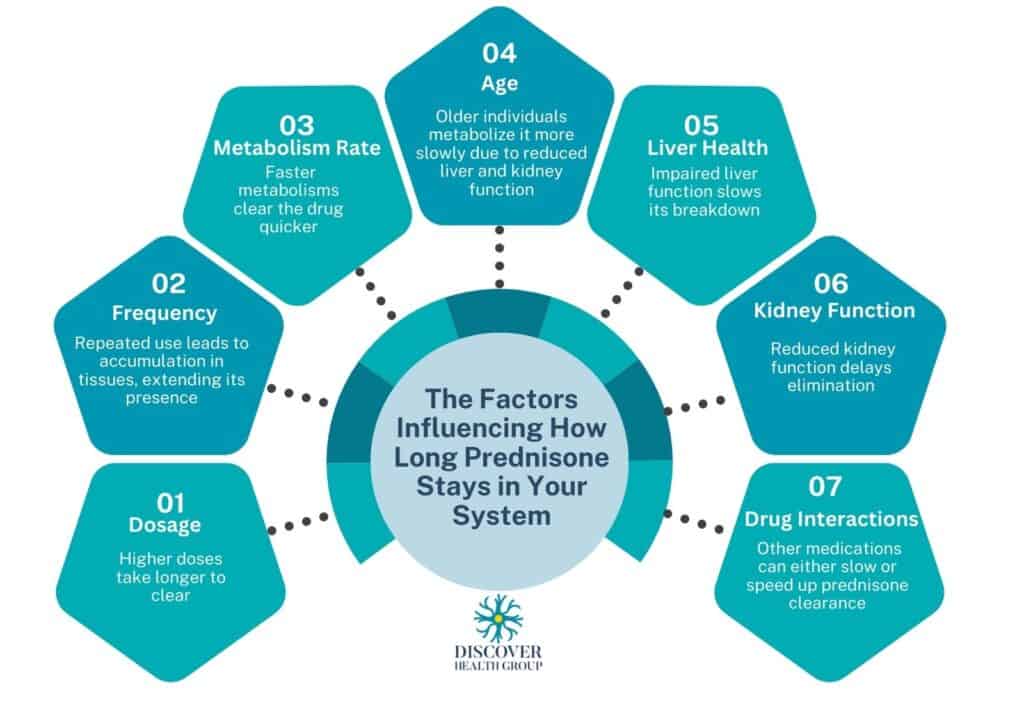
How quickly does prednisone work for back pain hinges critically on dosage. Low doses (2.5-10 mg daily) often fail to suppress severe inflammation, potentially taking over 48 hours or providing no meaningful relief. Standard starting doses (20-60 mg daily) hit the therapeutic threshold for most acute flares. For fastest action, high-dose protocols (1-1.5 mg per kg of body weight) can produce noticeable improvement within hours—especially during severe radiculopathy episodes. Never adjust your dose without medical guidance, as higher doses increase side effect risks.
Immediate vs. Delayed-Release Formulations
Most patients receive immediate-release prednisone tablets that peak in your bloodstream within 2 hours—ideal for rapid inflammation control. Delayed-release versions like Rayos reach maximum levels around 6 hours, potentially adding slight delay. Crucially: Taking prednisone with food doesn’t meaningfully slow absorption but significantly reduces stomach irritation. Avoid antacids or bile acid medications within 2 hours of your dose, as these can impair absorption and delay relief.
Your Biology Changes the Clock
Genetic differences in glucocorticoid receptor sensitivity explain why some patients feel relief within hours while others need the full 72-hour window. Those with high sensitivity often notice early mood or energy shifts within 6 hours—a useful absorption indicator. Kidney or liver function also plays a role, as impaired organ function may prolong medication clearance. Discuss any ongoing medications with your doctor, as certain drugs interact with prednisone’s metabolism.
Standard Prednisone Protocol and Expected Results
The 5-Day Taper Schedule Breakdown
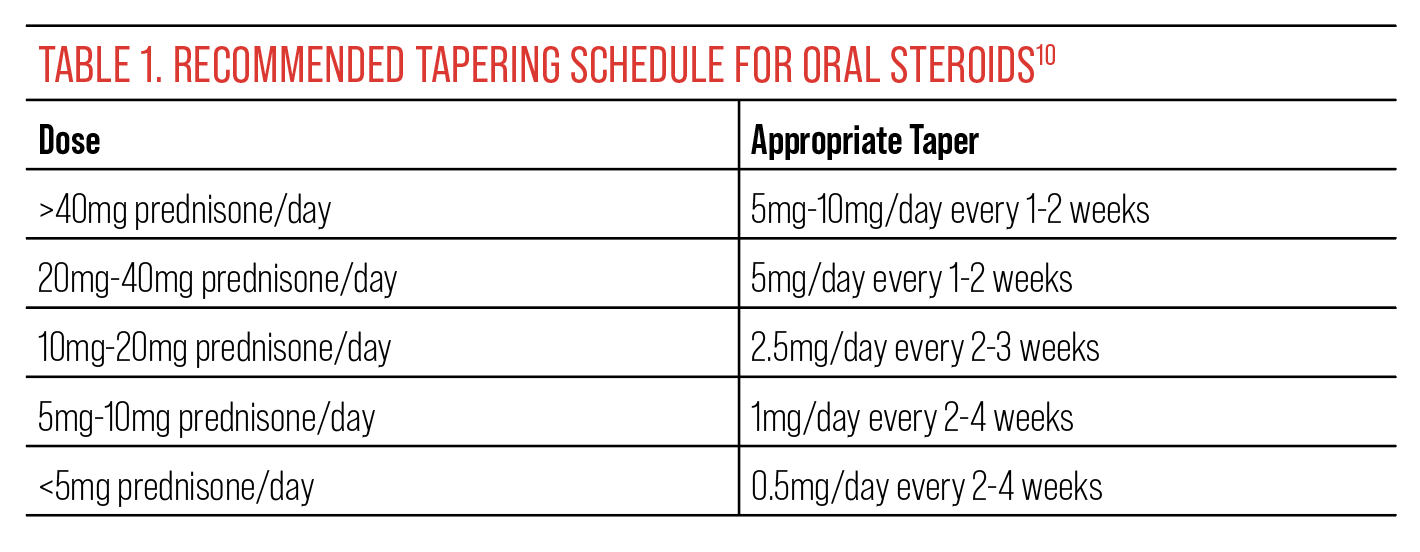
| Day | Prednisone Dose | What to Expect |
|---|---|---|
| 1 | 60 mg | Possible early energy boost within 6 hours; minimal pain relief |
| 2 | 40 mg | First measurable pain reduction; test walking tolerance |
| 3 | 20 mg | Significant relief for moderate cases; plateau possible |
| 4 | 10 mg | Monitor for symptom return as dose decreases |
| 5 | 5 mg | Discontinue if effective; consider slower taper if pain rebounds |
Pro Tip: Always take your dose with breakfast to protect your stomach while maintaining rapid absorption. Morning dosing aligns with your body’s natural cortisol rhythm, potentially enhancing effectiveness.
Tracking Your Daily Progress
Don’t guess whether prednisone is working—document objectively:
– 6 hours: Note any mood/energy changes (early absorption sign)
– 24 hours: Rate pain 0-10; measure walking distance without worsening
– 48 hours: Perform straight-leg-raise test; if pain hasn’t decreased 30%, contact your doctor
– 72 hours: Make treatment decisions—no improvement warrants reevaluation
Conditions with Fastest Prednisone Response
Top 5 Diagnoses for Rapid Relief
Prednisone works fastest when inflammation—not degeneration—drives your pain. These conditions typically show dramatic improvement:
1. Acute sciatica from herniated disc: Reduced nerve root swelling within hours
2. Radiculopathy with visible nerve edema: Compression relief as inflammation subsides
3. Inflammatory spondyloarthritis: Direct impact on autoimmune joint inflammation
4. Spinal stenosis flares: Though benefits may be modest per recent studies
5. Post-viral transverse myelitis: Rare but often shows within-hours improvement
Why Inflammation Type Matters Most
These conditions share a critical feature: active inflammation is the primary pain generator. When prednisone suppresses cytokines and reduces swelling around nerves or joints, pressure decreases rapidly—often within the first 24 hours. Conversely, chronic mechanical back pain from degenerative disc disease responds poorly since structural damage isn’t inflammation-driven. If your MRI shows nerve root edema, you’re far more likely to experience rapid relief.
Critical Warning Signs to Watch For
The 72-Hour Red Flag Rule
Mark your calendar: If you’ve taken 40+ mg daily for 3 full days with zero improvement, this isn’t normal. Potential causes include:
– Incorrect diagnosis (possible fracture, infection, or tumor)
– Inadequate dosage for your inflammation level
– Non-inflammatory pain source requiring different treatment
Do not assume “more time” will help—contact your doctor immediately for reevaluation. Partial relief (20-30% improvement) may warrant adding gabapentinoids or muscle relaxants while continuing the taper.
Daily Monitoring Checklist
| Timeframe | Action Required |
|---|---|
| First 6 hours | Record energy/mood changes (confirms absorption) |
| 24 hours | Document pain score and functional limitations |
| 48 hours | If <30% improvement, prepare questions for doctor |
| 72 hours | Decide whether to continue, adjust, or switch treatments |
Maximizing Your Prednisone Response Speed
Strategic Timing Techniques
Take your dose with a small breakfast containing protein to minimize gastric side effects without delaying absorption. Morning dosing leverages your body’s natural cortisol rhythm for optimal anti-inflammatory effect. If prescribed divided doses, take the largest portion in the morning and space others evenly—but never skip doses during the taper.
Complementary Actions While Waiting
While prednisone takes effect:
– Keep moving gently: Short 5-minute walks hourly prevent stiffness
– Ice, don’t heat: Apply cold packs 20 minutes on/20 off for acute inflammation
– Hydrate aggressively: 8 glasses of water daily improves medication distribution
– Avoid NSAIDs initially: Let prednisone work alone for first 48 hours before adding ibuprofen
Injectable vs. Oral Prednisone: Speed Comparison
Epidural Steroid Injections for Faster Relief
When oral prednisone fails or speed is critical, doctors may recommend:
– Dexamethasone 4-8 mg epidural: Relief often within 24 hours, lasting weeks to months
– Betamethasone 6 mg injection: Similar rapid onset with prolonged effect
– Critical limitation: Maximum 3-4 injections yearly to prevent bone density loss
Note: Injections target medication precisely to inflamed nerves but carry small risks of infection or nerve injury. They’re typically reserved for severe cases unresponsive to oral steroids.
When Injections Make Medical Sense
Consider this option if:
– You’ve had zero improvement after 72 hours on 40+ mg oral prednisone
– Pain prevents basic mobility and you need fastest possible relief
– Oral steroids cause intolerable side effects (insomnia, mood swings)
– Previous injections provided excellent relief for your condition
Key Takeaways for Predicting Your Relief
For inflammatory back pain—from sciatica to autoimmune arthritis—how quickly does prednisone work for back pain follows a predictable pattern: first relief within 24 hours, meaningful improvement by 48-72 hours when dosed adequately (20-60 mg daily). This timeline holds true for most patients with active inflammation, but your individual biology and condition severity create natural variations.
The critical rule: if you’ve taken sufficient doses for 72 hours with no relief, don’t wait longer. This red flag indicates your pain may have a non-inflammatory cause requiring different treatment. Work with your doctor to adjust your approach—whether through dose modification, adding complementary medications, or exploring injection options. Track your progress daily using objective measures, and remember that prednisone is just one tool in your pain management toolkit. When used correctly, it can provide the rapid relief you need to begin physical therapy and long-term recovery strategies.