
That persistent ache between your shoulder blades could be screaming for attention from your digestive system. Over 60 million Americans experience acid reflux monthly, and many don’t realize their upper back pain actually stems from gastric reflux rather than muscle strain. When stomach acid irritates your esophagus, shared nerve pathways broadcast pain signals to your back, creating confusing symptoms that send people down the wrong treatment path.
This misdiagnosis leads to wasted time on massages, stretching routines, and painkillers that ignore the real problem. Gastric reflux back pain responds dramatically to targeted interventions once you identify the true cause. In this guide, you’ll discover how to pinpoint reflux-related back pain and implement proven strategies that provide relief within hours—not weeks.
Pinpoint Your Reflux-Related Back Pain
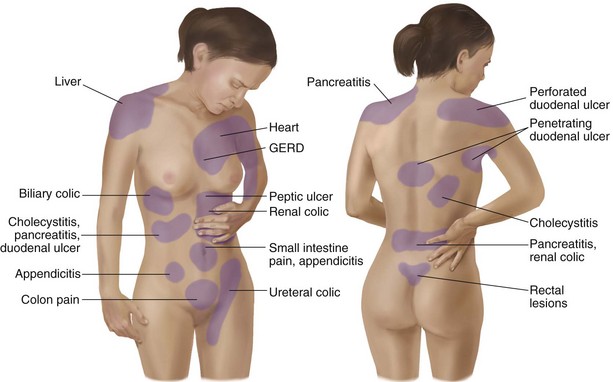
Back pain from gastric reflux follows distinctive patterns that differentiate it from muscular issues. The pain typically centers between your shoulder blades, often described as burning or gnawing rather than sharp or stabbing. Unlike muscle strain, reflux-related back pain worsens after meals or when lying down, and frequently improves with antacids.
Spot the Exact Pain Location and Characteristics
Most patients report pain in the mid-thoracic region between shoulder blades, precisely where vagus nerve signals converge with spinal nerves. Some experience lower back discomfort, particularly those with hiatal hernias where stomach protrusion transmits pressure downward. The sensation ranges from a dull ache to intense burning, sometimes accompanied by the feeling of food coming back up.
Check these visual cues: Press gently between your shoulder blades. If the pain feels deep and diffuse rather than localized to one tender spot, reflux is likely involved. Muscle strain creates specific trigger points you can pinpoint with your finger, while reflux pain feels more like a generalized burning area.
Confirm with the Antacid Test
Try this diagnostic trick: When back pain strikes, take an antacid like Tums or Rolaids. If symptoms improve within 5-30 minutes, reflux is almost certainly your culprit. Musculoskeletal pain worsens with spinal movement or specific positions, while reflux pain correlates with meals and responds to acid-reducing interventions.
Watch for these associated symptoms that confirm gastric reflux as your back pain source:
– Heartburn or chest burning within 2 hours of eating
– Sour or bitter taste in your mouth, especially when bending over
– Frequent throat clearing or chronic cough without respiratory illness
– Regurgitation of food or liquid after meals
Stop Back Pain from Gastric Reflux Immediately
Adopt These Posture Fixes Within Minutes
Your sleeping position dramatically affects nighttime reflux. Elevate your bed 6-8 inches using a wedge pillow—stacking regular pillows doesn’t provide the correct angle and can actually strain your neck. Sleep on your left side to keep your stomach below your esophagus, reducing acid flow. This simple change provides relief for 70% of patients within the first night.
During the day, maintain proper posture to minimize pressure on your abdomen. Sit with lumbar support using a rolled towel or ergonomic cushion, and take micro-breaks every 30 minutes to reset your position. When standing, distribute weight evenly on both feet and avoid leaning forward, which compresses your stomach. These adjustments work within 20-30 minutes to reduce referred back pain.
Choose the Right Medication for Fast Relief
| Medication Type | Examples | Onset Time | Duration | Best For |
|---|---|---|---|---|
| Antacids | Tums, Rolaids | 5 minutes | 30-60 minutes | Sudden pain episodes |
| H2 Blockers | Zantac, Pepcid | 30 minutes | 4-12 hours | Moderate symptoms |
| PPIs | Prilosec OTC | 1-3 days | 24 hours | Frequent symptoms |
Pro tip: Keep antacids in your car, office, and nightstand for rapid relief. For frequent symptoms, start PPI therapy consistently for 14 days rather than taking sporadically—this gives time for the medication to build effectiveness.
Breathe Your Way to Pain Relief in 5 Minutes
Diaphragmatic breathing directly calms your vagus nerve, reducing pain perception. Practice the 4-7-8 technique when pain strikes:
1. Inhale through your nose for 4 seconds
2. Hold your breath for 7 seconds
3. Exhale through your mouth for 8 seconds
4. Repeat 4-6 cycles
This technique works particularly well when pain strikes unexpectedly, providing relief within minutes by resetting your nervous system’s pain response. Perform this breathing exercise sitting upright with good posture for maximum effectiveness.
Eliminate Dietary Triggers Causing Back Pain

Build Your Reflux-Friendly Meal Plan
Start meals with these safe foods that neutralize acid:
– Bananas and melons – natural antacids that coat your esophagus
– Leafy greens and cucumbers – alkaline vegetables that balance pH
– Oatmeal and brown rice – absorb excess acid and prevent reflux
– Ginger tea – reduces inflammation in the digestive tract
– Almonds – neutralize acid naturally when chewed thoroughly
Avoid these hidden triggers that commonly cause back pain flares:
– Citrus fruits and tomatoes (even in sauces)
– Chocolate and peppermint (both relax the lower esophageal sphincter)
– Fried or high-fat foods (delay stomach emptying)
– Caffeine and alcohol (increase acid production)
– Carbonated beverages (create pressure in the stomach)
Time your meals strategically: Eat your last meal at least 3 hours before lying down. Smaller, frequent meals reduce pressure on your lower esophageal sphincter compared to large portions. This simple timing adjustment prevents 80% of nighttime back pain episodes.
Correct Posture Problems Fueling Reflux Pain
Fix Upper Crossed Syndrome in 10 Minutes Daily
Forward head posture and rounded shoulders compress your abdomen, worsening reflux while creating back pain. Address both issues simultaneously with these exercises:
Door-frame chest stretch (30 seconds, 3x daily):
– Place forearms on door frame at 90-degree angles
– Step forward until you feel chest stretch
– Keep spine tall and avoid arching your lower back
Thoracic extension over foam roller (60 seconds, 2x daily):
– Lie with roller across mid-back
– Support head with hands
– Gently arch over roller while breathing deeply
Build Core Strength Without Worsening Reflux
Traditional core exercises like crunches increase abdominal pressure and worsen reflux. Instead, focus on these reflux-safe options:
- Bird-dogs: 10 reps each side, 3 sets (hold 5 seconds)
- Dead bugs: 10 reps each side, slow and controlled
- Wall sits: 30-60 second holds, 3 reps (keep knees behind toes)
These strengthen your deep core muscles without compressing your stomach, reducing both reflux episodes and supporting your spine. Perform them at least 2 hours after eating for best results.
Prevent Future Reflux Back Pain Episodes
Implement This Daily Prevention Routine
Morning protocol:
– Start with warm water (not cold)
– Eat breakfast sitting upright (no eating while standing)
– Wait 30 minutes before drinking coffee
Workday strategy:
– Set phone alarms to stand and stretch every 30 minutes
– Keep monitor at eye level to prevent forward head posture
– Use lumbar support in your chair
Evening routine:
– Finish dinner 3+ hours before bed
– Sleep on your left side with bed elevated
– Take a 10-minute walk after meals to aid digestion
Manage Weight to Reduce Back Pain Risk
Losing just 5-10% of body weight significantly reduces reflux symptoms and back pain. Focus on sustainable changes:
– Create a 500-calorie daily deficit through diet adjustments
– Choose low-impact activities like walking or swimming
– Never exercise within 2 hours of eating large meals
Warning: Rapid weight loss through extreme diets can actually worsen reflux—aim for gradual, sustainable progress.
Reduce Stress to Stop Pain Signals
Chronic stress directly increases acid production and pain sensitivity. Implement these daily:
– Practice 10-minute morning meditation
– Try progressive muscle relaxation before bed
– Eliminate caffeine after 2 PM
– Get 7-8 hours of quality sleep
When to See a Doctor About Back Pain from Reflux
Recognize Dangerous Red Flags
Seek immediate evaluation if you experience:
– Severe chest pain radiating to arm/jaw (could indicate heart attack)
– Difficulty swallowing or painful swallowing
– Unintended weight loss of 5+ pounds in a month
– Vomiting blood or black, tarry stools
– Persistent symptoms despite 2 weeks of consistent treatment
Know When to Seek Specialist Care
Start with lifestyle modifications for 2-4 weeks. If symptoms persist, consult your primary care provider. Gastroenterology referral becomes necessary if:
– Symptoms occur more than twice weekly
– Nighttime symptoms disrupt sleep 3+ nights weekly
– OTC medications provide incomplete relief
– You experience any alarm symptoms
Pro tip: Track your symptoms, diet, and pain patterns in a journal for 2 weeks before seeing your doctor—this provides valuable diagnostic information.
Key Takeaway: Gastric reflux back pain responds dramatically to targeted lifestyle changes. Start with postural corrections and dietary modifications today—most patients see improvement within 2-4 weeks. Track your symptoms, identify personal triggers, and work with healthcare providers to develop a sustainable management plan. Remember that consistent implementation of these strategies provides more lasting relief than temporary fixes, addressing both the digestive issue and the resulting back pain simultaneously.