

You wake up, reach to silence your alarm, and wince—your neck feels locked in place, your lower back screams with every movement. Sound familiar? You’re not alone. Morning neck and back pain after sleeping affects millions, turning what should be restorative rest into a daily struggle. The good news: most cases stem from preventable causes you can control tonight.
This guide reveals exactly why your mattress or pillow might be sabotaging your sleep, plus proven fixes that eliminate 90% of morning pain without medication or expensive treatments. Stop wasting money on temporary solutions—these science-backed strategies target the root causes of your discomfort so you can finally wake up refreshed.
Identify Your Pain Pattern
Morning Stiffness vs. Sharp Pain
Morning stiffness feels like cement in your joints—slow to loosen, but improves as you move. This typically indicates muscle tension from poor positioning. Sharp, shooting pain that makes you gasp suggests nerve involvement or structural issues requiring immediate attention.
Track your symptoms for three mornings. Note:
– Location: Neck only? Lower back? Both?
– Intensity: 1-10 scale
– Duration: Gone after coffee? Lingers all day?
– Movement triggers: Turning your head? Sitting up?
This simple tracking reveals whether your pain stems from sleep position issues or something more serious. Most morning neck and back pain after sleeping resolves with positional adjustments, while neurological symptoms demand professional evaluation.
Red Flags You Can’t Ignore
Seek medical care immediately if you experience:
– Numbness or tingling in arms/legs
– Loss of bladder/bowel control
– Fever with severe pain
– Pain after significant fall or trauma
– Progressive weakness in limbs
These symptoms may indicate serious conditions like nerve compression or spinal issues that require urgent treatment. Don’t dismiss them as “just a bad night’s sleep”—prompt medical attention prevents permanent damage.
Decode Your Sleep Position Problems

Why Stomach Sleeping Destroys Your Spine
When you sleep face-down, your neck rotates 45-90 degrees for 6-8 hours straight. This creates rotational stress that compresses cervical joints and stretches neck muscles asymmetrically. Your lower back also hyperextends, jamming lumbar vertebrae together.
Quick test: Check your pillow for facial indentations on one side—clear sign you’re a stomach sleeper. This position forces your spine into unnatural alignment all night, explaining why you wake with neck and back pain after sleeping.
Side Sleeping Alignment Fixes
Perfect side sleeping requires three contact points:
1. Head: Pillow fills gap between ear and shoulder
2. Knees: Pillow between knees keeps hips level
3. Waist: Small towel roll prevents spine sagging
Pro tip: Hug a body pillow to prevent rolling onto your stomach. This position naturally maintains spinal alignment while cushioning pressure points, making it ideal for preventing morning neck and back pain after sleeping.
Back Sleeping for Maximum Relief
Back sleeping naturally aligns your spine when done correctly. Place a pillow under your knees to maintain your lower back’s natural curve. Your pillow should support—not tilt—your neck, keeping ears aligned with shoulders.
Transition trick: Start side-sleeping with a body pillow, gradually rotating toward your back as you fall asleep. This position distributes body weight evenly, reducing pressure on discs and joints that cause morning discomfort.
Choose Correct Pillow Height Instantly

Neck Pain Pillow Formula
Measure shoulder width to determine optimal pillow height:
– Narrow shoulders (under 14″): 3-4 inch pillow
– Medium shoulders (14-16″): 4-5 inch pillow
– Broad shoulders (16″+): 5-6 inch pillow
Test by lying on your side—your neck should form a straight line with your spine, not tilt up or down. Too high or too low pillows strain neck muscles throughout the night, directly causing neck and back pain after sleeping.
Pillow Material Guide
- Memory foam: Molds to neck curve, good for side sleepers
- Latex: Responsive support, ideal for combination sleepers
- Down/feather: Adjustable height, requires frequent fluffing
- Cervical rolls: Targeted neck support for chronic pain
Replace immediately if your pillow fails this test: Fold it in half—if it doesn’t spring back within 10 seconds, it’s dead. Pillows lose support over time, failing to maintain proper spinal alignment during sleep.
Replace Your Mattress Before It’s Too Late
6-8 Year Replacement Rule
Most mattresses lose 25% of their support within 6 years. Signs yours is failing:
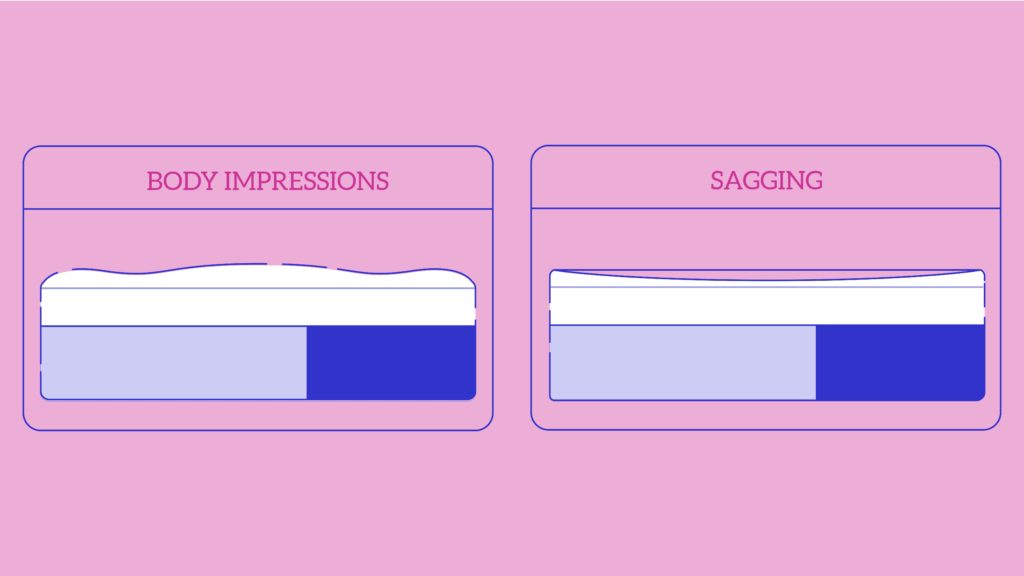
– Visible sagging deeper than 1 inch
– You roll toward the center
– Morning pain improves when you sleep elsewhere
– Lumps or permanent body impressions
Mattresses that no longer support spinal alignment are primary culprits behind persistent neck and back pain after sleeping. Don’t wait until they’re completely broken—replace proactively.
Firmness Selection Made Simple
Choose based on your dominant sleep position:
– Side sleepers: Medium to medium-soft for shoulder/hip cushioning
– Back sleepers: Medium-firm for lumbar support
– Stomach sleepers: Firm to prevent spine hyperextension
Test method: Lie on a mattress for 15 minutes in your usual position. Your spine should maintain its natural S-curve without pressure points. The right firmness prevents misalignment that causes morning pain.
5-Minute Pre-Sleep Routine
Targeted Stretching Sequence
Perform these moves nightly for 30 days:
1. Neck releases: 10 slow head turns each direction
2. Shoulder rolls: 10 forward, 10 backward
3. Cat-cow stretches: 10 reps on hands and knees
4. Child’s pose: Hold 30 seconds, focus on breathing
5. Knee-to-chest: 30 seconds each side
This simple sequence releases daytime tension before it hardens overnight. Consistent practice reduces morning neck and back pain after sleeping by improving spinal flexibility and circulation.
Stress Release Techniques
Progressive muscle relaxation melts tension before bed:
– Tense shoulders for 5 seconds, then release completely
– Work down your back, contracting and relaxing each muscle group
– Finish with full-body scan, releasing any remaining tension
Stress creates muscle tension that worsens during sleep. This technique prevents overnight tightening that leads to painful mornings.
Immediate Morning Relief
First 10 Minutes Out of Bed
Don’t sit up quickly—this compresses your spine. Instead:
1. Log roll: Turn onto your side, swing legs off bed
2. Hot shower: Direct water on neck/back for 10 minutes
3. Gentle neck rolls: Slow, controlled movements only
4. Heat therapy: Heating pad for 20 minutes while getting ready
This sequence gently mobilizes stiff joints without aggravating inflammation. Rushing upright after waking often worsens morning neck and back pain after sleeping.
Quick Pain-Relief Tools
Keep these bedside for rough mornings:
– Ice pack: For sharp, acute pain (first 24-48 hours)
– Heating pad: For muscle stiffness and tension
– Massage ball: Roll between shoulder blades against wall
– Topical cream: Voltaren gel for localized relief
Having these tools ready prevents reaching for ineffective solutions when pain strikes. Targeted treatment works faster than generic painkillers.
Long-Term Prevention Strategies

Daytime Posture Reset
Every 30 minutes at your desk:
– Shoulder blade squeeze: Hold 5 seconds, release
– Chin tucks: Gently pull chin back, hold 5 seconds
– Standing breaks: Walk for 2 minutes every hour
– Monitor height: Top of screen at eye level
Poor daytime posture creates muscle imbalances that manifest as morning neck and back pain after sleeping. These micro-adjustments maintain spinal health throughout your waking hours.
Core Strengthening Basics
Strong core muscles support your spine 24/7. Start with:
– Bird-dog: 10 reps each side, hold 5 seconds
– Dead bug: 10 reps, maintain flat back
– Side planks: 30-second holds, progress as able
– Glute bridges: 15 reps, squeeze at top
Your core acts as a natural brace for your spine. Consistent strengthening prevents the misalignment that causes sleep-related pain.
Pillow Rotation Schedule
Maintain optimal support by:
– Fluffing daily: Redistribute filling evenly
– Rotating weekly: Flip or rotate head-to-foot
– Replacing annually: Mark your calendar
– Testing quarterly: Check for height changes
Pillows degrade unevenly based on sleep position. This maintenance routine ensures consistent support that prevents morning discomfort.
When Professional Help Becomes Essential
Self-Assessment Checklist
Answer these every Monday morning:
– Pain level higher than 5/10 for 3+ days?
– Pain radiating into arms or legs?
– Numbness or tingling present?
– Sleep quality affected 3+ nights/week?
– Home remedies providing no relief?
This systematic check prevents ignoring worsening conditions. Most sleep-related pain improves with home care within 2 weeks—if not, professional guidance becomes essential.
Healthcare Provider Path
Start with your primary care doctor, then consider:
– Physical therapist: Custom exercise programs and manual therapy
– Chiropractic care: Spinal adjustments for alignment issues
– Massage therapy: Targeted muscle tension release
– Pain specialist: For chronic cases requiring advanced treatment
Early professional intervention prevents minor issues from becoming chronic problems. Don’t wait months suffering when targeted care can resolve issues quickly.
Your Next Step: Tonight, take a photo of your pillow and mattress. If either shows visible wear or you can’t remember when you bought them, schedule replacement within 30 days. Most morning pain disappears within two weeks of fixing these two critical factors.