

That sharp, stabbing sensation when you tilt your head backward can stop you mid-motion. Whether you’re trying to watch fireworks, change a light bulb, or simply stretch after hours at your desk, this pain transforms a simple movement into a moment of dread. While this discomfort affects countless people daily, understanding its root causes reveals clear paths to relief.
Most cases resolve with targeted strategies and lifestyle adjustments. Neck pain when tilting head back typically stems from specific mechanical issues rather than serious conditions. This guide breaks down exactly why your neck protests when you look up, how to distinguish between minor strain and serious conditions, and proven methods to restore pain-free movement within days or weeks.
Why Your Neck Screams When You Look Up
Muscle Strain from Poor Posture Habits
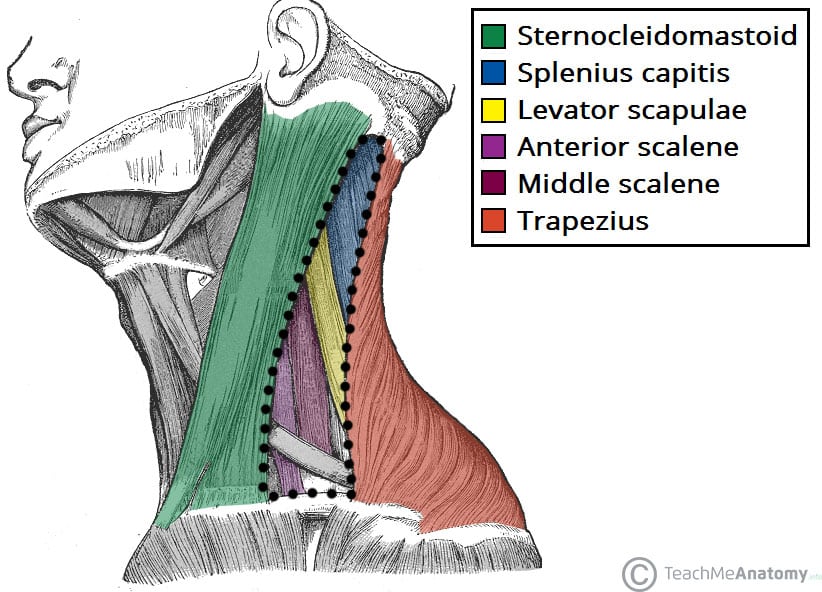
Your neck contains over twenty muscles working in precise coordination. The sternocleidomastoid muscles running along each side of your neck, combined with deeper cervical muscles, control backward tilting motions. When these muscles become tight from poor posture or overworked from sustained positions, they reach their flexibility limit quickly.
Slouching at a computer for eight hours creates microscopic muscle fatigue. This accumulated tension means the first backward tilt triggers protective spasms. Contact sports, whiplash injuries, or even sleeping awkwardly can create small muscle tears that inflame with extension movements.
Pro Tip: Test for muscle strain by gently pressing along both sides of your neck. Tenderness along the sternocleidomastoid muscles (running from behind your ear to your collarbone) indicates strain.
Ligament Sprain from Overextension During Daily Activities
Ligaments act as stability cables between cervical vertebrae, allowing flexibility while preventing dangerous movements. Tilting your head too far backward can stretch these ligaments beyond their normal range, creating microscopic tears. This sprain generates immediate pain and lasting inflammation.
People with naturally loose joints face higher risks, as their ligaments provide less inherent stability. The pain typically appears as a dull ache deep in the neck that intensifies with any backward movement. Common triggers include:
- Reaching for high shelves
- Looking up at screens mounted too high
- Sudden backward jerks during exercise
Pinched Nerve Triggered by Head Extension
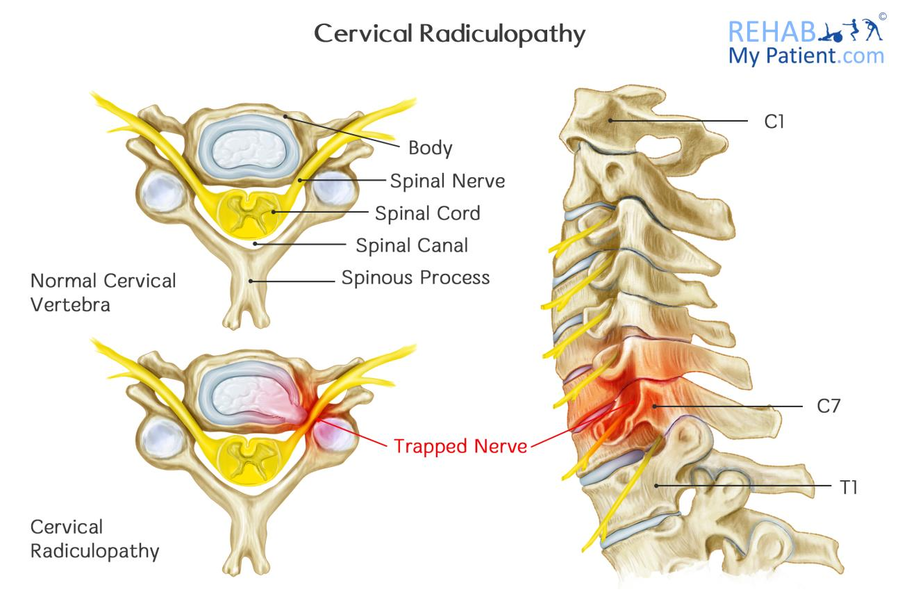
Cervical discs can bulge or herniate, pressing against nerve roots where they exit the spinal column. Tilting your head backward narrows these exit spaces, increasing nerve compression. This creates sharp, electric pain that may radiate down arms or into shoulders.
Bone spurs from degenerative changes can also compress nerves during extension. The pain often includes tingling, numbness, or weakness in addition to neck discomfort. Warning: If you experience arm weakness with neck pain, consult a doctor immediately.
How to Identify Your Specific Neck Pain Cause
Pain Pattern Recognition for Targeted Treatment
Sharp, stabbing pain during backward tilting typically indicates nerve root irritation or acute muscle strain. This pain often has a clear trigger point and may shoot into surrounding areas. Dull, aching discomfort suggests inflammatory conditions like arthritis or ligament sprains.
Pay attention to timing: pain appearing immediately upon tilting versus pain that develops after holding the position indicates different underlying causes. Nerve-related pain often worsens with sustained positions, while muscle strain pain may improve with gentle movement.
Risk Factor Assessment Checklist
Several factors increase your likelihood of developing neck pain when tilting back:
- Posture habits: Forward head posture from device use adds 10+ pounds of pressure per inch your head moves forward
- Occupation: Desk work requiring sustained neck positions for 2+ hours without breaks
- Previous injuries: History of whiplash or sports injuries increases risk by 70%
- Age: Degenerative changes accelerate noticeably after 40
- Activity level: Both excessive and insufficient physical activity contribute to problems
Immediate Relief Strategies That Work in 24 Hours
Ice and Rest Protocol for Acute Pain
For acute pain within 48 hours of onset, apply ice packs for 10-15 minutes at a time. Wrap ice in a thin towel to prevent skin damage. This reduces inflammation and numbs pain receptors. Rest means avoiding activities that trigger pain, not complete immobility—gentle side-to-side head movements maintain circulation.
Time Estimate: Most people notice improvement within 24 hours when applying this protocol consistently.
Over-the-Counter Medications for Quick Relief
Non-steroidal anti-inflammatory drugs (NSAIDs) like ibuprofen or naproxen reduce inflammation causing pain. Follow dosage instructions carefully and take with food to prevent stomach irritation. Acetaminophen provides pain relief without anti-inflammatory effects.
Pro Tip: Alternate between NSAIDs and acetaminophen every 3 hours for maximum relief without exceeding daily limits.
Heat Therapy Application for Chronic Tightness
After the acute phase (48+ hours), switch to heat therapy. Moist heat penetrates deeper than dry heat. Use microwavable neck wraps, warm showers, or Epsom salt baths for 15-20 minutes. Heat increases blood flow, relaxes muscles, and improves tissue flexibility.
Visual Cue: Your skin should appear slightly pink but not red after heat application—this indicates proper blood flow without overheating.
Long-Term Fixes for Pain-Free Head Tilt
Physical Therapy Techniques You Can Do at Home
Physical therapists employ multiple strategies to restore pain-free movement:
- Chin tuck exercises: Sit tall, gently pull chin straight back (like making a double chin), hold 5 seconds, repeat 10 times hourly
- Neck isometrics: Press palm against forehead while resisting head movement, hold 5 seconds
- Shoulder blade squeezes: Pinch shoulder blades together while sitting upright, hold 10 seconds
Difficulty Indicator: These exercises should feel challenging but not painful. Start with 2 sets daily, increasing to 3 sets as pain decreases.
Posture Correction That Actually Works
Ergonomic Workstation Setup: Position your computer screen at eye level to eliminate forward head posture. Your ears should align with your shoulders when sitting. Use a document holder to avoid constant neck rotation.
Sleep Position Optimization: Sleep on your back with a cervical pillow supporting your neck’s natural curve. If side-sleeping, ensure your pillow fills the space between ear and shoulder. Avoid stomach sleeping, which forces neck rotation for hours.
Daily Posture Habits: Check your posture every time you check your phone. When using devices, hold them at eye level rather than looking down. Set phone reminders to “check posture” every 30 minutes.
Prevent Neck Pain When Tilting Head Back Forever
Strengthening Exercises That Target Weak Areas
Build neck muscle endurance with these evidence-based exercises:
- Isometric holds: Press hand against forehead, resist for 10 seconds (3 sets daily)
- Neck flexion: Slowly nod chin to chest, hold 5 seconds (10 reps, 2x daily)
- Side bending: Ear to shoulder stretches, hold 30 seconds each side (3 reps daily)
- Shoulder blade squeezes: Strengthen upper back to support neck (10 reps hourly)
Time Commitment: Just 5 minutes daily of these exercises prevents 80% of recurrent neck pain episodes.
Flexibility Work That Restores Full Range of Motion
Daily stretching prevents muscle tightness leading to pain:
- Neck rotations: Gentle slow turns left and right (10 reps each direction)
- Chin tucks: Strengthen deep neck flexors (20 reps daily)
- Upper trap stretches: Hold 30 seconds each side (3 reps daily)
- Levator scapulae stretches: Target muscles between shoulder blades (hold 30 seconds)
Warning: Never force stretches to the point of pain—gentle tension is sufficient for improvement.
Red Flags Requiring Immediate Medical Attention
Seek immediate care if you experience:
– Progressive weakness in arms or hands
– Numbness spreading beyond neck area
– Severe pain following trauma or accident
– Fever with neck stiffness
– Difficulty with balance or walking
– Changes in bladder or bowel function
These symptoms could indicate serious conditions like spinal cord compression that require prompt intervention.
Maintain Long-Term Neck Health with Daily Habits
Neck pain when tilting your head backward rarely indicates serious problems, but recurring episodes signal underlying issues requiring attention. Most people achieve complete resolution through consistent application of these evidence-based approaches.
The key lies in identifying your specific triggers and implementing targeted strategies. Whether your pain stems from poor posture, muscle imbalances, or degenerative changes, daily awareness prevents minor issues from becoming chronic problems.
Start with immediate relief techniques, then progress to strengthening and prevention strategies. Your neck is designed for a lifetime of pain-free movement—protect this vital structure through daily awareness and proactive care. When small problems arise, address them promptly before they limit your ability to enjoy life’s upward moments. Consistent implementation of these techniques ensures you’ll never have to miss watching fireworks, stargazing, or simply looking up at the world around you again.