
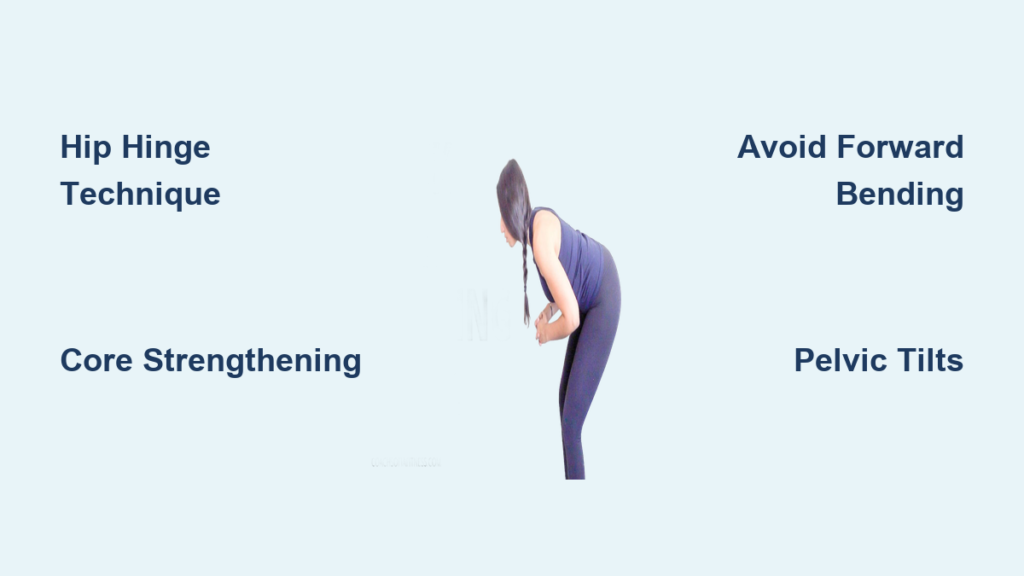
That sharp twinge when tying your shoes. The dull ache that greets you every morning when reaching for socks. If bending forward sends waves of pain through your lower back, you’re not alone—over 80% of adults experience lower back pain when bending over at some point. This specific type of pain isn’t just annoying; it can transform simple daily tasks into dreaded challenges that disrupt your work, hobbies, and sleep.
Understanding why your back protests during forward movement is the first step toward lasting relief. Unlike general back pain, symptoms triggered specifically by bending have distinct anatomical causes and targeted solutions. This guide reveals exactly what happens in your spine during forward flexion, proven treatment approaches that address the root cause, and prevention strategies that actually work—so you can reclaim pain-free movement.
Muscle Strain Triggers During Forward Bending
Why Your Back Muscles Rebel Against Bending
Your lower back contains intricate layers of muscles and ligaments working together during every movement. When these tissues stretch beyond their limits during forward bending, microscopic tears create sharp pain. Improper lifting techniques or sudden twisting while bending forward often initiate these strains, particularly in the erector spinae and quadratus lumborum muscles.
Signs your pain comes from muscle strain:
– Immediate pain following awkward movement
– Tenderness when pressing along spine
– Stiffness that improves with gentle walking
– Muscle spasms during rest periods
Emergency Relief for Acute Strains
Apply ice for 15 minutes every 2-3 hours during the first 48 hours to reduce inflammation. After this period, switch to heat therapy to increase blood flow to the affected area. Try the 90-90 relief position: lie on your back with knees bent over a chair or pillows, creating right angles at both hips and knees. This position immediately unloads pressure from strained tissues while maintaining spinal alignment.
Disc Problems That Worsen With Forward Bending
How Herniated Discs React to Bending Stress

Between each lumbar vertebra, gel-filled discs act as shock absorbers. When you bend forward, pressure on these discs increases by up to 200% compared to standing upright. This excessive pressure can force inner disc material against outer fibers, creating herniation that compresses nerve roots. Unlike muscle pain, disc-related discomfort often radiates down your leg.
Warning signs of disc involvement:
– Pain intensifies with coughing or sneezing
– Numbness or tingling traveling down legs
– Sitting increases discomfort significantly
– Symptoms worsen throughout the day
Immediate Movement Modifications
Stop bending at the waist immediately. Instead, practice the hip hinge technique: stand with feet shoulder-width apart, soften your knees, and push your hips backward as your torso leans forward. Keep your spine neutral (not rounded) and feel the stretch in your hamstrings rather than your lower back. This simple adjustment reduces disc pressure by 40-60% during everyday bending tasks.
Facet Joint Irritation From Repetitive Bending
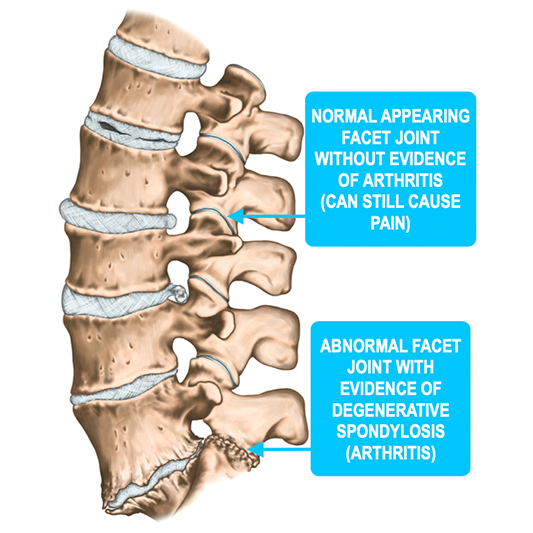
Why Arthritic Joints Complain During Forward Motion
Small facet joints connecting each vertebra guide spinal movement and can become inflamed from arthritis or repetitive stress. These joints bear increased load during forward bending, creating localized lower back pain that rarely radiates beyond the buttocks. Unlike disc problems, facet joint pain often improves with backward bending movements.
Self-diagnosis tests:
– Pain increases when arching backward
– Morning stiffness lasting 20-30 minutes
– Pain localized to one specific spot
– Symptoms improve with movement
Quick Joint Relief Strategies
Perform gentle backward bends against a wall: stand with your back against a wall, feet shoulder-width apart, and gently arch your lower back toward the wall. Hold for 3-5 seconds and repeat 10 times. This movement opens the facet joints, reducing pressure on irritated tissues. Pair this with pelvic tilts while lying down to restore natural spinal curvature without strain.
Nerve Compression That Flares With Bending
When Sciatica Masquerades as Simple Back Pain
The sciatic nerve, formed by L4-S3 nerve roots, can become compressed during forward bending, creating radiating pain down your leg. This compression often stems from herniated discs or spinal stenosis, where the spinal canal narrows. Bending forward increases pressure on already compromised nerve pathways.
Critical neurological warning signs:
– Progressive leg weakness or foot drop
– Numbness in saddle area (groin/buttocks)
– Bowel or bladder changes
– Loss of reflexes in ankles
Emergency Assessment Protocol
If you experience any red flag symptoms, seek immediate medical attention. For non-emergency nerve irritation, try the prone press-up: lie face down, place your hands under your shoulders, and gently push your upper body off the floor while keeping your hips grounded. This backward-bending movement creates space around compressed nerves. Perform 10 repetitions, 3 times daily, to reduce symptoms within 2 weeks.
Workplace Fixes That Prevent Bending Pain
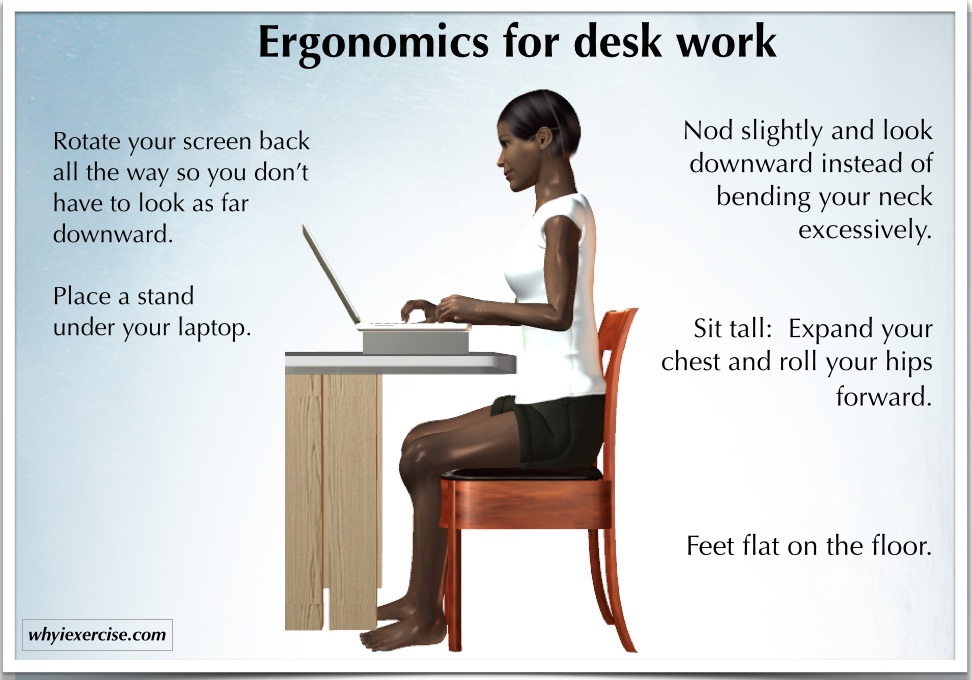
Office Ergonomic Overhauls
Your desk setup might be silently fueling your back pain. Position your monitor at eye level to prevent forward head posture, which increases lower back strain. Use a chair with proper lumbar support that maintains your spine’s natural curve. Set phone reminders for every 30 minutes to stand, stretch, and reset your posture.
Quick workstation fixes:
– Place keyboard close enough to maintain 90-degree elbow angle
– Use a footrest if feet don’t rest flat on floor
– Alternate sitting and standing every 30-60 minutes
– Keep frequently used items within easy reach
Proper Bending Mechanics for Daily Tasks
Replace dangerous forward spinal bending with hip-dominant movement patterns. When picking up objects, squat rather than bend: stand close to the item, push your hips back while bending knees, grasp the object with both hands, engage your core, and push through your heels to stand. Keep the object close to your body to minimize spinal load.
Core Strengthening That Targets Bending Pain
Transverse Abdominis Activation Secrets
This deep abdominal muscle acts like a natural corset for your spine. Lie on your back with knees bent, place fingers inside hip bones, and gently draw your navel toward your spine while breathing normally. Hold for 10 seconds and repeat 10 times. This foundational exercise stabilizes your spine during bending movements.
Progression steps:
– Practice while standing for functional strength
– Add arm movements while maintaining contraction
– Perform while on hands and knees
– Incorporate into daily bending activities
Bird-Dog Exercise Progressions
Begin on hands and knees with neutral spine. Extend one arm forward while maintaining hip level, hold for 5 seconds, then return. Progress by adding opposite leg extension while keeping hips stable. This exercise builds spinal stability to prevent painful bending episodes.
When to Seek Professional Help
Physical Therapy Timeline
Consider professional guidance when pain persists beyond 2 weeks despite home care or when basic daily activities become challenging. A physical therapist can provide targeted manual therapy, teach proper movement patterns, and design a personalized exercise program addressing your specific bending pain triggers.
Medical Intervention Indicators
Seek immediate medical attention for bowel/bladder changes, progressive leg weakness, or severe pain following trauma. For persistent pain without red flags, schedule a doctor’s visit if home treatments fail after 3-4 weeks. Diagnostic imaging may be necessary to identify structural issues requiring specialized treatment.
Lower back pain when bending over rarely resolves through wishful thinking—it demands targeted action addressing your specific pain triggers. Whether your discomfort stems from strained muscles, irritated discs, or compressed nerves, the right approach can restore pain-free movement. Start today with one simple change: replace dangerous forward bending with proper hip hinge mechanics during your next shoe-tying session. Small, consistent adjustments compound into significant relief, transforming painful daily movements into effortless actions once again. Your path to bending without pain begins with that single, mindful movement.