
That sharp pop in your lower back while lifting a suitcase, followed by searing pain that makes you freeze mid-motion—it’s a scenario millions experience yearly. When lower back pain and popping sound strike together, it’s your spine signaling trouble beyond harmless joint noise. This isn’t just about discomfort; it’s your body flagging potential damage to discs, joints, or nerves. In this guide, you’ll discover exactly why painful popping occurs, how to distinguish routine crepitus from danger signs, and proven steps to restore pain-free movement—often without surgery.
Why Painful Popping Happens (Not Just Gas Bubbles)
When your lower back pops with pain, gas bubble collapse (cavitation) is rarely the culprit. Instead, you’re likely experiencing structural damage. A herniated disc rupturing under pressure creates an audible pop as nucleus material escapes and compresses nerves—often triggering immediate sciatica. Facet joints grinding due to osteoarthritis produce a grating sound as bone rubs bone, worsening with twisting motions. Spondylolisthesis—where vertebrae slip out of alignment—generates clicking during movement as unstable bones shift abnormally. Unlike harmless knuckle cracks, these sounds coincide with tissue damage, inflammation, or nerve compression.
Critical Warning Signs Beyond the Pop
- Leg numbness or weakness appearing within hours of the popping incident
- Shooting pain down one leg that intensifies when sitting or coughing
- Inability to lift your foot (foot drop) during walking
- Pain that wakes you at 3 a.m. and doesn’t ease with position changes
When to Rush to the ER: 4 Non-Negotiable Red Flags

Cauda Equina Requires Surgery Within 48 Hours
If you experience lower back pain with popping sound plus any of these, call 911 immediately:
– Saddle anesthesia: Numbness in groin, inner thighs, or buttocks
– Loss of bladder control: Sudden incontinence or inability to urinate
– Severe leg weakness: Buckling knees when climbing stairs
– Bowel dysfunction: Uncontrolled stool leakage
This emergency occurs when a massive disc herniation compresses the cauda equina nerve bundle. Delaying surgery risks permanent paralysis or incontinence. Don’t wait for morning—seek care now.
Other Emergency Indicators
- Fever + unrelenting back pain: Suggests spinal infection (osteomyelitis)
- Back pain after trauma: A fall or car accident could mean fracture
- Unexplained weight loss + night pain: Possible tumor involvement
Immediate Actions for Non-Emergency Painful Popping
First 72 Hours: Stop Inflammation, Not Movement
Ice strategically—not continuously. Apply frozen peas wrapped in thin cloth for 15 minutes every 2 hours the first day, then reduce to 3x daily. Never place ice directly on skin. Walk gently for 5 minutes hourly—complete rest worsens stiffness. Use a cane on the opposite side of pain to reduce spinal load. Take NSAIDs correctly: 400mg ibuprofen with food every 6 hours (max 1200mg/day) for 3 days only—longer use damages gut lining.
Days 4-7: Restore Safe Mobility
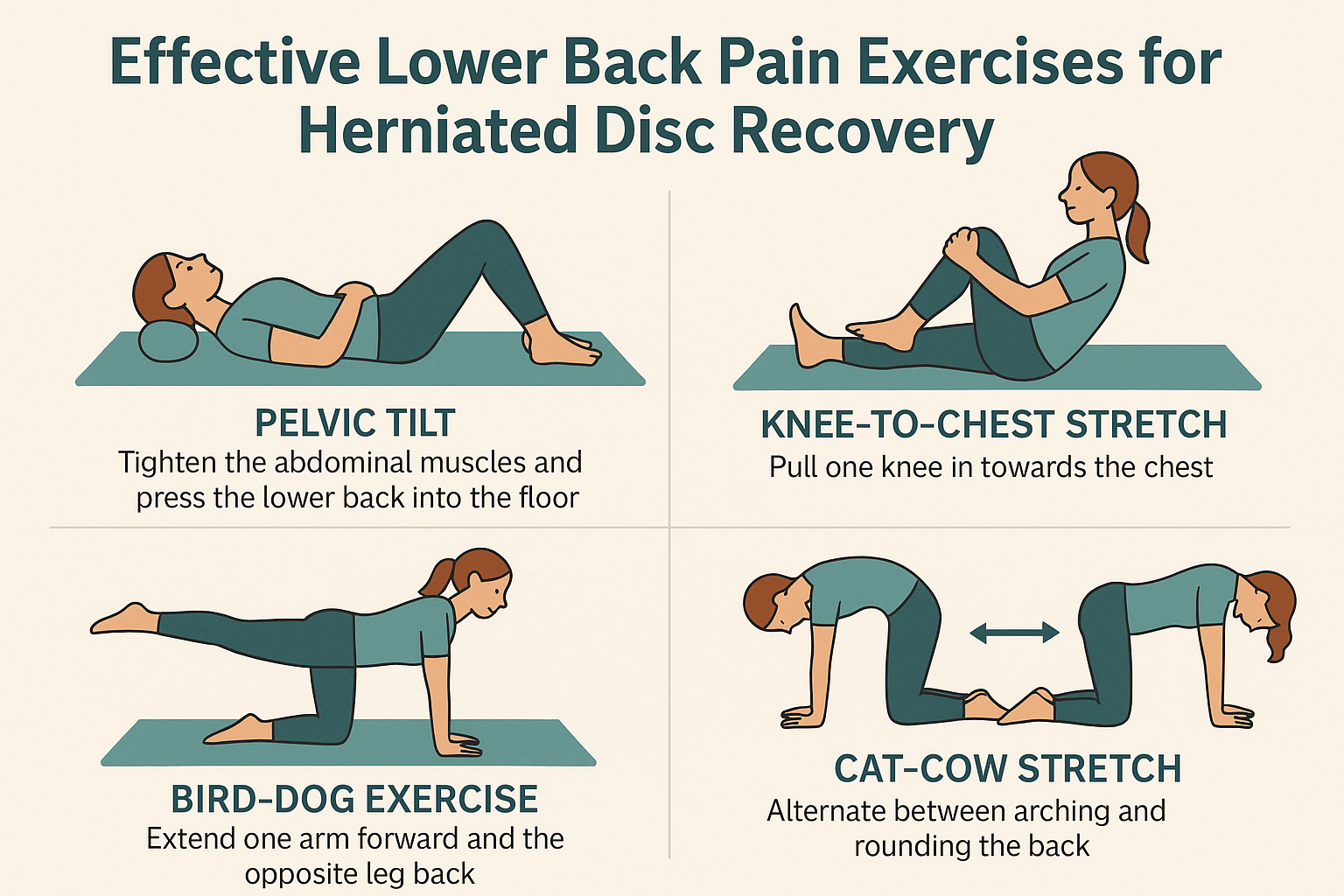
Transition to heat therapy after 72 hours using a microwaveable rice pack on low setting for 20 minutes before movement. Start cat-cow stretches: On hands and knees, alternate arching (cow) and rounding (cat) your spine 10x hourly. Sleep with pillow between knees if side-sleeping to prevent pelvic rotation. Avoid forward bending—use a reacher tool for floor items.
Fixing the Root Cause: Condition-Specific Solutions
Herniated Discs: The 3-Phase Recovery Plan
- Days 1-3: Lie prone with pillow under hips for 10 minutes hourly to centralize nerve pain
- Week 2: Begin nerve glides—seated, slowly straighten affected leg while tilting head opposite direction (10 reps, 3x/day)
- Week 4: Add dead bugs—lying on back, alternately extend opposite arm/leg while keeping lower back pressed to floor (2 sets of 8)
Skip this if you have leg weakness—see a spine specialist first.
Facet Joint Arthritis: Realign and Strengthen
Perform seated thoracic rotations: Sit tall, place right hand behind head, left hand on right knee. Gently rotate right while looking over shoulder (hold 5 seconds, 8 reps/side). Use a lumbar roll in your car seat to maintain natural curve. Apply topical menthol cream before activity to reduce joint stress perception.
Prevent Recurrence: Your Daily Spine Defense Protocol
Master the “Hip Hinge” for Pain-Free Lifting
Stand with feet shoulder-width apart, chest up, soft knees. Push hips straight back as if closing a car door with your butt—never bend forward at the waist. Keep objects within 6 inches of your body. Test yourself: Can you pick up keys without rounding your lower back? If not, practice daily against a wall until movement becomes automatic.
Critical Exercise Pair: Bird-Dog + Hamstring Stretch
- Bird-dog: On hands/knees, extend right arm/left leg parallel to floor (hold 5 seconds). Return slowly. Repeat 12x/side daily. Key: Keep pelvis still—no rocking.
- Supine hamstring stretch: Lie on back, loop towel around foot. Straighten leg toward ceiling until mild tension (not pain). Hold 30 seconds, 3x/day per leg.
Skip planks initially—they often flare acute back pain.
When Home Care Fails: Smart Specialist Selection
Don’t waste months seeing the wrong provider. Go straight to a physical therapist if pain lasts >2 weeks with no red flags—they can legally diagnose in most states. See an orthopedic spine specialist if you have leg weakness or failed 4 weeks of PT. Consult a rheumatologist if morning stiffness exceeds 45 minutes or joints feel “glued” shut. Avoid chiropractors for acute painful popping—they may worsen herniations.
Long-Term Spine Resilience: The 20-Second Daily Habit
Set a phone alarm for every 30 minutes during work. When it chimes: Stand up, tuck chin slightly, and gently squeeze shoulder blades together for 20 seconds. This resets spinal alignment and prevents the micro-tears that cause painful popping. Track your progress—within 2 weeks, you’ll hear fewer pops during daily movements.
Lower back pain and popping sound demands attention when pain follows the pop—but panic helps no one. By recognizing true red flags (like saddle numbness or foot drop), applying targeted first-aid within 72 hours, and mastering the hip hinge for lifting, you stop minor issues from becoming chronic disasters. Most importantly: never ignore leg symptoms after a back pop. That shooting pain down your thigh signals nerve compression needing professional diagnosis within 2 weeks. Your spine’s resilience hinges on swift, smart action—not waiting to see if pain “just goes away.” Start your 20-second alignment reset today—your future pain-free self will thank you.