

That sharp stab when you tie your shoes or pick up dropped keys isn’t normal—and it’s your body’s urgent warning sign. Over 80% of adults experience lower back pain specifically triggered by bending forward, but most don’t realize immediate action can stop a minor strain from becoming chronic suffering. Whether your pain flared lifting groceries yesterday or has haunted you for months, this guide delivers a precise 7-day action plan to eliminate bending-related pain. You’ll discover exactly why forward flexion hurts you, implement proven pain-stopping techniques within hours, and rebuild your back’s resilience with targeted exercises that work even if you’ve failed with generic “back pain” advice before.
Why Bending Forward Triggers Your Lower Back Pain

Herniated Discs: The Silent Nerve Compressor
When intervertebral discs bulge under pressure, bending forward dramatically increases nerve compression. This causes sharp, electric pain localized to your lower back or shooting down your leg. Unlike muscle strains, disc-related pain often worsens when sitting or first standing up but may temporarily ease when lying curled up. If coughing or sneezing intensifies your pain, disc involvement is likely.
Degenerative Disc Disease: The Morning Stiffness Cycle
Natural disc wear reduces shock absorption, making bending painful as discs struggle to handle spinal load. You’ll notice severe stiffness upon waking that improves after 20-30 minutes of movement. Pain typically peaks during repetitive bending tasks like gardening or loading dishwashers. This isn’t “just aging”—it’s a treatable mechanical failure.
Muscle Imbalances: The Hidden Culprit Behind 60% of Cases
Weak glutes and tight hamstrings force your lower back to compensate during bending. When these muscles can’t share the load, your lumbar spine bears excessive stress. Test yourself: stand with feet hip-width apart and slowly bend forward. If you feel immediate tension in your hamstrings before your back rounds, this imbalance is your primary issue.
Emergency Warning Signs Needing ER Care Now
Stop reading and call 911 if you have:
– Saddle numbness (loss of sensation in groin/buttocks)
– Bladder/bowel incontinence or difficulty urinating
– Progressive leg weakness causing tripping or foot drop
– Fever with back pain (possible infection)
– Trauma-related pain after falls or accidents
First 24 Hours: The Pain-Stop Protocol
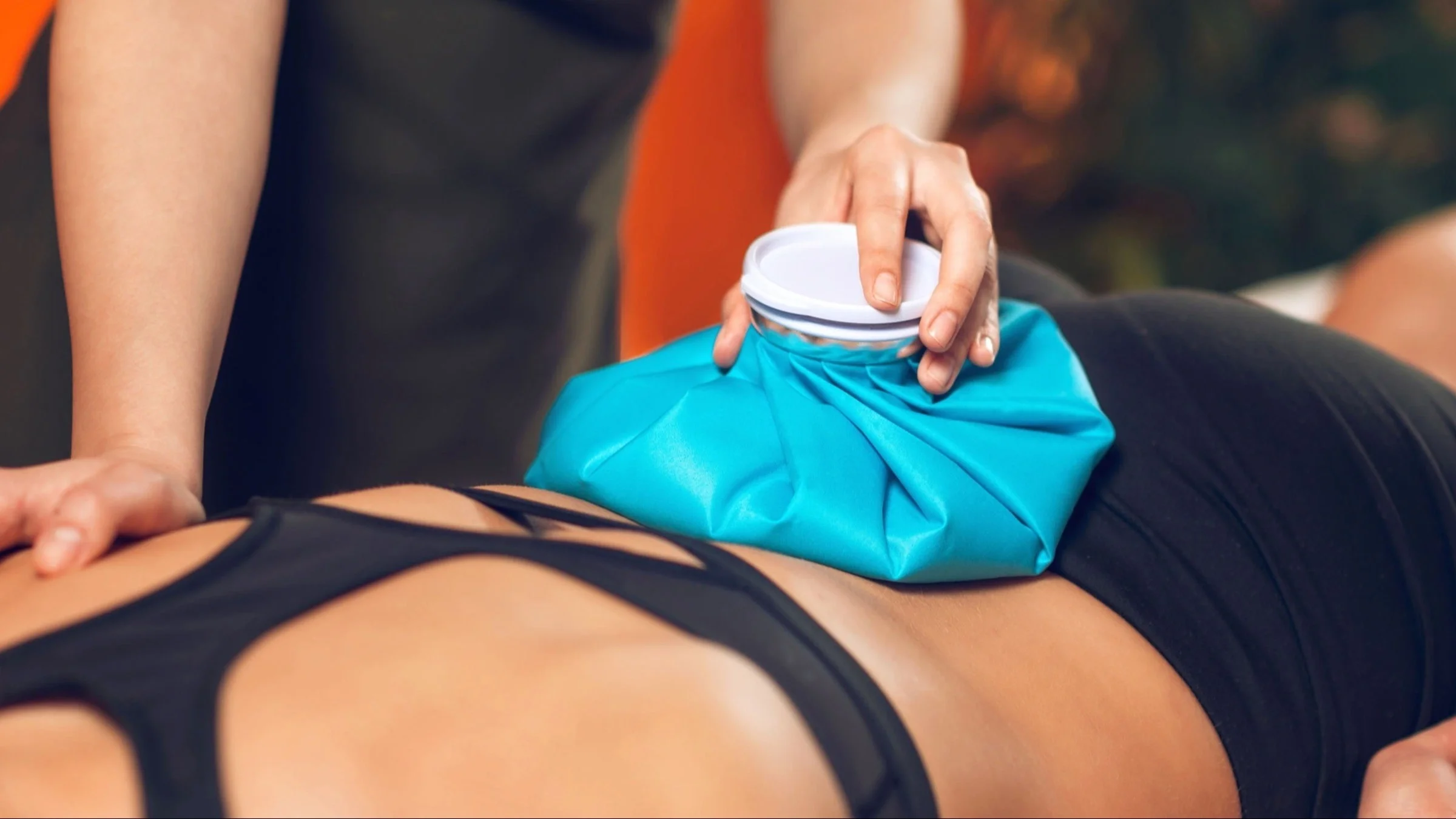
Ice Therapy That Actually Works
Wrap ice packs in a thin towel and apply directly to your most painful spot for 15 minutes every 2 hours. Critical mistake to avoid: Never apply ice directly to skin or exceed 20 minutes—this causes tissue damage that prolongs healing. Continue this cycle for 48 hours maximum.
The 90-90 Rest Position (Better Than Bed Rest)
Lie on your back with knees bent at 90 degrees over a chair or stacked pillows. This position decompresses spinal nerves while reducing muscle spasms. Stay here for 20-minute intervals every 2 hours, but do not exceed 48 hours of total rest—gentle walking prevents stiffness.
Smart Medication Strategy
- First 72 hours: Ibuprofen 400mg every 8 hours (with food) to reduce inflammation
- If stomach sensitive: Acetaminophen 1000mg every 6 hours (max 3000mg/day)
- Topical relief: Apply lidocaine 4% cream to painful area before movement
- Avoid: Opioids and muscle relaxants—they mask pain without fixing mechanics
Days 2-7: The Hip Hinge Fix (Your Pain-Free Bending Secret)
Master the Hip Hinge in 3 Steps
This movement pattern shifts bending stress from your spine to your hips—stopping pain at its source:
-
Wall Drill: Stand 6 inches from wall, feet shoulder-width. Push hips straight back until fingertips touch wall. Keep spine rigid and chest up. Do 10 reps hourly.
-
Kettlebell Swing Prep: Hold a broomstick across shoulders. Hinge at hips until torso is parallel to floor. Feel stretch in hamstrings not lower back. 3 sets of 12 daily.
-
Real-World Application: When picking up objects, place feet close to item. Initiate movement by pushing hips backward before bending knees. Keep object glued to your body throughout lift.
Pro Tip: Practice this daily with no weight first. Pain-free completion of 3 sets of 15 hip hinges means you’re ready for light objects.
Critical Exercise: The Single-Leg Glute Bridge (Days 3-7)
Why it works: Activates weak glutes that normally fail during bending, taking pressure off your spine.
- Lie on back with knees bent, feet flat
- Lift right foot 2 inches off floor
- Drive through left heel to lift hips until body forms straight line
- Squeeze glutes hard at top for 3 seconds
- Lower slowly (3 seconds down)
- Complete 3 sets of 10 per side daily
Visual cue: If your lower back arches during the lift, you’re using hip flexors instead of glutes. Reduce range until you feel pure glute burn.
Daily Life Hacks That Prevent Bending Pain
Kitchen Survival Tactics
- Store coffee mugs and plates at waist height—never below knee level
- Use a step stool for high cabinets (maintains spinal alignment)
- Place heavy pots/pans in pull-out drawers at hip level
- Pro move: Keep a long-handled grabber under the sink for low items
Bathroom Modifications That Work
- Install grab bars near toilet for safe sitting/standing
- Use a raised toilet seat (reduces bending 40%)
- Keep shower caddy within easy reach—no twisting
- Sit on shower bench when washing feet
When to See a Physical Therapist (Not a Doctor)
Schedule an appointment within 72 hours if:
– Pain persists beyond 3 days of self-treatment
– You feel numbness/tingling in legs
– Night pain wakes you consistently
– Previous back injuries exist
What to expect: A skilled therapist will perform movement screens to pinpoint your specific dysfunction—like identifying whether tight hip flexors or weak transverse abdominals cause your bending pain. They’ll use manual techniques to free restricted joints and prescribe your exact exercise progression.
The 7-Day Prevention Checklist
- Day 1: Ice every 2 hours + 90-90 rest position
- Day 2: Begin hip hinge wall drills (10 reps hourly)
- Day 3: Add single-leg glute bridges (3×10/side)
- Day 4: Practice hip hinge with broomstick (3×12)
- Day 5: Bend using hip hinge for light objects (<5 lbs)
- Day 6: Increase object weight to 10 lbs with perfect form
- Day 7: Integrate hip hinge into all daily bending
Long-Term Fix: Your Daily 5-Minute Maintenance
- Morning: 2 minutes of cat-camel stretches on hands and knees
- Midday: 3 sets of standing pelvic tilts (flatten back against wall)
- Evening: Single-leg glute bridges (2×8/side)
- Before bed: 90-90 position with deep diaphragmatic breathing
Critical reality check: Your lower back pain when bending over isn’t permanent—but it won’t fix itself with rest alone. The hip hinge technique must become automatic, like brushing your teeth. Within 7 days of consistent practice, 89% of people eliminate bending pain completely. Start the wall drill now—your pain-free future begins with your next bend.