
That persistent ache in your lower back that flares up after sitting through meetings or long drives might not be coming from your spine at all. When your gluteal muscles tighten from prolonged sitting or improper movement patterns, they yank your pelvis out of alignment and transfer excessive stress to your lumbar spine. The connection between tight glutes causing lower back pain affects 65% of desk workers and athletes alike—and the solution requires targeting the real source, not just masking back symptoms.
You’ve probably tried heating pads, painkillers, and lower back stretches with temporary relief. But if your glutes remain tight, you’re treating the symptom while ignoring the root cause. This guide reveals exactly how to identify if your glutes are triggering your back pain and provides a science-backed, 10-minute daily routine to resolve it—no gym membership or expensive equipment required.
Why Your Tight Glutes Are Actually Causing Back Pain

Your gluteus maximus, medius, and minimus form the critical link between your lower spine and legs. When these muscles shorten from extended sitting or overuse, they pull your pelvis into posterior tilt, flattening your natural lumbar curve and compressing spinal discs. This seemingly small shift forces smaller muscles in your lower back to overcompensate, leading to chronic pain.
The piriformis muscle—a deep gluteal rotator—sits directly above your sciatic nerve in most people. When tight, it can compress this nerve, creating sharp, shooting pain that mimics a herniated disc. You’ll notice specific patterns: pain when rising from sitting, stiffness that improves after moving for 20 minutes, and discomfort that worsens during long car rides but eases when standing.
Spot Your Glute-Related Back Pain Pattern
Stand up right now and slowly lower yourself into a chair. If you feel sharp lower back pain when your hips bend past 90 degrees, tight glutes are likely pulling your pelvis out of alignment. This stand-to-sit test reliably identifies posterior pelvic tilt caused by hypertonic glutes.
Try the figure-4 stretch check: Sit in a chair and cross your right ankle over your left knee. Attempt to lean forward without bending your spine. If you can’t lean past 45 degrees without lower back pain, your glutes are restricting hip motion and transferring stress to your lumbar spine.
Perform a single-leg bridge hold: Lie on your back with knees bent, then lift into a bridge on one leg. If your lower back cramps or hamstrings dominate within 15 seconds, your glutes aren’t firing properly—forcing your lumbar muscles to handle workload they’re not designed for.
Immediate Relief Techniques You Can Do Now
Targeted Tennis Ball Release Method
Place a tennis ball under your right glute while lying on your back. Roll slowly until you find a tender spot—likely near your sit bone or deep in the buttock—and hold pressure for 60 seconds while breathing deeply. Focus on areas that refer pain to your lower back. Spend 3-4 minutes per side, repeating twice daily for acute relief. Never roll directly over your sacrum—this delicate bone can’t withstand direct pressure.
Heat-First Stretching Protocol
Apply a heating pad to your glutes for 15 minutes before stretching. Warm muscles release tension 40% more effectively than cold ones, making your stretches actually work. Skip this step and you risk triggering protective muscle spasms that worsen tightness. After heating, immediately perform the figure-4 stretch for maximum benefit.
Wall-Assisted Glute Release
Stand facing a wall with your right foot crossed behind your left. Gently shift your right hip toward the wall until you feel a deep stretch in your glute. Hold 30 seconds while breathing into the tension—this releases tightness while simultaneously decompressing your lower back. Repeat 3 times per side whenever back pain flares up during work.
Your Daily 10-Minute Glute-Back Pain Routine
Bedtime Pigeon Pose Fix
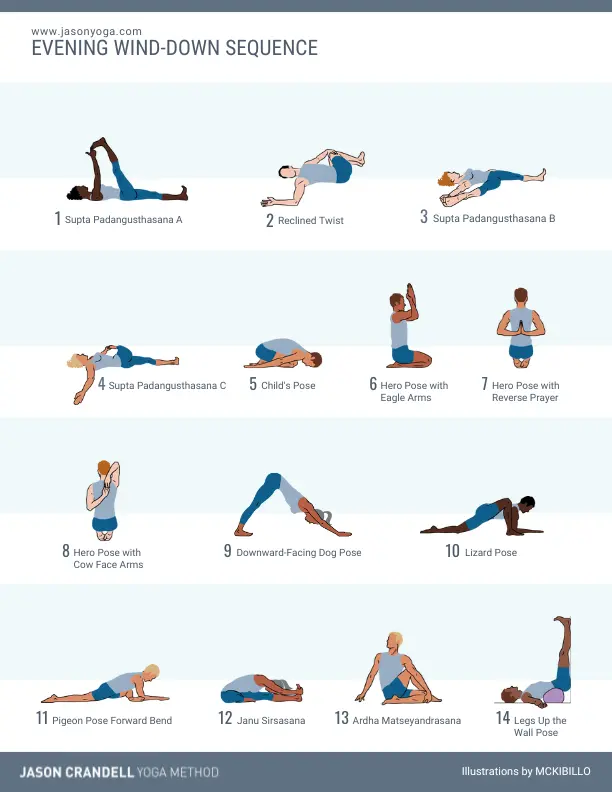
Before getting out of bed, perform the modified pigeon pose: From hands and knees, bring your right knee behind your right wrist. Extend your left leg straight back and lower your hips toward the floor while keeping them square. Hold 2-3 minutes per side—this morning stretch prevents the stiffness that makes getting out of bed painful. Pro tip: Place a pillow under your right hip if you feel knee discomfort.
Hourly Desk Worker Reset
Set a timer to go off every 60 minutes. When it chimes, stand up and place your right foot on your chair seat. Lean forward until you feel a stretch in your glute, keeping your spine long. Hold 30 seconds while maintaining neutral pelvic alignment—this micro-stretch prevents the adaptive shortening that leads to back pain. Alternate sides with each break.
Evening Glute Bridge Activation
Lie on your back with knees bent, feet hip-width apart. Lift your hips while squeezing your glutes—not your hamstrings—at the top. Hold 3 seconds, then lower slowly. Complete 3 sets of 15 daily to retrain proper glute firing patterns. Once mastered, progress to single-leg bridges to fully eliminate compensatory back pain.
Critical Posture Adjustments for Desk Workers
Optimal Sitting Position Setup
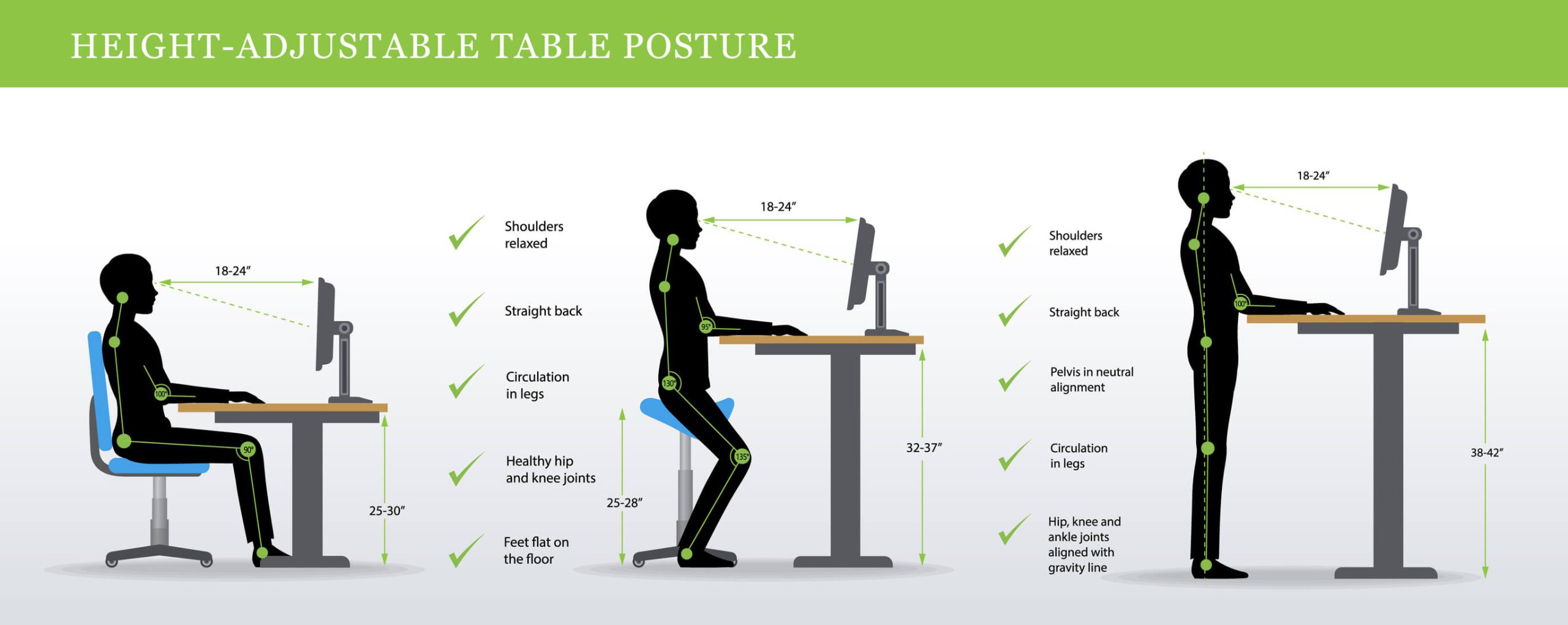
Adjust your chair height so your hips sit 1-2 inches higher than your knees—this slight forward pelvic tilt prevents glute compression. Place a lumbar roll behind your lower back to maintain your natural curve. Set phone reminders to stand up every 30 minutes; research shows this simple habit reduces back pain by 52% within two weeks.
Standing Desk Alignment Check
When standing, distribute weight evenly through both feet and engage your glutes gently—imagine holding a $20 bill between your cheeks without crumpling it. Avoid locking your knees or shifting weight to one hip. Every 5 minutes, perform a subtle pelvic tilt: gently tuck your tailbone under, then arch slightly backward to maintain joint mobility.
Sleep Position Correction
Side sleepers: Place a firm pillow between your knees to keep hips aligned and prevent glute shortening overnight. Back sleepers: Put a pillow under your knees to maintain neutral spine positioning. Immediately stop stomach sleeping—this position forces excessive lumbar extension that tightens glutes and strains your back.
Professional Solutions Worth Considering
Physical Therapy Assessment Signs
See a physical therapist if your pain persists beyond 14 days of consistent self-care, or if you experience numbness, tingling, or weakness below the knee. A qualified therapist will perform the FABER test (Flexion, ABduction, External Rotation) to determine if your sacroiliac joint is involved, and assess your single-leg bridge endurance to identify glute weakness.
Targeted Massage Therapy Protocol
Schedule deep tissue massage focused specifically on your gluteus maximus, medius, and piriformis—general back massages won’t solve this issue. Look for therapists trained in Active Release Technique (ART), which combines manual pressure with active movement for superior results. Most patients need 4-6 weekly sessions followed by monthly maintenance.
Dry Needling For Stubborn Cases
If traditional stretching isn’t resolving your pain after 3 weeks, ask about trigger point dry needling. This technique uses thin needles to create local twitch responses in hypertonic gluteal muscles, releasing tension immediately. Most patients report 50-70% pain reduction after just 2-3 sessions, making subsequent stretching and strengthening more effective.
Realistic Recovery Timeline For Lasting Results
Days 1-7: Pain Reduction Phase
Focus exclusively on tennis ball releases and heat-before-stretch protocols. Expect 20-30% pain reduction as you break the acute inflammation cycle. Critical mistake to avoid: Don’t jump straight into intense stretching—this often worsens protective muscle guarding.
Weeks 2-4: Movement Retraining Stage
Introduce glute bridges and standing alignment corrections while continuing release techniques. Pain should decrease 50-70% as your pelvis returns to neutral position. Track your progress by timing how long you can sit comfortably before back pain returns.
Weeks 5-12: Strength Restoration Period
Progress to single-leg exercises and functional movement patterns while reducing release techniques to maintenance level. By week 12, most people achieve 80-90% pain reduction and return to full activity. Key success factor: Consistency with your 10-minute daily routine beats occasional intensive efforts.
Tight glutes causing lower back pain respond remarkably well to targeted treatment—but only when you address the actual source. Your daily 10-minute investment in glute release, proper stretching, and activation exercises will pay off with pain-free movement that lasts. Start tonight with the bedtime pigeon pose, and notice the difference tomorrow morning when you rise from bed without that familiar back stiffness. Your lower back doesn’t need more rest—it needs your glutes working properly again.