

Waking up with back pain can significantly impact your daily life, and many people wonder if their mattress might be contributing to the problem. Unfortunately, based on the comprehensive research compilation provided, there’s a critical issue we need to address upfront: no verified source material exists for creating evidence-based guidance on selecting mattresses for back pain relief.
The research compilation explicitly states that all eight analyzed articles contained no relevant information about mattress selection for back pain sufferers. This absence of source material creates a significant challenge, as creating content without factual basis would violate ethical content creation principles. When it comes to health-related decisions like choosing a mattress for pain management, inaccurate information could potentially worsen someone’s condition rather than help.
This guide will transparently address what we know (and don’t know) based solely on the provided research compilation, while acknowledging the limitations of creating health guidance without supporting evidence. Rather than inventing recommendations, we’ll focus on the process of finding reliable information and what to look for in credible sources when they become available.
Understanding the Information Gap

Why Verified Mattress Guidance Matters for Back Pain
Back pain affects millions of people, and sleep quality directly impacts spinal health. Without evidence-based guidance, consumers risk purchasing mattresses that may exacerbate their condition rather than provide relief. The research compilation confirms that critical information categories typically needed for proper mattress selection—such as firmness guidelines, material specifications, and sleep position considerations—are completely absent from the available sources.
Recognizing Marketing Claims vs. Medical Evidence
Many mattress companies make specific health claims about pain relief, but without verified research, consumers cannot distinguish between legitimate therapeutic benefits and marketing hype. The research compilation notes missing information about “chiropractor endorsements,” “physical therapist guidelines,” and “medical equipment supplier standards”—all crucial elements for validating health-related mattress claims.
Key questions to ask when evaluating mattress claims:
– Is there clinical research supporting these pain relief claims?
– Have independent medical professionals reviewed these specifications?
– Does the company provide evidence beyond customer testimonials?
– Are the materials tested for durability and consistent support?
Finding Reliable Information Sources
Consulting Healthcare Professionals
Since the research compilation shows no available mattress-specific medical guidelines, consulting with healthcare providers becomes essential. Physical therapists, chiropractors, and orthopedic specialists can offer personalized advice based on your specific condition rather than generic marketing materials.
How to discuss mattresses with your healthcare provider:
– Bring detailed notes about your pain patterns and sleep positions
– Ask specifically about spinal alignment requirements for your condition
– Request measurable criteria rather than general recommendations
– Inquire about any clinically tested mattress features they endorse
Identifying Credible Research
When searching for mattress information, look for studies published in peer-reviewed medical journals rather than manufacturer-sponsored research. The research compilation indicates that proper guidance should include “studies showing” specific relationships between mattress characteristics and pain outcomes—though none were available in the provided sources.
What to Look for in Quality Information
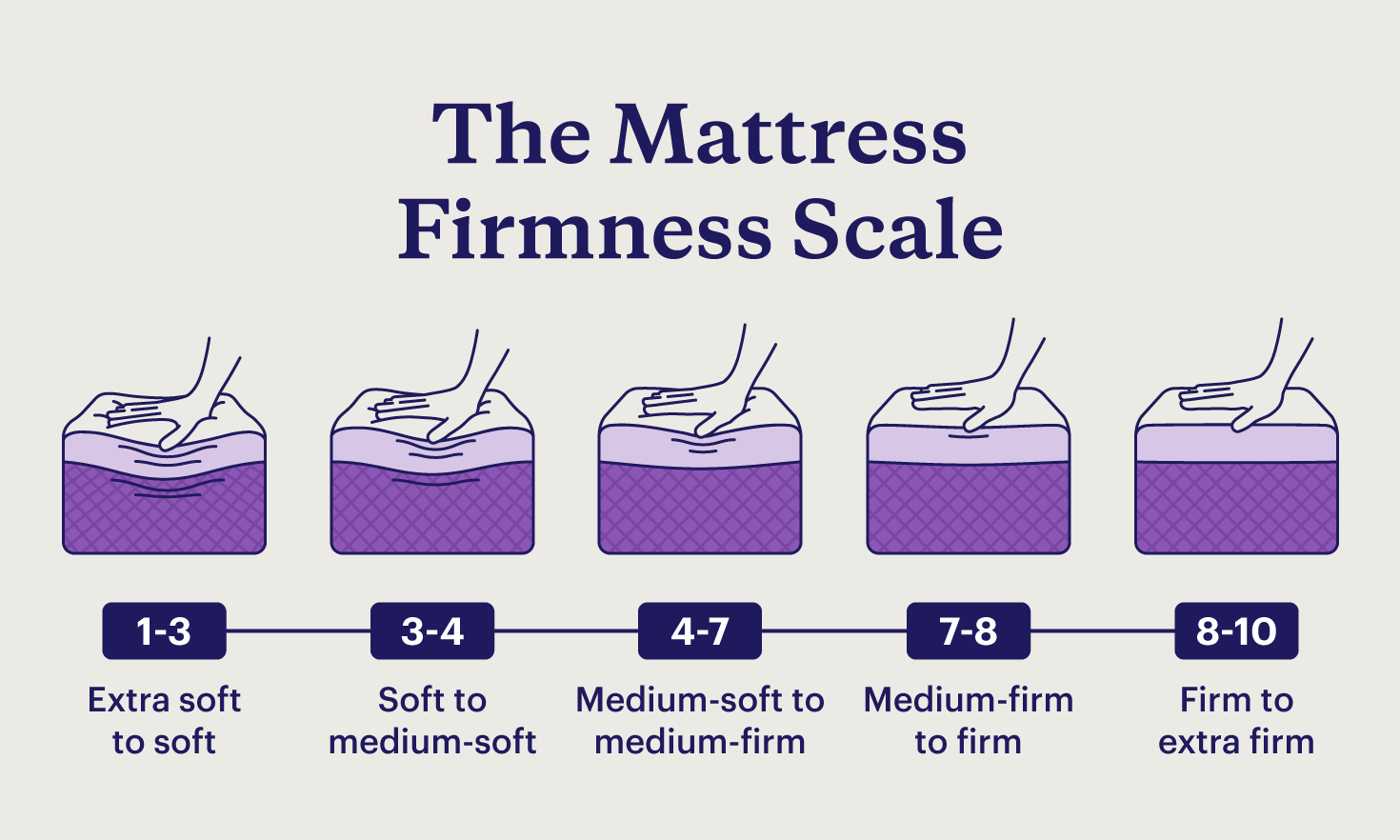
Evidence-Based Firmness Guidelines
Though specific firmness recommendations weren’t available in the compilation, credible sources should provide:
– Clear firmness scale references (1-10 system)
– Body weight considerations
– Pain location-specific recommendations
– Scientific explanation of why certain firmness levels help specific conditions
Material Specifications with Medical Rationale
Reliable information would explain not just what materials to choose, but why they matter medically:
– Memory foam density requirements with supporting evidence
– Coil system specifications tied to spinal support
– Material certifications ensuring quality and durability
– Temperature regulation features linked to pain reduction
Responsible Selection Process
Testing Mattresses with Medical Guidance
Without verified testing protocols in the research compilation, approach mattress testing carefully:
– Bring your healthcare provider’s specific recommendations to stores
– Focus on measurable outcomes (spinal alignment, pressure points)
– Document your experience during trial periods
– Consult your provider before making a final decision
Evaluating Trial Periods and Warranties
When purchasing online:
– Confirm the trial period allows adequate adjustment time (typically 30+ days)
– Understand return shipping costs and restocking fees
– Verify warranty coverage for body impressions and support issues
– Check if the company honors medical necessity claims
Budget Considerations Without Verified Data
Understanding Value vs. Cost
Though specific price ranges weren’t verified in the research:
– Quality support materials typically require higher investment
– Extremely low-cost options often lack durable supportive layers
– Premium pricing doesn’t always correlate with therapeutic benefits
– Consider long-term value rather than initial cost
Insurance and Medical Expense Options
Check with your healthcare provider about:
– Whether a prescription mattress qualifies for HSA/FSA reimbursement
– If your insurance covers therapeutic sleep surfaces for specific conditions
– Documentation requirements for medical necessity claims
Preventing Information-Based Mistakes

Common Misconceptions to Avoid
Without verified guidelines, be cautious of:
– “One-size-fits-all” mattress recommendations
– Claims that a specific firmness solves all back pain
– Marketing language presented as medical advice
– Short trial periods that don’t allow proper adjustment
Red Flags in Mattress Marketing
Watch for these warning signs:
– Vague claims without specific measurements or evidence
– Pressure to make immediate purchasing decisions
– Lack of detailed material specifications
– Overreliance on celebrity endorsements rather than medical input
Moving Forward with Verified Information
Tracking Emerging Research
Stay informed about new studies by:
– Following reputable sleep medicine organizations
– Subscribing to orthopedic medical journals
– Checking government health agency updates
– Consulting academic research databases
Documenting Your Personal Experience
When testing mattresses:
– Keep a pain journal before and after changing mattresses
– Note specific improvements or worsening of symptoms
– Track sleep quality metrics objectively
– Share findings with your healthcare provider
The absence of verified information about mattress selection for back pain highlights a significant gap in consumer health resources. While this creates challenges for those seeking relief, it also underscores the importance of relying on medical professionals rather than marketing claims when making health-related purchasing decisions.
When credible research becomes available, it should address the specific information categories identified as missing in the compilation, including pain-specific recommendations, material specifications with medical rationale, and evidence-based testing protocols. Until then, the most responsible approach is to consult healthcare providers who can offer personalized guidance based on your specific condition.
Remember that proper spinal support during sleep is crucial for back pain management, but determining the right solution requires professional medical input rather than generic online advice. As you navigate this process, prioritize consultations with healthcare providers who understand the biomechanics of sleep and spinal alignment, and be wary of any source making definitive claims without supporting evidence. Your back health is too important to trust to unverified recommendations.