
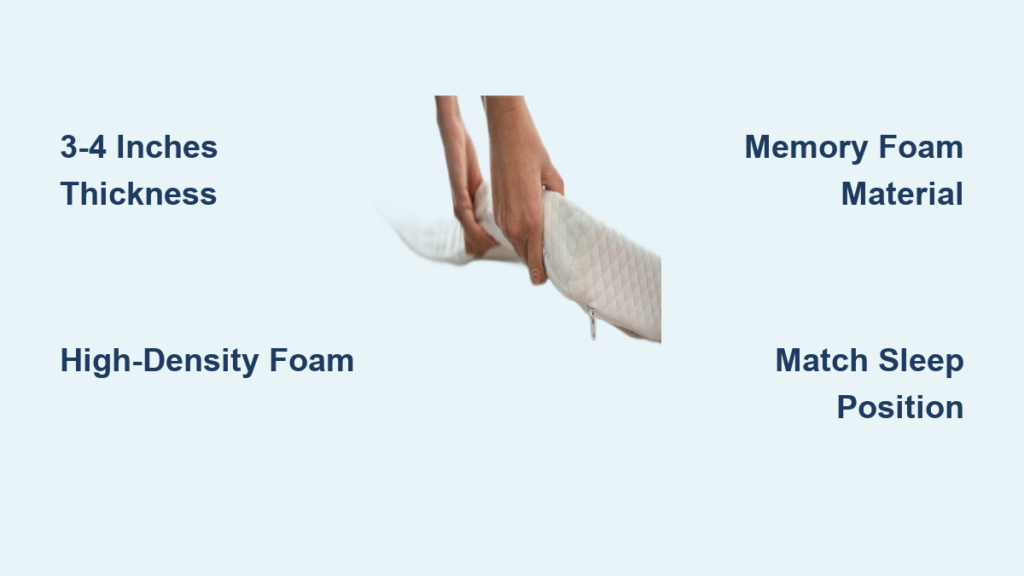
Waking up with a stiff back shouldn’t be your daily reality. If morning pain has become routine, the solution might be simpler—and cheaper—than replacing your entire mattress. A quality mattress topper can transform your sleep surface into a pain-relieving sanctuary without breaking the bank. This guide walks you through selecting the perfect mattress topper for back pain to ease your specific discomfort and restore restful nights. You’ll discover exactly what thickness, material, and firmness will deliver the spinal support you need to wake up pain-free.
Why Your Current Sleep Setup Is Worsening Back Pain
Poor sleep surfaces create a vicious cycle where pain prevents restorative sleep, and sleep deprivation increases inflammation. Without proper spinal alignment during the night, your muscles can’t fully relax—they’re constantly working to compensate for misalignment. This physical strain leads to morning stiffness that makes daily activities painful and exhausting. The right mattress topper breaks this cycle by providing targeted support exactly where you need it.
How Spinal Misalignment Causes Morning Pain
When your spine doesn’t maintain its natural S-curve during sleep, pressure concentrates on specific vertebrae and discs. This compression irritates nerves and restricts blood flow to critical areas. You might not feel this happening at night, but by morning, the inflammation has set in. Pro tip: Lie flat on your back—if you can slide your hand easily under your lower back, your current surface lacks proper support for back pain relief.
Pressure Point Science Explained
Your body has natural pressure points at hips, shoulders, and the base of your spine. On an unsupportive surface, these areas bear disproportionate weight, reducing circulation and causing tissue damage. Quality mattress toppers distribute your weight evenly across 30% more surface area, allowing muscles to fully relax and heal overnight. This even pressure distribution is why many users report significant back pain reduction within just a few nights.
Select the Perfect Thickness for Your Pain Pattern

Thickness isn’t about luxury—it’s about matching your body’s unique support requirements. Too thin provides inadequate relief, while too thick creates new alignment problems that worsen back pain.
3-4 Inches: Maximum Therapeutic Support
This range delivers optimal pressure redistribution for chronic back pain sufferers. Four inches of high-density foam provides deep contouring for hip and shoulder relief while maintaining critical lumbar support. Three inches serves as the minimum effective thickness for meaningful pain reduction—any less won’t provide sufficient cushioning to relieve pressure points.
2 Inches: Why It’s Insufficient for Pain Relief
While two inches adds softness, it rarely provides adequate support for back pain sufferers. This thickness compresses too quickly under body weight, failing to maintain proper spinal alignment throughout the night. Warning: If you’re experiencing back pain, avoid this thickness—it might feel comfortable initially but won’t deliver lasting relief.
Sleep Position Dictates Ideal Thickness
- Side sleepers: Require 3-4 inches to cushion hips and shoulders while supporting the waist
- Back sleepers: Need 3-4 inches for full spinal alignment without hip sinking
- Stomach sleepers: Should use 2-3 inches maximum to prevent excessive hip sinking that strains the lower back
Match Topper Firmness to Your Sleep Position
Your sleep position determines how your body interacts with the topper. Each position creates different pressure points and requires specific support characteristics for back pain relief.
Side Sleeper Strategy for Hip and Shoulder Pain
Side sleepers need medium-soft toppers that cushion prominent joints while supporting the lumbar curve. Thicker options (3-4 inches) provide the contouring necessary to keep your spine straight from neck to tailbone. Without this support, your spine bows inward, straining muscles and compressing discs along your entire back.
Back Sleeper Solution for Lumbar Support
Back sleepers benefit from medium-firm surfaces that prevent hip sinking while maintaining natural spine curvature. Your lower back needs slightly more support than other areas—look for toppers with targeted lumbar reinforcement. This prevents the “hammock effect” where hips sink too deeply, creating unnatural spinal curvature that causes morning pain.
Stomach Sleeper Adjustments to Prevent Back Strain
Stomach sleeping creates unique challenges—too soft and your hips sink, straining the lower back. Choose firmer, thinner toppers (2-3 inches) that maintain spinal alignment without excessive softness. Critical note: If you’re a stomach sleeper with chronic back pain, consider transitioning to side sleeping with the help of a supportive topper.
Material Matters: Foam Types That Actually Relieve Pain
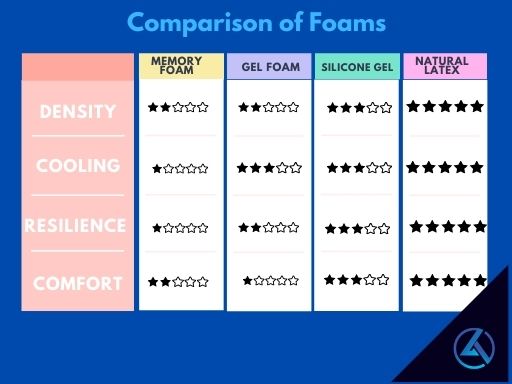
Not all foams deliver equal pain relief. Material choice directly impacts support quality, durability, and temperature regulation throughout the night.
Memory Foam: The Gold Standard for Back Pain
Memory foam contours precisely to your body’s unique curves while maintaining overall support. This material excels at:
– Distributing weight evenly across the surface
– Preventing pressure point formation
– Maintaining spinal alignment regardless of sleep position
– Providing personalized support that adapts to body changes
High-Density Foam: Durability Equals Long-Term Relief
Premium high-density foam (3.5 lb density minimum) offers:
– 40% more weight and durability than standard alternatives
– Years longer lifespan without compression
– Consistent support throughout extended use
– Superior value despite higher initial cost
Cooling Technologies That Prevent Nighttime Discomfort
Modern cooling features prevent the heat retention traditionally associated with memory foam:
– Gel-infused foam: Regulates temperature throughout the night
– Copper infusion: Provides luxury cooling with antimicrobial benefits
– Tencel covers: Natural moisture-wicking for temperature control
– Drift cooling covers: Actively disperses body heat for deeper sleep
Evaluate Your Current Mattress Before Buying
Your existing mattress determines which topper will provide optimal relief. The goal is complementing—not competing with—your current sleep surface.
Fixing a Too-Soft Mattress
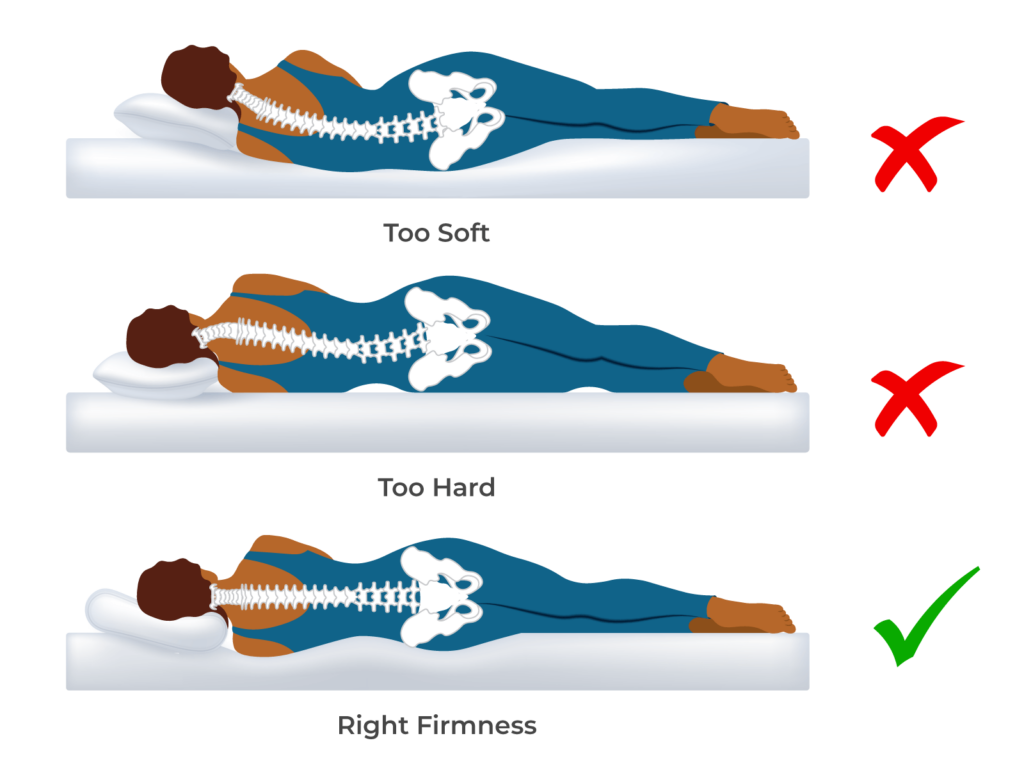
Avoid adding another soft topper to an already plush mattress. Instead, choose medium-firm to firm options that provide structure without creating excessive hardness. This combination restores proper support while adding comfort layers that relieve pressure points.
Reviving a Too-Firm Mattress
Hard mattresses benefit from medium-soft toppers that add cushioning while maintaining support. The topper should provide enough give to eliminate pressure points without compromising spinal alignment. Pro tip: Test the combination by lying down for 10-15 minutes—your hips and shoulders should sink slightly while your lower back maintains contact with the surface.
Budget Options That Deliver Real Pain Relief
Quality pain relief doesn’t require luxury pricing. Options exist across every budget while maintaining therapeutic benefits.
Budget-Friendly Solutions ($75-95)
- Reflex Gel Mattress Topper: $75.93 for gel-infused pressure relief
- Dusk Mattress Topper: $94.95 for newer comfort technology
Mid-Range Excellence ($170-200)
- 3″ High Density Foam: $169.95 for proven pain relief
- Hybrid Lux Mattress Topper: $199.95 with premium Tencel cooling cover
Premium Investment ($300)
- Active Cooling Copper Topper: $299.95 for 4″ copper-infused luxury with maximum therapeutic benefits
Verified Results: What Real Users Experienced
Immediate relief isn’t marketing hype—it’s documented reality for thousands of users.
First-Night Success Stories
Daniel A. reports: “Slept all night for the first time in weeks. Woke up with no hip or back pain stiffness.” Cherri D. experienced dramatic improvement: “First night woke up pain free… Slept like a baby ALL night. I am absolutely amazed!”
Long-Term Pain Reduction
After three months, Luz P. shares: “Don’t find sleeping being a pain… it’s a big game changer.” Eno F. noticed rapid improvement: “Slept on it not even a week yet… aches and pains are all but gone.” Users consistently report significant reduction in morning stiffness and elimination of hip and shoulder pain.
Final Selection Checklist Before Purchasing
Before committing to a mattress topper for back pain, confirm these critical factors:
✓ Thickness: 3-4 inches for significant pain relief
✓ Density: 3.5 lb minimum for durability
✓ Material: Memory foam with cooling features
✓ Firmness: Matched to sleep position and current mattress
✓ Trial Period: 90+ days risk-free testing
✓ Warranty: Years of guaranteed performance
A quality mattress topper transforms painful mornings into comfortable awakenings. By matching thickness, material, and firmness to your specific needs, you can achieve the pain relief and sleep quality you deserve—all without the expense of a new mattress. Choose wisely using this guide, sleep better tonight, and wake up ready to face your day pain-free. Remember, the best mattress topper for back pain is the one that addresses your specific sleep position, body type, and current mattress condition—making your investment in better sleep truly worthwhile.