
Waking up with stiff, aching back pain that makes getting out of bed feel like a chore? You’re not alone—poor spinal alignment during sleep affects millions and can turn restful nights into painful experiences. The truth is, your standard pillow setup likely isn’t providing the full-body support your spine needs throughout the night. Learning how to use a body pillow for back pain properly can transform your sleep quality by maintaining proper spinal alignment while you rest. This guide delivers precise positioning techniques, material recommendations, and a step-by-step adaptation plan so you can finally wake up without that familiar backache.
Select Your Perfect Back Pain Relief Pillow
Match Pillow Size to Your Height
Choosing the wrong size body pillow creates new pressure points instead of relieving existing ones. Standard 54-inch pillows work for most people under 6 feet tall, while taller individuals need the 60-inch version. If your pillow ends before your ankles, it forces your lower body to twist unnaturally. Measure yourself from shoulder to heel while lying down to determine your ideal length—this ensures continuous support that prevents spinal misalignment throughout the night.
Evaluate Fill Material for Pain Relief
Memory foam provides the most consistent support for chronic back pain sufferers because it molds to your curves without collapsing under pressure. Down alternative works better for arthritis-related back pain but requires daily fluffing to maintain proper support. Shredded memory foam offers the best of both worlds—adjustable firmness with better airflow to prevent overheating. Skip microbead pillows if you value quiet sleep; that constant rustling sound can disrupt your sleep cycle and worsen pain perception.
Choose the Right Shape for Your Sleep Position
Straight rectangular pillows give you the most flexibility to experiment with different positioning techniques. C-shaped designs excel for pregnancy-related back pain but restrict movement for other sleepers. U-shaped pillows prevent rolling but can overheat couples sharing a bed. If you’re new to body pillows, start with a straight model—it’s the most versatile option for discovering how to use a body pillow for back pain in your specific situation.
Master Side Sleeping Positioning Techniques

Basic Side Sleeper Setup for Lower Back Relief
Place your body pillow along your side from shoulder to ankle, ensuring it fills the gap between your waist and mattress. Your top knee should rest comfortably over the pillow at a 90-degree angle to prevent your spine from sagging like a hammock. Hug the upper portion to keep your shoulders square and prevent forward rolling. Check your alignment by placing your hand along your spine—it should form a straight line from neck to tailbone with no dips or peaks.
Sciatica-Specific Leg Elevation Method
For sciatica pain radiating down your leg, position the pillow to elevate your affected leg 6-8 inches above your unaffected leg. This subtle elevation reduces pressure on your sciatic nerve without creating new twist points in your spine. Tilt your pelvis slightly forward by adjusting the pillow’s position at your hip—imagine a gentle hand supporting your lower back. Maintain this position all night by using a U-shaped pillow that prevents accidental rolling.
Transform Back Sleeping Into Pain-Free Rest

Gradual Back-to-Side Sleeping Transition
Start by placing your body pillow horizontally under your knees while sleeping on your back. This simple adjustment immediately reduces lumbar pressure by maintaining a slight knee bend. After one week, transition to side sleeping by rolling onto the pillow. Most back sleepers successfully adapt to side sleeping within 2-3 weeks using this method. Keep the pillow as a barrier to prevent accidental rolling back onto your back during sleep.
Enhanced Lumbar Support Technique
Roll a small towel into your body pillowcase at the lower back area to create gentle, targeted support. This subtle lumbar curve support prevents the excessive arching that causes morning stiffness. The key is minimal intervention—your spine should feel naturally supported, not forced into an unnatural position. This technique works especially well on firm mattresses that don’t provide enough contouring.
Break the Stomach Sleeping Habit Safely
Physical Barrier Method for Pain Prevention
Use your body pillow as a physical reminder along your side to discourage stomach sleeping. When you instinctively try to roll onto your stomach, the pillow blocks your movement and encourages you to stay on your side. If you must sleep on your stomach occasionally, place the pillow under your pelvis to reduce the extreme spinal extension that causes morning pain. This temporary solution prevents the worst effects while you break the habit.
Implement Your 4-Week Pain Reduction Protocol
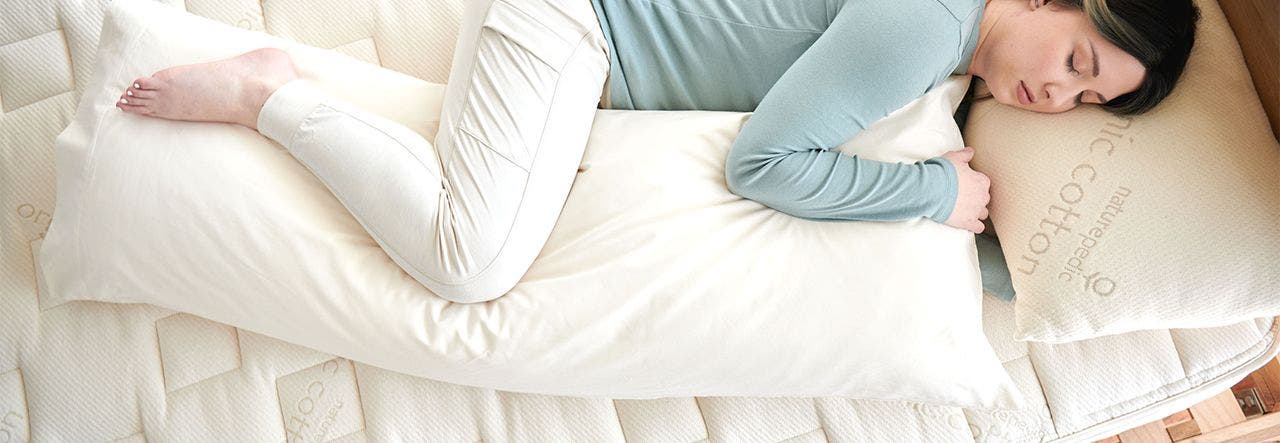
Daily Positioning Check Routine
Each night before sleep, verify your spine alignment by placing your hand along your back. You should feel a straight line from neck to tailbone with no significant dips or peaks. Check that your pillow hasn’t compressed more than 30% from its original thickness—if it has, fluff or replace it immediately. Morning pain indicates misalignment the previous night, so adjust accordingly: more lower back pain means your hip positioning needs refinement.
Week-by-Week Adaptation Plan
Week 1: Limit full-night use to allow your muscles to adjust. Start with 2-3 hours before bed, then extend gradually. Expect some temporary discomfort as your body adapts to proper alignment.
Week 2: Refine pillow placement based on where you wake with pain. Lower back pain? Adjust hip position. Neck pain? Check shoulder alignment. Make small adjustments nightly.
Week 3: Fine-tune firmness by adding or removing filling. Your pillow should support without creating new pressure points. Most users find their ideal setup during this phase.
Week 4: Evaluate your progress. Significant pain reduction should be noticeable. If not, consult a physical therapist for personalized positioning advice.
Troubleshoot Common Body Pillow Problems
Fix Overheating While Maintaining Support
If you wake up sweating but pain-free, switch to cooling gel memory foam or latex fill materials that regulate temperature better. Use moisture-wicking bamboo pillowcases instead of standard cotton. Keep your bedroom temperature below 68°F—this optimizes sleep quality while preventing overheating. Avoid synthetic fills if you tend to sleep hot, as they trap body heat that can worsen inflammation.
Prevent Partner Disturbance Without Sacrificing Support
Choose a straight pillow instead of C or U-shaped designs to minimize bed invasion. Position the pillow only between your knees rather than full-length to reduce movement transfer. Use separate blankets to prevent your movements from disturbing your partner. If space is limited, opt for a thinner pillow that provides adequate support without taking up excessive room.
Know When to Seek Professional Guidance
Medical Consultation Red Flags
Stop using your body pillow and see a doctor if pain worsens after 2-3 weeks of proper use. New numbness, tingling, or difficulty finding any comfortable position indicates underlying issues requiring medical evaluation. Persistent pain despite correct positioning could signal conditions needing treatment beyond pillow adjustments.
Physical Therapy Coordination Tips
Bring your body pillow to physical therapy sessions so your therapist can demonstrate condition-specific positioning. Many therapists prescribe progressive positioning protocols that evolve as your pain improves. Ask about complementary exercises to perform while positioned with your pillow for maximum benefit. This professional guidance ensures you’re using how to use a body pillow for back pain techniques that address your specific condition.
Maximize Your Pain Relief Investment
Cost-Effective Pillow Selection Strategy
Basic body pillows ($25-50) work for most back pain sufferers starting their journey. Mid-range therapeutic models ($50-100) offer better materials and longer warranties. Don’t overspend on premium features unless you’ve identified specific needs—they rarely provide proportionally better pain relief. Most users reduce pain medication costs by $20-50 monthly within three months, quickly offsetting the pillow’s cost.
Consistency Over Perfection Approach
Your body pillow journey starts tonight with the basic side-sleeping position. Adjust based on your specific pain patterns rather than pursuing “perfect” alignment. Even slight improvements in spinal alignment compound into significant pain reduction over time. Consistent nightly use matters more than occasional perfect positioning—your spine adapts gradually to these subtle corrections.
Waking up without back pain is within your reach when you know how to use a body pillow for back pain correctly. Begin with the side-sleeper position tonight, follow the 4-week adaptation protocol, and make small adjustments based on your morning pain patterns. Within a month, you should experience noticeably better mornings and increased daytime mobility. Remember—proper spinal alignment during sleep isn’t a luxury; it’s essential maintenance for your body’s most important structure. Your journey to pain-free mornings starts with tonight’s sleep position.