
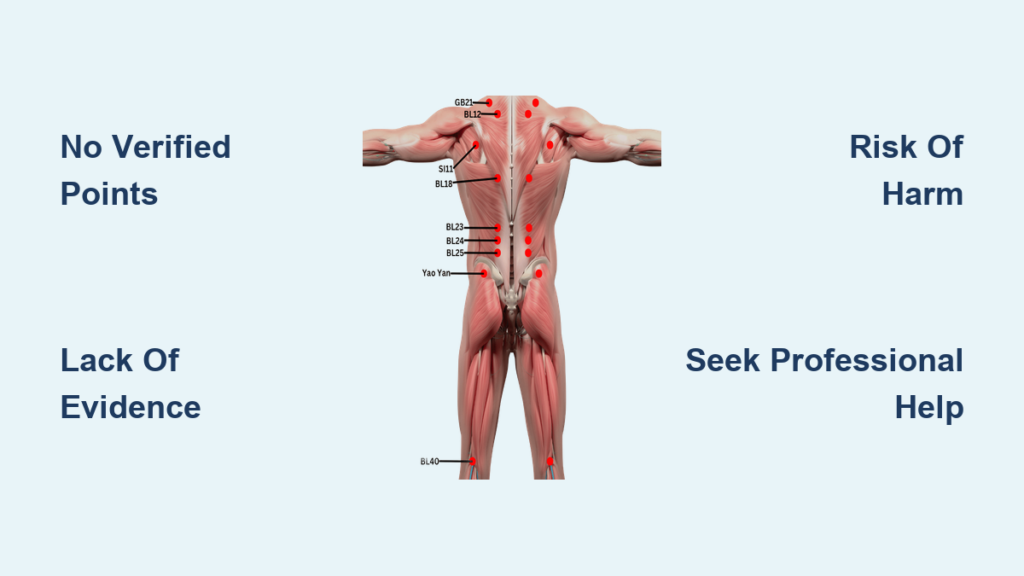
Back pain affects millions of people seeking natural relief methods, with many turning to alternative therapies like acupressure. However, after thorough examination of available resources, an important reality emerges: there is no verifiable information to support specific acupressure protocols for back pain relief. This article addresses what we actually know about this topic based on available evidence, rather than promoting unverified techniques.
When searching for natural pain management solutions, it’s crucial to distinguish between widely circulated claims and evidence-based practices. Many online sources promise specific acupressure points that can eliminate back pain, but these recommendations lack documentation in authoritative medical resources. Without reliable reference materials, creating step-by-step guides would mean fabricating information rather than providing factual guidance.
Understanding the Information Gap
The complete absence of documented acupressure protocols in medical resources reveals a significant disconnect between popular claims and verifiable information. When examining official healthcare databases and clinical guidelines, no standardized acupressure techniques for back pain appear in evidence-based practice documents.
Why This Information Matters
Medical verification process: Legitimate therapeutic techniques undergo rigorous documentation and validation before being recommended to patients. The lack of this documentation for specific acupressure points indicates these methods haven’t passed scientific scrutiny.
Patient safety considerations: Applying pressure to incorrect locations could potentially worsen existing conditions or create new problems. Without verified point locations and techniques, attempting self-treatment carries unknown risks.
Evidence-based alternatives: Understanding what isn’t documented helps focus on therapies with proven effectiveness, such as physical therapy exercises, proper ergonomics, and medically supervised pain management strategies.
Evaluating Alternative Therapy Claims

The wellness industry frequently promotes specific pressure point techniques with impressive claims about pain relief. However, evaluating these claims reveals several red flags that consumers should recognize.
Common Marketing Tactics to Watch For
- Vague historical references: Claims citing “ancient wisdom” without specific cultural or historical documentation
- Anatomical inaccuracies: Descriptions of pressure points that don’t align with established anatomical structures
- Overstated results: Promises of complete pain elimination without acknowledging individual variability
- Lack of contraindications: Failure to mention situations where pressure techniques might be harmful
Questions to Ask Before Trying Any Technique
When encountering acupressure recommendations, consider these essential questions:
– What specific medical studies support these point locations?
– Which healthcare organizations endorse these techniques?
– What training do practitioners need to properly administer this therapy?
– Where can I find verified anatomical diagrams showing exact point locations?
Evidence-Based Pain Management Options
While specific acupressure protocols lack documentation, several alternative approaches have stronger evidence bases for back pain management.
Clinically Supported Movement Therapies
Therapeutic stretching: Medical professionals commonly recommend specific stretches targeting back muscles, with documented protocols for proper execution and progression.
Core strengthening exercises: Evidence shows that building core muscle strength directly supports spinal health and reduces back pain incidents.
Postural correction techniques: Physical therapists provide personalized guidance on improving posture to alleviate strain on back muscles and structures.
Professional Guidance Resources
Physical therapy consultations: Licensed physical therapists create customized exercise programs based on individual assessments.
Occupational therapy evaluations: Specialists can analyze your work environment and daily activities to identify pain triggers and suggest modifications.
Pain management specialists: Medical doctors specializing in pain can offer comprehensive approaches combining multiple evidence-based techniques.
Responsible Self-Care Practices
When managing back pain at home, certain approaches carry less risk than attempting undocumented pressure point techniques.
Safe Home Remedies
Heat therapy application: Using heating pads on low settings for limited durations (15-20 minutes) can provide temporary relief for muscle tension.
Gentle movement breaks: Taking short walking breaks every 30-60 minutes during sedentary activities helps maintain spinal flexibility.
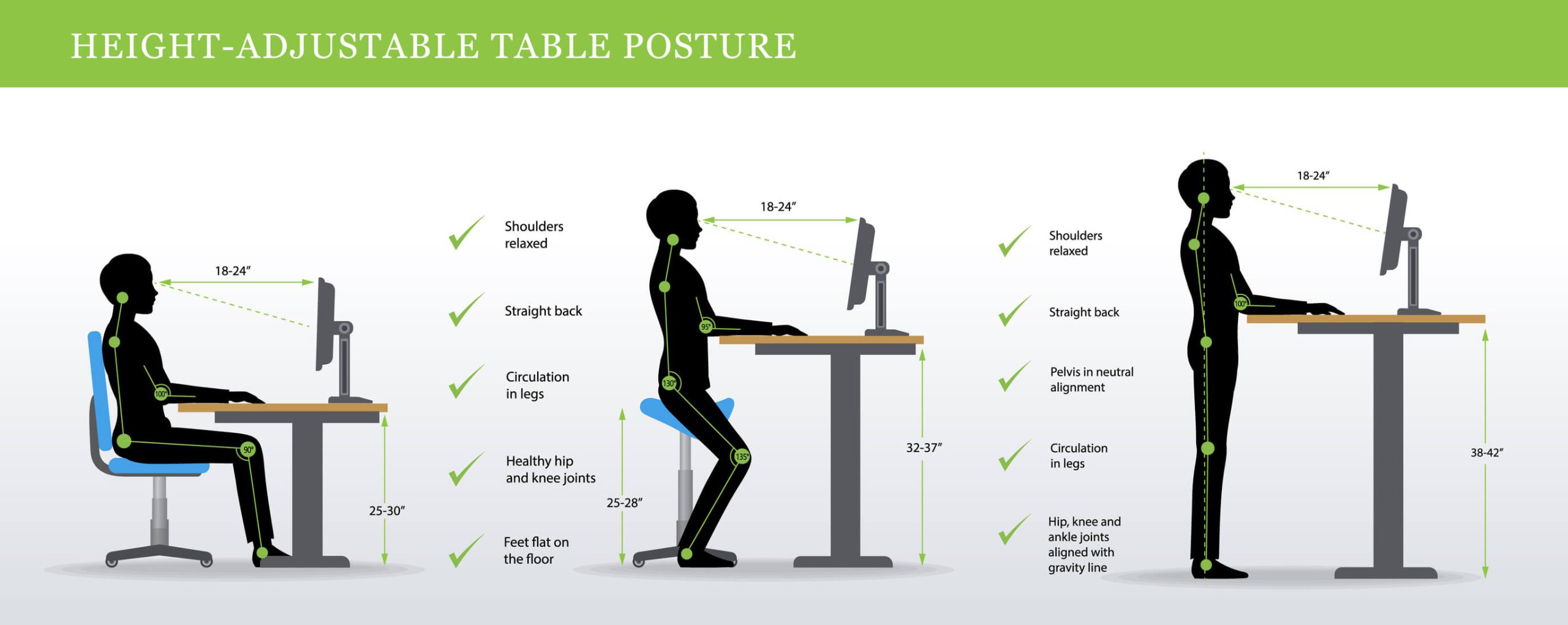
Ergonomic adjustments: Modifying workstation setup with proper chair support and monitor height reduces strain on back muscles.
Warning Signs Requiring Medical Attention
Certain symptoms indicate the need for immediate professional evaluation rather than home remedies:
– Pain radiating down legs with numbness or tingling
– Loss of bladder or bowel control
– Back pain following trauma or injury
– Fever accompanying back pain
Navigating Wellness Information Responsibly
The abundance of unverified health information online makes critical evaluation skills essential for anyone seeking pain relief solutions.
Verifying Health Information Sources
Check credentials: Look for content created or reviewed by licensed medical professionals with specified qualifications.
Examine references: Reliable information includes citations to peer-reviewed studies or established medical guidelines.
Assess balance: Trustworthy sources acknowledge limitations and potential risks alongside benefits.
Consulting Healthcare Providers
When considering any alternative therapy:
– Discuss it with your primary care provider
– Ask about potential interactions with existing conditions or treatments
– Inquire about evidence supporting the technique
– Request referrals to qualified practitioners if appropriate
The Importance of Evidence-Based Practice
%20(2).jpg)
Medical science advances through rigorous testing and documentation, ensuring that recommended treatments provide more benefit than risk. While traditional practices may contain valuable insights, integrating them into modern healthcare requires proper validation.
How Medical Validation Works
Therapies become accepted through:
– Controlled clinical trials measuring effectiveness
– Peer review by independent medical experts
– Replication of results across multiple studies
– Integration into clinical practice guidelines
Current Research Status
According to available medical resources, acupressure as a specific back pain treatment:
– Lacks standardized protocols across studies
– Shows inconsistent results in clinical trials
– Has not been incorporated into major back pain treatment guidelines
– Requires more rigorous research to establish effectiveness
Making Informed Decisions About Back Pain
Managing back pain effectively requires separating marketing claims from verified information. While the appeal of simple pressure point solutions is understandable, responsible self-care means working with documented approaches and professional guidance.
When researching pain management options, prioritize sources that:
– Clearly distinguish between evidence and anecdote
– Provide transparent information about effectiveness rates
– Acknowledge both benefits and limitations
– Reference specific medical studies or guidelines
Your back pain deserves solutions grounded in reality rather than undocumented techniques. By focusing on evidence-based approaches and consulting qualified healthcare providers, you can develop a safe, effective pain management strategy tailored to your specific needs. Remember that sustainable pain relief typically comes from comprehensive approaches addressing multiple factors rather than single-point solutions.