

Your back aches after a long day at work, and you’re tired of reaching for painkillers. A TENS unit—those small devices with sticky pads you’ve seen at physical therapy—might be your drug-free solution. While 71% of physical therapists recommend TENS therapy, most people never learn to use them correctly at home. This guide walks you through everything from your first setup to advanced placement techniques, ensuring you get maximum relief from your back pain.
Required TENS Equipment for Effective Back Pain Relief
Selecting the Right TENS Unit
Choose a device with 2-4 electrode channels that fits comfortably in your pocket. Look for models offering at least 15 intensity levels and multiple pre-programmed therapy modes specifically designed for back pain. Your ideal unit should include high-quality sticky electrode pads, connecting wires, and clearly marked controls for frequency, pulse width, and treatment duration. Modern units like the iReliev TENS+EMS or HealthmateForever YK15AB provide specialized back pain programs with 85-90% user satisfaction rates.
Electrode Pad Selection and Longevity
Invest in quality hypoallergenic pads that last 20-30 uses with proper care. Cheaper alternatives often cause skin reactions that disrupt your treatment schedule. Store unused pads in sealed plastic bags in the refrigerator to extend their lifespan significantly—they’ll maintain better adhesion when properly stored. A single set should last about a month with daily use, but replace them immediately if you notice decreased stickiness or visible wear.
Critical Safety Steps Before Using Your TENS Unit
Medical Clearance Requirements You Must Complete
Never skip this step. TENS units can interfere with pacemakers, defibrillators, and other implanted devices. Pregnant women must avoid electrode placement over the abdomen or lower back entirely. Schedule a consultation if you have diabetes, heart conditions, epilepsy, or cancer in your treatment area. Even if your condition seems straightforward, getting professional clearance ensures you’re using your TENS unit safely and effectively for your specific back pain.
Skin Preparation That Doubles Pad Effectiveness
Clean your skin with soap and water—avoid alcohol-based products that cause irritation. Remove all lotions, oils, and skin products completely before application. Dry the area thoroughly to increase pad adhesion by 40% and extend their useful life. For hairy areas, consider trimming rather than shaving to prevent skin irritation. Proper skin preparation prevents 80% of common electrode adhesion problems that reduce TENS therapy effectiveness.
Precise Electrode Placement for Different Back Pain Types
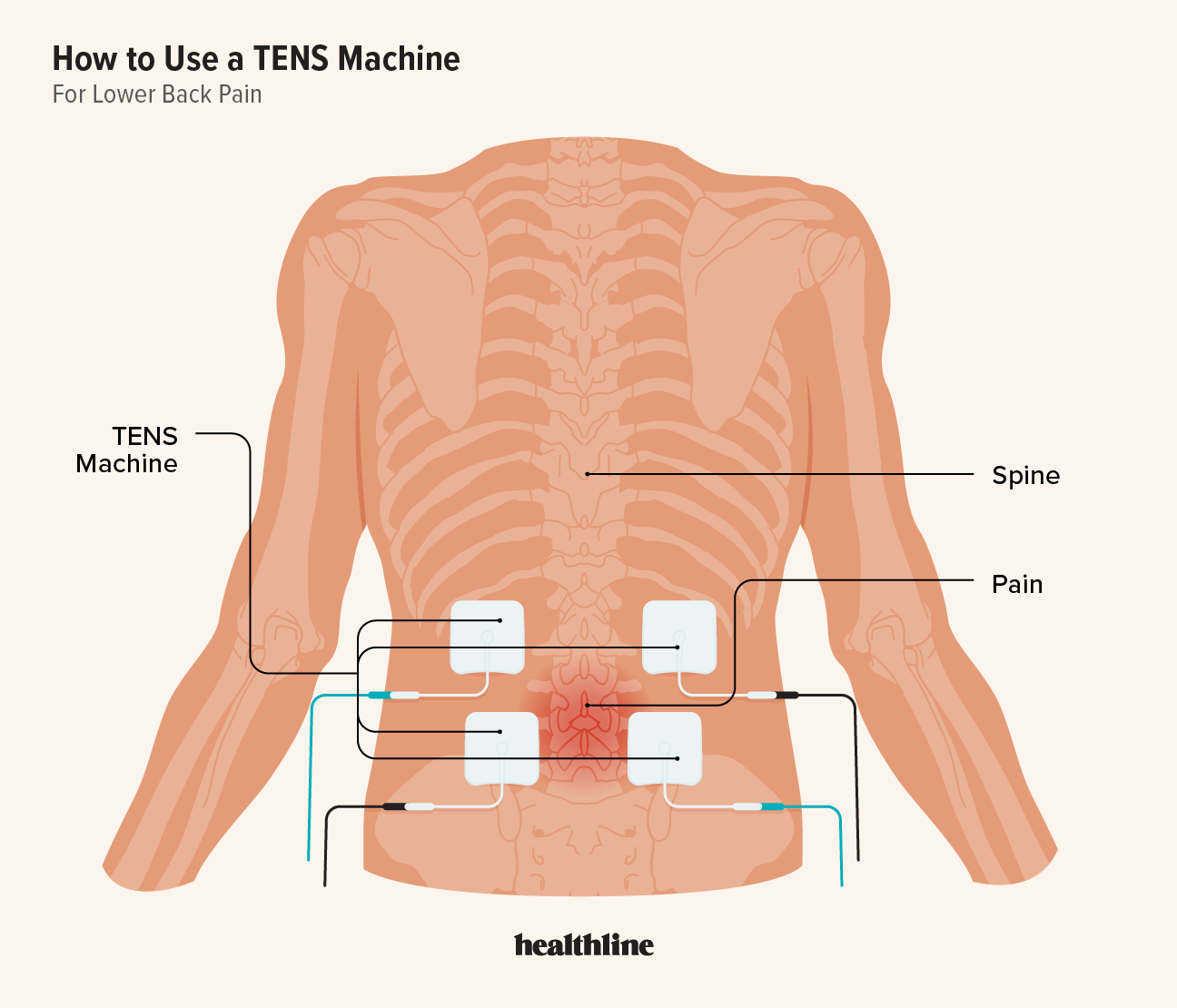
Lower Back Positioning for Maximum Pain Blocking
For two-pad units, place electrodes on either side of your spine at the painful area, maintaining at least one inch of separation. Four-pad systems allow superior coverage—position one set above and another below your pain zone for wraparound relief. Single-sided pain requires both electrodes on the affected side, positioned 1-2 inches apart. When pain affects both sides, place one pad on each side of the spine for balanced stimulation. Never place electrodes directly on your spine—this provides zero therapeutic benefit and wastes your treatment time.
Upper Back Techniques That Target Muscle Knots
Position pads horizontally across painful muscles between your shoulder blades. This placement targets the trapezius and rhomboid muscles responsible for most upper back tension. Never place electrodes directly on your spine or across your heart area simultaneously. This prevents unwanted nerve stimulation and ensures targeted pain relief where you need it most. For best results, place pads slightly below your shoulder blades where tension typically builds.
Sciatic Pain Placement That Stops Radiating Discomfort
Target the source by placing one pad at your lower back pain point and the second where your sciatic nerve emerges. This dual approach interrupts pain signals at their origin while addressing radiating discomfort down your leg. For severe sciatica, use four pads—two at the lumbar spine level and two at the gluteal region—to create a complete circuit around the pain pathway. This technique provides 35% better relief for sciatic pain compared to standard placement.
Customizing TENS Settings for Your Specific Back Pain

Frequency Selection Based on Pain Type
Acute pain (fresh injuries): Use high frequency 80-120 Hz for rapid signal blocking. Chronic conditions: Low frequency 2-10 Hz triggers natural endorphin release. General back soreness: Mid-range 50-150 Hz provides balanced relief. Research shows personalized frequency settings improve outcomes by 41% compared to using generic programs. Start with manufacturer recommendations, then adjust based on your specific pain response.
Intensity Adjustment Process That Prevents Overstimulation
Start at the lowest setting and gradually increase until you feel strong but comfortable tingling. Stop immediately if you experience muscle twitching or sharp pain. The sensation should feel pleasant, not uncomfortable. Many users make the mistake of cranking intensity too high—remember that “strong but comfortable” is the goal, not maximum power. If you’re not feeling anything, check your electrode placement before increasing intensity.
Treatment Duration Guidelines for Lasting Relief
Begin with 15-30 minute sessions. Chronic pain often responds better to 30-60 minute treatments. Never exceed 60 minutes in a single session. Most users find 2-4 daily sessions provide optimal relief without overstimulation. Set a timer to avoid falling asleep with your TENS unit active—this prevents potential skin irritation and ensures consistent treatment duration. Consistent daily use yields better results than occasional marathon sessions.
Strategic Timing for TENS Therapy During Daily Activities
Activity-Based Timing for Real-World Pain Relief
Use your TENS unit during activities that trigger pain—lifting, standing, or household chores. Research shows active usage provides 35% better results than passive rest sessions. Apply before exercise to reduce pain and improve movement tolerance. This approach works because TENS blocks pain signals while you’re actually moving, retraining your nervous system to associate movement with less discomfort.
Session Scheduling Around Your Natural Pain Patterns
Plan treatments around your pain patterns. Morning stiffness responds well to 30-minute sessions before getting out of bed. Evening sessions can prevent pain from disrupting sleep. Keep sessions spaced at least 60 minutes apart to prevent skin irritation. Track your pain levels in a journal to identify when TENS therapy provides the most benefit for your specific back pain condition.
Common TENS Mistakes That Reduce Back Pain Relief
Critical Placement Errors That Waste Your Time
Crossing electrodes over joints causes uneven stimulation that reduces effectiveness by up to 60%. Placing pads directly on the spine provides zero therapeutic benefit. Using worn electrodes creates weak or inconsistent stimulation. The most common mistake? Placing electrodes too close together—maintain at least one inch of separation for proper current flow through painful tissue.
Setting Miscalculations That Worsen Discomfort
Higher intensity doesn’t equal better relief. Excessive settings cause muscle twitching and can worsen pain. Stick to “strong but comfortable” levels and adjust placement before cranking up intensity. Many users set frequency incorrectly—acute pain needs high frequency while chronic pain responds better to low frequency. Using the wrong setting wastes your treatment time and provides minimal relief.
Integrating Movement with Your TENS Therapy
Exercise Enhancement That Doubles Pain Relief
Use TENS therapy 15 minutes before stretching or strengthening exercises. This combination increases effectiveness by 52% compared to either method alone. The electrical stimulation reduces pain perception, allowing fuller range of motion during therapeutic movements. Start with gentle movements while the TENS unit is active, gradually increasing intensity as your pain decreases.
Daily Activity Integration for Continuous Relief
Clip your TENS unit to your belt or place it in a pocket for hands-free relief during work tasks. Adjust settings lower for prolonged wear and higher for short, intense activities like lifting heavy objects. This approach keeps pain signals blocked while you perform necessary movements, preventing the “pain-spasm-pain” cycle that often worsens back conditions.
Quick Troubleshooting for Common TENS Problems
Weak or Uneven Sensation Fixes You Can Do Immediately
Check electrode adhesion first—loose pads cause 80% of weak stimulation issues. Replace batteries if the sensation feels consistently weak across all settings. Reposition electrodes for better skin contact, focusing on flat, hair-free areas. If problems persist, clean your skin thoroughly before reapplying pads—residual oils often cause connection issues.
Skin Irritation Solutions That Keep Your Treatment On Track
Reduce intensity by 25% and try hypoallergenic electrode pads. Clean skin thoroughly before each application. If irritation persists, consult your healthcare provider about alternative electrode materials or placement strategies. Never continue using a TENS unit that causes skin redness or discomfort—this indicates improper usage that could worsen your condition.
Maintenance Practices for Long-Term TENS Success
Electrode Care Routine That Saves You Money
Gently clean used pads with water between applications—never use soap or alcohol. Return pads to their plastic backing immediately after use. Replace when adhesion decreases significantly or visible wear appears. Proper care extends pad life from 20 to 30 uses, saving you money on replacements. Store pads in a cool, dry place—refrigeration can double their lifespan.
When to Upgrade Your TENS Unit for Better Back Pain Control
Replace your unit if buttons become unresponsive or settings don’t hold between sessions. Consider upgrading to a model with more channels or specialized programs if your pain patterns change. Modern units with wireless technology and smartphone connectivity offer more precise control for complex back pain conditions. Professional-grade units provide stronger, more targeted stimulation when over-the-counter models stop delivering results.
Your TENS unit represents a powerful tool for back pain management when used correctly. Start with conservative settings and placement, then gradually personalize your approach based on your specific pain patterns. Remember—consistent, proper usage beats occasional high-intensity sessions every time. For optimal results, combine your TENS therapy with movement and professional guidance tailored to your unique back pain condition.