
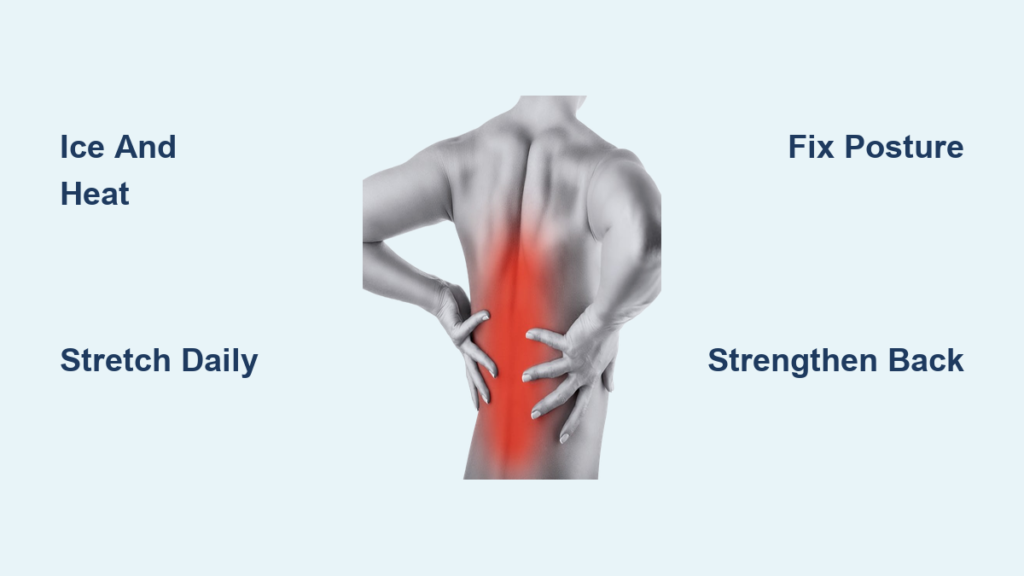
That persistent ache between your shoulder blades ruins your focus at work and steals your sleep. You’ve shifted positions constantly, tried over-the-counter painkillers, and even skipped your favorite activities—yet your mid-back pain lingers like an unwelcome guest. You’re not alone: 15-30% of adults experience thoracic spine pain during their lifetime. The good news? Most cases stem from fixable posture issues or muscle strain, not serious conditions. This guide delivers immediate relief strategies and long-term solutions so you can move freely again—no expensive treatments required.
Stop wasting time on ineffective remedies. Within this guide, you’ll discover scientifically backed techniques to soothe your thoracic spine, strengthen weak postural muscles, and prevent future flare-ups. Whether your pain comes from desk work, heavy lifting, or poor sleep posture, these actionable steps work fast.
Is Your Middle Back Pain an Emergency? Critical Warning Signs
Before attempting self-treatment, rule out dangerous conditions requiring immediate medical care. Your safety depends on recognizing these red flags:
Seek emergency help if you experience:
– Chest pain combined with upper back discomfort
– Sharp pain when taking deep breaths
– Numbness or tingling traveling into your arms
– Unexplained fever alongside back pain
You can safely self-treat when symptoms include:
– Localized muscle tightness between shoulder blades
– Stiffness worsening after prolonged sitting
– Pain improving with movement or heat application
– Discomfort triggered by specific postures (like driving)
Ignoring these distinctions risks serious complications. If you’re unsure, consult a healthcare provider before proceeding.
Stop Middle Back Pain Now: Immediate Relief Tactics
Ice and Heat Therapy Protocol
Apply ice packs wrapped in thin cloth for 15 minutes every 2 hours during the first 48 hours after injury or sudden pain onset. After this window, switch to heat therapy—use a heating pad on medium setting for 20-minute sessions to relax tight muscles. For best results, alternate heat and ice: 10 minutes heat followed by 5 minutes ice, repeating for 30 minutes. Never apply ice directly to skin or use heat on inflamed/swollen areas.
Smart OTC Medication Strategy
Most effective options:
– Ibuprofen (400mg) taken with food every 6-8 hours
– Topical diclofenac gel applied 3-4 times daily
– Naproxen (220mg) every 8-12 hours for longer-lasting relief
Critical warning: Never exceed 10 days of continuous NSAID use without medical consultation. If pain persists beyond 5 days despite medication, schedule a doctor’s visit. Avoid combining multiple NSAIDs—this increases stomach bleeding risk significantly.
Daily Mid-Back Pain Relief Stretches That Work
5-Minute Morning Mobility Routine
Cat-Cow Flow
– Position: Hands under shoulders, knees under hips on mat
– Movement: Inhale arch spine downward (cow), exhale round spine upward (cat)
– Duration: 7 slow repetitions, focusing on individual vertebra movement
– Pro tip: Place blanket under knees if sensitive
Passive Backbend
– Setup: Roll towel horizontally at mid-back level
– Position: Lie back with towel supporting shoulder blades, arms outstretched
– Hold: 3+ minutes while breathing deeply into ribcage
– Visual cue: Maintain contact between head and floor
Desk Job Pain Relievers (Every 30 Minutes)
Seated Twist
– Sit tall in chair, place right hand behind hip
– Inhale lengthen spine, exhale gently twist right using left hand on right knee
– Hold 3 breaths, repeat left side
– Avoid: Forcing rotation or collapsing shoulders forward
Wall Angel
– Stand with back against wall, head and tailbone touching surface
– Position: Elbows bent at 90 degrees, wrists facing forward
– Movement: Slide arms up/down like snow angels while maintaining wall contact
– Target: Complete 10 slow repetitions hourly
– Key indicator: Stop if wrists lose wall contact—reduce range temporarily
Fix Weak Posture Muscles Causing Pain
Essential Strengthening Moves
Bridge Pose
– Lie on back, knees bent, feet hip-width apart
– Press through heels while squeezing glutes to lift hips
– Hold 5-7 breaths, lower slowly
– Advanced: Clasp hands underneath body for deeper thoracic extension
– Frequency: 3 sets of 10 daily
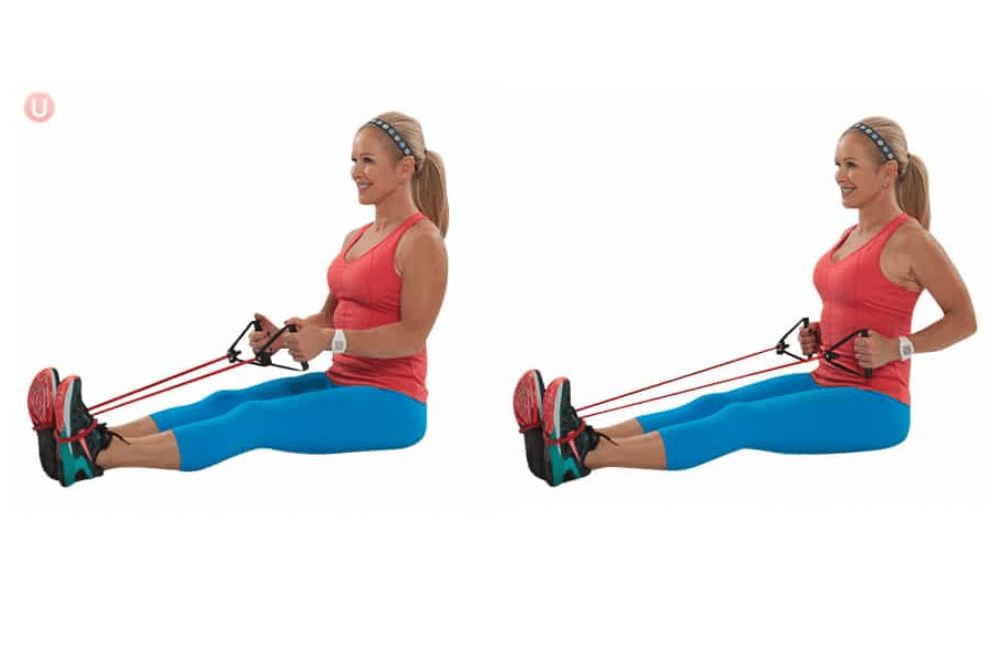
Resistance Band Rows
– Anchor band at chest height, grip handles with palms facing
– Pull elbows back while squeezing shoulder blades together
– Focus: Use mid-back muscles—not arms—to initiate movement
– Sets: 3 x 12-15 reps, 3x weekly
– Warning: Avoid shrugging shoulders—keep them down throughout
Prevent Pain Before It Starts: Posture Fixes
Workstation Setup That Eliminates Strain

Monitor positioning: Top third of screen at eye level, 20-26 inches from face. Use books or monitor stand to raise screen—never look down for extended periods.
Chair adjustments: Maintain natural spinal curve with lumbar support, feet flat on floor. Set timer for standing breaks every 30 minutes.
Keyboard placement: Keep elbows bent at 90 degrees, wrists straight. Forearms should rest parallel to floor.
Sleep Position Solutions for Pain-Free Mornings
Back sleepers: Place pillow under knees, thin roll under lower back. Avoid thick pillows that strain neck.
Side sleepers: Hug body pillow, place another between knees. Choose firm mattress supporting spinal alignment.
Critical rule: Replace mattresses older than 7 years—sagging surfaces worsen thoracic pain.
Advanced Pain Relief Techniques for Stubborn Discomfort
Foam Roller Protocol for Thoracic Spine
T-spine Extension
– Position roller horizontally under mid-back (below shoulder blades)
– Support head with hands, gently arch upper back over roller
– Roll slowly 2-3 inches upward toward neck
– Spend 60 seconds on tender spots—never roll lower ribs
– Stop immediately if sharp pain occurs
Thread the Needle Stretch
– Start in child’s pose, slide right arm under left arm
– Rest right temple on floor while extending left arm forward
– Hold 30 seconds, feeling stretch through ribcage
– Repeat 5 times per side daily
Long-Term Prevention Plan: Stay Pain-Free
Daily Non-Negotiables
- Morning: 5 minutes cat-cow sequence before coffee
- Work hours: 30-30 rule—30 seconds movement every 30 minutes
- Evening: Passive backbend while watching TV (3+ minutes)
Weekly Maintenance Routine
- Strength training: 2 sessions targeting upper back (band rows, bridges)
- Cardio choice: Swimming or brisk walking for 30 minutes
- Stretch session: Full mobility routine twice weekly (include wall angels)
Progression Timeline
Week 1-2: Focus on pain relief (heat/ice, gentle stretching)
Week 3-4: Add strengthening exercises gradually
Month 2: Implement full prevention routine
Ongoing: Maintain 80% compliance with exercises and posture checks
Middle Back Pain Severity Scale: When to Escalate Care
Level 1-3 (Mild): Occasional ache, relieved by movement
– Action: Heat therapy and daily stretching
Level 4-6 (Moderate): Daily discomfort limiting activities
– Action: Add NSAIDs and professional consultation if no improvement in 10 days
Level 7-10 (Severe): Constant pain disrupting sleep
– Action: Seek medical evaluation within 48 hours
Bottom line: Most thoracic spine pain originates from weak postural muscles and prolonged poor positioning—both completely reversible. Start with the ice/heat protocol and desk-side stretches today, then systematically build your strengthening routine. Consistent effort for just 10 minutes daily will transform your mid-back pain from a constant distraction to a rare occurrence. Your path to pain-free movement begins with the very next stretch you do.