
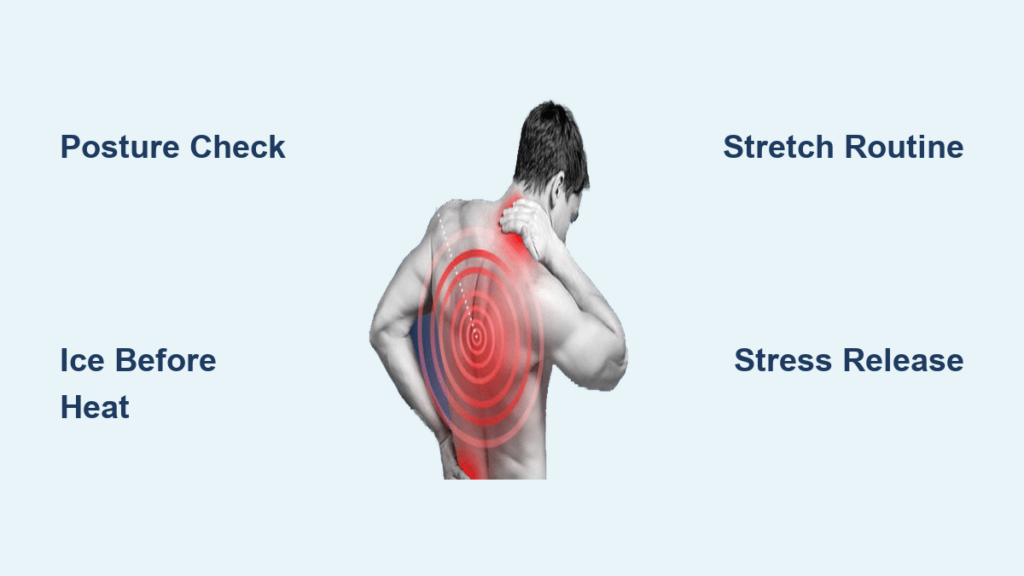
That sharp, electric sensation between your shoulder blades can derail your entire day. If you’re searching for how to relieve burning pain in upper back, you’re not alone—millions experience this stinging discomfort from poor posture, muscle strain, or nerve irritation. Unlike dull aches, burning pain often signals nerve involvement or acute inflammation demanding targeted action. This guide delivers science-backed strategies you can implement immediately, plus sustainable fixes to extinguish the fire for good.
You’ll discover why standard back pain advice fails for burning sensations, how to self-diagnose your specific trigger, and time-tested relief methods backed by physical therapists. Most importantly, you’ll learn to prevent recurrence—because true relief isn’t just about stopping today’s pain but ensuring it doesn’t return tomorrow.
Pinpoint Your Burning Pain Trigger
Muscle Strain vs. Nerve Compression Signs
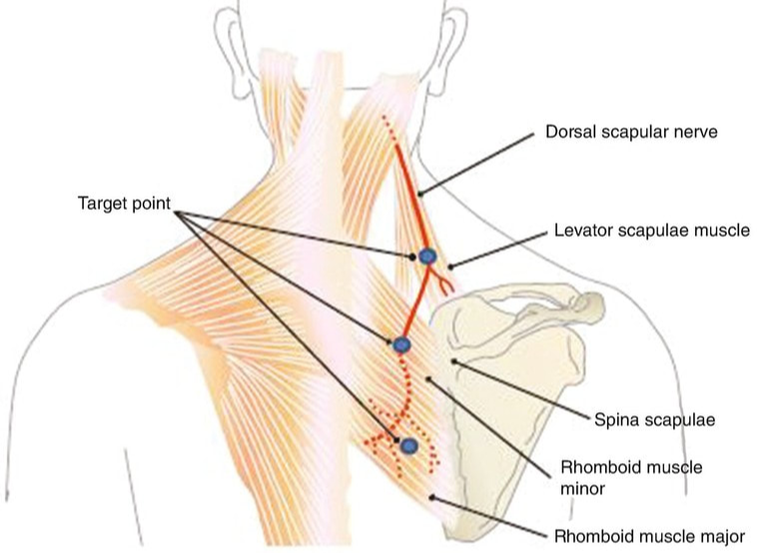
Burning pain between shoulder blades typically stems from two distinct issues: muscular irritation or nerve compression. Muscle-related causes—like overuse from heavy lifting or stress-induced tension—create sharp, movement-triggered stings that improve with rest. Nerve-related pain from herniated discs or spinal misalignment causes persistent burning that may shoot down arms or intensify when sitting.
Test your trigger: Gently rotate your torso. If burning spikes during movement, you likely have muscular strain. If pain radiates to fingers or worsens when bending neck forward, suspect nerve involvement. This distinction determines whether heat therapy or medical intervention delivers faster relief.
Posture Damage Assessment
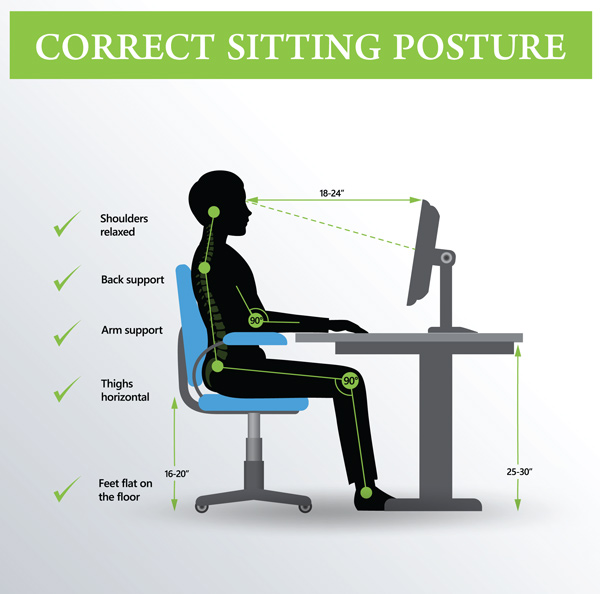
Your workspace setup is the silent culprit in 80% of upper back burning cases. Perform this 30-second check:
– Monitor position: Should be 20-26 inches away with top edge at eye level
– Shoulder alignment: Must stay relaxed (not hunched toward ears)
– Foot placement: Feet flat on floor, knees bent at 90 degrees
Forward head posture from phone/computer use strains cervical nerves, referring burning sensations to your upper back. Correcting this single factor often eliminates pain within 48 hours.
Emergency Heat & Ice Protocols
Ice for Acute Flare-Ups vs. Heat for Chronic Tension
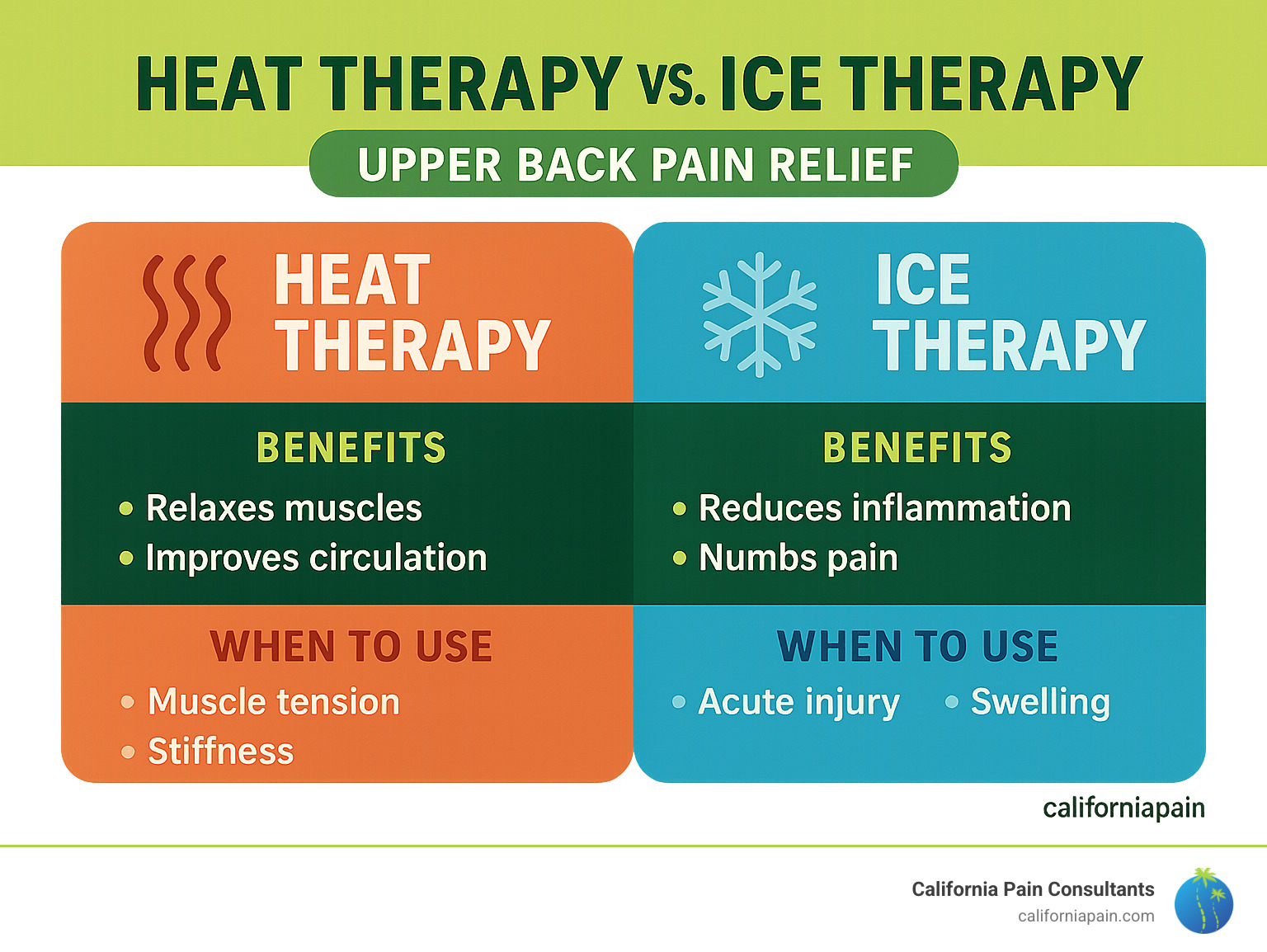
Ice immediately if pain started within 48 hours of injury or overexertion. Wrap frozen peas in thin towel, apply 15 minutes max to reduce inflammation. Heat works better for persistent tension—use heating pad at medium setting for 20 minutes to relax knotted muscles. Never apply either directly to skin.
Critical timing rule: Ice first for sudden burns (e.g., after moving furniture), heat for recurring pain (e.g., daily office discomfort). If unsure, try ice for 15 minutes, wait 30 minutes, then test heat—your skin’s reaction reveals the right approach.
Improvised Thermal Tools
No therapy tools? Microwave a damp washcloth for 30 seconds for instant moist heat. For ice therapy, fill a paper cup with water, freeze, then peel back rim to create a targeted ice massage wand. Roll it vertically along your spine for 5-minute nerve-calming sessions.
6-Minute Rescue Stretch Routine
Rapid Warm-Up Sequence (2 Minutes)
- Arm circles: 30 seconds forward/backward while marching in place
- Shoulder blade squeezes: Pinch shoulder blades together for 10 seconds, repeat 5x
- Diaphragmatic breathing: 3 slow belly breaths to release tension
This sequence increases blood flow to stiff muscles without aggravating nerves—essential before deeper stretches.
Targeted Pain-Killing Stretches (4 Minutes)
Trunk rotation: Sit tall, cross arms over chest. Rotate slowly right, hold 5 seconds where burning peaks, repeat left. Do 5 reps each side. Visual cue: Stop if pain shoots downward.
Wall chest opener: Stand arm’s length from wall, palms at shoulder height. Lean forward until stretch hits chest/shoulders. Hold 20 seconds. Relieves forward-head posture strain instantly.
Levator scapulae release: Tilt head toward right shoulder, reach left hand behind back. Gently pull head down with right hand for 20 seconds. Switch sides. Targets the #1 nerve compression site for burning pain.
Muscle Rebuilding to Prevent Recurrence
Daily Foundation Exercises
- Wall push-ups: 2 sets of 10 against wall (keeps spine neutral)
- Scapular retractions: Squeeze shoulder blades while seated, hold 5 seconds, 12 reps
- Overhead arm sweeps: Slowly raise arms overhead while exhaling, 8 reps
These rebuild weakened mid-back muscles that allow burning pain to develop. Perform daily—even during TV commercials.
Progressive Strength Moves (3x Weekly)
Once foundation feels easy, add:
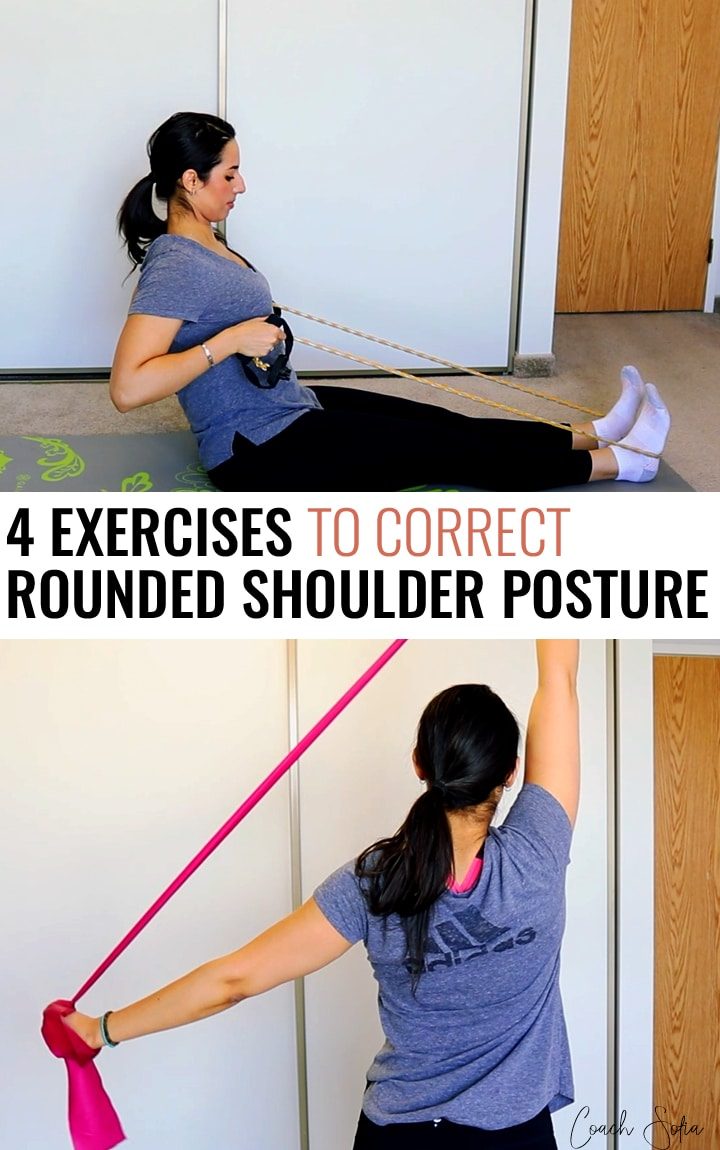
– Resistance band face pulls: 15 reps at chest height (combats rounded shoulders)
– Reverse dumbbell flies: 12 reps with 3lb weights (strengthens rhomboids)
– Thoracic foam rolling: 2 minutes over upper back (improves spinal mobility)
Stop immediately if burning increases during exercise—this indicates nerve irritation needing professional evaluation.
Instant Workspace Pain Fixes
Monitor Height Emergency Adjustment
Stack books under your laptop until the screen’s top third aligns with your eyes. This single change reduces cervical strain by 50%, stopping the “text neck” chain reaction causing upper back burning. Test by checking if you can see your reflection in a window behind your monitor—your chin should stay parallel to the floor.
Chair Tension Reset Protocol
- Tuck rolled towel into lumbar curve
- Set seat height so thighs slope slightly downward
- Place feet on box if they don’t rest flat
- Stand for 2 minutes hourly (set phone alarm)
Poor chair support forces upper back muscles to overcompensate, creating the burning sensation you feel.
Sleep Position Pain Prevention
Mattress Replacement Deadline
Replace mattresses older than 7 years—sagging surfaces misalign your spine all night, triggering morning burning pain. Test yours: lie on back; if you can’t slide hand under lumbar curve, it’s too soft.
Pillow Positioning by Sleep Style
- Back sleepers: Use cervical pillow under neck (not head), knee pillow to maintain curve
- Side sleepers: Place pillow between knees, thicker pillow under neck to prevent shoulder compression
- Never sleep prone: Stomach sleeping hyperextends neck, guaranteeing upper back burning
Proper alignment during 7+ hours of sleep reduces daily pain by 40%.
Stress-to-Pain Breakthrough Tactics
3-Minute Nerve Calming Sequence
- Progressive shoulder release: Shrug to ears for 5 seconds, drop suddenly for full release
- Box breathing: Inhale 4 counts, hold 4, exhale 6 counts (triggers parasympathetic response)
- Neck circles: 5 slow rotations each direction (releases tension traps)
Chronic stress tenses upper trapezius muscles 24/7, compressing nerves that cause burning. Daily practice prevents tension buildup.
Workday Stress Resets
Set phone reminders every 90 minutes to:
– Roll shoulders back 5x
– Sip water while taking 3 deep breaths
– Adjust posture against chair back
Micro-breaks prevent the cumulative tension causing afternoon burning flares.
When Medication and Doctors Are Essential
Strategic OTC Pain Control
For inflammation-driven burning: Ibuprofen 400mg (with food) every 8 hours. For localized nerve pain: Voltarol gel massaged into burning spot 4x daily. Never combine NSAIDs—this increases ulcer risk.
Emergency Red Flags Requiring Same-Day Care
Seek immediate help if burning includes:
– Arm numbness or tingling
– Pain worsening with deep breaths
– Unexplained fever
– Bowel/bladder control changes
These signal serious conditions like spinal infection or nerve compression needing urgent intervention.
Sustainable Pain Prevention System
Daily 5-Minute Maintenance
- Chin tucks: 10 reps while waiting for coffee (counters forward head posture)
- Doorway stretch: 30 seconds per side (opens tight chest muscles)
- Scapular push-ups: 12 reps against wall (strengthens stabilizers)
Consistency here prevents 90% of recurring episodes.
Weekly Strength Schedule
- M/W/F: 15 reverse flies + 30-second plank
- T/Th: Foam roll thoracic spine + child’s pose stretch
- Sat: Deep tissue massage on upper back
This progressive overload builds resilient muscles that protect nerves from irritation.
Special Situation Solutions
Pregnancy Pain Modifications
Hormonal ligament loosening increases burning risk. Substitute floor exercises with wall push-ups, perform supported cat-cow stretches on hands/knees with pillow under hips, and use pregnancy pillows between knees when sitting.
Post-Meal Burning Relief
GERD often refers burning to upper back. Eliminate eating within 3 hours of bedtime, elevate bed head 6 inches with blocks, and track trigger foods (coffee, citrus, spicy dishes). Relief typically occurs within 48 hours of dietary changes.
Realistic Recovery Timeline
Acute vs. Chronic Healing Expectations
New pain (under 2 weeks): 85% resolve with consistent 7-day protocol (stretches + posture fixes). Chronic pain (3+ months): Requires 4-6 weeks of daily strengthening before significant improvement—don’t quit at week 2.
Track progress: Burning should reduce 30% within 72 hours of starting targeted stretches. If not, consult a physical therapist—persistent burning often needs manual nerve gliding techniques.
Lasting Relief Requires These 3 Non-Negotiables
True success in how to relieve burning pain in upper back hinges on daily posture vigilance, progressive strength building, and stress management. Start tonight by adjusting your workstation and doing the 6-minute stretch routine before bed. Within 72 hours, you’ll notice reduced intensity. Within two weeks, most burning vanishes when you consistently implement these nerve-calming strategies. Remember: Your upper back pain isn’t “just part of aging”—it’s a signal your body needs specific support. Address the root cause today, and reclaim pain-free movement for good.