
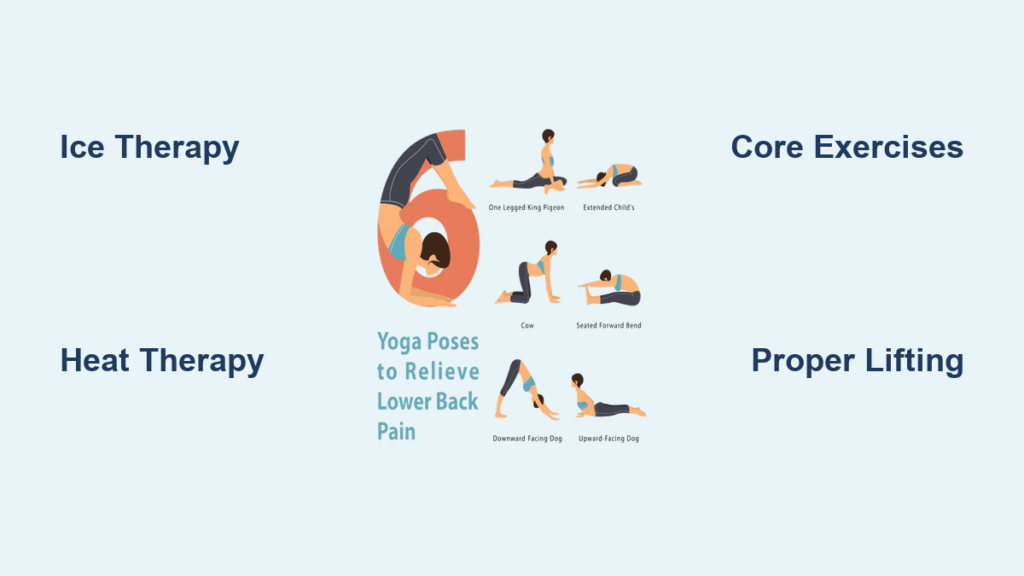
That sudden jolt when you bend to pick up your keys. The dull ache that follows you from your desk to dinner. If back pain has become your unwelcome companion, you’re not alone—over 80% of adults experience significant back pain at some point. The good news? Most cases resolve without surgery, and you can start feeling better today with the right approach. This guide delivers actionable steps for immediate relief and long-term prevention, so you can finally learn how to get rid of pain in the back for good.
Stop wasting money on temporary fixes that barely scratch the surface. Whether you’re dealing with a recent strain or chronic discomfort, you’ll discover exactly what works based on proven techniques you can implement tonight. No confusing medical jargon—just clear, practical solutions that target the root cause of your pain.
Pinpoint Your Exact Back Pain Type for Targeted Relief
Location-Specific Pain Patterns You Can Identify Tonight
Lower back pain dominates complaints because your lumbar spine bears your body’s full weight during lifting and movement. You’ll typically feel this as a dull ache across your belt line, sometimes shooting into your buttocks or legs. Upper and middle back pain tends to feel like burning or tightness between your shoulder blades, often from hours hunched over computers. Neck pain radiates from the cervical spine, causing headaches and shoulder tension.
Critical Duration Clues That Determine Your Treatment Path
Acute pain (under 4 weeks) usually follows a specific injury like lifting something heavy. Subacute pain (4-12 weeks) lingers but shows gradual improvement. Chronic pain (3+ months) requires a comprehensive approach beyond basic remedies. Knowing which category you fall into determines whether you should focus on inflammation reduction or mobility restoration.
Dangerous Red Flags That Demand Immediate Medical Attention
Watch for these warning signs that mean stop self-treating and seek emergency care: loss of bladder or bowel control, numbness in your groin area, severe pain after a fall, fever accompanying back pain, or unexplained weight loss. These symptoms could indicate serious conditions like cauda equina syndrome that require immediate intervention.
First 48-Hour Back Pain Emergency Protocol

Ice Therapy That Actually Reduces Inflammation
Apply ice immediately to reduce inflammation. Use a commercial ice pack or make your own: fill a sealable bag with ice cubes and water, wrap in a thin towel, and apply for 15-20 minutes. Repeat every 2-3 hours during the first day, allowing 20-minute breaks between applications. Never apply ice directly to your skin—this prevents frostbite while maximizing anti-inflammatory benefits.
Smart Over-the-Counter Medication Strategy
NSAIDs like ibuprofen (400-600mg) or naproxen (220mg) tackle both pain and inflammation—always take with food to protect your stomach. Acetaminophen (500-1000mg) provides pure pain relief if you can’t take NSAIDs. For localized relief, try topical options: menthol creams create cooling relief, capsaicin creams generate gentle heat, and CBD balms may reduce inflammation without systemic effects.
Sleep Positioning Fixes That Heal While You Rest
Your sleeping position either heals or harms your back pain. Back sleepers: place a pillow under your knees to maintain your spine’s natural curve—this reduces pressure on your lower back by about 25%. Side sleepers: slide a pillow between your knees to keep your hips aligned. Stomach sleepers: this position strains your back—use a thin pillow under your pelvis to reduce the arch in your lower back while training to change positions.
Transition to Heat Therapy After 48 Hours
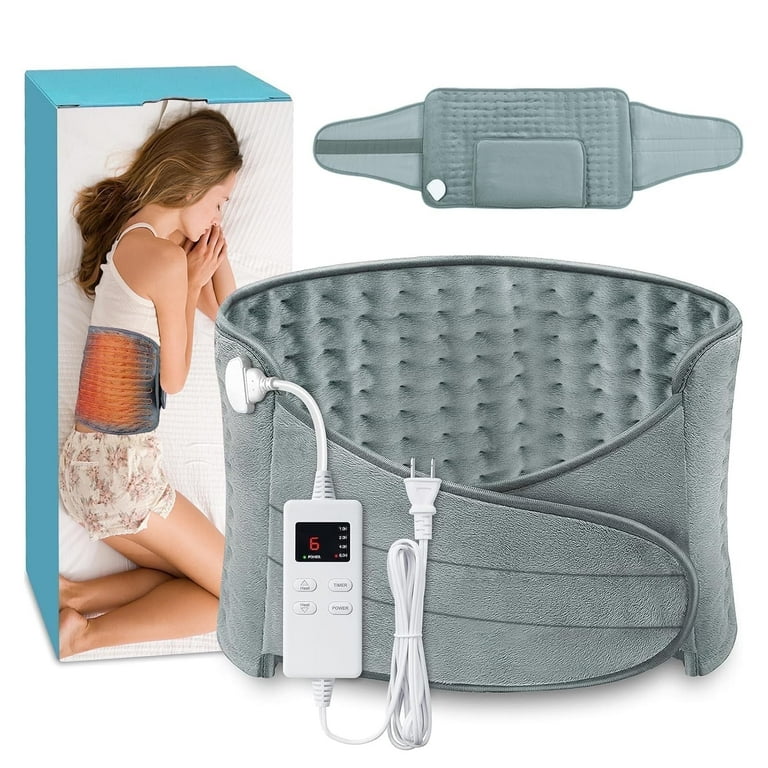
When to Switch from Ice to Heat for Maximum Healing
After 48 hours, inflammation subsides and heat becomes your healing ally. Heat relaxes tight muscles and increases blood flow, accelerating recovery. Apply heat therapy for 20-minute sessions using a heating pad set to medium heat, a DIY rice sock (fill a clean sock with uncooked rice and microwave for 60-90 seconds), or a warm bath with Epsom salts. Never fall asleep with a heating pad on to prevent burns.
Daily Movement Protocol That Actually Helps
Walking Strategy That Releases Natural Painkillers
Start with just 5-10 minutes of gentle walking—this might feel counterintuitive but movement pumps nutrients to your spinal discs. Gradually increase to 30 minutes daily as pain decreases. Keep your shoulders back, engage your core slightly, and take shorter strides than usual. Walking every two hours breaks up prolonged sitting that worsens back pain.
Three Essential Morning Stretches (5 Minutes Total)
-
Knee-to-chest: Lie on your back, pull one knee toward your chest for 20 seconds. Switch legs, then pull both knees together. Repeat twice—this gently mobilizes your lower spine.
-
Spinal twist: While lying on your back, bend your knees and let them fall gently to one side while keeping your shoulders flat. Hold 10 seconds each side to release tension in your lower back.
-
Cat-cow: On hands and knees, alternate between arching your back up like a cat and letting it sag down. Move slowly through 5-10 repetitions to restore spinal flexibility.
Core Strengthening That Acts as a Natural Back Brace
Three Daily Core Exercises (10 Minutes)
Strong core muscles support your spine like a built-in corset. Start with these basics:
Pelvic tilts: Lie on your back, knees bent. Tighten your abdominal muscles to press your lower back into the floor. Hold for 5 seconds, release. Do 10 reps to activate your deep core stabilizers.
Bird-dog: On hands and knees, extend one arm and opposite leg simultaneously. Hold for 5 seconds, switch sides. Build to 10 reps each side to improve balance and spinal stability.
Wall sits: Stand against a wall, slide down until knees are at 90 degrees. Hold for 10-30 seconds. This engages your entire core without stressing your back.
Posture Correction That Eliminates All-Day Strain
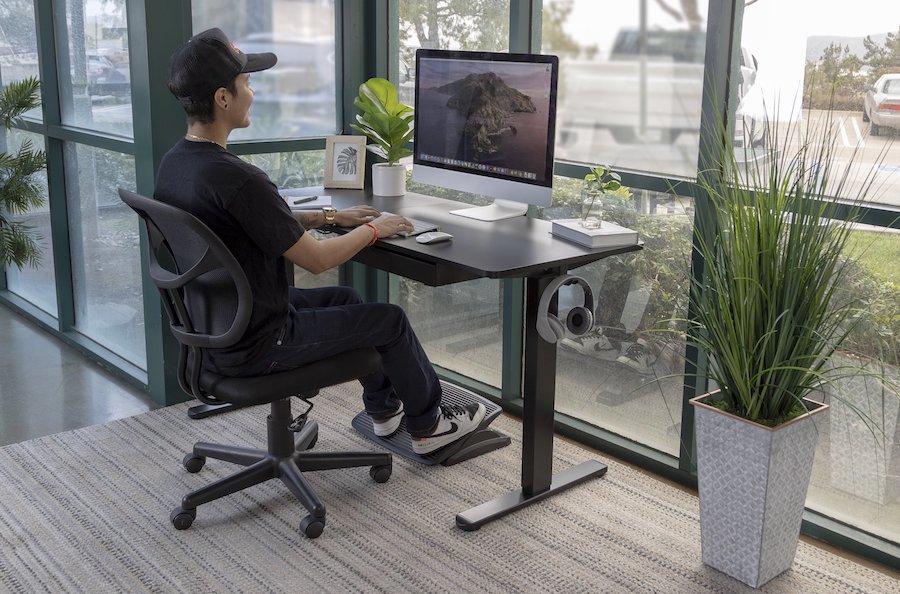
Office Setup That Prevents Pain Before It Starts
Set up your workstation to support your spine: your feet should rest flat on the floor with knees at 90 degrees. Use a small lumbar pillow or rolled towel to support your lower back’s natural curve. Position your monitor so the top third is at eye level to prevent forward head posture. Keep your keyboard close enough that your elbows stay at 90 degrees, preventing shoulder strain.
Lifting Technique That Protects Your Back Every Time
Before lifting anything, even light objects:
1. Stand close to the item
2. Bend your knees, not your back
3. Keep the object close to your body
4. Engage your core before lifting
5. Pivot with your feet—never twist while lifting
Sleep Optimization That Heals Your Back Overnight
Mattress and Pillow Strategy for Pain-Free Mornings
Medium-firm mattresses typically provide the best balance of support and comfort for back pain. If your mattress is over 8 years old or has visible sagging, it’s time for replacement. Back sleepers: use a pillow that keeps your neck neutral—not too high or low. The pillow under your knees is non-negotiable. Side sleepers: your pillow should fill the space between your ear and shoulder. The knee pillow should be thick enough to keep your spine straight.
Sleep Hygiene That Reduces Pain Sensitivity by 25%
Aim for 7-9 hours nightly—poor sleep increases pain sensitivity significantly. Create a wind-down routine: no screens 30 minutes before bed, gentle stretching, and a consistent bedtime. Proper sleep isn’t just rest—it’s active healing time for your spine.
Anti-Inflammatory Lifestyle Changes That Target Pain at the Source
Diet Adjustments That Reduce Back Pain Within Days
Focus on foods that fight inflammation: Omega-3 rich fish (salmon, mackerel) 2-3 times weekly, colorful berries daily, turmeric and ginger in meals or tea, and leafy greens like spinach and kale (aim for 2 cups daily). Avoid processed foods, excess sugar, and trans fats that fuel inflammation.
Hydration Formula for Plump, Healthy Spinal Discs
Drink half your body weight in ounces of water daily. Proper hydration keeps spinal discs plump and healthy—dehydrated discs compress more easily, causing pain. Add lemon or cucumber slices for variety and additional anti-inflammatory benefits.
When to Seek Professional Help for Back Pain
Clear Timeline for Medical Consultation
Schedule a doctor’s appointment if pain persists beyond 2 weeks despite home treatment, radiates below your knee, or causes numbness or weakness. Physical therapy provides personalized exercise programs with most insurance covering 6-12 visits annually. Massage therapy—particularly weekly sessions for 10 weeks—shows 6-month benefits in clinical studies.
Back pain doesn’t have to control your life. Start tonight: apply ice for 15 minutes, set up proper sleep positioning, and commit to gentle walking tomorrow morning. Most people see significant improvement within 2-4 weeks using these strategies. Remember, consistency beats intensity—10 minutes of daily movement outperforms an hour-long session once weekly.
Your spine is designed to last a lifetime. Treat it well, and it will support every adventure ahead. The key to how to get rid of pain in the back lies in combining immediate relief strategies with long-term prevention—address the inflammation now while building the strength and habits that keep pain from returning. Take action today, and you’ll be moving freely again before you know it.