

That sharp, shooting pain radiating from your lower back down your leg isn’t just annoying—it’s sciatica, and it’s stealing your mobility. You’re not alone: up to 40% of adults will experience this nerve pain during their lifetime. The good news? Most cases resolve completely with the right approach to how to cure sciatica back pain.
This guide walks you through proven strategies to eliminate sciatica back pain, from immediate relief techniques to long-term prevention. You’ll learn exactly what works, when to worry, and how to keep it from coming back. No more guessing games—just science-backed methods that deliver results.
Whether your pain stops at your thigh or travels all the way to your toes, these actionable steps will help you regain control. By the end of this guide, you’ll have a personalized action plan to start curing your sciatica back pain today.
Herniated Disc vs Piriformis Syndrome: Pinpointing Your Sciatica Trigger
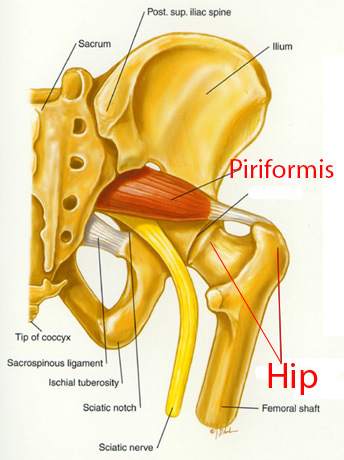
Your sciatic nerve, the body’s largest nerve, runs from your lower spine through your hips and down each leg. When something compresses or irritates this nerve, pain radiates along its entire path. Understanding whether mechanical compression or inflammation causes your pain determines your treatment success.
Mechanical compression creates symptoms through:
– Herniated discs pressing on nerve roots
– Bone spurs narrowing nerve pathways
– Spinal stenosis reducing space around nerves
– Piriformis muscle spasms trapping the sciatic nerve
Inflammatory swelling stems from acute injuries, pregnancy-related pressure, or systemic inflammatory conditions. Both types create identical symptoms, but treatment approaches differ slightly. Mechanical issues need decompression strategies, while inflammation responds to anti-inflammatory measures.
7 Emergency Signs That Mean Your Sciatica Needs Immediate Medical Attention
Don’t wait if you experience:
– Sudden loss of bladder or bowel control
– Severe weakness in leg muscles
– Numbness in groin area
– Fever with back pain
– Progressive worsening despite treatment
– Pain spreading below the knee
– Difficulty walking or standing
These symptoms indicate potential nerve damage requiring urgent intervention. Permanent complications can develop within 48-72 hours. If you have any of these warning signs, stop reading and seek immediate medical care—don’t risk permanent nerve damage.
20-Minute Ice/Heat Protocol for Instant Sciatica Pain Relief
First 48-72 Hours: Ice Therapy That Works
Apply ice packs wrapped in a thin towel to your lower back and buttock areas for 15-20 minutes, 3-4 times daily. Never apply ice directly to skin—this can cause tissue damage. During this acute phase, ice reduces inflammation and numbs pain signals. Set phone alarms to ensure you don’t exceed 20 minutes per session.
After Initial Inflammation: Heat Therapy Protocol
Switch to heat therapy after the first 72 hours using a heating pad on low setting or warm Epsom salt baths. Apply heat for 15-20 minutes at a time, focusing on tight muscle areas. For stubborn cases, alternate between 10 minutes heat followed by 10 minutes ice every two hours. This “contrast therapy” boosts circulation while reducing residual inflammation.
Movement Strategy That Actually Helps
Start walking within 24-48 hours—gentle movement reduces inflammation better than bed rest. Begin with 5-10 minute walks every 2-3 hours on flat surfaces. Set phone reminders to move every 30 minutes during sedentary periods. Stop immediately if pain increases beyond mild discomfort—pushing through sharp pain worsens nerve irritation.
3-Phase Core Strengthening Routine to Stop Sciatica Pain
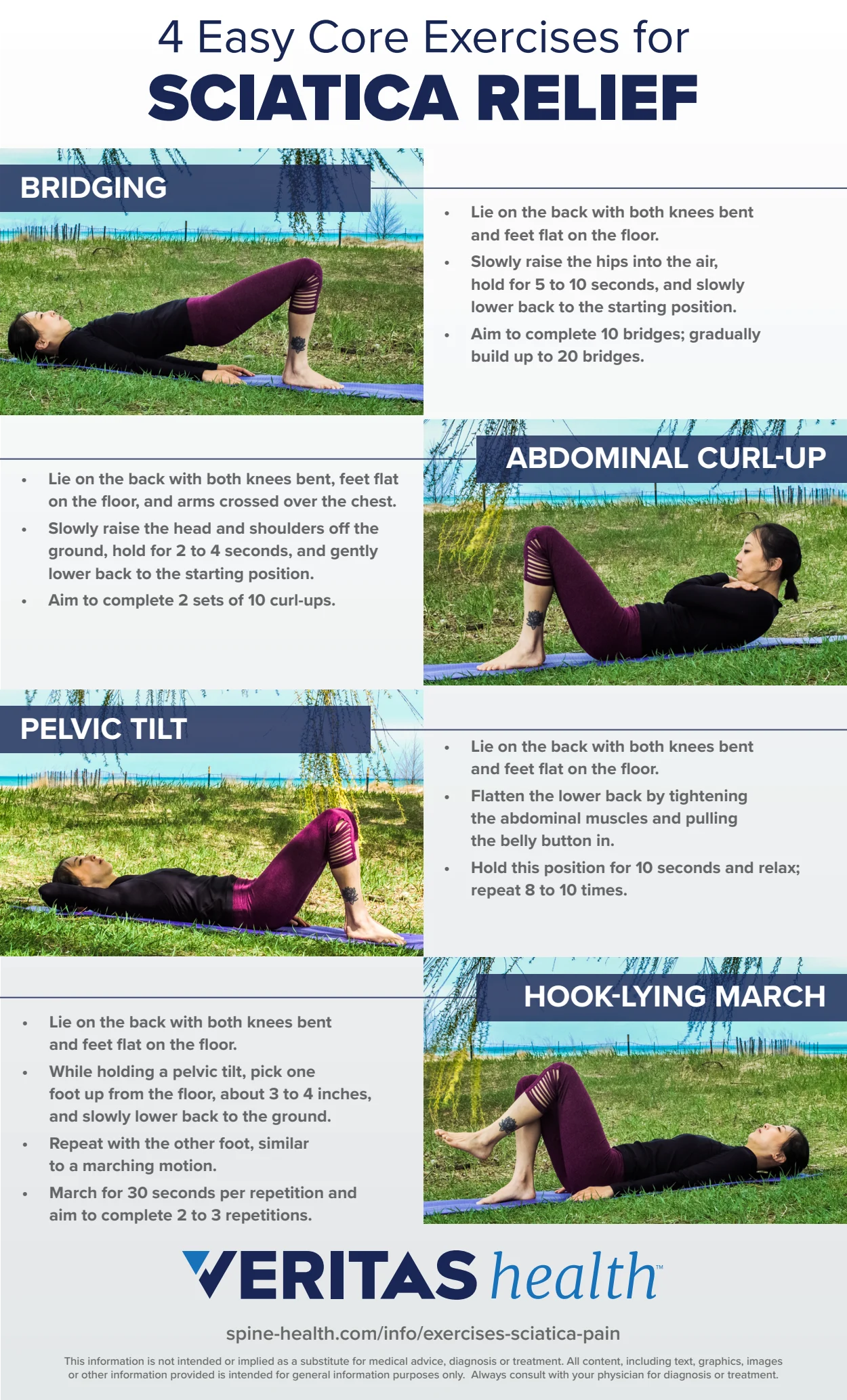
Phase 1: Foundation (Days 1-3)
Glute Bridge
Lie on back, knees bent, feet hip-width apart. Press through heels, lifting hips while squeezing glutes. Hold 5-10 seconds, lower slowly. Build to 15 reps, 2x daily. Visual cue: Your body should form a straight line from shoulders to knees.
Clamshell
Side-lying with knees bent, lift top knee while keeping feet together. Hold 5-10 seconds. Start with 10 reps each side, 2x daily. Pro tip: Place a resistance band above knees for added challenge as pain decreases.
Phase 2: Integration (Days 4-7)
Bird-Dog
On hands and knees, extend opposite arm and leg simultaneously. Hold 5-10 seconds, maintain neutral spine. Progress to 12 reps per side. Warning: Avoid arching your back—keep core engaged throughout.
Modified Plank
Forearm plank from knees, engaging core without hip sag. Hold 15-30 seconds, building to 2-3 minutes total. Do this: Breathe deeply while maintaining proper form—never hold your breath.
Daily 10-Minute Stretching Sequence to Release Trapped Sciatic Nerve
Morning Routine (5 Minutes)
Knee-to-Chest Stretch
Lie on back, pull one knee gently toward chest. Hold 30 seconds, feeling stretch in lower back. Repeat 3 times each side. Key indicator: You should feel gentle tension, not sharp pain.
Cat-Cow Stretch
On hands and knees, alternate between arching and dipping your back. Perform 10 slow repetitions focusing on spinal mobility. Do this: Inhale during cow pose (belly down), exhale during cat pose (back arched).
Evening Routine (5 Minutes)
Piriformis Stretch
Cross ankle over opposite knee while lying down. Pull uncrossed leg toward chest until stretch felt in buttock. Hold 45 seconds, repeat twice. Pro tip: Place pillow under head for neck support during this stretch.
Child’s Pose
Kneel and sit back toward heels, arms extended forward. Hold 2-3 minutes, breathing deeply into lower back. Visual cue: Your forehead should rest comfortably on the floor.
Lifetime Sciatica Prevention Plan: Stop Pain Before It Starts
Workspace Ergonomics Fix
Chair setup:
– Use lumbar support cushion at natural lower back curve
– Keep feet flat on floor, knees at 90 degrees
– Position screen at eye level to prevent forward head posture
– Take standing breaks every 30 minutes
Sleep positioning:
– Side sleepers: Place pillow between knees
– Back sleepers: Use pillow under knees
– Choose medium-firm mattress that supports spinal alignment
Daily Movement Habits That Prevent Recurrence
Build these non-negotiable habits into your routine:
– Walk during phone calls instead of sitting
– Take stairs instead of elevators whenever possible
– Park farther away to accumulate extra steps
– Perform 5 minutes of stretching upon waking
Critical prevention strategy: Strengthen your core 3x weekly through yoga, Pilates, or targeted exercises. A strong core acts as a natural brace for your spine, reducing pressure on nerve roots.
Your 7-Day Sciatica Cure Action Plan (Start Tonight)
Day 1-2 Focus:
– Begin ice protocol immediately (15-20 minutes, 3-4x daily)
– Start gentle walking program (5-10 minutes every 2-3 hours)
– Implement morning and evening stretching routines
– Adjust workspace ergonomics before bed
Day 3-5 Additions:
– Introduce Phase 1 core strengthening exercises
– Switch to heat therapy if past 72-hour mark
– Increase walking duration by 2-3 minutes per session
– Evaluate pain levels each evening
Day 6-7 Maintenance:
– Advance to Phase 2 core exercises
– Incorporate standing stretches throughout day
– Focus on perfecting posture during daily activities
– Plan long-term prevention strategy
Warning: If you see no improvement after 7 days of consistent implementation, consult a physical therapist specializing in nerve pain. Most cases resolve within 2-3 weeks with proper treatment, but professional guidance accelerates recovery.
Remember: Sciatica often recurs, but armed with these strategies, you’ll recognize early warning signs and prevent full-blown episodes. Your commitment to daily movement and core strength determines long-term success with how to cure sciatica back pain. Start tonight—you’ll wake up tomorrow with noticeably less pain.