
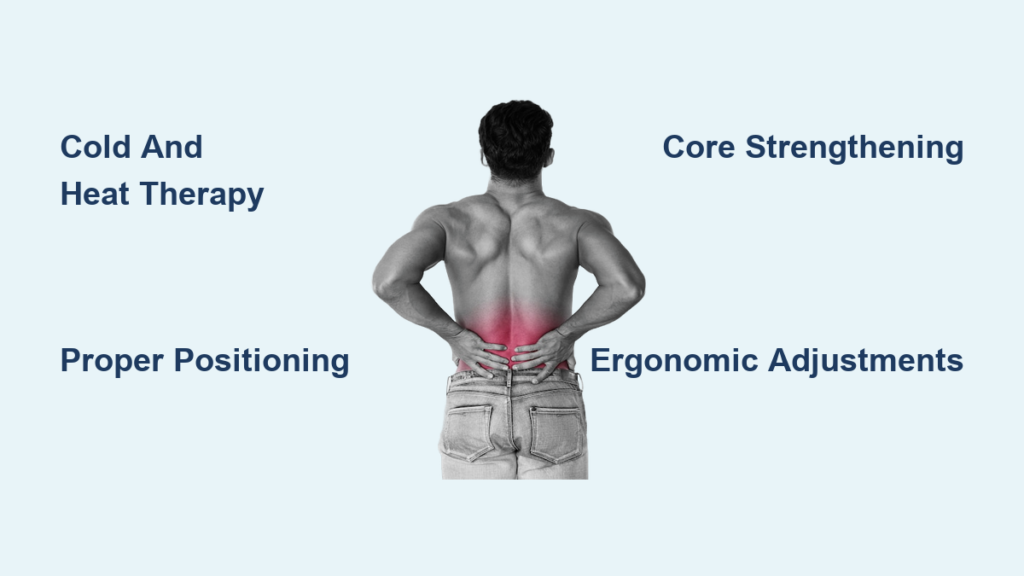
That sudden, searing pain when lifting a suitcase or the deep ache that makes rolling out of bed feel impossible – severe back pain hijacks your life in seconds. When ordinary movements become agony, you need solutions that work now, not vague advice. This guide delivers actionable, evidence-based strategies to reduce severe back pain within hours while building long-term resilience. Whether your pain stems from a weekend gardening session or months of desk work, these clinically proven methods target the root causes and provide immediate relief.
Identify Severe Back Pain Warning Signs
Severe back pain isn’t just intense discomfort – it’s a warning system signaling potential spinal danger. When pain radiates down your legs like lightning, burns intensely at night, or immobilizes you from basic tasks, you’re dealing with more than a simple strain. This level of pain indicates nerve compression, inflammation, or structural damage requiring targeted intervention.
Red Flag Symptoms Need Immediate Care
Seek emergency treatment if you experience:
– Groin numbness or loss of bladder/bowel control
– Fever combined with back pain
– Progressive leg weakness or balance issues
– Severe pain after trauma like a fall
– Unexplained weight loss alongside pain
These symptoms may signal cauda equina syndrome, spinal infection, or abdominal aortic aneurysm – conditions where every hour counts. Don’t wait for “tomorrow” when emergency care could prevent permanent damage.
When Pain Becomes Chronic
Back pain graduates to chronic severity after 12 weeks of persistent symptoms. At this stage, pain often involves complex interactions between mechanical issues (like bulging discs or arthritis), systemic conditions (such as endometriosis or fibroids), and neurological involvement. Chronic severe pain creates a vicious cycle where limited movement weakens supporting muscles, increasing spinal strain. Recognizing this transition is critical – early aggressive treatment prevents the pain from rewiring your nervous system.
Apply Emergency Pain Relief Within Hours

When severe pain strikes, these immediate interventions can reduce inflammation and discomfort before the clock hits 24 hours.
Cold and Heat Protocol
First 48 hours (acute phase):
– Apply ice packs for 20 minutes every 2-3 hours
– Use frozen peas or gel packs wrapped in thin cloth
– Target the most painful area directly
After 48 hours:
– Switch to moist heat therapy for 20 minutes
– Try warm showers, heated wraps, or microwavable pads
– Pro tip: Alternate 10 minutes ice/10 minutes heat if pain is stubborn
This temperature therapy reduces nerve sensitivity and interrupts the inflammation cycle. Never apply ice directly to skin – always use a barrier to prevent frostbite.
Position for Relief
Sleep positioning that reduces pressure:
– Side sleepers: Place firm pillow between knees
– Back sleepers: Elevate knees with pillow
– Avoid stomach sleeping – it twists your spine unnaturally
Sitting relief:
– Use lumbar roll or rolled towel at belt line
– Keep feet flat, knees at hip level
– Stand and stretch every 20 minutes
Proper alignment takes pressure off compressed nerves. Notice how pain shifts when you adjust positions – your body is giving you instant feedback on what works.
Safe Medication Use
Over-the-counter options:
– Ibuprofen (400mg): Take with food to reduce stomach risk
– Naproxen (220mg): Longer-lasting for overnight relief
– Acetaminophen (1000mg max daily): Safer for stomach issues
Critical warnings: Never combine NSAIDs. Stop if you experience stomach pain or dizziness. Consult your doctor before using these for more than 10 days – long-term use risks kidney damage and bleeding, especially if you take blood thinners.
Strengthen Core Muscles to Stop Pain Cycles
Weak core muscles force your spine to absorb shock meant for abdominal and back muscles. This imbalance creates relentless pain cycles. These targeted exercises rebuild support without aggravating existing pain.
Beginner Core Routine
Bridge progression:
– Start with 5-second holds, 10 repetitions
– Advance to 15-second holds as pain decreases
– Perform daily on firm surface
Modified planks:
– Rest on forearms and knees
– Squeeze glutes and abs to straighten body
– Hold 15 seconds, repeat 3 times
Do these exercises when pain is lowest – typically morning or after heat therapy. Stop immediately if pain radiates down legs.
Flexibility and Stretching
Knee-to-chest stretch:
– Lie on back, gently pull one knee toward chest
– Hold 20 seconds, repeat 3 times per leg
– Avoid if you have disc problems
Cat-camel mobilization:
– On hands and knees, alternate arching and rounding back
– Move slowly through pain-free range
– Repeat 10 times, twice daily
These stretches improve spinal fluid movement and reduce nerve compression. You should feel gentle tension, never sharp pain.
Posture Correction Exercises
Shoulder blade squeezes:
– Sit tall, pull shoulder blades together
– Hold 10 seconds, repeat 15 times
– Do hourly during desk work
Chin tucks:
– Gently retract chin straight back
– Hold 5 seconds, repeat 10 times
– Corrects forward head posture instantly
Poor posture adds 10-15 pounds of extra strain to your lower back. These micro-exercises reset alignment throughout your day.
Modify Daily Habits to Prevent Pain Flare-Ups
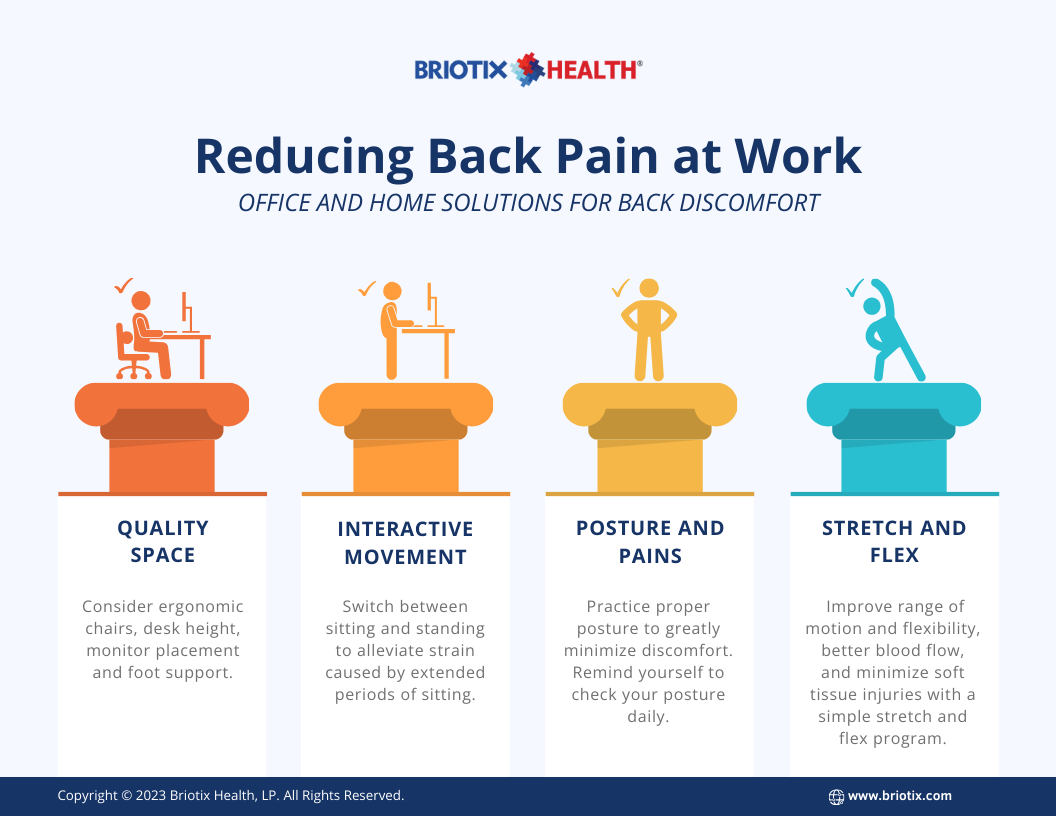
Long-term relief requires changing how you interact with your environment. These adjustments reduce spinal load by up to 40%.
Ergonomic Workspace Setup
Chair optimization:
– Adjust height so feet rest flat
– Position lumbar support at belt line
– Set armrests to elbow height
Monitor positioning:
– Top of screen at eye level
– 20-26 inches from eyes
– Centered so you don’t twist neck
Your workstation should require zero effort to maintain good posture. Notice if you’re leaning forward or slumping – these are pain triggers.
Smart Lifting Techniques
Proper form:
– Stand close to object
– Bend knees while keeping back straight
– Lift with legs, not back
– Never twist while holding weight
Test this: Lift a light object using your back versus your legs. Feel how your spine compresses differently? This small shift prevents 80% of lifting injuries.
Weight and Lifestyle Impact
Spinal load calculation:
– Each extra pound adds 4 pounds of spinal pressure
– Losing 10 pounds removes 40 pounds of pressure
– Focus on reducing belly fat first
Smoking cessation is equally critical – nicotine restricts blood flow to spinal discs, slowing healing by 50%. Even one week smoke-free improves disc nutrition.
Know When to Seek Professional Help
Immediate Care Indicators
Call 911 or go to ER:
– Numbness in groin area
– Loss of bladder/bowel control
– Severe trauma with pain
– High fever with back pain
These require imaging within hours. Time is spinal cord function.
Specialist Referrals
Who to see first:
– Physical therapy: For movement-based treatment
– Pain management: For injection therapies
– Orthopedics: For structural issues
Most severe pain cases improve within 6 weeks with physical therapy alone. Early intervention prevents chronicity.
Recovery Timeline Expectations
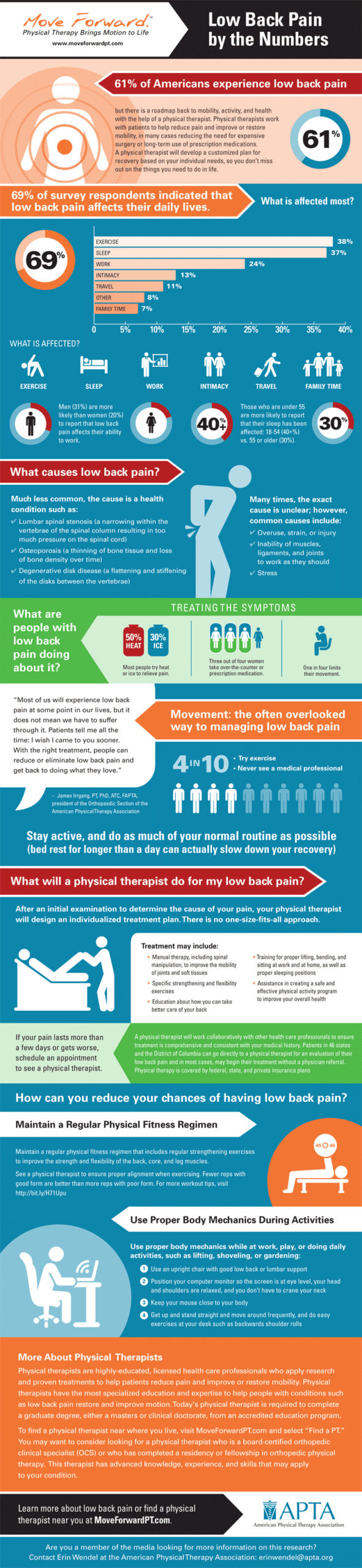
Acute Pain Recovery
Week 1: Focus on pain control and gentle movement
Week 2-3: Begin targeted exercises
Week 4: 80% of cases show significant improvement
Track progress by function, not just pain: Can you now put on socks? Walk to the mailbox? These milestones matter more than pain numbers.
Chronic Pain Management
Months 1-3: Establish baseline with comprehensive treatment
Months 3-6: Optimize therapy combination
Ongoing: Maintenance prevents relapse
Success means regaining activities you’ve avoided for months. Celebrate small wins – they compound into real recovery.
Bottom line: Severe back pain demands immediate action but responds best to layered solutions. Start with temperature therapy and positioning tonight, add core exercises tomorrow, and modify your workspace by week’s end. Most people achieve 50% pain reduction within 72 hours using these evidence-based approaches. Consistency beats intensity – ten minutes daily of the right movements outperforms sporadic marathon sessions. Your spine can heal, but it needs your commitment to the process starting right now.