
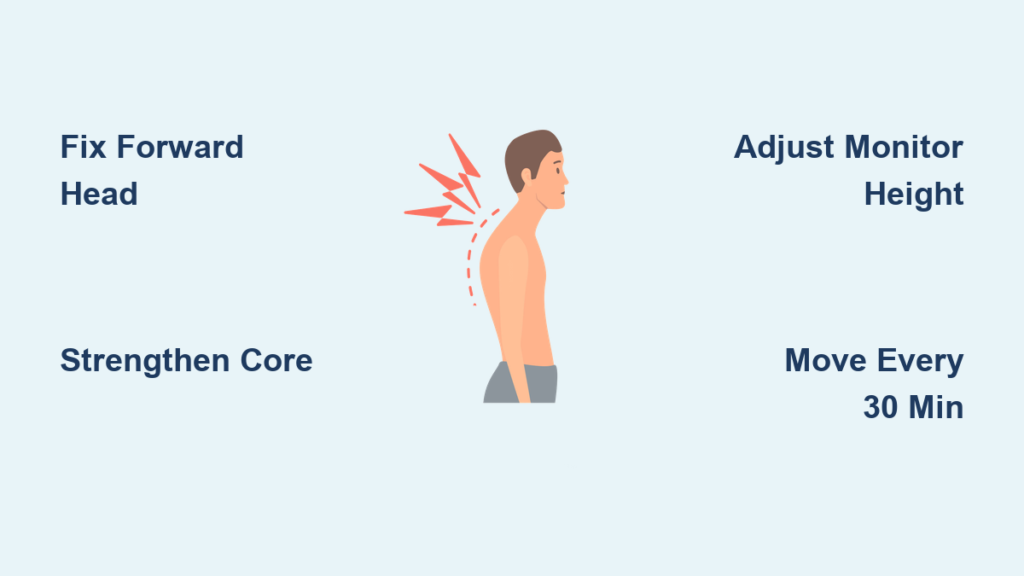
Your neck aches, your lower back throbs after another day at your desk, and you catch yourself slouching yet again. You’re not imagining things—poor posture creates real physical consequences that compound daily. The good news? You can reverse these patterns with targeted strategies that address the root causes of your discomfort. This guide shows you exactly how to fix bad posture and back pain through proven exercises, ergonomic adjustments, and daily habits that deliver lasting results.
Most people don’t realize that every inch their head moves forward adds 10 pounds of pressure to their cervical spine. Multiply this by 8-10 hours of daily screen time, and you’re asking your vertebrae to handle hundreds of extra pounds. The solution isn’t just about sitting up straight—it’s about retraining your muscles and modifying your environment for sustainable change.
Why Your Posture Causes Back Pain

Your spine relies on dozens of muscles working in perfect coordination to maintain alignment. When poor posture becomes your norm, this delicate system breaks down, creating a cascade of physical problems.
Multifidus Muscle Dysfunction Explained
Deep within your spine, multifidus muscles act like guy wires on a tent, stabilizing each vertebra. Chronic poor posture overloads these muscles until your brain literally loses connection with them. Without this crucial support, your spine becomes unstable, leading to chronic pain and reduced mobility. Research shows this dysfunction requires targeted rehabilitation—not just general exercise—to restore proper function.
Spinal Pressure from Forward Head Position
Every inch your head moves forward adds 10 pounds of pressure to your cervical spine. When you spend hours with “tech neck,” your vertebrae bear hundreds of extra pounds daily. This uneven pressure accelerates disc wear and sets the stage for serious spinal problems that manifest as neck pain, headaches, and upper back discomfort.
Identify Your Specific Posture Problems

Before fixing anything, you need to know exactly what you’re working with. Most people have multiple postural issues working together to create pain.
Quick Wall Test for Posture Assessment
Stand naturally against a wall with your feet slightly away from the baseboard. Your head, shoulders, and buttocks should touch the wall simultaneously. Check the gap between your lower back and the wall—it should accommodate just your hand. If your head doesn’t touch while your shoulders do, you have forward head posture. If your palms face backward when arms hang naturally, your shoulders are rounded.
Lower Back Curve Assessment
Place one hand behind your lower back while standing. If there’s excessive space (more than a hand’s thickness) or no space at all, your lumbar curve is compromised. Both conditions stress your lower back differently but equally cause pain. An excessive gap indicates anterior pelvic tilt, while no gap suggests a flattened lumbar curve from prolonged sitting.
Strengthening Exercises That Fix Posture Problems
Generic core exercises won’t solve posture-related back pain. You need targeted movements that reactivate the specific muscles weakened by poor alignment.
Deep Core Activation: Partial Crunches
Lie on your back with knees bent and feet flat on the floor. Cross your arms over your chest and slowly lift just your shoulders off the floor. The key is engaging your deep core muscles—not yanking with your neck. Hold for one second, lower slowly. Build to 3 sets of 15 daily. Warning: Avoid pulling on your neck or performing full sit-ups, which strain your spine.
Spinal Stability: Bird Dog
Start on hands and knees. Extend your right arm forward and left leg back simultaneously, keeping your back perfectly flat. Hold for 5 seconds, focusing on preventing any hip rotation. Switch sides. This exercise specifically reactivates those crucial multifidus muscles that support your spine. Perform 3 sets of 10 repetitions on each side.
Upper Back Strength: Reverse High Five
Stand tall with palms facing backward. Press your arms back as if giving a double high-five behind you. Hold for 5 seconds, feeling the squeeze between your shoulder blades. Do 3 sets of 12 daily to counteract the forward-shoulder position created by computer work. Pro tip: Imagine pinching a pencil between your shoulder blades for maximum effectiveness.
Daily Habit Modifications That Actually Stick
Changing your posture requires more than exercises—it demands strategic habit changes that integrate seamlessly into your routine.
Phone and Computer Positioning Protocol
Hold phones at chest level, not waist level. Position computer screens so the top third aligns with your eye level when sitting tall. This simple adjustment prevents hours of forward head positioning. Set a timer for 30-minute intervals to check your posture and reset your position. Each reset should include:
– Back against chair
– Shoulders relaxed but pulled slightly back
– Ears aligned over shoulders
– Lumbar support maintaining natural curve
Movement Micro-Breaks Every Half Hour
Your spinal discs need movement to stay healthy—they’re designed to absorb and release fluid with position changes. Stand up every 30 minutes—even if just to march in place or reach overhead. Try these quick resets:
– 10 shoulder blade squeezes
– 5 thoracic extensions over your chair
– 30 seconds of deep breathing while standing tall
– 15-second corner stretch for tight chest muscles
Workstation Ergonomic Fixes You Can Implement Today
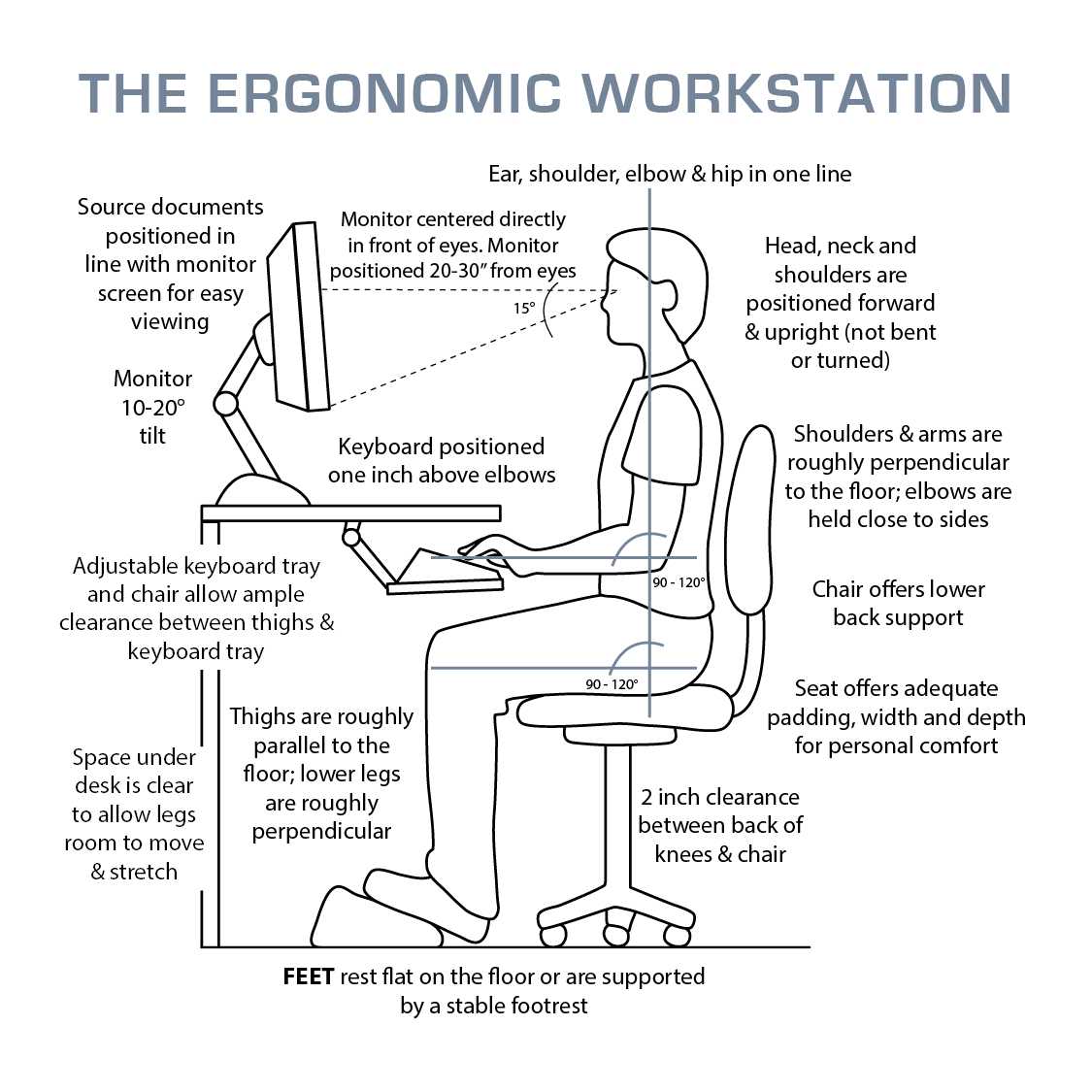
Most desk setups actively encourage poor posture. These simple adjustments create immediate relief.
Chair Selection Essentials
Choose chairs with adjustable lumbar support that fits your lower back curve. The seat should allow your feet to rest flat on the floor with knees at 90 degrees. Armrests should support your elbows without hiking your shoulders. Warning: Avoid chairs that force you to slouch to see your screen—this is a major contributor to lower back pain.
Monitor Height Adjustment
Center your monitor directly in front of you, 20-26 inches away. The top should be at or slightly below eye level. Use books or stands to achieve proper height—don’t crane your neck down. If using a laptop, invest in an external keyboard and monitor stand to create proper ergonomics.
When to Seek Professional Help
Not all posture-related back pain resolves with home remedies. Recognizing when to seek professional intervention prevents long-term damage.
Red Flags Requiring Immediate Attention
Seek medical evaluation for back pain accompanied by:
– Numbness or tingling radiating down your legs
– Weakness in your legs or feet
– Pain that worsens at night or doesn’t improve with position changes
– Loss of bowel or bladder control (seek emergency care)
Physical Therapy Benefits for Chronic Pain
Physical therapists assess your specific postural deviations and create targeted programs addressing underlying muscle imbalances. They teach proper movement patterns often resolving issues that persist despite home efforts. For chronic cases linked to multifidus dysfunction, treatments like ReActiv8 (FDA-approved nerve stimulation) may help when exercises alone aren’t enough.
Long-Term Posture Maintenance Strategy
Fixing posture and back pain isn’t temporary—it requires ongoing commitment to new habits and movement patterns.
Daily Exercise Commitment
Dedicate 10-15 minutes daily to your posture routine. Missing a day occasionally won’t hurt, but consistency drives lasting change. Focus on:
– 5 minutes of strengthening exercises
– 5 minutes of targeted stretching
– 5 minutes of posture awareness practice
Movement Integration Principle
Remember: no position is perfect for hours. The best posture is your next position. Keep moving throughout the day—your spine will thank you. Set reminders to change positions every 20-30 minutes, even if just shifting weight from one foot to another while standing.
Fixing bad posture and back pain requires addressing both the physical imbalances and the environmental factors contributing to your discomfort. Start with one exercise and one habit change this week—perhaps the reverse high five exercise and raising your phone to eye level. Add another change next week. Within a month, you’ll notice reduced pain and increased energy. Within three months, these new patterns will become automatic, freeing you from the constant cycle of discomfort. Your future self—standing tall and pain-free—will thank you for starting today.