
That nagging ache between your right shoulder blade and spine refuses to fade. You’ve stretched, taken painkillers, and adjusted your sleep position, but this specific upper right back pain keeps flaring up—especially after hunching over your laptop or finishing your tennis match. You’re not imagining it: millions battle this exact discomfort, yet most waste months treating symptoms instead of the true cause. Whether it’s muscle strain from slouching at your desk or a hidden organ issue, this guide cuts through the confusion. You’ll discover how to pinpoint your pain’s origin in minutes and implement targeted relief strategies that actually work.
Most sufferers ignore critical clues about their pain type, wasting time on ineffective ice packs or stretches that worsen their condition. Today, you’ll learn to decode your body’s signals—from sharp stabs to dull aches—and match them to precise solutions. Stop guessing. Start healing.
Pinpoint Your Exact Pain Trigger
Sharp vs. Dull Pain Decoded
Sharp, stabbing upper right back pain that intensifies when breathing deeply or twisting signals acute muscle tears, rib joint dysfunction, or spinal misalignment. This occurs when sudden movements strain the rhomboids or trapezius muscles. Critical action: Cease aggravating activities immediately and apply ice for 20 minutes to reduce inflammation. Avoid heat—it increases swelling in fresh injuries.
Dull, constant aching suggests chronic posture strain or degenerative disc disease. This pain often eases with movement but flares during prolonged sitting. If your discomfort improves after warm showers or gentle stretching, your muscles are crying out for tension relief. Key insight: Forward head posture adds 10 pounds of pressure per inch your head drifts forward—common with low monitor placement.
Burning or Tingling Emergency Signs
Burning sensations or electric-like pain traveling toward your arm demand urgent evaluation. These indicate possible cervical nerve compression, shingles, or lung issues like pleurisy. Red alert: Combine this with fever, chest pain, or breathing trouble? Call your doctor now. Organ-related pain won’t improve with massage or stretching—it persists regardless of position.
Fix Posture-Driven Muscle Strain
Desk Habits Crushing Your Right Shoulder
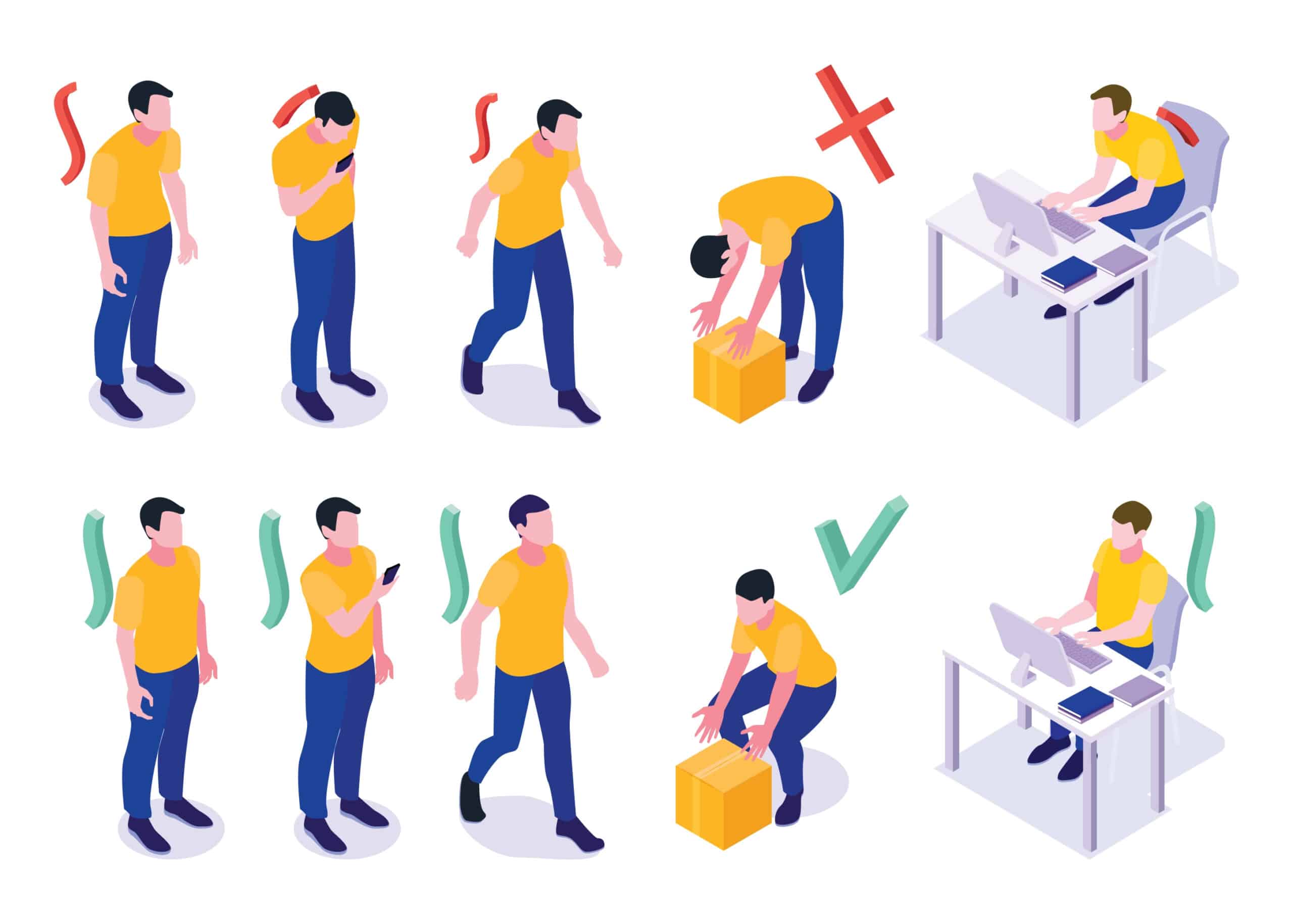
Your workstation is likely the silent culprit. Staring at a screen below eye level forces your head forward, overloading right-side muscles. Carrying a heavy bag on your right shoulder or cradling your phone between ear and shoulder creates uneven strain. Quick fix: Place your monitor at eye level and arm’s length away. Set phone reminders every 30 minutes to reset your posture—shoulder blades down and back, chin tucked.
Daily strain amplifiers:
– Mouse positioned too far right
– Chair without lumbar support
– Sleeping on stomach with neck twisted
– Unilateral sports like golf or tennis
Repetitive Motion Damage Control
Asymmetric activities like golf swings overload your right rhomboids as they compensate for weaker left-side muscles. Prevention protocol: After playing, perform bilateral stretches—never skip your left side. Swap one-handed exercises for two-handed versions (e.g., use both arms for dumbbell rows).
Solve Spinal Misalignment Fast
Self-Check for Thoracic Subluxation
Press along your spine near the right shoulder blade. If specific vertebrae (T1-T8) trigger sharp pain that worsens when arching backward, you likely have misaligned joints. Immediate relief: Lie on a foam roller positioned horizontally under your upper back. Gently extend backward for 10 repetitions to mobilize stiff segments. Avoid aggressive twisting.
Degenerative Disc Warning Signs
If you’re over 40 with physically demanding work history, disc degeneration may cause morning stiffness lasting 30+ minutes. Pain increases with twisting motions but eases when lying flat. Key differentiator: Unlike muscle strain, this pain won’t improve significantly with stretching alone—requires professional spinal mobilization.
Spot Organ-Related Pain Patterns

Gallbladder Pain’s Distinct Pattern
Sharp pain under your right ribs shooting to your right shoulder blade after fatty meals signals gallbladder trouble. Critical distinction: This pain ignores movement or position changes and often brings nausea or bloating. You won’t relieve it with foam rolling—seek medical evaluation immediately.
Lung Infection Pain Clues
Right lung issues like pneumonia create breathing-related pain that worsens with coughing but doesn’t respond to massage. Emergency combo: Fever plus back pain equals ER visit. Don’t mistake this for muscle strain—delayed treatment risks complications.
Immediate Relief Protocols
Ice-Heat Switch Timing Guide
For new injuries (first 72 hours), ice reduces inflammation: 20 minutes on, 40 off, 3x daily. Switch to moist heat for chronic tension—Epsom salt baths work best. Pro mistake: Never sleep with heating pads. Risk of severe burns is highest when pain distracts you from temperature awareness.
Optimal Sleep Positioning
Lie on your back with knees bent and a pillow under them. Place a rolled towel under your painful spot for gentle traction. Avoid stomach sleeping—it forces neck rotation that strains right-side muscles all night. Side sleepers: place a pillow between knees to align hips.
Targeted Stretching That Works
Doorway Chest Stretch
Stand in a doorway with right arm bent 90° against the frame. Step forward until you feel a stretch across your chest and front shoulder. Hold 30 seconds, repeat 3x. Crucial: Keep your shoulder down—don’t let it hike toward your ear. Do this hourly during desk work.
Foam Roller Thoracic Release
Lie on the roller under your upper back, hands supporting your head. Gently arch backward over tender spots for 10-15 reps. Focus area: Pain between shoulder blades. Pause 10 seconds on knots—this releases myofascial tension faster than stretching alone.
Strengthen Weak Stabilizers
Prone Y-T-W Exercise
Lie face down, lift arms into Y, T, then W shapes, holding 5 seconds each. Start with no weight: Do 2 sets of 10 daily. Progress to 1-pound dumbbells when pain-free. This rebuilds scapular stabilizers weakened by forward posture.
Wall Angels for Posture Retraining
Stand against a wall, arms in goalpost position. Slide arms up and down like snow angels while maintaining contact. Fix this mistake: Arching your lower back? Engage your core first. Do 3 sets of 12 daily to rewire faulty movement patterns.
Ergonomic Workstation Overhaul

Monitor Height Fix
Position screen top at eye level—use books or a stand. Test: Close your eyes, open them—your gaze should land on your browser’s address bar. Too low? Your neck flexes 20-45°, straining right trapezius muscles within minutes.
Chair and Desk Adjustments
Choose a chair with lumbar support that fills your lower back curve. Keyboard height should allow 90° elbow bends. Pro tip: Place a footrest under your feet if they don’t rest flat—this prevents pelvic tilt that strains thoracic muscles.
When to Seek Medical Help
Emergency Red Flags
Seek immediate care for:
– Chest pain radiating to your back
– Arm weakness or numbness
– Fever with unrelenting pain
– Pain after trauma (e.g., fall)
– Unexplained weight loss
Doctor Visit Timeline
Schedule with your physician if pain persists beyond 2 weeks despite home care, disrupts sleep, or worsens progressively. Earlier if you have cancer history or organ disease risk factors. Most cases resolve with physical therapy—but misdiagnosis leads to chronic pain.
Long-Term Prevention System
Daily Movement Non-Negotiables
Break sitting every 30 minutes: Stand, stretch arms overhead, and squeeze shoulder blades for 10 seconds. Effective combo: 5 doorway stretches + 10 scapular retractions hourly. This prevents the micro-tears causing recurring upper right back pain.
Progressive Strength Building
Start with 10 minutes daily of foam rolling and stretching. After 2 pain-free weeks, add resistance: 3 sets of 15 band rows. Focus areas: Scapular stabilizers (Y-T-W) and core muscles (bird-dog). Consistency beats intensity—build to 30 minutes, 3x weekly.
Stress-Pain Cycle Breaker
Tension headaches and back pain fuel each other. 5-minute reset: Inhale 4 seconds, exhale 6 seconds, repeat 10x. This activates your parasympathetic system, reducing muscle guarding. Pair with weekly massage to disrupt chronic tension patterns.
Your Next Steps: Start tonight with the foam roller thoracic extension and doorway stretch—do both before bed. Track pain on a 0-10 scale each morning. If no improvement in 7 days, see a physical therapist specializing in spinal rehab. Most resolve within 4-6 weeks when treating the true cause, not just symptoms. Ignoring persistent upper right back pain risks permanent postural damage—act now while your body can still reset.