
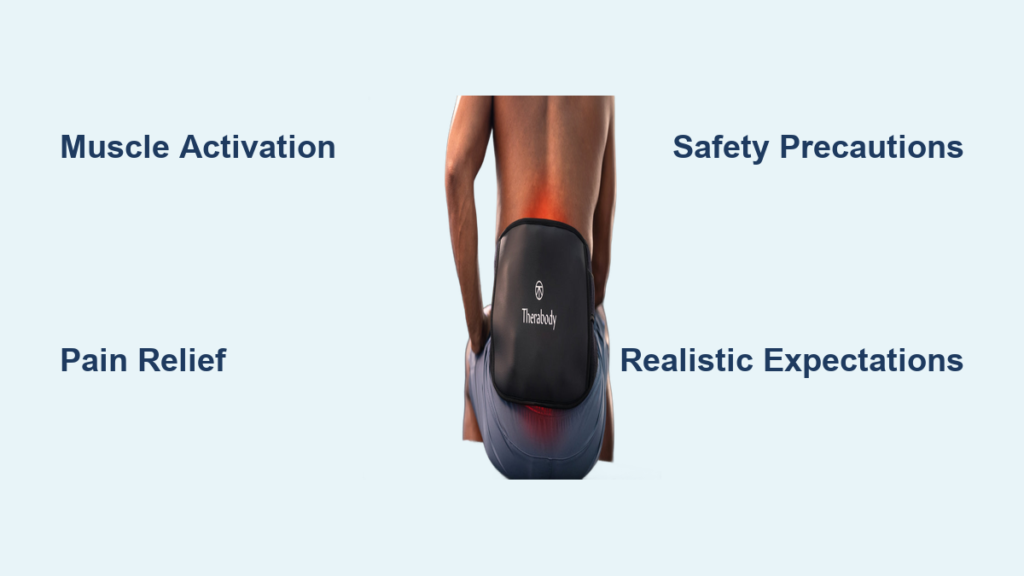
If you’re among the millions struggling with persistent back pain, you’ve likely encountered vibration therapy as a potential solution. Standing on a vibrating platform seems almost too simple to work, yet some pain sufferers swear by it. The reality presents a fascinating medical contradiction: while occupational vibration exposure is well-documented as a cause of back pain, controlled therapeutic vibration has emerged as a potential treatment. This guide cuts through the marketing hype to reveal what scientific evidence actually tells us about vibration therapy for back pain relief.
You deserve to know whether this approach could genuinely help your specific condition or if it’s merely an expensive gimmick. The truth is more complex than either advocates or skeptics suggest, with limited research offering mixed results. Before investing time and money, understand exactly what vibration therapy for back pain can and cannot do based on the current scientific evidence.
How Vibration Therapy Works to Target Back Pain
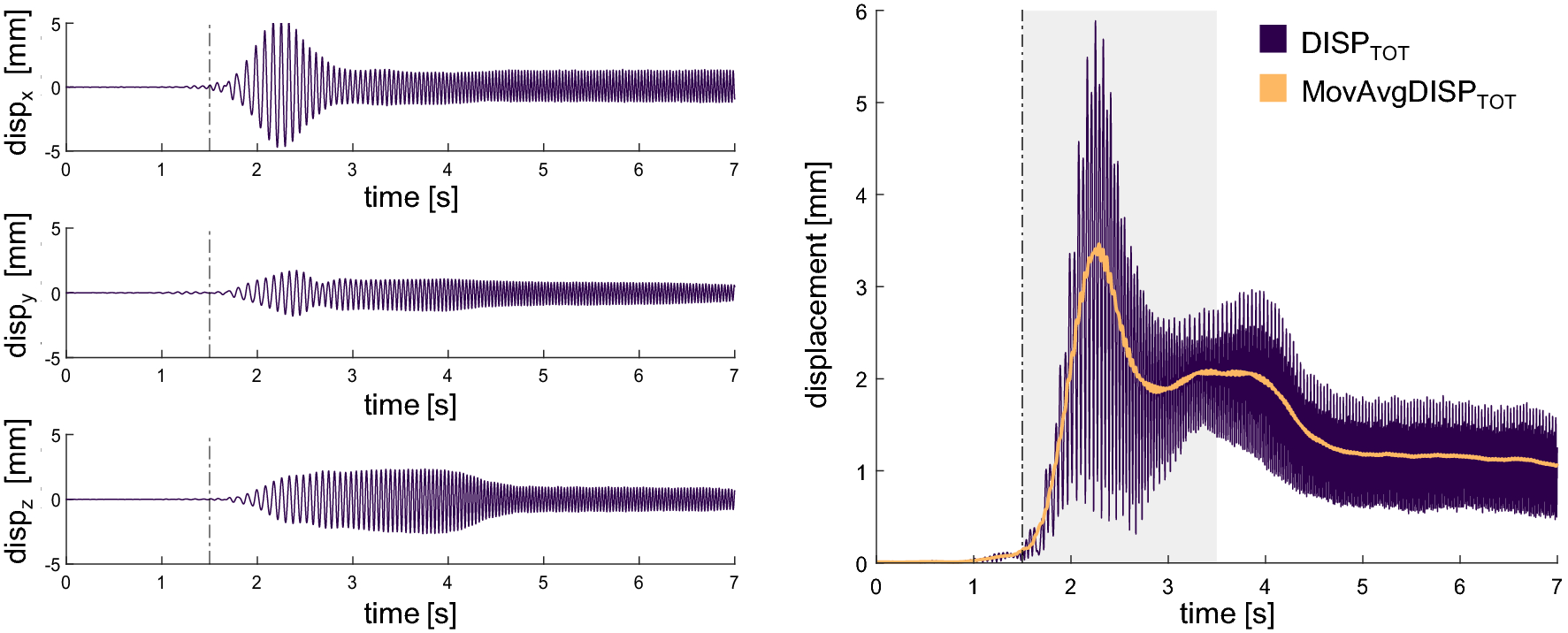
Vibration therapy involves standing or exercising on a platform that delivers controlled vibrations at specific frequencies. Unlike the harmful vibrations experienced by truck drivers or heavy machinery operators, therapeutic vibration uses precise parameters designed to potentially stimulate beneficial physiological responses in your back muscles.
Muscle Activation: Strengthening Your Natural Back Support System
When you stand on a vibration platform, your body automatically responds to the instability by triggering stretch reflexes in your core muscles. This involuntary muscle contraction specifically targets your abdominal and back extensor muscles—the very stabilizers often weakened in chronic back pain sufferers. The theory suggests that regular exposure to therapeutic vibration could gradually strengthen these crucial support muscles, reducing strain on your spine.
Muscle Relaxation: Easing Painful Spasms Through Controlled Vibration
For back pain caused by muscle tension or spasms, lower-frequency vibration (under 20 Hz) may provide relief through rhythmic stimulation. As the platform vibrates, your paravertebral muscles receive gentle, repetitive input that could interrupt the pain-spasm cycle. Many users report immediate relaxation of tight back muscles following a session, though the long-term therapeutic value remains less certain.
What 3 Clinical Trials Reveal About Vibration Therapy Effectiveness
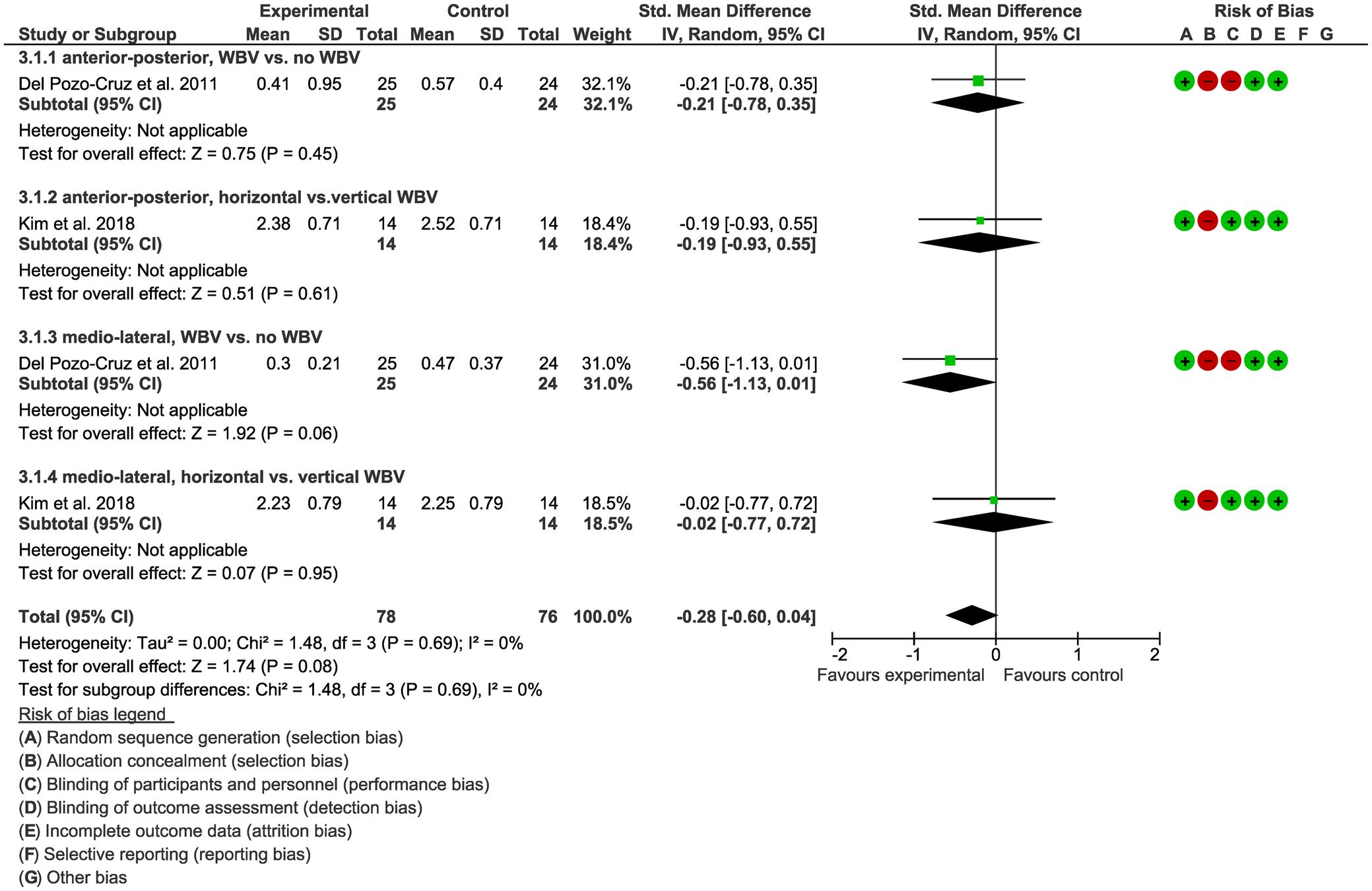
The entire scientific evidence base for vibration therapy as a treatment for back pain consists of just three randomized controlled trials conducted between 2002-2005. Understanding these studies helps separate realistic expectations from marketing claims.
Study 1: Healthy Young Adults Show No Benefit
Researchers tested a single 5-minute vibration session at 18 Hz on 25 healthy volunteers aged 19-21. Despite theoretical benefits for muscle activation, participants showed no significant improvement in lumbopelvic control compared to the control group. This suggests vibration therapy may not provide immediate benefits for those without existing back issues.
Study 2: Moderate Pain Relief for Osteoporotic Women
In a 12-month trial with 50 osteoporotic women aged 55-88, weekly vibration sessions at 20 Hz produced moderate pain reduction with a clinically relevant effect size of 0.45. However, researchers noted no improvement in bone density, indicating vibration therapy’s potential benefit appears limited to pain symptoms rather than underlying structural issues in this specific population.
Study 3: No Significant Improvement for Chronic Back Pain Patients
The most relevant study for typical back pain sufferers involved 60 patients aged 40-60 with chronic back pain undergoing a 12-week vibration therapy program. Shockingly, the control group actually showed better strength gains, and researchers found no significant pain improvement in the vibration therapy group. This critical study suggests vibration therapy may not deliver meaningful benefits for general chronic back pain populations.
Critical Research Gaps You Must Understand
The vibration therapy evidence suffers from severe limitations that directly impact whether you should consider it for your back pain.
Why Current Evidence Can’t Guide Your Treatment
You face significant uncertainty because:
– Only three small studies exist with just 135 total participants across all research
– Protocols vary wildly in frequency (18-20 Hz), duration (4-7 minutes), and treatment schedules
– Methodological quality is poor, with study quality scores ranging from 3-6 out of 10
– No long-term safety data exists beyond 12 months of regular use
Unanswered Questions Affecting Your Results
Before trying vibration therapy for back pain, recognize that science hasn’t determined:
– Which specific back pain conditions might respond best
– The optimal frequency and amplitude combinations for pain relief
– How therapeutic vibration differs from harmful occupational vibration
– Whether benefits outweigh potential risks for your individual case
Who Should Avoid Vibration Therapy for Back Pain
Absolute Contraindications That Could Harm You
Stop immediately and consult your physician if you have:
– Pregnancy at any stage
– Cardiovascular conditions including hypertension or heart disease
– Recent spinal surgery or known spinal pathology
– Epilepsy or diabetes requiring medical management
– Acute back pain episodes or recent injuries
Warning Signs During Therapy Sessions
Discontinue use immediately if you experience:
– Increased pain during or after sessions
– Numbness or tingling in your legs
– Dizziness or balance issues
– Headaches or vision changes
Safe Implementation Protocol: Your Step-by-Step Guide
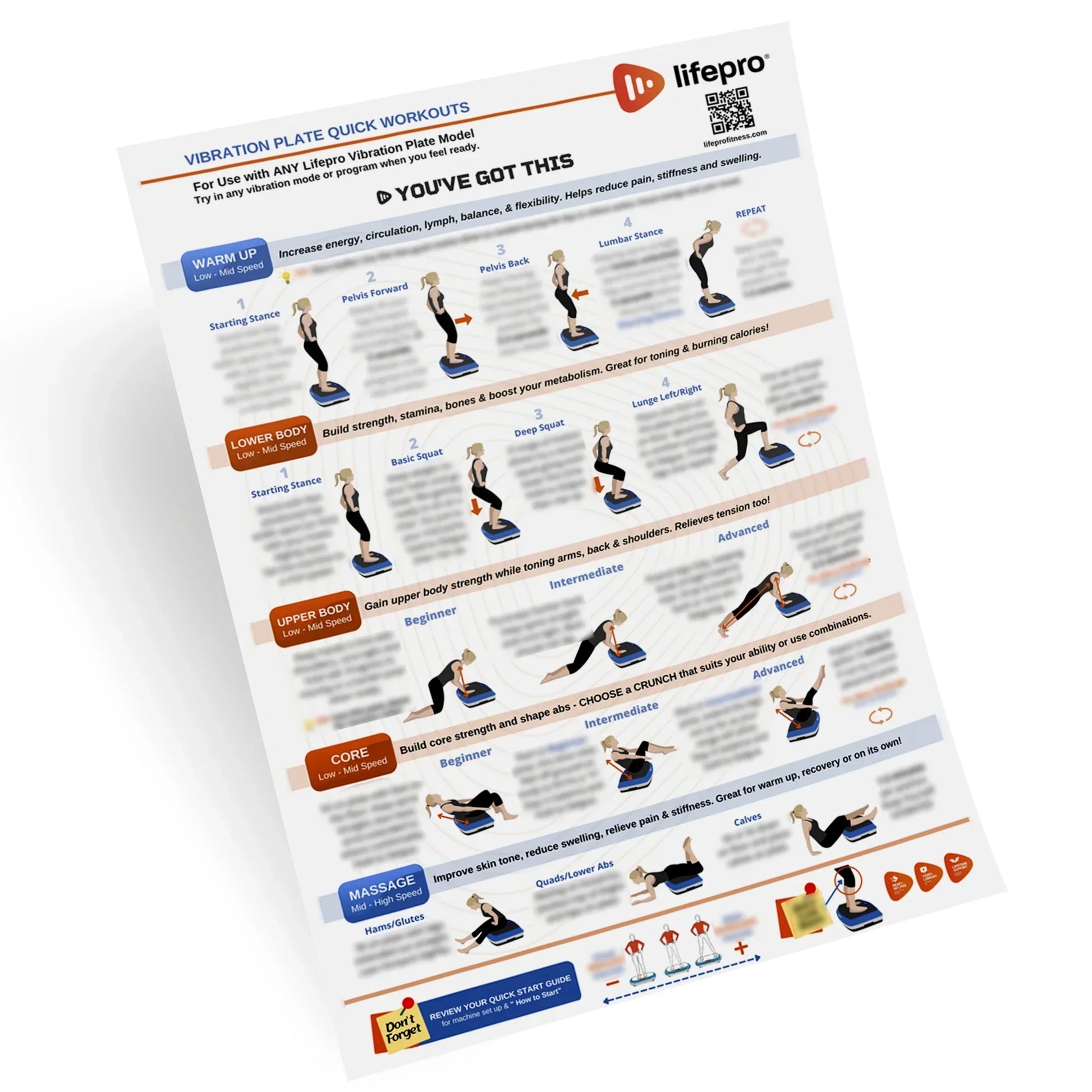
Starting Vibration Therapy Safely
Follow this progression to minimize risks while testing if vibration therapy helps your back pain:
- Get medical clearance—especially crucial if you have chronic health conditions
- Establish baseline measurements of your current pain levels and functional limitations
- Begin conservatively with lower frequencies (15-18 Hz) and shorter durations (2-3 minutes)
- Monitor your response carefully for 24-48 hours after each session
Recommended Progression Schedule
Weeks 1-2: 2-3 minutes at 15-18 Hz, twice weekly
Weeks 3-4: 4-5 minutes at 18-20 Hz, twice weekly
Week 5+: 5-7 minutes at 18-20 Hz, 1-2 times weekly
Pro Tip: Always maintain a semi-squat position with knees bent 30-45 degrees, feet shoulder-width apart, and hands lightly touching safety rails. Never lock your knees during sessions.
Choosing the Right Vibration Platform for Back Pain Treatment
Essential Features to Look For
When evaluating equipment, prioritize platforms with:
– Precise digital frequency display (18-20 Hz capability)
– Adjustable amplitude control (0.5-10 mm range)
– Sturdy safety railings for stability
– Non-slip textured surface to prevent falls
Red Flags in Vibration Therapy Equipment
Avoid devices that:
– Lack specific frequency and amplitude specifications
– Transfer excessive vibration to your upper body
– Provide no safety documentation or research references
– Make unrealistic therapeutic claims beyond limited evidence
Realistic Expectations: What Vibration Therapy Can (and Can’t) Do
Potential Benefits Based on Limited Evidence
You might experience:
– Temporary muscle relaxation immediately after sessions
– Mild pain reduction in some cases (particularly for osteoporotic populations)
– Improved awareness of muscle activation patterns
Likely Outcomes to Prepare For
Manage your expectations by understanding that:
– Results vary significantly between individuals
– Any benefits typically take 4-6 weeks to appear
– Effects often plateau after initial improvement
– Most users won’t experience dramatic pain elimination
Integrating Vibration Therapy with Proven Back Pain Treatments
Complementary Approach for Best Results
Vibration therapy works best as part of a comprehensive program that includes:
– Targeted strengthening exercises under physical therapy guidance
– Gentle stretching routines performed after vibration sessions
– Ergonomic adjustments to address workplace or lifestyle factors
– Heat or cold therapy for acute symptom management
When to Stop Vibration Therapy
Discontinue use if:
– You see no improvement after 6-8 weeks of consistent use
– Your pain increases or spreads to new areas
– You develop new symptoms during treatment
– The cost or time commitment outweighs minimal benefits
Making Your Decision: Is Vibration Therapy Right for You?
Critical Questions Before Investing
Ask yourself:
– Have you exhausted proven treatments like physical therapy and exercise?
– Are you prepared for vibration therapy’s experimental status?
– Can you access appropriate medical supervision during treatment?
– Do you understand the limited scientific foundation supporting this approach?
Practical Next Steps for Informed Action
- Consult your physician to discuss risks and benefits specific to your condition
- Find qualified providers with medical oversight and proper training
- Commit to a 4-6 week trial with careful symptom tracking
- Evaluate results objectively using pain diaries and functional assessments
- Adjust or discontinue based on your individual response and tolerance
Bottom Line: Vibration therapy for back pain remains an experimental intervention with extremely limited supporting evidence. While some individuals—particularly osteoporotic women—may experience modest benefits, the scientific foundation is weak and contradictory for general back pain populations. Approach with extreme caution, maintain realistic expectations, and prioritize treatments with stronger evidence. Consider vibration therapy only under medical supervision as part of a comprehensive back pain management program, and discontinue immediately if you experience adverse effects or see no improvement after 6-8 weeks. Your back pain deserves evidence-based solutions, not unproven promises.