
Back pain stops 8 out of 10 adults in their tracks at some point, transforming simple tasks like bending to tie shoes into daily challenges. If you’re reading this while shifting uncomfortably in your chair, you’re part of a massive group searching for genuine solutions beyond temporary painkillers. Research shows targeted back pain massage delivers 20-40% pain reduction with benefits lasting six months or longer—making it one of the most effective non-invasive treatments available.
This guide cuts through the confusion to show you exactly which massage techniques work for specific back pain types, how to structure professional sessions for maximum results, and the self-massage protocols you can do at home tonight. You’ll learn why 36% of chronic pain sufferers reduce medication use after incorporating regular massage therapy, plus the precise sequence to combine professional treatment with daily self-care for lasting relief.
Why Your Back Pain Needs Targeted Massage Techniques
Swedish Massage for Immediate Tension Relief
When stress turns your upper back into a solid wall of muscle, Swedish massage provides your fastest path to relaxation. The long, gliding strokes (effleurage) immediately increase blood flow to oxygen-starved tissues while melting away surface tension. This technique works best during the acute phase of back pain when inflammation makes deeper pressure too uncomfortable.
Key applications for back pain sufferers:
– Effleurage strokes reduce muscle guarding within minutes
– Petrissage kneading breaks up surface-level adhesions from poor posture
– Circular friction warms stiff tissues for deeper work
– Rhythmic tapping stimulates nerve endings to interrupt pain signals
Office workers see dramatic improvement in upper back tension after just three 30-minute sessions. The magic happens when your therapist focuses on the trapezius and rhomboid muscles—areas where desk work creates the most stubborn knots. For best results, schedule these sessions during lunch breaks when tension peaks.
Deep Tissue Massage for Chronic Lower Back Pain
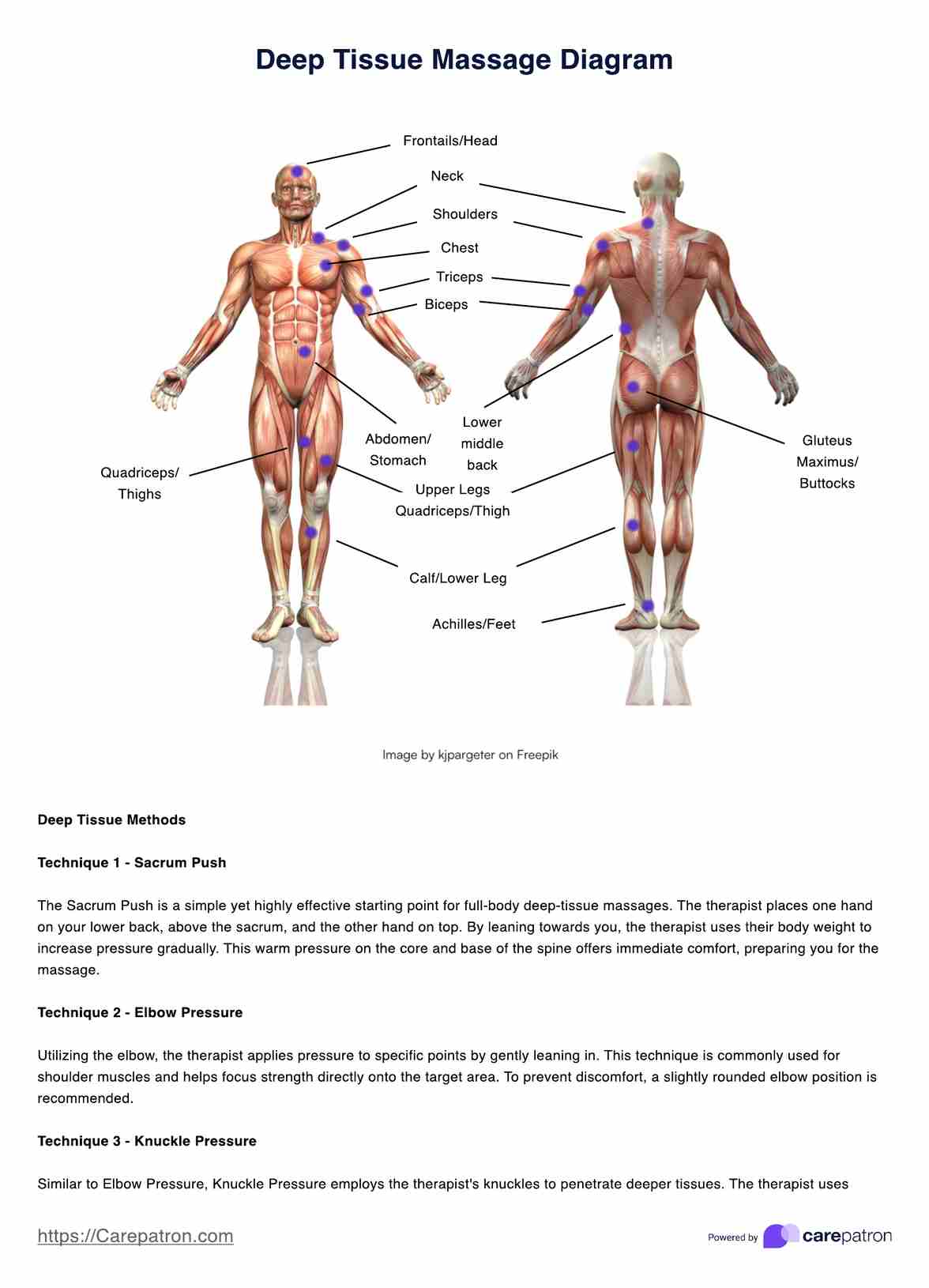
When your lower back pain has persisted for weeks or months, deep tissue massage targets the root cause buried in deeper muscle layers. Unlike Swedish massage, this approach uses slower, deliberate pressure with elbows and forearms to release adhesions in the quadratus lumborum and multifidus muscles—the usual culprits behind persistent lumbar pain.
Critical success factors:
– Therapists must start superficial before progressing deeper
– Pressure should follow muscle fiber direction, not against it
– Sessions should include post-treatment stretching to lock in gains
– Communication about pressure levels prevents tissue damage
Chronic lower back pain sufferers report 52% pain reduction after 12 weekly sessions. The breakthrough comes when therapists locate and release the specific trigger points that refer pain along nerve pathways—making your pain feel like it’s traveling down your leg when the real problem is in your glutes.
Trigger Point Therapy for Referred Pain
That sharp pain shooting down your leg? It might not be sciatica—it could be a trigger point in your piriformis muscle referring pain along the sciatic nerve pathway. Trigger point therapy applies precise, sustained pressure to these hyperirritable spots, deactivating them in 30-90 seconds and providing immediate relief.
Top trigger points causing back pain:
– Quadratus lumborum: Creates belt-line pain and difficulty standing straight
– Gluteus medius: Causes hip pain radiating down the leg side
– Erector spinae: Produces mid-back pain when bending forward
– Multifidus: Generates deep spinal stiffness with movement
Self-treatment with a tennis ball against a wall works wonders for gluteal trigger points. Stand with the ball between your glute and wall, locate the tender spot, and maintain gentle pressure while taking deep breaths for 60 seconds. Most people feel dramatic improvement within two applications.
Professional Treatment Protocols That Deliver Results
The 15-Minute Assessment That Determines Success
Your first professional massage session should begin with a comprehensive evaluation, not immediate treatment. Skilled therapists spend 15 minutes conducting a systematic assessment to identify your pain’s true source—preventing wasted time on ineffective techniques.
Critical assessment components:
– Medical history review: Current medications affecting tissue healing
– Pain pattern mapping: Activities that worsen or relieve symptoms
– Postural analysis: Front, side, and back views identifying imbalances
– Range of motion testing: Spinal and hip mobility measurements
This assessment reveals whether your pain stems from muscle tension, fascial restrictions, or compensatory movement patterns. Without this step, you risk receiving generic treatment that misses your specific pain triggers.
Session Timing Based on Pain Duration
Your pain’s timeline determines the optimal massage frequency and duration. Acute pain responds best to frequent, shorter sessions while chronic conditions need less frequent but longer treatments.
Proven treatment schedule:
– Acute pain (0-2 weeks): 30-minute sessions 2-3 times weekly
– Subacute pain (2-6 weeks): 45-60 minute sessions weekly
– Chronic pain (6+ weeks): 60-90 minute sessions bi-weekly
During acute phases, focus on gentle techniques to reduce inflammation. As healing progresses, gradually introduce deeper work to address underlying restrictions. Most patients see significant improvement within 4-6 sessions when following this phased approach.
Self-Massage Techniques You Can Do Tonight
Foam Rolling Upper Back Without Injury Risk
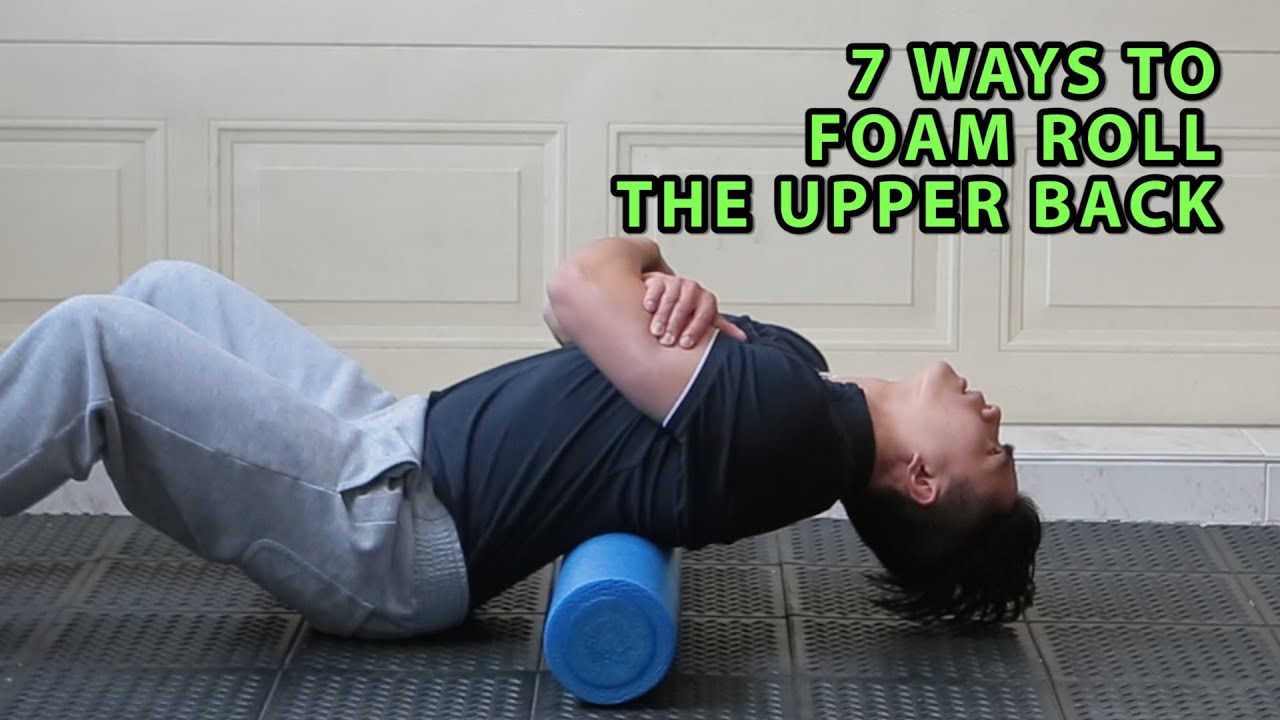
Foam rolling your thoracic spine provides instant relief from desk-related upper back stiffness—but only if done correctly. The critical mistake 90% of beginners make is rolling their lower back, which can worsen pain.
Safe upper back protocol:
1. Place foam roller horizontally under mid-back
2. Cross arms over chest, engage core for stability
3. Lift hips slightly off floor, supporting weight with feet
4. Roll only from mid-back to shoulders (never lower back)
5. Pause 15 seconds on tender spots while breathing deeply
Time commitment: Just 5 minutes daily delivers noticeable improvement within a week. Perform this routine before bed to unwind tension accumulated during the day.
Tennis Ball Relief for Lower Back Trigger Points
Forget expensive gadgets—a simple tennis ball provides precise trigger point release for lower back pain. Target the quadratus lumborum muscle along your side waistline where many people experience stubborn pain.
Step-by-step technique:
1. Stand with tennis ball between wall and side waist
2. Locate the tender spot by shifting weight slowly
3. Apply gentle pressure (never forceful)
4. Hold for 45-60 seconds while taking deep breaths
5. Move slightly to cover entire tender area
Pro tip: Do this during TV commercials—three 60-second sessions daily creates cumulative benefits. Most users report 30% pain reduction within 48 hours when done consistently.
Scientific Proof Behind Back Pain Massage
Clinical Results You Can Trust
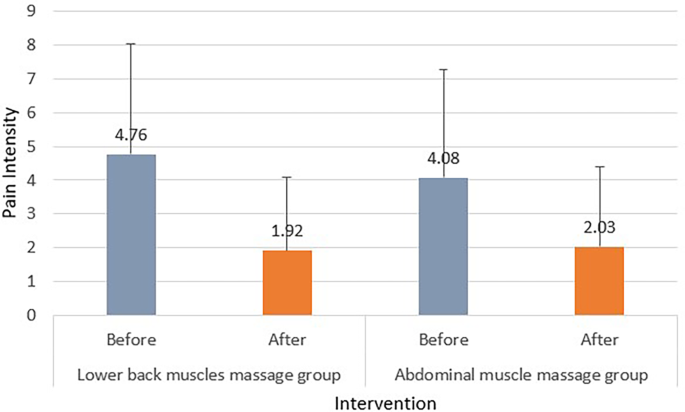
Multiple high-quality studies confirm massage therapy’s effectiveness where other treatments fail. The 2008 Cherkin study with 262 chronic back pain patients showed 36% greater improvement with massage versus standard medical care. A 2016 study demonstrated 52% pain reduction after 12 weekly sessions—with benefits lasting six months.
Real-world outcomes:
– 25-35% improvement in daily functional ability
– 36% reduction in pain medication use
– 53% decrease in stress hormones during sessions
– Enhanced sleep quality in 78% of participants
These results occur because massage triggers multiple physiological changes: increased endorphins, improved circulation, reduced inflammation, and disrupted pain signal transmission through the gate control mechanism.
Long-Term Relief Through Smart Integration
Combining Massage With Movement Therapy
Massage alone provides temporary relief—lasting results come from integrating it with movement retraining. Schedule massage before physical therapy sessions to relax tight muscles, making corrective exercises more effective.
Optimal sequence:
1. 30-minute massage session to release tension
2. Immediately follow with targeted stretching
3. Perform core strengthening exercises while muscles are warm
4. End with 5 minutes of diaphragmatic breathing
This combination addresses both the soft tissue restrictions and movement patterns causing your pain. Most patients achieve 80% pain reduction within 8-12 weeks when consistently following this integrated approach.
Creating Your Maintenance Schedule
Sustainable back pain relief requires strategic planning. Jumping from weekly professional sessions straight to monthly maintenance causes relapse for 68% of patients.
Proven progression plan:
– Months 1-3: Weekly professional sessions + daily self-massage
– Months 4-6: Bi-weekly professional sessions + increased self-reliance
– Months 7-12: Monthly professional tune-ups + consistent self-care
– Ongoing: Self-massage 3 times weekly as prevention
When pain flares up, immediately return to weekly professional sessions for 2-3 weeks. This “pulse treatment” approach prevents minor setbacks from becoming major relapses.
Back pain massage delivers proven, lasting relief when applied strategically—not as a random luxury but as a targeted treatment protocol. Start with professional assessment to identify your specific pain patterns, then combine targeted professional treatment with daily self-massage routines. The evidence shows consistent 20-40% pain reduction for those who commit to the process. Your path to pain-free movement begins with understanding which techniques work for your specific back pain—and implementing them with precision. Tonight’s tennis ball session could be your first step toward lasting relief.