

Back pain affects millions of people worldwide, often driving them to seek alternative relief methods beyond traditional treatments. Water therapy has long been recognized as beneficial for various physical conditions, leading many to wonder about floating in pools specifically for back pain relief. While the concept of weightlessness in water seems intuitively helpful for spinal issues, creating specific recommendations without verified medical evidence would be irresponsible. This article addresses what we know—and more importantly, what requires professional guidance—when considering pool floating for back pain management.
The Scientific Basis for Water Therapy in Pain Management
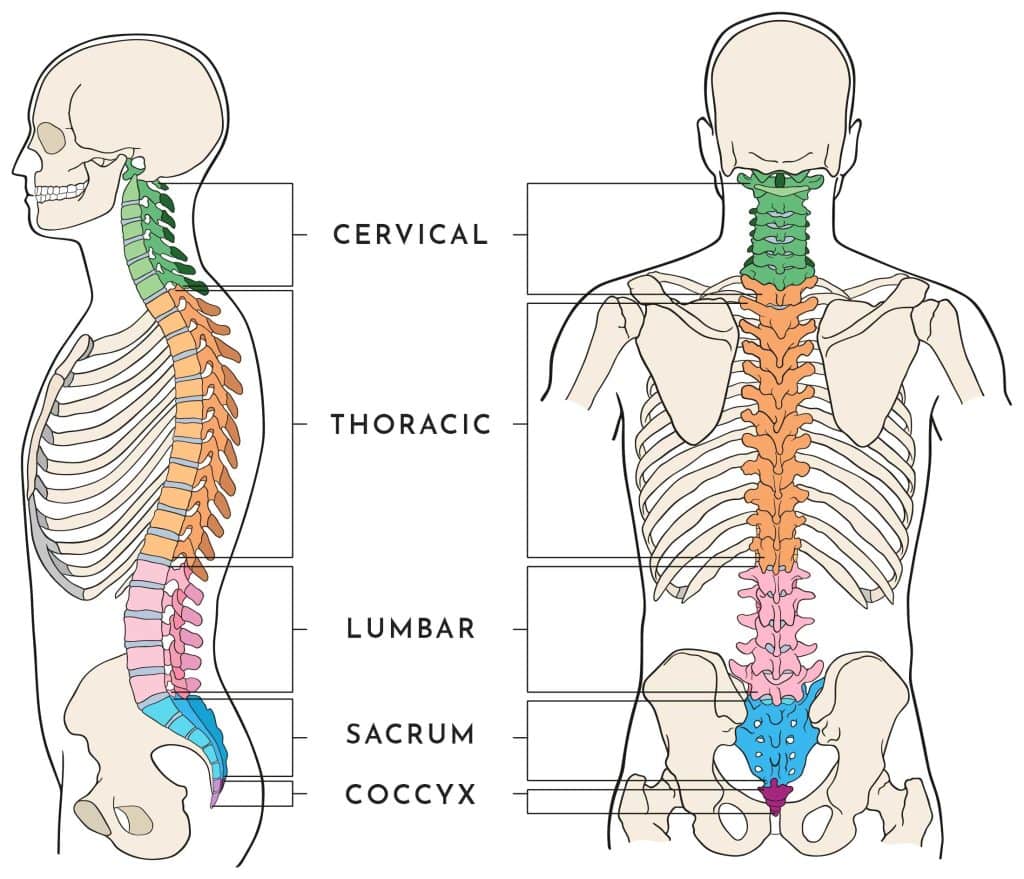
Water therapy has documented benefits for certain types of pain and mobility issues, though specific applications for back pain floating require professional oversight. Hydrotherapy principles suggest that water’s buoyancy reduces gravitational forces on the body, potentially decreasing stress on spinal structures. However, the precise mechanisms, effectiveness, and safety protocols for back pain sufferers cannot be accurately detailed without clinical evidence.
Physical therapists often incorporate aquatic therapy into treatment plans, but these programs are carefully designed based on individual assessments. The water’s resistance provides gentle support while allowing movement, which can be beneficial for rehabilitation. Without professional guidance, attempting specific floating positions could potentially worsen existing spinal conditions rather than provide relief.
Why Generic Floating Advice Can Be Harmful
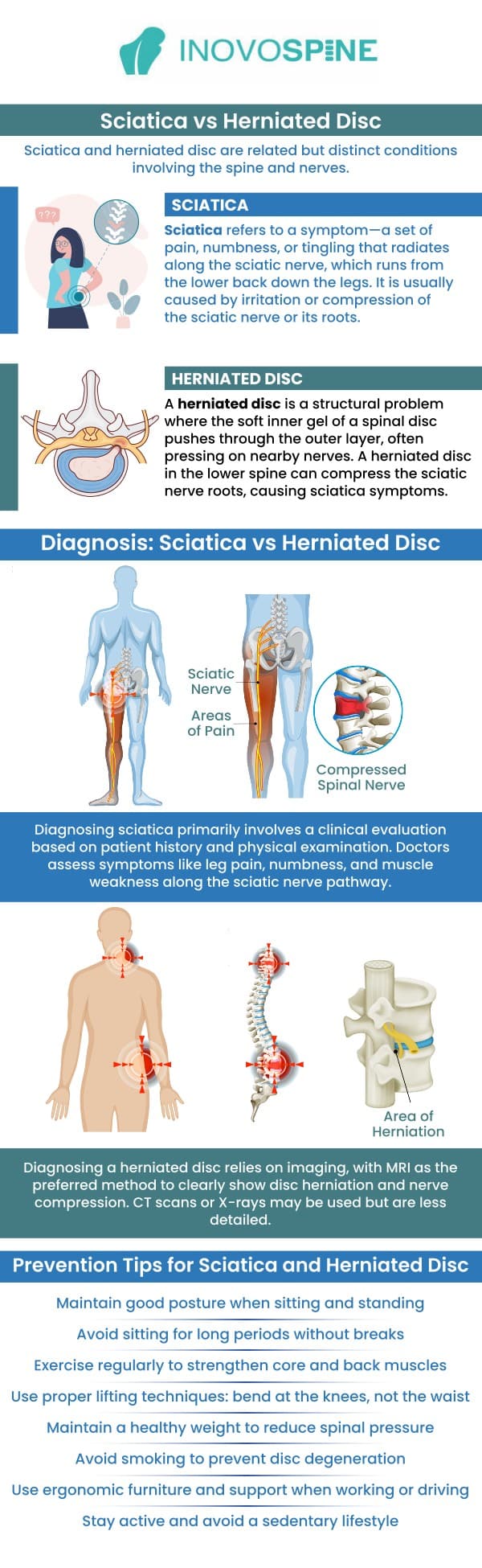
Back pain has numerous potential causes—from muscular strains to herniated discs to spinal stenosis—each requiring different management approaches. What might help one person’s back pain could significantly worsen another’s condition. For example:
- Floating positions that decompress the spine might benefit someone with disc compression but could be dangerous for someone with spinal instability
- Water temperature recommendations vary significantly based on specific conditions
- Duration and frequency of sessions must be tailored to individual tolerance and diagnosis
Without knowing the specific cause of your back pain, following generalized floating instructions could lead to increased injury risk rather than relief. The spine is a complex structure where improper positioning can create additional pressure on nerves or compromised tissues.
Essential Medical Considerations Before Pool Therapy
Consultation Requirements
Before attempting any pool-based therapy for back pain, consult with your healthcare provider to determine if it’s appropriate for your specific condition. Your physician or physical therapist can:
- Identify whether your back pain condition might benefit from aquatic therapy
- Determine any contraindications based on your medical history
- Recommend appropriate water temperatures for your specific condition
- Advise on safe duration for initial sessions
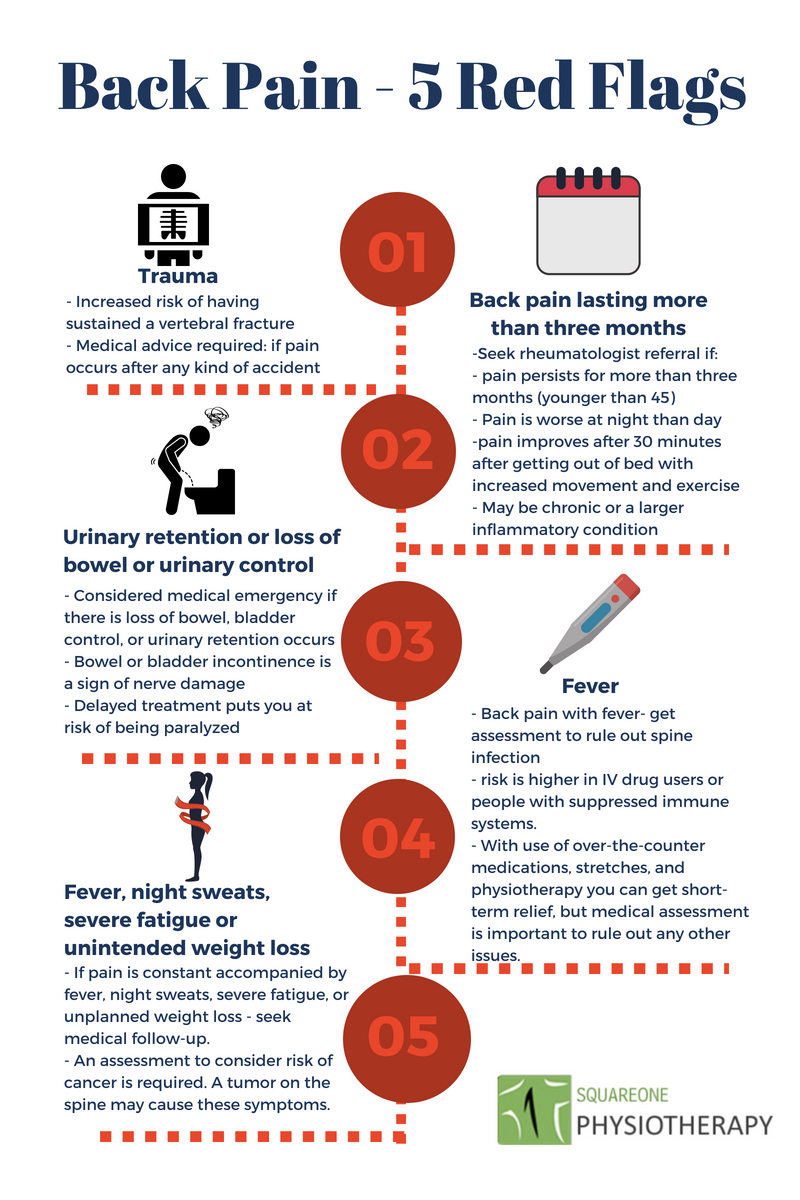
Medical Red Flags
Certain conditions absolutely require professional clearance before attempting pool floating:
- Recent spinal surgery (within 6-8 weeks)
- Spinal fractures or instability
- Severe osteoporosis
- Uncontrolled high blood pressure
- Open wounds or surgical sites
Attempting pool therapy without addressing these concerns could lead to serious complications, including delayed healing or additional injury.
Safe Approaches to Water-Based Pain Relief
Professional Supervision Benefits
When medically appropriate, working with a physical therapist specializing in aquatic therapy provides significant advantages:
- Customized floating positions based on your specific spinal alignment
- Progressive routines that match your healing timeline
- Real-time feedback on proper body positioning
- Integration with other elements of your treatment plan
Therapists can observe your movements and adjust techniques to ensure you’re receiving therapeutic benefits without risking further injury. This personalized approach is impossible to replicate through generic online advice.
Community Resources for Therapeutic Swimming
Many communities offer resources for medically supervised water therapy:
- Hospital-affiliated rehabilitation centers with therapeutic pools
- YMCA locations with warm-water therapy programs
- Physical therapy clinics offering aquatic rehabilitation
- Community centers with adaptive recreation programs
These facilities typically have staff trained to work with individuals experiencing various types of pain and mobility issues, providing safer environments for water-based therapy than attempting techniques independently.
What You Can Do While Seeking Professional Guidance
Document Your Pain Patterns
Before consulting with a healthcare provider, track your back pain to provide useful information:
- Specific locations of pain (upper, middle, lower back)
- Pain intensity on a 1-10 scale throughout the day
- Activities that worsen or alleviate symptoms
- Duration of pain episodes
This information helps professionals determine if aquatic therapy might benefit your specific condition.
Gentle Land-Based Preparation
While waiting for professional consultation, consider these safe preparatory steps:
- Practice diaphragmatic breathing to reduce overall tension
- Perform gentle range-of-motion exercises approved by your doctor
- Apply heat or cold therapy as recommended for your specific condition
- Maintain proper posture during daily activities
These approaches can help prepare your body for potential water therapy while avoiding further strain.
Understanding the Limitations of Online Information
The absence of verified information about specific floating techniques for back pain in authoritative medical sources highlights an important reality: effective pain management requires personalized approaches. Back pain is too complex and variable to be addressed with one-size-fits-all solutions, especially methods involving body positioning that could potentially cause harm.
Reputable medical organizations emphasize that treatment plans should be based on accurate diagnosis and professional assessment rather than generalized online advice. While the concept of pool floating for back pain relief may have merit in specific circumstances, the precise implementation requires professional guidance tailored to individual needs.
Creating a Responsible Path Forward
Building Your Healthcare Team
For effective back pain management, consider assembling a team that may include:
- Primary care physician for overall health assessment
- Physical therapist specializing in spinal conditions
- Pain management specialist if needed
- Certified aquatic therapist if water therapy is appropriate
This collaborative approach ensures you receive comprehensive care addressing all aspects of your condition.
Setting Realistic Expectations
Understand that back pain relief typically requires a multifaceted approach. Even if pool floating becomes part of your treatment plan, it will likely be combined with:
- Targeted strengthening exercises
- Posture correction techniques
- Pain management strategies
- Activity modification guidance
No single intervention usually provides complete relief for chronic back pain conditions.
Monitoring Progress Responsibly
If your healthcare provider approves pool therapy as part of your treatment:
- Start with short sessions (5-10 minutes) and gradually increase
- Track both immediate and delayed effects on your pain levels
- Communicate regularly with your healthcare provider about results
- Stop immediately if you experience increased pain or new symptoms
Professional guidance allows for appropriate adjustments to your therapy based on how your body responds.
When Pool Floating Might Not Be Appropriate
Water therapy isn’t suitable for all back pain conditions. Your healthcare provider might recommend against pool floating if you have:
- Certain types of spinal instability
- Unhealed surgical incisions
- Specific inflammatory conditions
- Balance issues that increase fall risk
They can suggest alternative pain management approaches better suited to your specific condition.
While the idea of finding relief from back pain through simple pool floating is appealing, responsible pain management requires professional assessment and guidance. The absence of verified information about specific floating techniques reflects the medical community’s understanding that back pain treatment must be personalized. Rather than risking potential harm with unverified methods, consult with healthcare professionals who can determine if aquatic therapy is appropriate for your specific condition and guide you through safe, effective implementation. Your back deserves evidence-based care tailored to your unique needs, not generalized advice that might do more harm than good. By working with qualified professionals, you’ll have the best chance of finding genuine, lasting relief from your back pain.