
That sharp twinge above your left hip bone isn’t just a random ache—it’s your body pinpointing trouble in a critical junction where spine meets pelvis. When you bend to grab your coffee mug or twist to check your blind spot, this specific pain flares like a warning beacon. For desk workers, parents lifting toddlers, or weekend athletes, left-sided lower back pain above the hip can transform everyday movements into painful challenges. The good news? Most cases stem from treatable musculoskeletal issues rather than serious conditions, and targeted interventions often bring relief within weeks.
This precise pain location involves a complex interplay of the L1-L5 vertebrae, sacroiliac joint, iliac crest, and key muscles like the quadratus lumborum. Understanding what’s triggering your left-sided lower back pain above hip area is half the battle—let’s explore why it happens and how to fix it.
Why Your Left-Side Lower Back Pain Won’t Quit
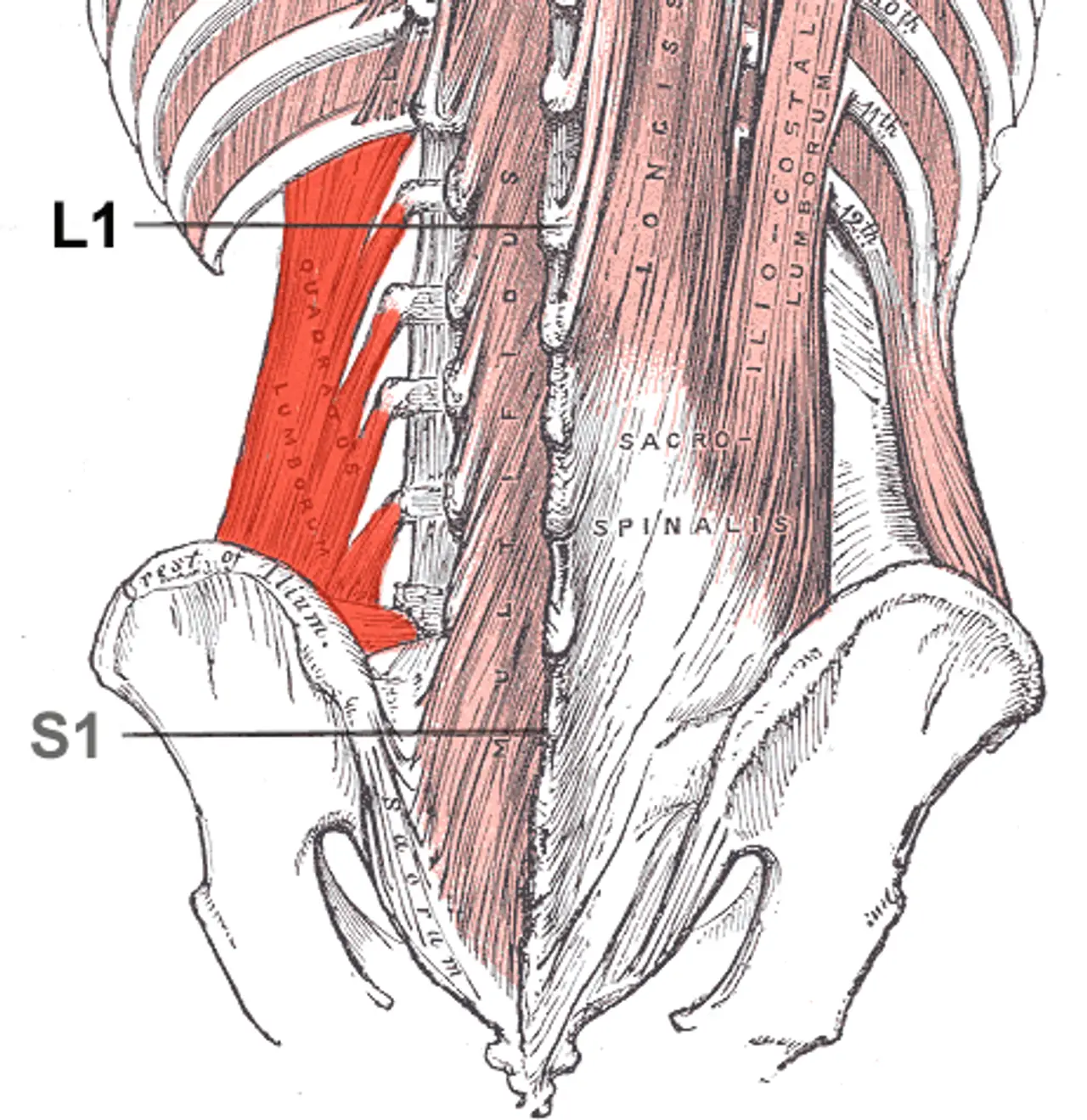
Quadratus Lumborum Trigger Points
This deep stabilizing muscle becomes a prime suspect when pain strikes above your left hip bone. When the quadratus lumborum strains or spasms—often from lifting improperly or sitting hunched at your desk—it creates a distinctive pain pattern: sharp discomfort that worsens with coughing, sneezing, or standing up straight after sitting. Office workers frequently develop this from prolonged sitting with poor posture, while athletes get it from explosive twisting movements like golf swings.
Your symptom checklist:
– Pain intensifies when leaning right
– Difficulty standing up straight after sitting
– Relief when lying on left side with knees bent
– Possible referral pain to groin area
Sacroiliac Joint Misalignment Signs
When your left sacroiliac joint (where spine meets pelvis) becomes inflamed or stuck, you’ll feel a deep ache just above the hip joint that may radiate toward your buttock. This pain often flares when transitioning from sitting to standing or climbing stairs. Pregnant women commonly experience SI joint dysfunction due to hormonal changes loosening ligaments, but anyone with uneven gait patterns or leg length discrepancies can develop this issue.
Immediate Relief Tactics That Work
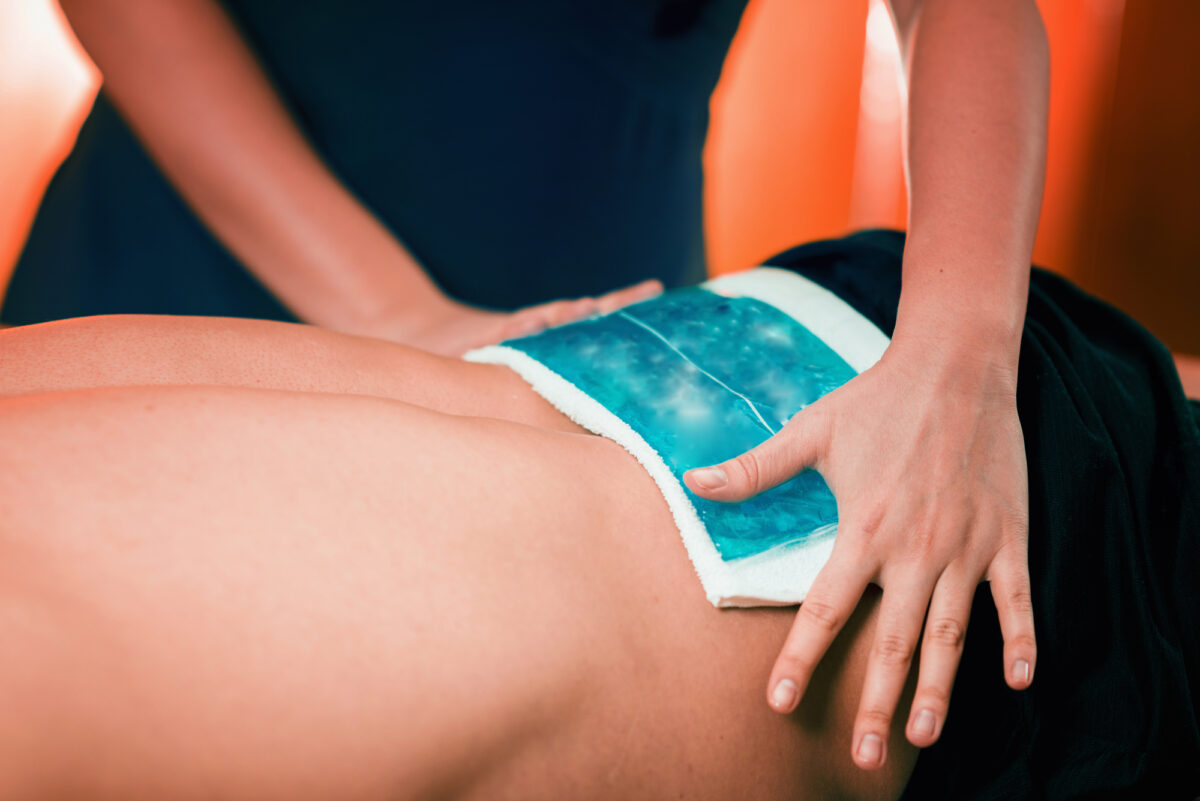
First 72 Hours Action Plan
Ice and Heat Strategy
Apply ice packs wrapped in thin cloth for 15-20 minutes every 2-3 hours during the first 48 hours to reduce inflammation, especially if pain started suddenly from an injury. After 48 hours, switch to moist heat for muscle tension—this increases blood flow to speed healing. Critical tip: Never apply ice or heat directly to skin, and limit sessions to 20 minutes to prevent tissue damage.
Optimal Resting Positions
Lie on your back with knees bent and feet flat to reduce spinal pressure. Place a pillow under your knees to maintain your lumbar curve’s natural alignment. If side-lying feels better, position a pillow between your knees to keep hips level. Avoid stomach sleeping at all costs—it forces unnatural spinal twisting that worsens left side lower back pain above hip.
Smart Pain Management Options
NSAID Selection Guide
Ibuprofen (400-600mg) or naproxen (220mg) effectively reduce inflammation when taken with food to protect your stomach. Limit use to 7-10 days unless directed by your doctor. If you have kidney issues or take blood thinners, acetaminophen becomes your safer alternative. For localized relief without systemic effects, apply diclofenac gel directly to the painful area 4 times daily.
Emergency Warning Signs You Can’t Ignore
Red Flags Needing Immediate Care
Neurological Danger Signs
Seek emergency help immediately if you experience sudden, severe pain after trauma plus any of these:
– Numbness in the groin area (“saddle anesthesia”)
– Loss of bladder or bowel control
– Progressive leg weakness
These symptoms could indicate cauda equina syndrome requiring urgent surgery.
Fever with Back Pain
A temperature above 101°F combined with left-sided back pain may signal a kidney infection or spinal abscess. Unlike muscular pain, this won’t improve with rest or NSAIDs. Don’t wait—untreated kidney infections can cause permanent organ damage.
Targeted Recovery Exercises by Phase
Phase 1: Acute Pain Relief (Days 1-3)
Pelvic Tilts for Core Activation
Lie on your back with knees bent. Gently flatten your lower back into the floor by tightening abdominal muscles. Hold 5 seconds, release slowly. Repeat 10-15 times hourly as pain allows. This activates deep stabilizers without straining injured tissues—perfect for when even standing hurts.
Knee-to-Chest Stretch
While lying down, bring your left knee toward your chest using your hands (not leg muscles). Hold 15-30 seconds, keeping opposite leg bent. This gently decompresses irritated joints. Pro tip: Breathe deeply during the stretch—exhaling as you pull knee closer increases effectiveness.
Phase 2: Mobility Restoration (Days 4-14)
Cat-Camel Spinal Mobilization
Start on hands and knees. Arch your back upward like a cat, then let it sag downward. Move through this range 10-15 times, breathing deeply. This restores spinal fluid movement and reduces stiffness from prolonged sitting—essential if your left side lower back pain above hip worsens after desk work.
Hip Flexor Release
Kneel on your right knee with left foot forward (like a lunge). Gently push hips forward until you feel a stretch in front of right hip. Hold 30 seconds, repeat 3 times per side. Key insight: Tight hip flexors often compensate for weak core muscles, directly contributing to your left hip pain.
Phase 3: Strength Building (Week 2+)
Bird Dog for Core Stability
From hands and knees, extend right arm forward and left leg back while keeping back flat. Hold 5 seconds, switch sides. This builds coordination between spine and hips. Start with 5 reps per side, building to 15. Critical form cue: Keep neck neutral—don’t crane head to look forward.
Glute Bridge Progression
Lie on back with knees bent. Lift hips until body forms straight line from knees to shoulders. Hold 5 seconds, lower slowly. Once mastered, progress to single-leg bridges. Strong glutes reduce SI joint stress that triggers left side lower back pain above hip.
Prevention Strategies That Actually Work
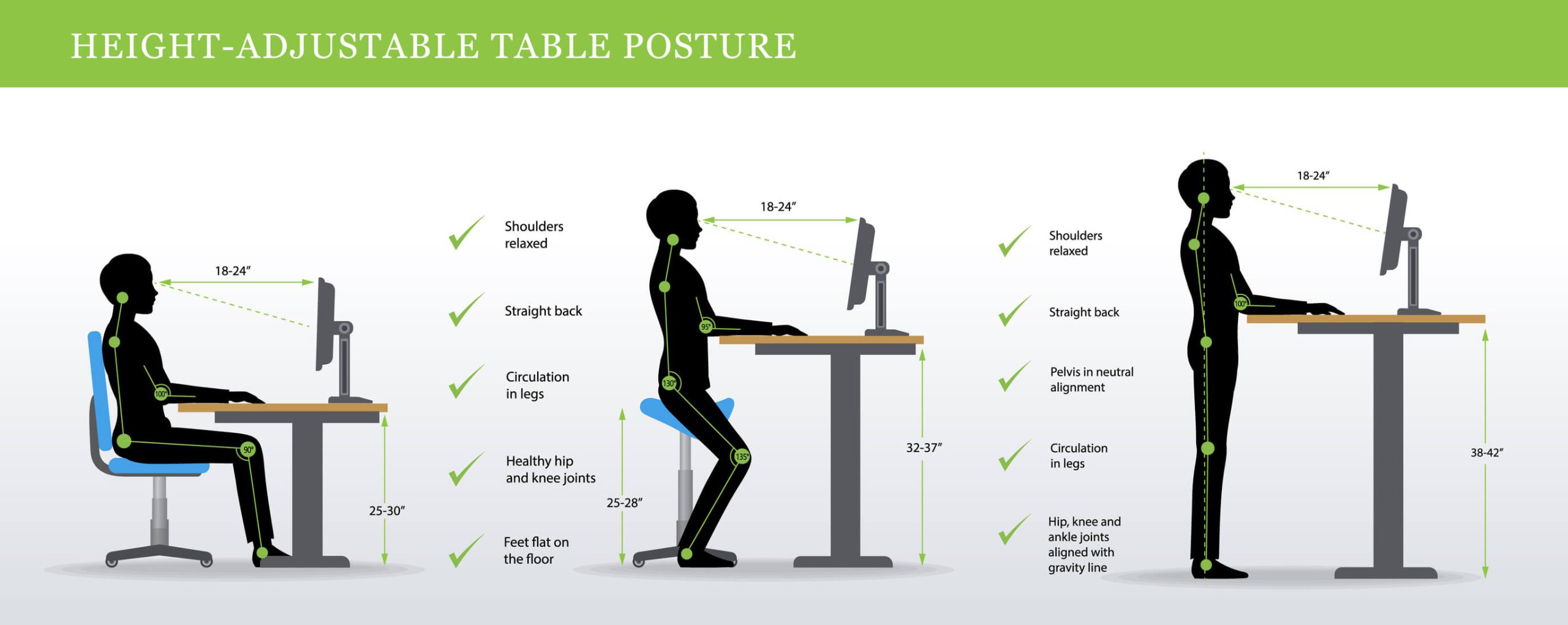
Daily Movement Essentials
30-Minute Movement Rule
Set a timer to stand up every 30 minutes—your spinal discs need movement to stay healthy. Do 10 shoulder rolls and 5 gentle back bends at your desk. These micro-movements prevent the stiffness that reignites your left side lower back pain above hip after sitting.
Stair Climbing Technique
When climbing stairs, engage your core by pulling belly button toward spine. This reduces lower back stress. Lead with your stronger leg going up, and your weaker leg going down. Pro tip: Hold rail with opposite hand to maintain balance without twisting.
Sleep Position Optimization
Mattress Selection Guide
Choose a medium-firm mattress that keeps spine aligned. Memory foam works best for side sleepers, while innerspring suits back sleepers. Replace mattresses every 7-10 years—sagging beds are major contributors to chronic left side lower back pain above hip.
Pillow Strategy
Back sleepers need a thin pillow under head plus small lumbar roll. Side sleepers require a pillow thick enough to keep neck straight, plus one between knees. Critical adjustment: If waking with pain, experiment with pillow thickness until spine stays neutral all night.
Realistic Recovery Timeline
Healing Phase Expectations
Muscle Strain Recovery: 2-6 Weeks
Most simple strains improve significantly within a month with proper care. Track daily progress—if pain plateaus after initial improvement, reassess your approach. Key insight: Pushing too hard too soon restarts the inflammation cycle.
Disc Issues: 6-12 Weeks
Herniated discs often improve substantially within three months of conservative treatment. Focus on extension exercises (like cobra pose) while avoiding forward bending initially. Surgery remains an option only if conservative care fails after 6-12 weeks.
Speed Recovery Factors
Sleep Quality Impact
Aim for 7-9 hours nightly—poor sleep increases inflammation and pain sensitivity. Create a wind-down routine: no screens 30 minutes before bed, cool dark room, consistent bedtime. Quality sleep is free medicine for your back.
Anti-Inflammatory Nutrition
Eat salmon, berries, and leafy greens daily. Stay hydrated—dehydrated discs are more prone to injury. Limit processed foods and excess sugar, which promote inflammation and slow healing of your left side lower back pain above hip.
Your immediate action plan: Start with ice/heat protocols and pelvic tilts today, progressing through exercises as pain allows. Most people see improvement within 2-3 weeks of consistent care. If pain persists beyond 6 weeks, schedule evaluation with a spine specialist—don’t ignore persistent left side lower back pain above hip. Remember, understanding your specific pain pattern puts you in control of recovery. With targeted interventions, you’ll return to activities pain-free, stronger and more resilient than before.