
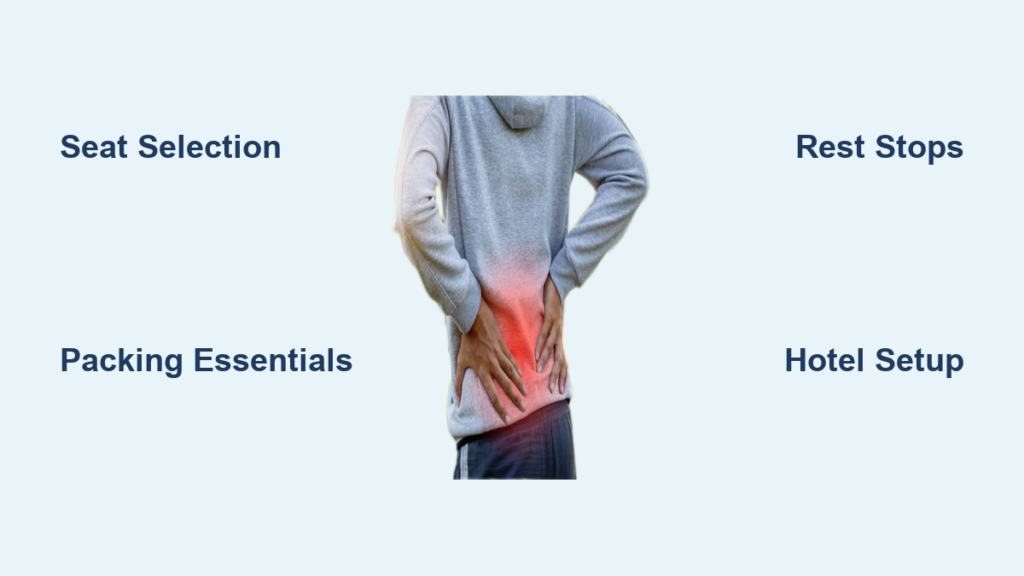
That sharp twinge when lifting your suitcase. The dull ache spreading across your lower back after an hour in the car. The panic of realizing you’re trapped in a middle seat for a six-hour flight. If you live with chronic back pain, these travel scenarios probably feel terrifyingly familiar. But here’s the truth: you can explore the world without sacrificing your spine’s wellbeing.
This guide transforms overwhelming travel anxiety into confident adventure planning. You’ll discover specific strategies for every stage of your journey—from booking flights with the best seats for your back to modifying hotel rooms into pain-relief sanctuaries. Whether you’re planning a weekend road trip or international expedition, these evidence-based techniques ensure your memories focus on spectacular views, not spinal misery.
Pre-Trip Medical Prep That Prevents Crises
Doctor Consultation Must-Dos
Schedule your appointment 4-6 weeks before departure. Bring a detailed list of current pain levels (rate 1-10), specific triggers you’ve noticed, and any recent changes in symptoms. Ask your physician to document your condition formally—this letter becomes your golden ticket through security screening and potential medical emergencies.
Key questions to ask:
– Are my current medications travel-appropriate?
– Should I adjust dosages for time zone changes?
– What activities should I absolutely avoid at my destination?
– Can you prescribe extra medication for delays?
This documentation is crucial—you’ll need it for security screenings, especially if you have metal implants. Your doctor should include your diagnosis, treatment plan, and a list of medications with both brand and generic names. This letter could save you hours of interrogation at airport security or when seeking emergency care abroad.
Medication Strategy for Long Trips
Calculate your exact needs, then add 50% more. Pack medications in three places: carry-on, checked bag, and on your person. Original prescription bottles with clear labels prevent TSA delays and international customs issues. Create a medication timeline spreadsheet showing dosage times across time zones—losing track of anti-inflammatories can trigger devastating flare-ups.
Emergency medication kit:
– Primary pain medications (double prescribed amount)
– Muscle relaxants for breakthrough spasms
– Anti-inflammatories for swelling
– Topical pain relievers for localized relief
– Laxatives (opioids cause constipation)
Never assume medications are available at your destination—research this well in advance. Some countries have different names for common medications or may not carry them at all. Your doctor can help identify equivalents you might need to request.
Flight Booking Hacks for Spine Health
Seat Maps That Save Your Back

Skip basic economy entirely—the small savings aren’t worth potential agony. Instead, master airline seat maps like a pro:
Best seats by aircraft type:
– Boeing 737/Airbus A320: Exit row 12 or bulkhead 1D
– Wide-body planes: Aisle seats in premium economy’s first row
– Regional jets: Row 1 (only row with adequate legroom)
Use SeatGuru.com to identify seats with extra lumbar support or problematic misalignments. Book 24 hours early when premium seat selection opens. Many airlines release blocked seats then—snag them immediately.
When selecting your seat, prioritize legroom over window views. Aisle seats allow you to stand and stretch without disturbing others. Bulkhead seats provide additional leg space but often have fixed armrests—check reviews for specific aircraft models.
Carry-On Packing for Pain Relief
Your carry-on becomes a mobile treatment center. Pack these in easily accessible outer pockets:
Top tier essentials:
– Inflatable lumbar pillow (deflates to wallet size)
– Heat patches (TSA-approved, 8-hour duration)
– Prescription medications in original bottles
– Doctor’s letter describing metal implants
– Compression socks with 20-30 mmHg pressure
– Empty water bottle (fill post-security)
Pro tip: Pre-apply one heat patch before boarding. The warmth relaxes muscles during the stressful boarding process, preventing initial spasms. Stay hydrated throughout the flight—dehydration worsens back pain—but balance water intake with bathroom accessibility.
Road Trip Modifications That Transform Cars
Seat Positioning Science
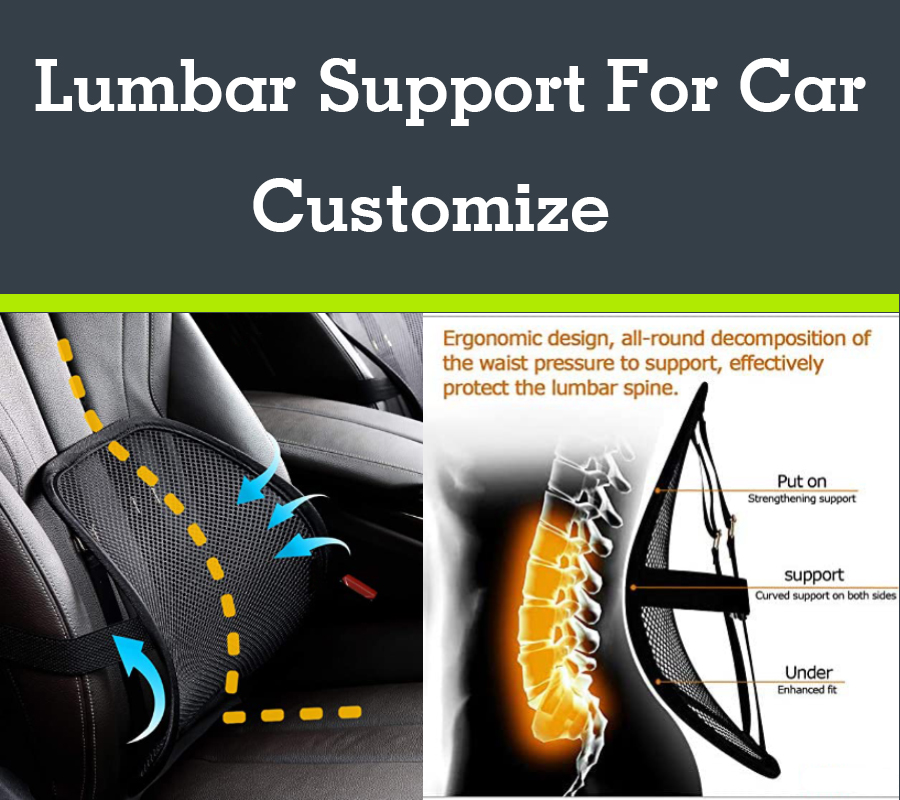
Adjust your seat using the 90-degree rule: hips and knees at 90-degree angles, with your back pressed firmly against lumbar support. If your car lacks adjustable lumbar, wedge a rolled towel at the curve of your lower back.
Critical adjustments checklist:
– Seat height: hips level with or slightly above knees
– Steering wheel: close enough that elbows bend 120 degrees
– Headrest: middle aligns with your head’s center
– Mirrors: set while sitting properly to prevent twisting
The ideal driving position maintains your spine’s natural curve. Your hands should rest comfortably on the steering wheel at 9 and 3 o’clock without reaching. Consider a memory foam seat cushion for longer drives—it distributes pressure evenly and reduces vibration impact.
Strategic Stop Planning
Plan stops every 60-90 minutes maximum—set phone alarms to override “I’ll push through” thinking. Research stops beforehand using apps like GasBuddy with photos. Look for locations with:
– Walking paths (rest areas with nature trails)
– Restroom facilities (avoid porta-potties requiring squatting)
– Food options (maintain consistent nutrition)
– Space for vehicle stretches
At each stop, perform basic stretches: stand with hands on hips and gently arch backward 5 times, do hamstring stretches using your car for support, and squeeze shoulder blades together for 10 seconds. These simple movements prevent stiffness from setting in during extended driving.
Hotel Room Setup in 10 Minutes
Bed Modification Tricks

Call the hotel 48 hours before arrival. Request:
– Extra firm mattress or mattress topper
– 4-6 additional pillows (knee support when side-sleeping)
– Ground floor room or elevator proximity
– Late checkout (recovery days need unhurried mornings)
Immediate room setup:
1. Test mattress firmness—if too soft, use extra blankets between mattress and sheet
2. Position pillows: one between knees (side sleeping) or under knees (back sleeping)
3. Adjust air conditioning to 68-70°F (cooler temperatures reduce inflammation)
4. Create a medication station on nightstand with water, alarm, and supplies
Your sleeping position dramatically affects morning pain levels. Avoid stomach sleeping entirely—it forces spinal rotation. Instead, side sleeping with a pillow between knees maintains alignment, while back sleeping with a small pillow under the knees reduces lumbar strain.
Bathroom Safety Modifications
Hotel bathrooms become hazardous zones. Request a non-slip bath mat if not provided. Place towels on the floor to cushion hard surfaces. Use the luggage rack as a makeshift seat for safer dressing.
Consider bringing a portable shower chair if you’ll be traveling extensively. The hard surfaces in hotel bathrooms increase fall risk, especially after a long day of travel when fatigue sets in. Keep essential items on countertops rather than in lower cabinets to avoid painful bending.
Daily Travel Routines That Prevent Flare-Ups
Morning Activation Sequence
Start each day with a 10-minute routine before leaving bed:
– Minute 1-2: Gentle knee-to-chest stretches while lying
– Minute 3-4: Ankle pumps to activate circulation
– Minute 5-6: Shoulder blade squeezes against headboard
– Minute 7-8: Light neck rolls in both directions
– Minute 9-10: Deep breathing to reduce stress-related tension
This gentle activation sequence prepares your spine for movement without shocking your system. Never jump straight out of bed—sudden movement often triggers spasms in chronic back pain sufferers.
Activity Pacing Formula
Follow the 2:1 rule—two hours of activity maximum, followed by one hour of rest. Schedule rest periods like appointments: find a café with supportive seating, visit a museum’s quiet gallery, or return to your hotel for horizontal rest.
Warning signs to stop immediately:
– Pain increases from 3 to 6+ on your scale
– Numbness or tingling in legs
– Muscle spasms that don’t resolve with stretching
– Shooting pain with specific movements
Listen to your body’s warning signs. Pushing through pain creates longer recovery periods that can derail your entire trip. It’s better to rest early than to be confined to your hotel room for days.
Emergency Pain Management Anywhere
Local Resource Mapping
Before exploring, identify three key locations near your accommodation:
– Urgent care clinic (Google Maps “urgent care near me”)
– 24-hour pharmacy (CVS, Walgreens, or local equivalent)
– Emergency hospital (search “hospital emergency room”)
Save these as starred locations in your phone’s maps app. Download offline maps in case of poor data connection. This preparation eliminates stressful searches when pain strikes.
Communication Cards for Language Barriers
Create simple cards in the local language using Google Translate:
– “I have chronic back pain. I need to sit down.”
– “Where is the nearest pharmacy?”
– “I need a doctor who speaks English.”
Print these on waterproof paper or save screenshots offline. Language barriers compound medical emergencies—these cards provide critical communication when you’re in pain and struggling to think clearly.
Long-Term Travel Success
Extended Trip Medication Planning
For trips longer than two weeks, research medication availability at your destination. Many countries require different prescriptions or have restricted medications. Contact the embassy’s health services—they often maintain lists of English-speaking doctors and medication equivalents.
Medication shipment strategy:
– Ship 30-day supplies to your accommodation via tracked mail
– Use pharmacy networks with international locations (like Boots in UK)
– Research telemedicine options with your home provider
Seasonal Adaptation Techniques
Temperature changes dramatically affect back pain. Pack accordingly:
– Cold climates: Battery-heated vest, extra heat patches, warm-up routine before outdoor activities
– Hot climates: Cooling towels, electrolyte supplements, schedule activities for early morning/evening
Barometric pressure changes from weather fronts often trigger pain flare-ups. Monitor weather forecasts and adjust your activities accordingly—schedule indoor days during predicted weather changes.
Traveling with lower back pain demands extra planning, but it shouldn’t limit your life’s adventures. These strategies work because they’re built specifically for chronic pain challenges—not generic travel advice with a pain disclaimer attached.
Start implementing these techniques with your next small trip. Test seat selection strategies on a weekend getaway. Practice hotel room setups during a one-night stay. Each successful journey builds confidence for bigger adventures.
Your back pain might be chronic, but your travel limitations don’t have to be. The world is waiting—and now you’re equipped to explore it on your terms.