
You’ve been taking your prescribed medications exactly as directed, yet the sharp ache in your lower back persists. Day after day, you follow the dosage schedule, avoid movements that trigger pain, and wait for relief that never fully arrives. This frustrating experience affects countless people who find themselves stuck in a cycle of persistent pain despite adhering to their treatment plan. When standard approaches fail to deliver expected results, it’s time to shift your strategy rather than simply waiting for medications to start working.
Lower back pain that doesn’t respond to medication typically indicates a mismatch between your specific condition and your current treatment approach. The spine’s complexity means pain can originate from multiple sources—muscles, nerves, joints, or discs—each requiring different interventions. Understanding why your current medication regimen isn’t providing relief opens the door to more targeted solutions that address your unique situation rather than applying a one-size-fits-all approach.
This guide provides practical steps to take when your lower back pain medication stops working, helping you work effectively with healthcare providers to find solutions that actually address your discomfort rather than merely masking symptoms.
Why Your Current Medication Approach Might Be Failing
Your Body May Be Adapting to the Medication
Over time, your body can become less responsive to certain pain medications through natural physiological processes. This adaptation doesn’t mean you’re doing anything wrong—it’s simply how your nervous system sometimes responds to consistent medication use. When this happens, the same dose that initially provided relief gradually becomes less effective, leaving you with persistent pain despite proper adherence to your treatment plan.
The timeline for this adaptation varies significantly between individuals and medication types. Some people notice reduced effectiveness after several weeks of consistent use, while others maintain relief for much longer periods. Pay attention to specific changes in your response pattern, such as pain returning sooner between doses or needing additional medication to achieve the same level of relief you previously experienced.
Rather than automatically requesting higher doses, document these changes and discuss them with your healthcare provider. They can help determine whether this represents normal adaptation or signals a need for a different treatment approach.
The Medication Might Not Target Your Specific Pain Source
Lower back pain isn’t a single condition but rather a symptom with multiple potential causes. Medications that effectively treat muscle strain might do little for nerve-related pain, while treatments targeting inflammation may not address mechanical joint issues. If your diagnosis hasn’t precisely identified the pain generator, you might be using medications that simply don’t address your specific problem.
Consider the characteristics of your pain: Does it radiate down your leg? Does it worsen with specific movements? Is it constant or intermittent? These details help healthcare providers identify whether your pain stems from nerve compression, joint dysfunction, muscle strain, or other sources. Without matching the medication to the pain mechanism, even appropriate medications may seem ineffective.
When medications fail to provide relief, it often indicates a need for more precise diagnosis rather than stronger medication. Discussing your specific pain patterns with your healthcare provider can help refine your diagnosis and guide more targeted treatment decisions.
Other Medications or Supplements Might Be Interfering
Many people don’t realize that medications, supplements, and even certain foods can interact with pain relievers, reducing their effectiveness. Common over-the-counter medications, prescription drugs for other conditions, and herbal supplements can all potentially interfere with how your pain medication works in your body.
These interactions aren’t always obvious—you might not experience immediate side effects, but the pain medication simply doesn’t provide the expected relief. Sometimes the timing of when you take different medications can make a significant difference in how well your pain treatment works.
Before concluding that your pain medication has stopped working, review all substances you’re taking with your healthcare provider or pharmacist. They can identify potential interactions and suggest adjustments that might restore your medication’s effectiveness without requiring stronger doses.
Critical Warning Signs Requiring Immediate Attention
Neurological Changes Despite Medication
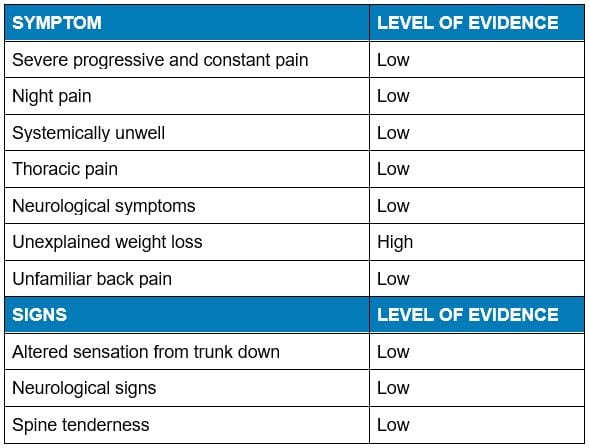
Pay close attention if you notice new or worsening neurological symptoms while taking pain medication. Loss of sensation, muscle weakness, or changes in bowel or bladder function despite medication use require prompt medical evaluation. These symptoms suggest that the underlying issue may be progressing despite pain management efforts.
Don’t dismiss subtle changes like slight tingling, minor weakness, or intermittent numbness. When these occur alongside persistent pain despite medication, they indicate that your current treatment isn’t addressing the root cause. Early intervention for neurological symptoms often leads to better outcomes, so report these changes to your healthcare provider immediately.
Pain That Worsens Despite Maximum Medication
If your pain intensity increases while taking the highest recommended dose of your medication, this signals something more serious than simple medication ineffectiveness. Progressive worsening despite adequate medication differs from stable pain that simply isn’t fully controlled—it suggests the underlying condition may be advancing.
This pattern requires thorough evaluation to determine whether your diagnosis needs refinement or if additional complications have developed. Continuing with the same treatment approach when pain is actively worsening could allow a treatable condition to progress unnecessarily.
Systemic Symptoms Appearing During Treatment
New symptoms like unexplained fever, significant weight loss, or pain that disrupts sleep despite medication warrant immediate investigation. These systemic signs suggest your back pain might stem from causes beyond typical mechanical issues, potentially requiring entirely different treatment approaches.
Night pain that wakes you from sleep—especially when lying flat—differs from typical activity-related back pain. When this occurs alongside other systemic symptoms, it indicates a need for comprehensive evaluation rather than medication adjustments alone.
Practical Steps to Take When Medication Fails
Document Your Pain Patterns Thoroughly
Start a detailed pain journal tracking when you take medication, how long relief lasts, and what activities trigger breakthrough pain. Note specific movements that cause discomfort despite medication and document how pain affects your daily functioning. This record provides crucial information your healthcare provider needs to adjust your treatment effectively.
Include objective measures like how long you can sit comfortably, how far you can walk before pain limits you, and which specific tasks have become difficult. These functional assessments often provide more useful information than pain scale ratings alone when determining the next steps in your treatment.
Request a Comprehensive Medication Review
Schedule a dedicated appointment to discuss medication effectiveness rather than mentioning it briefly during routine visits. Bring your complete medication list, including all prescriptions, over-the-counter products, and supplements. This focused discussion allows your healthcare provider to systematically evaluate why your current approach isn’t working.
Ask specific questions about why certain medications might have stopped working, what alternatives might better target your pain type, and whether additional diagnostic tests could guide more effective treatment choices. This shifts the conversation from simply increasing doses to developing a more sophisticated treatment strategy.
Explore Alternative Treatment Approaches

When medications alone aren’t providing adequate relief, combining different approaches often yields better results. Physical therapy can address mechanical causes of pain that medications only mask, while targeted injections may deliver medication more precisely to the pain source.
Multimodal pain management programs that integrate physical, psychological, and medical approaches frequently succeed where single interventions fail. These comprehensive approaches address both pain symptoms and functional limitations, often allowing patients to reduce medication reliance while improving quality of life.
Moving Forward with a New Strategy
When your lower back pain medication stops working, it’s not a failure on your part—it’s information guiding your next steps. The path forward involves refining your diagnosis, exploring alternative approaches, and developing a comprehensive management strategy that addresses both symptom relief and functional restoration.
Work with your healthcare provider to create a step-by-step plan that considers your specific pain patterns, functional limitations, and treatment goals. Focus on measurable improvements in daily activities rather than complete pain elimination, as this often leads to more realistic and achievable outcomes.
Most importantly, recognize that persistent pain despite medication doesn’t mean you’re out of options—it means it’s time to refine your approach. By taking systematic next steps and working collaboratively with healthcare professionals, you can develop a treatment strategy that finally provides the relief you’ve been seeking.