

Waking up with back pain can turn your entire day into a struggle. The way you position pillows while sleeping directly impacts your spinal alignment and morning comfort. Many people spend thousands on mattresses and treatments, yet overlook the simple art of strategic pillow placement that could provide immediate relief.
Your sleeping position creates either a healing environment or additional stress for your back. The right pillow arrangement maintains your spine’s natural curves, reduces pressure points, and allows damaged tissues to recover overnight. This guide walks you through proven pillow configurations for every sleeping position, helping you transform your bed into a therapeutic space.
Side Sleeping Pillow Setup for Lower Back Relief
Knee Pillow Placement That Actually Works
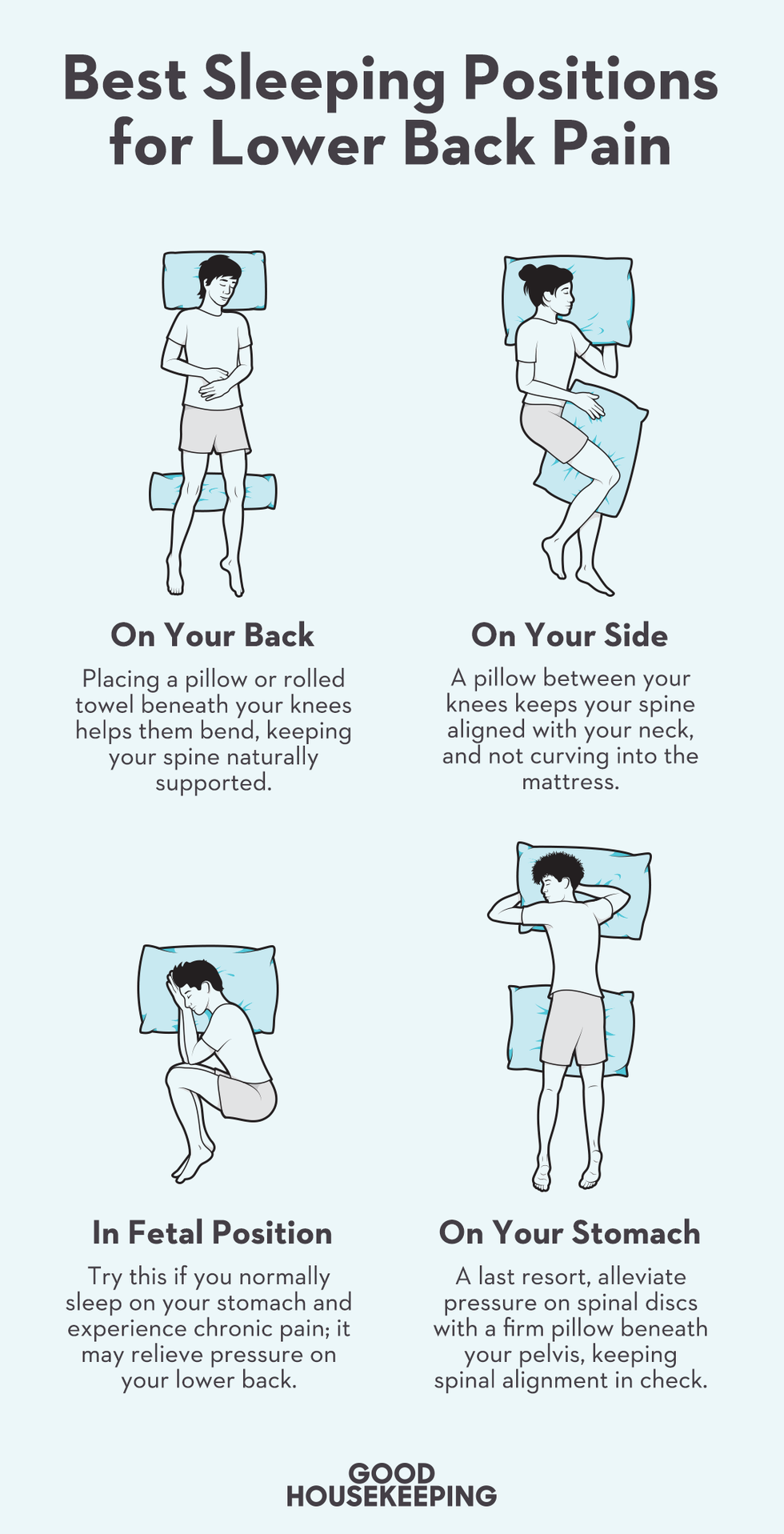
Place a firm pillow between your knees while lying on your side. This prevents your upper leg from pulling your spine out of alignment and reduces stress on your hip joints. The pillow should be thick enough to keep your knees hip-width apart, creating a straight line from your hip through your knee to your ankle. Without this support, your pelvis naturally tilts downward, creating torque on your lower back that leads to morning stiffness.
Hip Alignment Technique for Immediate Pain Reduction
Your hips naturally tilt downward when side sleeping, creating torque on your lower back. Position the knee pillow slightly higher, tucking it between your thighs rather than just at the knees. This placement aligns your pelvis horizontally and significantly reduces lower back strain. A body pillow can replace separate knee and chest pillows, providing continuous support from shoulders to ankles. When hugging the body pillow, drape your top arm over it to prevent shoulder compression while maintaining spinal alignment.
Back Support Barriers for Position Stability
Prevent rolling onto your back by placing a firm pillow behind you. This creates gentle resistance when you unconsciously attempt to change positions during sleep. For post-surgical recovery, use multiple pillows to create a secure boundary that maintains your prescribed side-lying position throughout the night. If you wake up on your back with pain, this simple addition to your pillow arrangement could be the solution you’ve been missing.
Back Sleeping Pillow Configuration for Lumbar Support
Under-Knee Support That Relieves Pressure
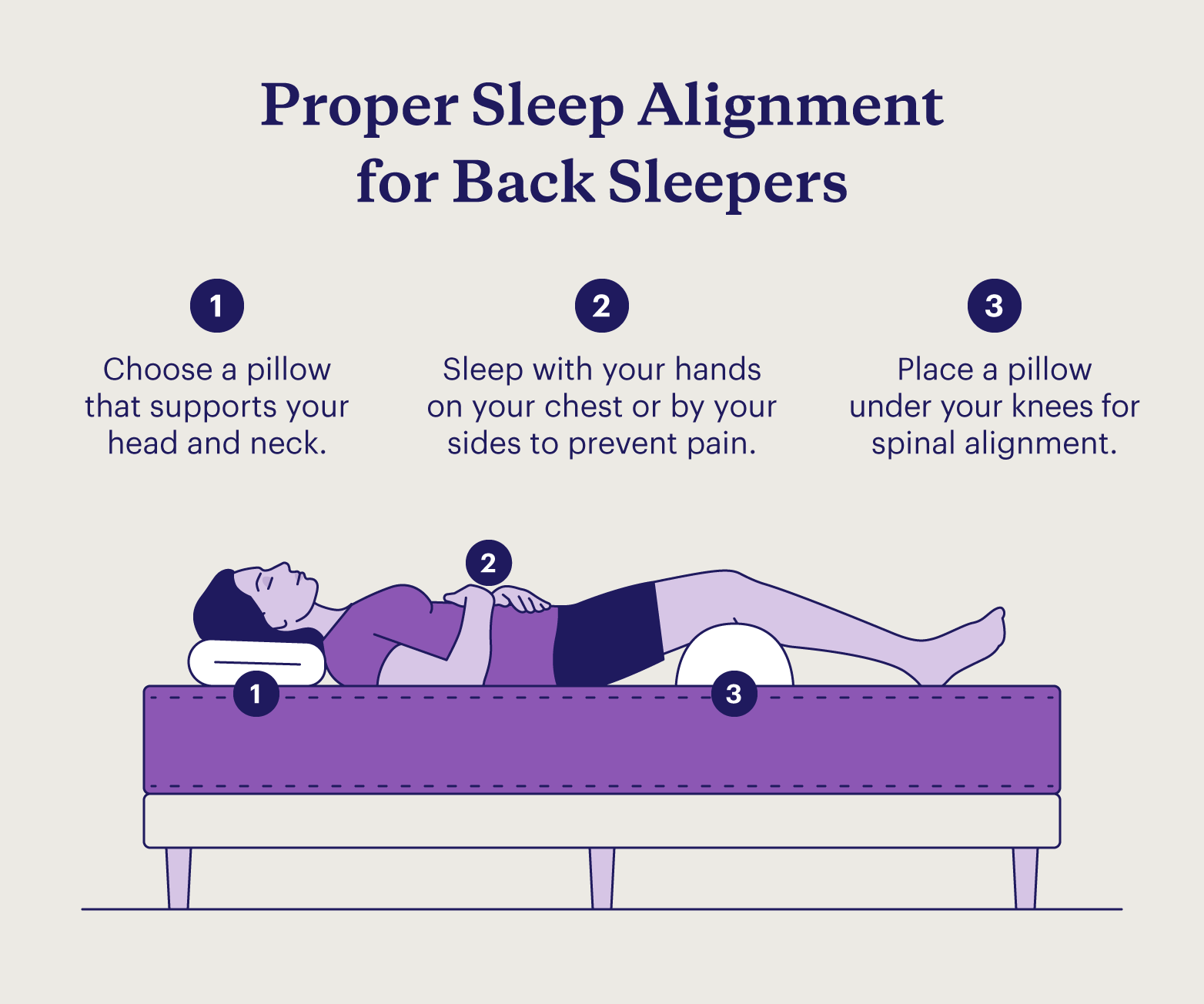
Slide a pillow beneath your knees when lying on your back. This elevates your legs slightly, reducing the arch in your lower back and relaxing your spinal muscles. The pillow height should create a 30-45 degree bend in your knees without straining your hip flexors. Memory foam or medium-firm pillows work best as they maintain shape throughout the night. This simple adjustment takes pressure off compressed nerves in your lower back, allowing inflammation to decrease while you sleep.
Lumbar Curve Support with Towel Roll Technique
Roll a small towel and position it under your lower back’s natural curve. This provides targeted support to the lumbar region while maintaining overall spinal alignment. The towel roll should be approximately 2-3 inches in diameter—firm enough to support without creating pressure points. Test different thicknesses until you find the sweet spot that eliminates morning stiffness. This technique is particularly effective for those with degenerative disc disease or herniated discs in the lumbar region.
Neck Positioning Essentials for Cervical Alignment
Support your neck with a pillow that keeps your head aligned with your chest and back. The pillow should fill the space between your neck and mattress without tilting your head forward or backward. Add a rolled towel at the base of your pillow to create optimal cervical support, maintaining the natural curve of your neck throughout the night. Many back pain sufferers don’t realize their neck position affects their lower back—proper cervical alignment creates a domino effect of spinal support.
Stomach Sleeping Modifications to Reduce Spinal Stress
Hip Elevation Method for Prone Position Relief
Place a thin pillow under your hips and lower abdomen when stomach sleeping. This reduces the extension forces on your lumbar spine by preventing your abdomen from sinking too deeply into the mattress. The pillow should be approximately 1-2 inches thick—enough to create slight elevation without causing spinal rotation. This simple adjustment can significantly reduce the hyperextension that makes stomach sleeping so problematic for back pain sufferers.
Neck Strain Reduction Strategies for Stomach Sleepers
Minimize neck rotation by using a very thin pillow or no pillow under your head. Many stomach sleepers benefit from placing their forehead on the edge of a thin pillow, allowing room to breathe while keeping the neck more neutral. Consider transitioning gradually to side or back sleeping positions for long-term back health. If you’ve been a stomach sleeper for years, try the semi-prone position first—this bridges the gap between stomach sleeping comfort and proper spinal alignment.
Transition Sleeping Positions Using Body Pillows
Use a body pillow to create a semi-prone position that provides stomach-sleeping comfort without full prone positioning. Place the body pillow beside you and drape your top leg and arm over it, creating a position that’s halfway between stomach and side sleeping. This reduces spinal stress while maintaining familiar sleeping sensations. This transitional position often helps stubborn stomach sleepers make the switch to healthier sleeping postures without feeling completely uncomfortable.
Troubleshooting Common Pillow Placement Problems
When Pain Persists Despite Proper Setup
If back pain continues despite proper pillow placement, examine your mattress firmness. An overly soft or firm mattress can undermine even perfect pillow positioning. Consider placing a pillow board under your mattress for additional support, or add a mattress topper to adjust firmness levels. Many people discover their pillow arrangement is perfect, but their mattress has lost support, creating the same problems pillow positioning was supposed to fix.
Position Change Difficulties During Sleep
For those who unconsciously change positions during sleep, use larger pillows or body pillows that provide continuous support regardless of movement. Create a pillow “nest” that supports your body in multiple positions, reducing the negative impact of position changes. A full-length body pillow often serves this purpose well, as it provides support whether you roll slightly toward your back or maintain your side position.
Partner Disturbance Solutions That Maintain Alignment
Use separate blankets and pillows to maintain your therapeutic position without affecting your partner. Consider a larger bed if pillow arrangements encroach on your partner’s space. Body pillows can serve dual purposes as both therapeutic tools and relationship boundaries. If your partner complains about your pillow fortress, explain that proper back support improves your mood and energy during the day—a benefit they’ll appreciate too.
Pillow Selection and Long-Term Maintenance

Choosing Right Pillow Types for Your Body
Select pillows based on your primary sleeping position and body size. Memory foam provides consistent support for back sleepers, while firmer pillows work better for side sleepers. Body pillows should be at least 5 feet long to provide full-body support. Test different firmness levels—your pillow should maintain shape but yield slightly under pressure. The right pillow material makes a significant difference; buckwheat hull pillows offer adjustable firmness, while down alternatives provide consistent support.
Pillow Replacement Schedule for Ongoing Relief
Replace pillows every 12-18 months for optimal support. Worn pillows lose shape and fail to maintain proper alignment. Test pillow firmness monthly by folding it in half—if it doesn’t spring back immediately, replacement time has arrived. A simple $20 pillow investment can prevent hundreds in potential medical expenses from untreated back pain. Don’t wait until your pillow is completely flat—gradual loss of support happens slowly, making it hard to notice until you replace it.
Professional Consultation When Home Remedies Fail
If pillow positioning doesn’t provide relief within 4-6 weeks, consult a physical therapist or chiropractor. They can assess your specific condition and recommend custom pillow arrangements or additional interventions. Professional guidance becomes crucial for chronic conditions or post-surgical recovery. Sometimes what seems like a simple positioning issue actually requires specialized knowledge of your specific spinal condition.
Your pillow arrangement is a powerful tool for back pain management. Start with the position you find most comfortable, implement one modification at a time, and track your results. The right combination of pillows can transform painful nights into restorative sleep, giving your back the support it needs to heal and maintain health. Don’t underestimate the impact of proper pillow placement—what takes minutes to set up each night could mean years of reduced pain and improved mobility.