
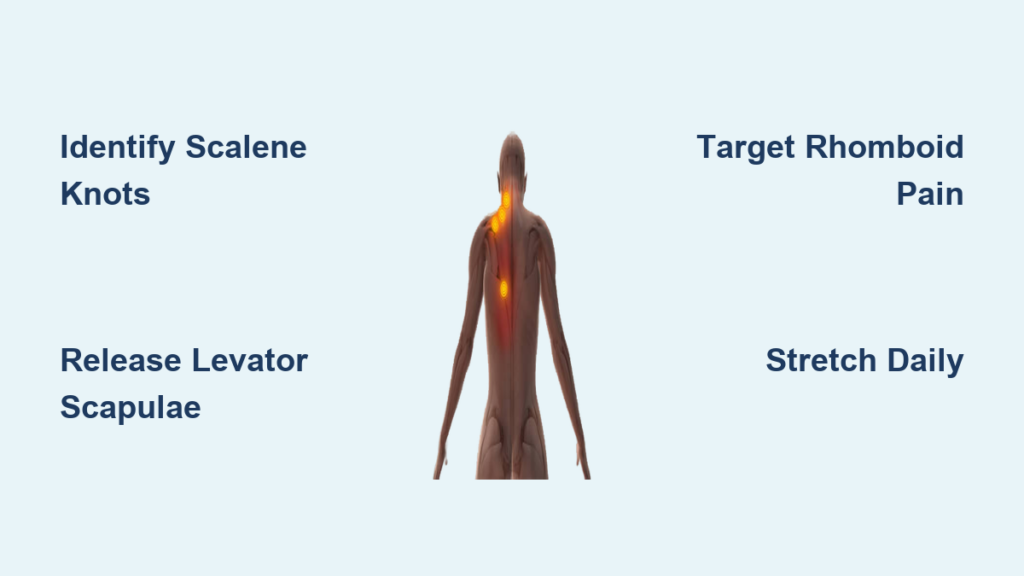
That sharp, deep ache between your shoulder blade and spine isn’t just ordinary muscle strain—it’s likely myofascial trigger points creating a complex pain pattern in your upper right back. For women experiencing this specific discomfort, these hyperirritable knots can transform simple movements like reaching for a coffee cup or turning to check your blind spot into painful challenges. Understanding which muscles harbor these trigger points and how they specifically affect women can unlock the path to lasting relief.
Myofascial trigger points female upper right back pain affects millions of women, yet remains widely misunderstood. This guide reveals the exact muscles causing your discomfort, why women are particularly vulnerable, and proven techniques to eliminate these painful knots. You’ll learn how to identify your specific trigger points, apply targeted self-treatment strategies, and prevent future flare-ups through simple lifestyle adjustments.
Pinpointing Your Pain-Causing Muscles
Scalene Muscles: The Neck-to-Back Pain Connection
Your scalene muscles, deep in the neck, often cause upper right back pain despite being far from the discomfort location. When these three muscles (anterior, middle, and posterior) develop trigger points, they refer pain between your shoulder blades, sometimes extending to your chest and down your arm. Women who routinely cradle phones between ear and shoulder or carry heavy bags on one side frequently develop scalene trigger points.
Identify scalene involvement if you experience:
– Pain that worsens when turning your head toward the painful side
– Numbness or tingling in your right hand
– Difficulty taking deep breaths without discomfort
– Increased pain when carrying items on your right shoulder
Levator Scapulae: The Shoulder Blade Anchor
This long, thin muscle runs from your neck to your shoulder blade’s inner border and commonly creates upper right back pain in women. Trigger points here cause deep aching at the neck-shoulder junction that radiates down to your right shoulder blade. Women who spend hours at computers with poor posture often develop these painful knots.
To locate levator scapulae trigger points:
– Tilt your head 45 degrees to the left
– Feel along the right side of your neck toward your shoulder
– Press gently—you’ll find tender spots near the base of your neck
Rhomboids and Middle Trapezius: Between-Shoulder Blade Pain
Your rhomboids (major and minor) sit directly between shoulder blades and create localized upper right back pain when trigger points develop. The middle trapezius muscle, especially vulnerable when chest muscles tighten, refers pain to the same area. Women who sit hunched over desks or devices often develop trigger points in these muscles.
Symptoms pointing to rhomboid/middle trapezius involvement:
– Pain intensifies when squeezing shoulder blades together
– Difficulty reaching behind your back to fasten a bra
– Discomfort when sitting without back support
– Crunching or snapping sensations during shoulder movement
Why Women Develop Upper Right Back Trigger Points

Hormonal Vulnerability Factors
Middle-aged women face the highest risk for developing myofascial trigger points due to hormonal shifts. Estrogen fluctuations during perimenopause and menopause directly impact muscle tissue quality, making trigger points more likely to form and persist. Research shows approximately 44 million Americans experience myofascial pain syndrome, with middle-aged inactive women representing the highest-risk demographic.
Contributing hormonal factors:
– Reduced muscle elasticity from declining estrogen levels
– Slower healing response after minor muscle injuries
– Increased inflammation sensitivity during hormonal transitions
– Sleep disruption affecting muscle recovery cycles
Daily Activities Creating Perfect Storm Conditions
Women’s specific lifestyle patterns often create ideal conditions for upper right back trigger point development. Carrying heavy purses on one shoulder, cradling phones between ear and shoulder, and prolonged computer work generate repetitive strain that activates trigger points.
High-risk female-specific activities:
– Nursing babies with poor positioning
– Carrying children on one hip
– Wearing high heels altering spinal alignment
– Extended driving with inadequate seat adjustment
Self-Diagnosis Techniques for Upper Right Back Pain
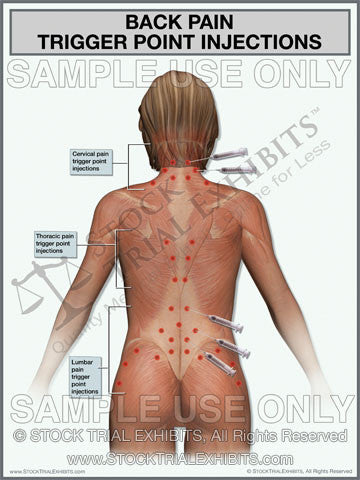
Locating Your Trigger Points
Start with gentle palpation of each muscle group using your opposite hand. For right upper back pain, use your left hand to reach across and feel your right upper back muscles. You’re searching for:
- Taut bands: Feel like guitar strings under your skin
- Tender knots: Small, pea-sized bumps that cause sharp pain when pressed
- Referred pain: Pressing one area creates pain in another location
- Jump sign: Involuntary flinch when touching the trigger point
Mapping Your Specific Pain Pattern
Identify which muscles create your unique pain by noting:
– Scalenes: Pain shoots up neck and down arm toward wrist
– Levator scapulae: Pain at neck-shoulder junction radiating to shoulder blade
– Rhomboids: Localized pain between shoulder blades with crunching sounds
– Middle trapezius: Pain across upper back worsened by poor posture
Critical Warning Signs Requiring Medical Attention
Seek immediate medical help if you experience:
– Fever with back pain (possible infection)
– Numbness in both legs
– Loss of bladder or bowel control
– Pain following recent illness
– New severe pain if under 18 or over 50
Effective Home Treatment Strategies
Targeted Self-Massage Techniques
Wall Ball Release for Between-Shoulder Blade Pain:
– Place tennis ball between wall and your trigger point
– Lean into ball, hold 30-60 seconds until pain decreases 70%
– Roll slowly to find all tender spots
– Focus on rhomboids and middle trapezius areas
Neck Stretch for Scalene Trigger Points:
– Sit tall, grasp chair with left hand
– Tilt head right, then rotate left
– Hold 30 seconds, repeat 3 times
– Use right hand for gentle assistance
Heat and Cold Therapy Protocol
Strategic Heat Application:
– Use heating pad 15-20 minutes before stretching
– Increases blood flow to chronic trigger points
– Best applied before self-massage sessions
– Helps relax tight muscles before treatment
Targeted Cold Therapy:
– Ice pack application for 10-15 minutes after treatment
– Reduces inflammation and soreness
– Best for acute flare-ups after activity
– Never apply ice directly to skin
Daily Exercise Routine for Lasting Relief
Essential Strengthening Exercises (3x/week):
– Wall angels: 2 sets of 15 repetitions
– Prone Y-T-W raises: 2 sets of 12 each position
– Resistance band rows: 3 sets of 15 repetitions
– Plank variations: 3 sets of 30-60 seconds
Critical Daily Stretching Sequence:
– Neck side bends: 3×30 seconds each side
– Doorway chest stretch: 3×30 seconds
– Upper trapezius stretch: 3×30 seconds each side
– Levator scapulae stretch: 3×30 seconds each side
Prevention Through Lifestyle Adjustments
Immediate Ergonomic Improvements
Workstation Setup Essentials:
– Monitor positioned at eye level, 20-26 inches away
– Keyboard and mouse at elbow height
– Chair providing support for natural spinal curves
– Feet flat on floor or footrest
Daily Habit Modifications:
– Alternate purse carrying sides every 15-20 minutes
– Use headset for phone calls longer than 5 minutes
– Take micro-breaks every 30 minutes of sitting
– Adjust car seat to support natural spinal alignment
Stress Management for Trigger Point Prevention
Since stress directly contributes to myofascial trigger point formation, incorporate these daily practices:
- Progressive muscle relaxation: 10 minutes daily
- Deep breathing exercises: 5 minutes, 3x daily
- Mindfulness meditation: 15 minutes daily
- Regular moderate exercise: 30 minutes, 5x weekly
Long-Term Recovery Timeline
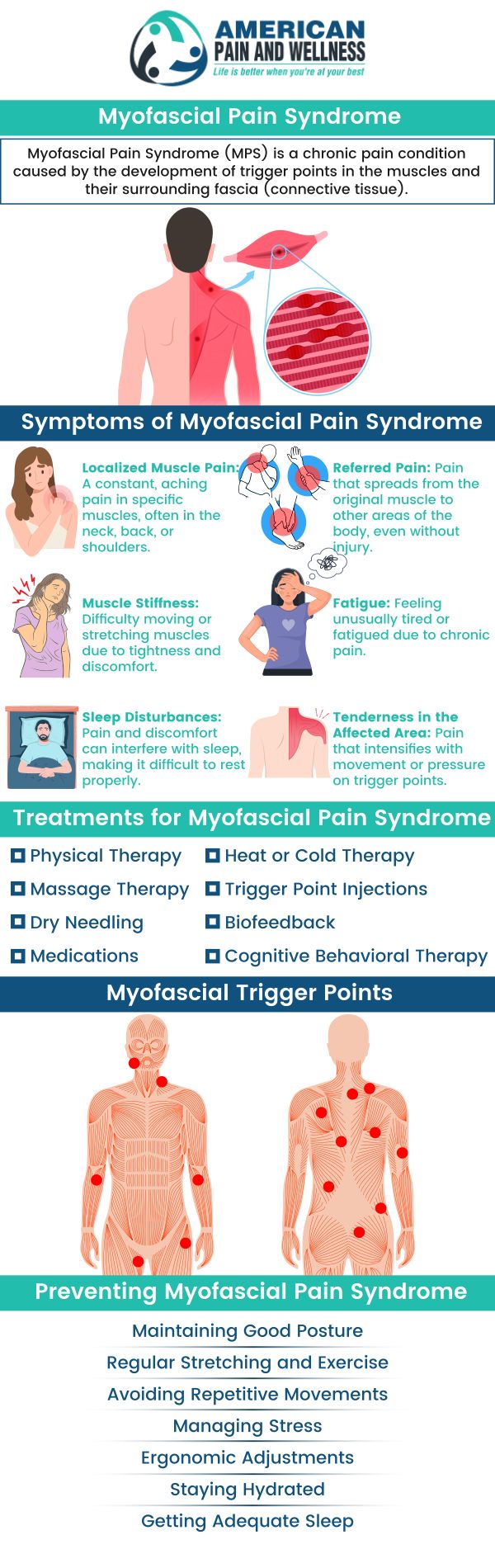
Week 1-2: Acute Pain Reduction
Focus on immediate relief through targeted trigger point deactivation, posture correction, basic stretching, and strategic heat/cold therapy. Most women experience noticeable improvement within this timeframe when consistently applying self-treatment techniques.
Week 3-6: Underlying Cause Correction
Address root causes through muscle strengthening, improved flexibility, ergonomic modifications, and stress management practices. This phase transforms temporary relief into lasting recovery by correcting the imbalances that created trigger points.
Week 7-12: Maintenance and Prevention
Prevent recurrence through consistent exercise routines, regular self-care sessions, lifestyle modifications, and periodic professional maintenance. Women who establish this maintenance phase rarely experience chronic trigger point issues.
When Professional Help Becomes Essential
Seek immediate consultation if:
– Pain persists beyond 2 weeks despite home treatment
– Severe pain disrupts sleep or daily activities
– Numbness or weakness develops in arms
– Pain follows recent injury or trauma
Effective professional treatment options include:
– Physical therapy: 6-12 sessions typically needed
– Trigger point injections: For persistent trigger points
– Dry needling: Effective for deep, stubborn trigger points
– Comprehensive massage therapy: Focus on myofascial release
Your Action Plan for Lasting Relief
Myofascial trigger points female upper right back pain responds exceptionally well to targeted treatment when addressed consistently. Remember that trigger points rarely exist in isolation—treating primary trigger points often resolves satellite points automatically.
Your immediate action steps:
1. Identify which specific muscles contain your trigger points through self-palpation
2. Begin daily self-treatment protocol using wall ball release and targeted stretches
3. Make necessary ergonomic changes to your workstation and daily activities
4. Establish a consistent maintenance routine with strengthening and stretching
5. Schedule professional help if self-treatment fails after 2 weeks
Most women experience significant improvement within 4-6 weeks of consistent treatment. The key lies in addressing both the trigger points themselves and their underlying causes—poor posture, repetitive strain, and stress. With proper treatment and prevention strategies, you can eliminate upper right back pain and prevent its return. Start today with gentle self-massage and stretching—your future self will thank you for taking action now rather than letting these trigger points become chronic problems.