
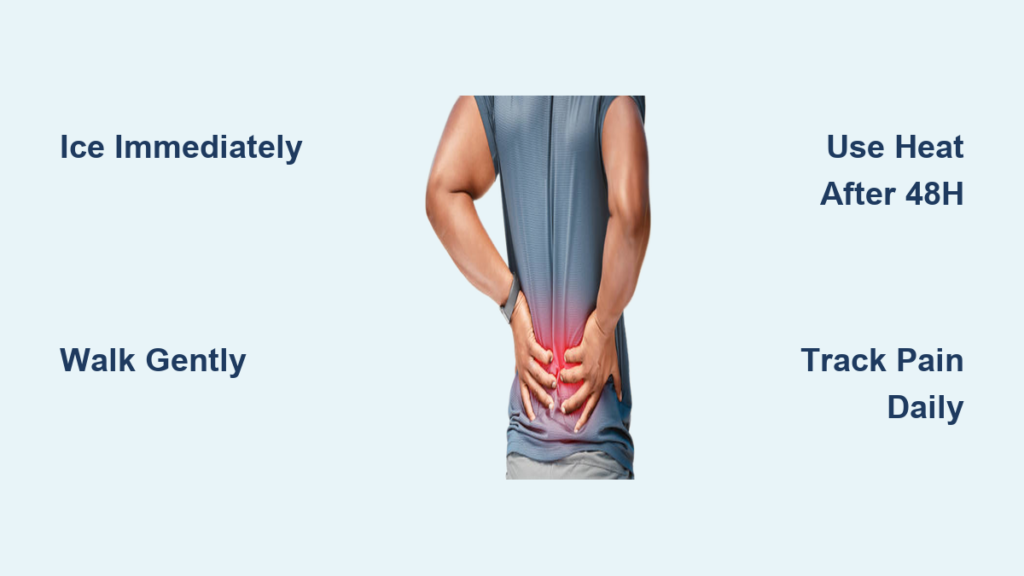
You bent down to pick up your child and felt that stabbing pain shoot through your lower back. Or maybe you woke up this morning and couldn’t stand straight. Sudden back pain affects 80% of adults at some point, often striking without warning—but you can take control right now. This guide walks you through proven first-hour tactics, week-one recovery moves, and long-term prevention that actually work. Most cases resolve within 4-6 weeks, but your actions in the first 48 hours determine whether you’ll be in the 80% who heal quickly or the 20% who develop chronic issues.
First 48 Hours: Stop the Pain Spiral Before It Spreads
Ice Protocol for Maximum Inflammation Reduction
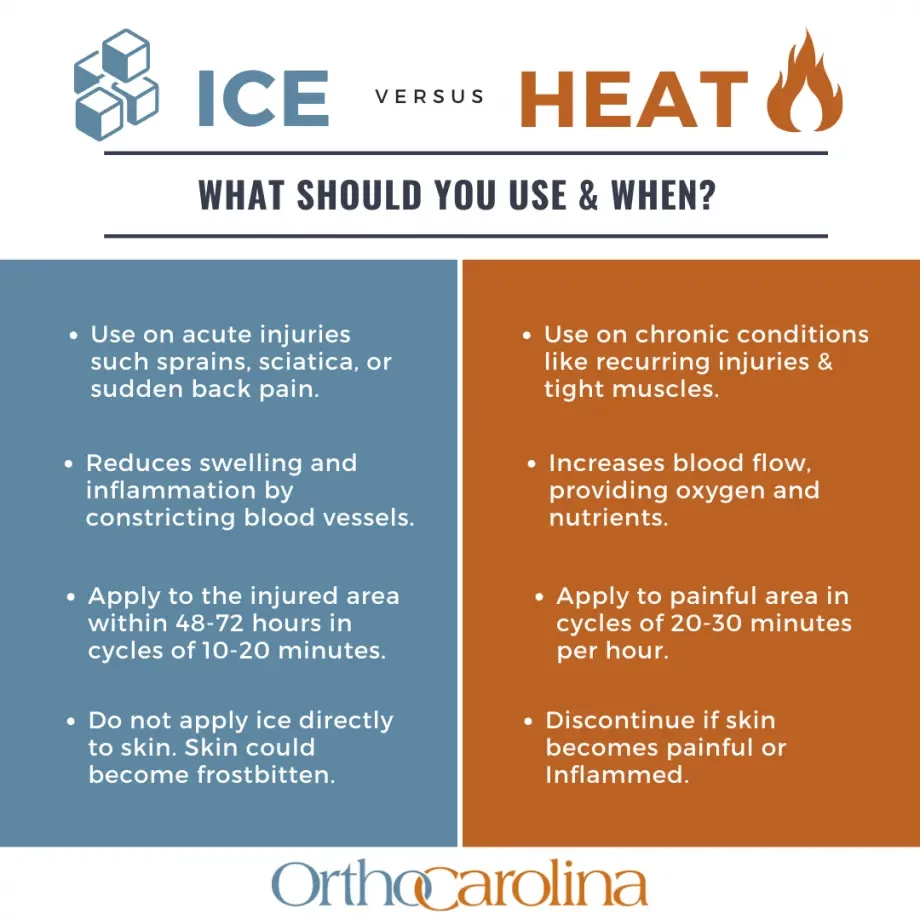
Apply ice for 20 minutes every 2-4 hours during the first 48 hours. Wrap the ice pack in a thin towel—never place it directly on your skin. The cold constricts blood vessels, reducing inflammation that causes sharp pain with every movement. Set a timer to avoid frostbite. For best results, combine ice with gentle movement: after each session, walk for 3-5 minutes to prevent stiffness without aggravating the injury. Stop icing if your skin becomes numb or develops white patches.
Medication Timing That Prevents Pain Peaks
| Drug | Dose | When to Take | Max Daily |
|---|---|---|---|
| Ibuprofen | 400–600 mg | With food every 6–8 h | 2400 mg |
| Acetaminophen | 500–650 mg | Every 4–6 h | 3000 mg |
| Topical gel | Dime-sized amount | After ice/heat | 4× daily |
Pro tip: Alternate ibuprofen and acetaminophen every 3 hours for round-the-clock relief without exceeding limits. Take your first dose as soon as pain strikes—waiting until pain peaks makes it harder to control.
Sleep Positions That Accelerate Healing Overnight
Side-sleepers: Place a firm pillow between your knees to maintain hip alignment and reduce spinal stress.
Back-sleepers: Slide a pillow under your knees—this flattens your lumbar curve and takes pressure off compressed discs.
Stomach-sleepers: This position twists your spine—avoid it completely during recovery. If you must sleep this way, place a thin pillow under your pelvis to minimize strain. Your mattress matters too—replace it if it sags or is older than 8-10 years.
Red Flag Symptoms: Emergency Signs You Can’t Ignore

When to Call 911 Immediately
- Loss of bladder or bowel control (even slight leakage)
- Numbness in groin area (“saddle anesthesia”)
- Fever above 100.4°F with back pain
- Foot drop (inability to lift your foot when walking)
- Severe pain after major trauma like a fall or car accident
These symptoms signal cauda equina syndrome, infection, or fracture—conditions requiring same-day medical care. Don’t wait to see if it improves; these emergencies can cause permanent damage within hours.
Day 1-3 Movement Strategies That Prevent Stiffness
5-Minute Walk Technique for Pain-Free Mobility
Start with 5-minute walks every 2 hours, even if it hurts slightly. Walk to your mailbox, around your kitchen, or pace your hallway. Movement prevents muscle spasms from locking your spine into painful positions. Keep your steps small, stand tall, and avoid twisting. If walking worsens pain, try marching in place while holding onto a counter for support. The goal isn’t exercise—it’s preventing your back from “freezing” in a painful position.
Knee-to-Chest Stretch for Immediate Relief
- Lie on your back, knees bent, feet flat on the floor
- Gently pull one knee toward your chest with both hands
- Hold for 5 seconds while breathing deeply
- Release slowly and repeat 3 times each leg, then both legs together
Stop immediately if pain shoots down your leg—this indicates possible nerve compression. Perform this stretch first thing in the morning when stiffness is worst and before bed to relax muscles.
Week 1 Recovery Plan: Restore Function Without Re-Injury

Exercise Progression That Matches Your Healing Stage
| Day 1–3 | Day 4–7 | Week 2+ |
|---|---|---|
| Walk 5 min | Walk 10–15 min | Walk 20–30 min |
| Knee-to-chest | Add cat-camel | Add bridges |
| Ice/heat | Primarily heat | Heat before movement |
Critical transition point: On day 3, switch from ice to heat therapy. Apply a heating pad for 20 minutes three times daily to increase blood flow and deliver healing nutrients to damaged tissues. Heat before stretching for maximum effectiveness.
Bridge Exercise to Stabilize Your Core Fast
- Lie on your back with knees bent and feet hip-width apart
- Tighten your abs and glutes (imagine zipping up tight jeans)
- Lift your hips until your body forms a straight line from shoulders to knees
- Hold for 3 deep breaths, then slowly lower
- Start with 5 repetitions, building to 15 as pain decreases
Common mistake: Arching your lower back at the top position. Keep your core engaged throughout the movement—your hips should rise straight up, not tilt forward.
Daily Pain Tracking That Reveals Hidden Patterns
Printable Log Template for Faster Recovery
| Date | Pain 0-10 | Activity | Meds Taken | What Helped |
|---|---|---|---|---|
| 6/15 | 7 | Walked 5 min | Ibuprofen 600 mg | Ice pack |
| 6/16 | 5 | Stretches | None | Heat + bridge |
This simple tracking reveals triggers you might miss—like specific movements or times of day when pain peaks. Share this log with your doctor if pain persists beyond two weeks. Most people discover patterns within 3 days that help them avoid re-injury.
Ergonomic Fixes That Prevent Recurrence Immediately
Office Setup Checklist for Pain-Free Workdays
- Monitor: Top edge at eye level to prevent forward head posture
- Chair: Adjust lumbar support to touch your lower back curve
- Feet: Flat on floor with thighs parallel to the ground
- Breaks: Set a phone timer for every 30 minutes to stand and stretch
Pro tip: Place your water bottle on the floor instead of your desk—bending to drink regularly prevents prolonged sitting.
Proper Lifting Technique That Protects Your Spine
- Feet: Wider than shoulder-width for stable base
- Knees: Bend deeply, not at the waist (hip hinge)
- Load: Hug objects close to your body
- Turn: Pivot your whole body—never twist while holding weight
Remember: Every pound you carry adds 4 pounds of pressure to your lumbar discs. For a 10-pound grocery bag, that’s 40 pounds of spinal load!
When to See a Professional for Lasting Relief
Appointment Criteria That Prevent Chronic Pain
Schedule a visit if:
– Pain unchanged after 2 weeks of consistent home care
– Leg pain worse than back pain
– Numbness or tingling traveling below your knee
– Difficulty walking more than a block without stopping
What to expect: Your doctor will perform a straight-leg raise test (gently lifting your leg while you lie flat) to check for nerve compression. Imaging like X-rays or MRI is rarely needed before 4-6 weeks unless red flags appear.
Long-Term Prevention That Cuts Recurrence Risk in Half
Core-Strengthening Routine (3× Weekly)
- Bird-dogs: 10 reps each side (on hands and knees, extend opposite arm/leg)
- Modified planks: 3× 20-second holds (on forearms and knees)
- Wall sits: 3× 30 seconds (back flat against wall, knees bent at 90°)
Lifestyle multipliers:
– Weight: Losing 10 pounds removes 40 pounds of spinal load
– Smoking: Quit—nicotine reduces blood flow to spinal discs by 30%
– Stress: 5-minute breathing exercises reduce muscle tension by 25%
Fact: 25–62% of people experience another episode within two years. Consistent core strengthening cuts your risk in half.
Final Recovery Timeline: What to Expect Week by Week
- Day 1: Ice every 2 hours, short walks, sleep with pillow support
- Day 3: Switch to heat, add gentle stretches like knee-to-chest
- Week 1: Increase walking duration, begin bridge exercises
- Week 2–4: Gradual return to normal activities with no heavy lifting
- Month 2+: Maintain core strength and ergonomic habits daily
Most sudden back pain resolves within 4–6 weeks with proper care. Your first 48 hours of treatment determine your recovery speed—ice early, move gently, and track your progress. If red flags appear or pain persists beyond two weeks, professional help prevents long-term problems. Start with these immediate actions today—your future self will thank you.