
That familiar ache between your shoulder blades strikes again—whether you’re hunched over your laptop, lifting groceries, or simply trying to find a comfortable sleeping position. Back shoulder blade pain affects millions daily, turning simple movements into painful reminders that something’s not quite right. The good news? Most cases respond well to targeted home treatment, and you can start feeling relief within days.
This guide walks you through proven strategies to eliminate shoulder blade pain, from immediate relief techniques to long-term prevention strategies. You’ll learn exactly what’s causing your discomfort, how to treat it effectively at home, and when it’s time to seek professional help.
Pinpoint Your Shoulder Blade Pain Type
Muscle Knots vs. Nerve Pain Identification
Your shoulder blade connects to your spine through three critical muscle groups: rhomboids, middle trapezius, and lower trapezius. When these muscles develop knots or tension, you’ll feel deep, aching pain that worsens when reaching behind your back or lifting objects. Muscle-related pain typically improves with heat therapy and massage.
Nerve-related pain feels distinctly different—sharp, burning sensations that may radiate down your arm or across your chest. This type often stems from inflamed nerves, herniated discs, or pinched nerves in your cervical spine. Unlike muscle pain, nerve-related discomfort may include tingling or weakness in your arms and won’t respond as well to typical muscle treatments.
Danger Signs Requiring Immediate Medical Care
Call 911 if your shoulder blade pain accompanies chest pain, shortness of breath, or dizziness—these could signal heart attack or other serious conditions. Seek emergency care for sudden weakness in arms or legs, unexplained weight loss, or pain that worsens dramatically at night. Left shoulder blade pain in particular can sometimes indicate cardiac issues, especially when combined with jaw pain or nausea.
Start This Immediate Pain Relief Routine

Smart Resting Strategy for Upper Back Pain
Stop activities that aggravate your pain for 24-48 hours, but avoid becoming completely sedentary. Prolonged sitting actually worsens upper back pain. Instead, take movement breaks every 30 minutes—stand up, roll your shoulders, and perform gentle stretches before returning to your task. This “active rest” approach maintains circulation while preventing further strain.
Ice and Heat Therapy Timing Guide
Start with ice for the first 24 hours. Wrap ice packs in cloth and apply for 15-20 minutes, allowing at least 2 hours between sessions. Ice reduces inflammation and numbs sharp pain effectively. After 48 hours, switch to heat therapy. Apply a heating pad or warm compress for 15-20 minutes per treatment, maximum once every 2 hours. Heat relaxes tight muscles and improves blood flow to promote healing. Many people find alternating hot and cold packs provides optimal relief—try 10 minutes of heat followed by 5 minutes of cold for best results.
Medication Selection for Back Pain
Over-the-counter anti-inflammatories like ibuprofen (Advil, Motrin) or naproxen (Aleve) reduce both pain and inflammation. Acetaminophen (Tylenol) blocks pain signals but doesn’t address inflammation. Never exceed recommended dosages, and consult your doctor if you take other medications or have health conditions. Never combine multiple pain medications without medical guidance, as this can cause serious side effects.
Targeted Self-Massage Techniques That Work
Tennis Ball Precision Trigger Point Release
Lie on your back with a tennis ball positioned between your shoulder blade and spine. Gently roll your body until you locate the most tender spot—the trigger point causing your pain. Lower your body weight onto the ball for 30-60 seconds, breathing deeply. Move to additional trigger points, spending 2-3 minutes total per session. You’ll know you’ve found the right spot when the pain feels familiar but not sharp—like “good pain” that releases tension.
Wall Foam Rolling Method for Upper Back
Place a foam roller between your back and a wall at chest level. Slowly roll side-to-side and up-and-down, focusing on areas between your shoulder blades. When you find a tight spot, pause and apply gentle pressure for 30 seconds. Perform this once or twice daily for best results. Warning: Avoid rolling directly over your spine—keep the roller positioned between your shoulder blades and the outer edge of your back.
Essential Stretching Sequence for Shoulder Blade Pain
Rhomboid Stretch Protocol
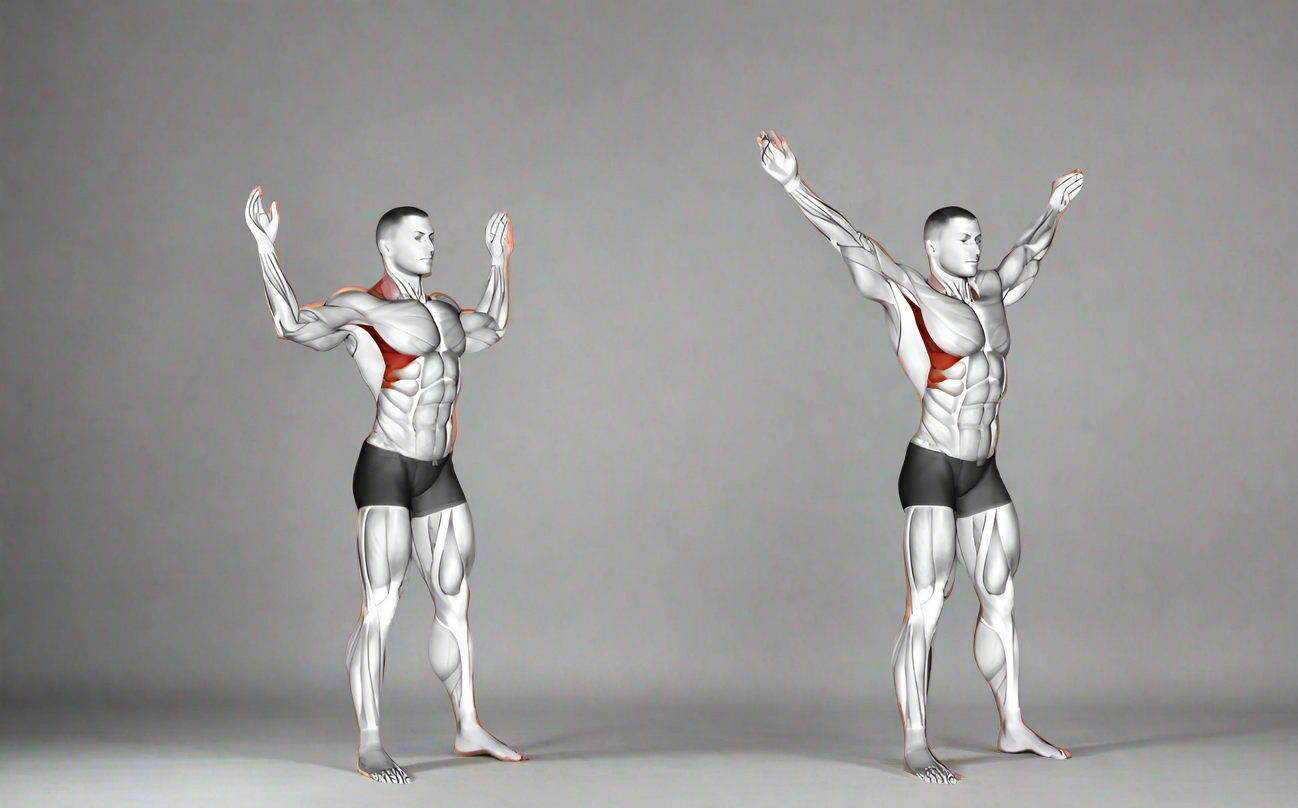
Lower Neck and Upper Back Stretch: Sit or stand tall, clasp your hands at shoulder height. Drop your chin toward your chest while reaching forward, rounding your upper back and pulling your shoulder blades apart. Hold for 15-30 seconds, repeat 2-4 times. This stretch specifically targets the muscles most commonly causing shoulder blade pain.
Triceps Stretch: Reach your affected arm straight up, bend the elbow, and reach your hand down behind your back. Apply gentle pressure with your opposite hand. Hold 15-30 seconds, repeat 2-4 times per arm. This stretch addresses the often-overlooked triceps connection to shoulder blade tension.
Chest Opening Stretches to Counteract Slouching
Doorway Chest Stretch: Stand in a doorway with arms at 90 degrees, palms on doorframe. Step forward gently until you feel a stretch across your chest and front shoulders. Hold 20-30 seconds per side. This stretch is crucial for counteracting the forward head posture that creates shoulder blade tension.
Goalpost Stretch: Lie on your back with arms forming L-shapes at 90 degrees. Let gravity pull your arms toward the floor, opening your chest. Start with 15-30 second holds, progressing to 2-5 minutes as flexibility improves. When you can hold this position for 2 minutes comfortably, perform it just once per session for maintenance.
Strengthening Exercises for Permanent Relief
Shoulder Blade Squeeze Progression Plan
Sit or stand straight with arms at your sides. Squeeze your shoulder blades down and together, holding for 6 seconds before relaxing. Perform 8-12 repetitions, focusing on quality over quantity. This fundamental exercise strengthens the exact muscles supporting your shoulder blades. Once comfortable with basic squeezes, add resistance by holding light weights (1-2 pounds) in each hand while performing the exercise.
Resistance Band Routine for Upper Back Stability
Chest-Level Pulls: Hold a resistance band shoulder-width apart at chest level. Pull straight out to your sides, squeezing your shoulder blades together. Hold 1-2 seconds, return slowly. Complete 8-12 repetitions. This exercise specifically targets the rhomboids that stabilize your shoulder blades.
Overhead Pull-Downs: Anchor a band above head level. Start with arms up and apart, then pull down to a “goalpost” position with hands at chin level. This targets your lower trapezius muscles crucial for shoulder stability. Perform this exercise daily for maximum benefit in fixing shoulder blade pain.
Fix Your Workspace to Prevent Future Pain

Computer Setup Adjustments That Work
Position your computer monitor at eye level to prevent forward head posture. Keep your keyboard and mouse within easy reach, maintaining neutral wrist positions. Use a chair with proper lumbar support, and take standing breaks every 30-60 minutes. Pro Tip: Set phone alarms to remind you to check your posture throughout the workday—most people don’t realize they’ve slouched until pain returns.
Daily Posture Correction Techniques
Be mindful of phone use—avoid cradling your phone between ear and shoulder. Instead, use a headset for extended calls. When walking, keep your shoulders back and spine straight, avoiding the hunched posture that creates shoulder blade tension. Practice the “wall test” daily: stand with your back against a wall, heels 2 inches away. Your head, shoulder blades, and buttocks should all touch the wall—this is proper standing posture.
Know When to Seek Professional Help
Home Treatment Failure Timeline
If pain persists beyond 6-8 weeks despite consistent home treatment, consult a healthcare provider. Physical therapists create personalized exercise programs addressing your specific muscle imbalances. Chiropractors perform spinal adjustments to improve alignment and reduce nerve compression. Don’t wait longer than 8 weeks—prolonged pain can lead to compensatory movement patterns that create additional problems.
Advanced Treatment Options Worth Considering
For persistent cases, doctors may recommend corticosteroid injections to reduce inflammation around irritated nerves or trigger points. In rare cases involving structural issues like herniated discs, surgical consultation might be necessary. Alternative therapies like acupuncture or myofascial release often provide significant relief when traditional methods fail for chronic shoulder blade pain.
Create Your Shoulder Blade Pain Recovery Plan
Week-by-Week Recovery Milestones
Week 1-2: Acute Phase – Focus on rest from aggravating activities, ice/heat therapy, and gentle stretching. Most people experience 30-50% pain reduction within the first week when following proper protocols.
Week 3-6: Recovery Phase – Gradually add strengthening exercises and increase stretching duration. This is when posture correction becomes critical—poor habits during recovery often cause pain to return.
Month 2+: Maintenance Phase – Continue your exercise routine 2-3 times weekly while maintaining daily stretching. Most people achieve full recovery within 6-8 weeks, though lifestyle factors and job demands affect individual timelines.
Most shoulder blade pain resolves within 6-8 weeks with consistent home treatment. Start with the immediate relief strategies, progress through stretching and strengthening phases, and maintain good posture habits long-term. Remember—persistent pain, neurological symptoms, or chest discomfort warrants immediate medical evaluation. Your path to pain-free movement begins today with these proven techniques to fix back shoulder blade pain.