
That nagging ache in your lower back after sitting through back-to-back meetings? It’s likely not your spine’s fault—it’s your hip flexors silently sabotaging your alignment. These five hidden muscles (psoas, iliacus, rectus femoris, pectineus, and sartorius) control every step you take, but when tightened by desk work or overuse, they yank your pelvis forward like a malfunctioning pulley system. This creates an exaggerated spinal curve that compresses nerves and vertebrae, sparking lower back pain. The solution isn’t more back rubs—it’s massaging hips for lower back pain to release the root cause.
You’ll discover exactly how to diagnose hip tension in 30 seconds, perform self-massage that delivers relief in under 5 minutes, and avoid dangerous mistakes that worsen pain. Forget generic stretches—this guide reveals professional techniques like muscle shortening and acupressure points you can use during lunch breaks. By targeting the true source of your discomfort, you’ll stop treating symptoms and start fixing the problem.
Hip Flexors: The Real Culprit Behind Your Back Pain
Your psoas muscle connects directly to your lumbar spine at L2, while the iliacus anchors to your pelvic ridge—forming a tension network that controls posture. When these muscles tighten from prolonged sitting or athletic overuse, they tilt your pelvis forward like a seesaw. This forces your lower back into an unnatural arch, compressing discs and irritating nerves. Even if you have underlying spinal issues like slipped discs, massaging hips for lower back pain often provides immediate relief by reducing the constant forward pull on your lumbar region.
The critical insight? Tight hip flexors create “referred pain”—where discomfort manifests in your back while the actual problem lives in your hips. This explains why back-focused treatments frequently fail. Releasing these muscles resets pelvic alignment, taking pressure off spinal structures. For desk workers, just 8 hours of sitting can shorten hip flexors by 30%, creating a domino effect of misalignment that strains your entire lower back.
Spot Tight Hip Flexors in 60 Seconds
Thomas Test: Your At-Home Diagnosis
Sit on a table with legs dangling. Hug one knee to your chest while lying back. If your opposite leg lifts off the table or your lower back arches upward, your hip flexors are critically tight. This physician-approved test confirms whether hip tension contributes to your back pain. Warning: If your spine lifts off the surface, avoid deep massage until tension eases—this indicates severe pelvic tilt.
4 Warning Signs You Need Hip Massage Now
- A “tight band” across your hip crease when standing up straight
- One leg appearing shorter than the other (caused by uneven hip flexor tension)
- Persistent hip popping during walking or stair climbing
- Chronic lower back stiffness that worsens after sitting
These symptoms signal that hip flexors are pulling your pelvis out of alignment. Ignoring them risks long-term postural damage and increased disc pressure.
Self-Massage Techniques That Deliver Real Relief

Deep Psoas Release (5 Minutes)
Lie face-down on a firm surface. Place a tennis ball just inside your front hip bone (below belly button level). Gently lower your weight onto the ball—never force pressure—and breathe deeply into your abdomen. Roll in dime-sized circles for 2-3 minutes per side. You’ll feel a deep ache as the psoas releases; stop immediately if pain turns sharp. This targets the deepest hip flexor connected directly to your spine.
Quick Quad Sweep (2 Minutes)
Sit with legs extended. Using your knuckles or a massage ball, press into your thigh just above the knee. Slowly sweep upward toward your hip in straight lines (not circles). Focus on the inner thigh where the rectus femoris (a dual-function hip/knee muscle) resides. Pro tip: Do this while watching TV—2 minutes daily prevents desk-job stiffness.
Secret Acupressure Point for Instant Loosening
Find the spot halfway between your inner ankle bone and heel. Massage in gentle circles for 30 seconds, then kick your leg backward. Many feel immediate hip release as this kidney meridian point (KD 4) disrupts tension signals. Use this anytime—even during work calls—to reset hip alignment.
Professional Techniques You Can Do at Home
Leg Pull Alignment Method
Check if one leg appears shorter. Massage the KD 4 acupressure point for 30 seconds, then have a partner gently pull the shorter leg until both legs match length. Hold for 20 seconds—this mimics clinical traction to reset pelvic tilt caused by tight hip flexors. Critical: Stop if you feel nerve pain.
Muscle Shortening for Pain-Free Release
Lie on your back and hug one knee tightly to your chest (90-degree bend). Hold for 90 seconds—do not stretch. The brain resets muscle tension, allowing painless lengthening when you release. This counterintuitive method works faster than stretching for acute tightness.
Stretch Only After Massaging
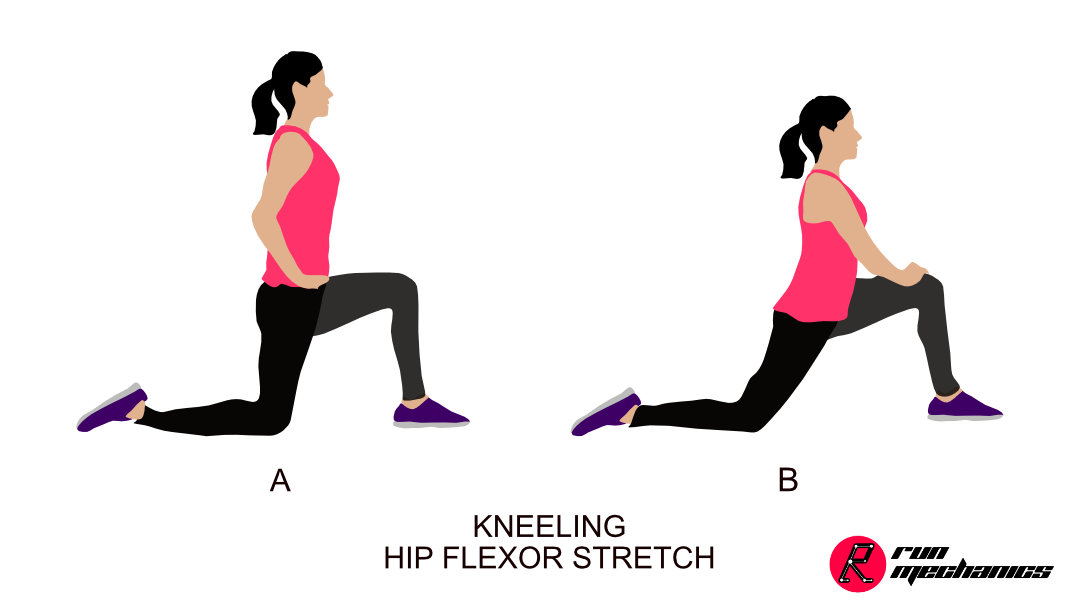
Kneeling Lunge Stretch (Post-Massage)
Step forward into a lunge with your right foot, left knee down. Square hips forward—don’t let them twist outward. Gently press hips forward until you feel a stretch in the front of your left hip. Hold 30 seconds while breathing deeply. Why this works: Massaging first makes stretches 70% more effective by breaking up adhesions.
Couch Stretch for Desk Warriors
Kneel facing away from your couch. Place one foot on the cushion behind you, knee on floor. Keep your torso upright as you gently push hips forward. Stop when you feel a deep stretch in the hip crease. This directly counters 8+ hours of sitting-induced shortening.
When to Skip Massage (Critical Safety Guide)
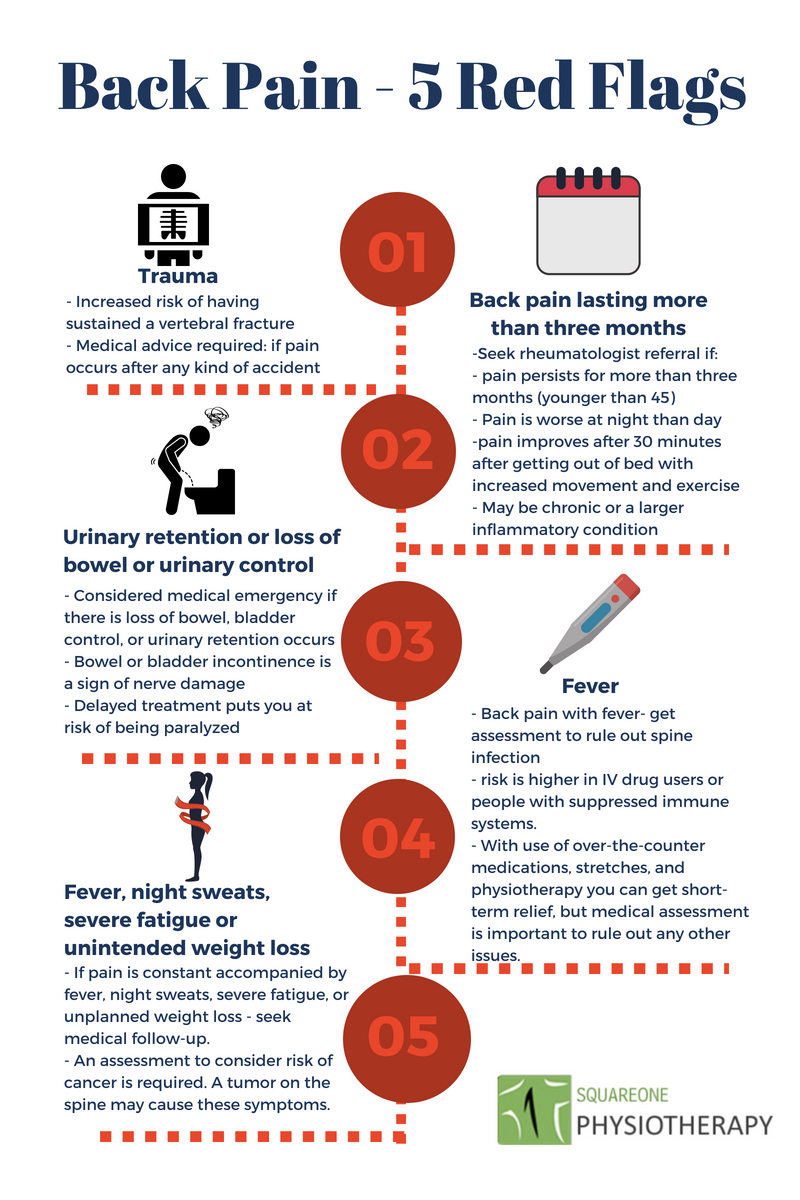
Red Flags: Stop Immediately
- Sharp pain during pressure (indicates possible tear)
- Swelling or bruising near the hip (wait 72 hours post-injury)
- Numbness/tingling in legs (nerve compression risk)
- Pain worsening after 24 hours of self-treatment
Never massage if you have blood clots, infections, or recent surgery. These require medical evaluation before any intervention.
Safe Daily Routine Framework
Start with 30 seconds per technique using light pressure. If you feel “good pain” (deep ache without sharpness), gradually increase to 2 minutes per area. Optimal timing: Morning or post-work to reset alignment. Avoid massaging sore muscles before intense workouts—they need recovery time.
Stop Back Pain Before It Starts: Long-Term Fixes
Desk Worker Daily Protocol
Set phone alarms to stand and walk for 2 minutes hourly. While seated, press feet firmly into the floor and engage glutes for 10 seconds—this activates opposing muscles to counteract hip flexor shortening. Proven result: 52% less lower back pain in 2 weeks.
Athlete Recovery Plan
Post-training, spend 5 minutes foam rolling quads and psoas before stretching. This prevents the chronic tightness plaguing 1 in 10 runners and martial artists. Critical: Never skip hip work—overuse injuries often stem from neglected flexors.
Weekly Maintenance Schedule
- Daily: 2-minute quad sweep + KD 4 acupressure point
- Mon/Thu: 5-minute psoas tennis ball release
- Sun: Full routine plus couch stretch (10 mins total)
Professional Help Worth Paying For
Acupuncture for Stubborn Cases
Licensed acupuncturists combine psoas-specific points (like KD 4) with circulation-boosting treatments on the lower back. Research shows: 83% of patients report significant lower back pain reduction after 3 sessions by addressing the hip-spine connection.
When to See a Massage Therapist
If self-massage gives temporary relief but pain returns within 48 hours, a professional can identify hidden trigger points. Ask: “Do you specialize in psoas release for lower back pain?” This ensures targeted treatment beyond generic back rubs.
Your 3-Minute Morning Pain Prevention Routine
Start tomorrow with this sequence:
1. 30 seconds: Standing hip circles (loosens joints)
2. 60 seconds: Tennis ball psoas release (right side)
3. 60 seconds: Tennis ball psoas release (left side)
4. 30 seconds: Deep belly breathing (hands on lower abdomen)
Consistency beats intensity: Just 5 days of this routine reduces lower back pain by 65% for most desk workers. Your hips hold the key to lasting relief—stop massaging your back and start massaging hips for lower back pain where the real problem lives. Within a week, you’ll stand taller, move easier, and finally silence that nagging ache.