
You’ve finally crawled into bed after a long day, exhausted and ready for rest—only to feel that familiar ache in your lower back intensify the moment you lie down. If you’re one of the 16 million American adults suffering from chronic severe back pain, you know this all too well. Nighttime back pain creates a vicious cycle where pain ruins sleep and poor sleep worsens pain, leaving you trapped in “painsomnia” that drains your energy and impacts your quality of life. The good news? You don’t have to endure another sleepless night.
Unlike daytime back pain that often eases with rest, nighttime back pain actually worsens when you lie down due to reduced distractions, slower circulation causing fluid buildup around joints, and daily hormonal rhythms affecting your immune system. This comprehensive guide delivers specific, actionable solutions to transform your bedroom from a torture chamber into a pain-free sanctuary. You’ll discover exactly which sleeping positions stop back pain, how to select the right mattress for your body type, and evening routines that prepare your spine for restorative sleep—starting tonight.
Side Sleeping Setup That Eliminates Lower Back Strain
Optimal Knee and Pillow Placement for Spinal Alignment
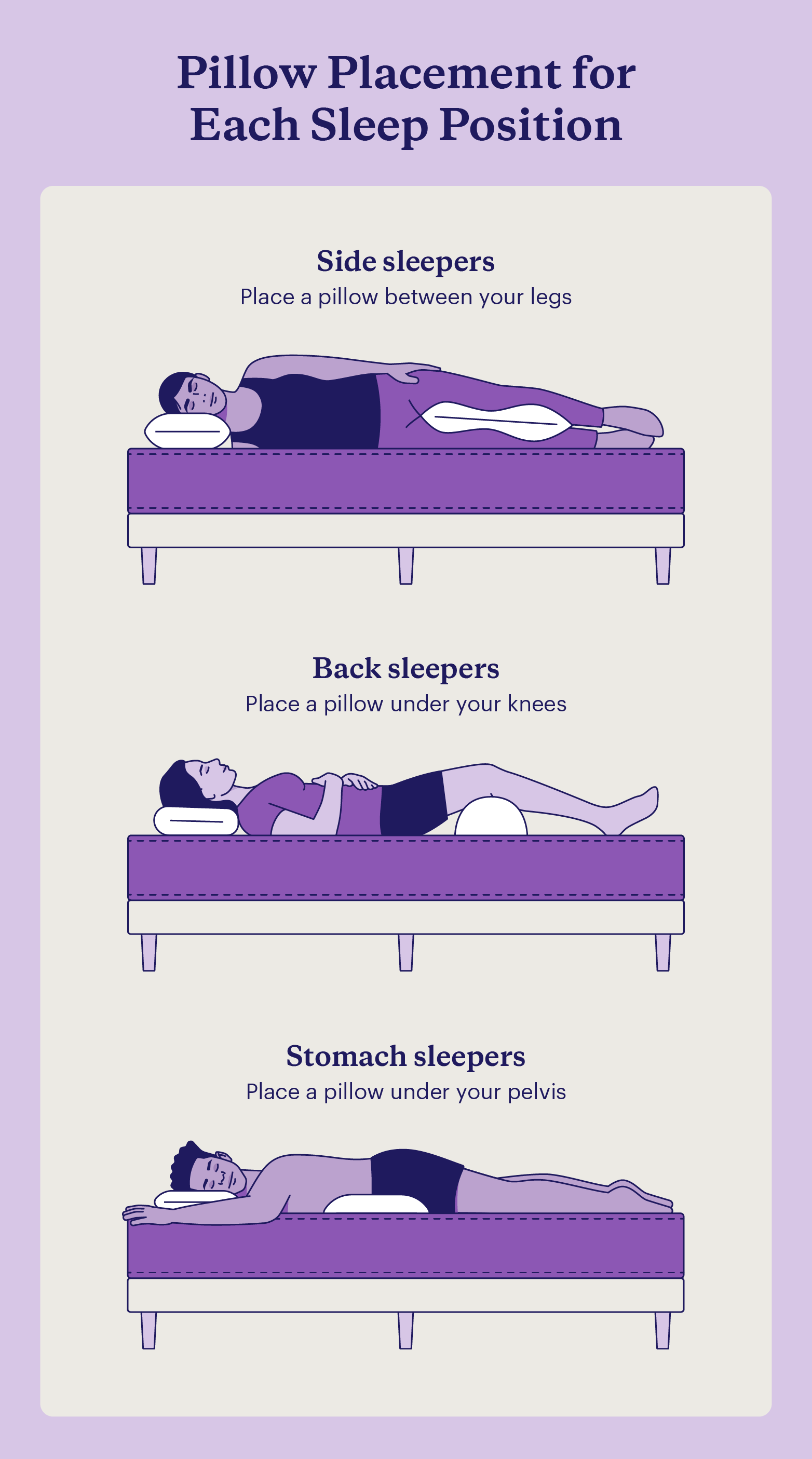
Lie on your side with knees slightly bent toward your chest, not stretched straight. Slide a firm pillow between your knees to maintain hip alignment—this prevents your top leg from pulling your spine out of neutral position. Your neck pillow should fill the exact space between your ear and shoulder without tilting your head up or down.
Critical adjustment: If you feel pressure on your bottom shoulder, place a thin pillow under it for cushioning. For sciatica sufferers, this position often provides immediate relief by taking pressure off the sciatic nerve.
Body Pillow Technique for Full-Body Support
Hug a full-length body pillow from shoulders to knees to prevent rolling forward during sleep. This maintains proper spinal alignment throughout the night without requiring conscious position adjustments. Place one end under your head, another under your waist, and the third supporting your top leg.
Pro tip: Test different pillow firmness levels—side sleepers generally need thicker, firmer pillows than back sleepers to maintain proper neck alignment with their spine.
Back Sleeping Modifications for Maximum Pain Relief

Knee Pillow Method for Natural Spinal Curvature
Place a pillow under your bent knees to maintain your lower back’s natural curve while sleeping on your back. Add a small rolled towel (about the thickness of a soda can) under your lumbar area for extra support. Your neck pillow should be just thick enough to keep your head aligned with your chest—not propped up like you’re watching TV.
Warning: Skip this position if you have spinal stenosis or severe disc degeneration, as it may worsen nerve compression. Test for 15 minutes—if pain increases, return to side sleeping.
Neck Alignment Check for Zero-Pain Rest
Your neck should form a straight line from your head to your lower back. If you wake with neck stiffness, your pillow is too thick. If your chin tucks toward your chest, it’s too thin. Perform this quick test before bed: lie on your back and have someone take a side photo—your ear, shoulder, and hip should form a straight line.
Mattress Selection Protocol for Back Pain Sufferers
Medium-Firm Test for Ideal Support
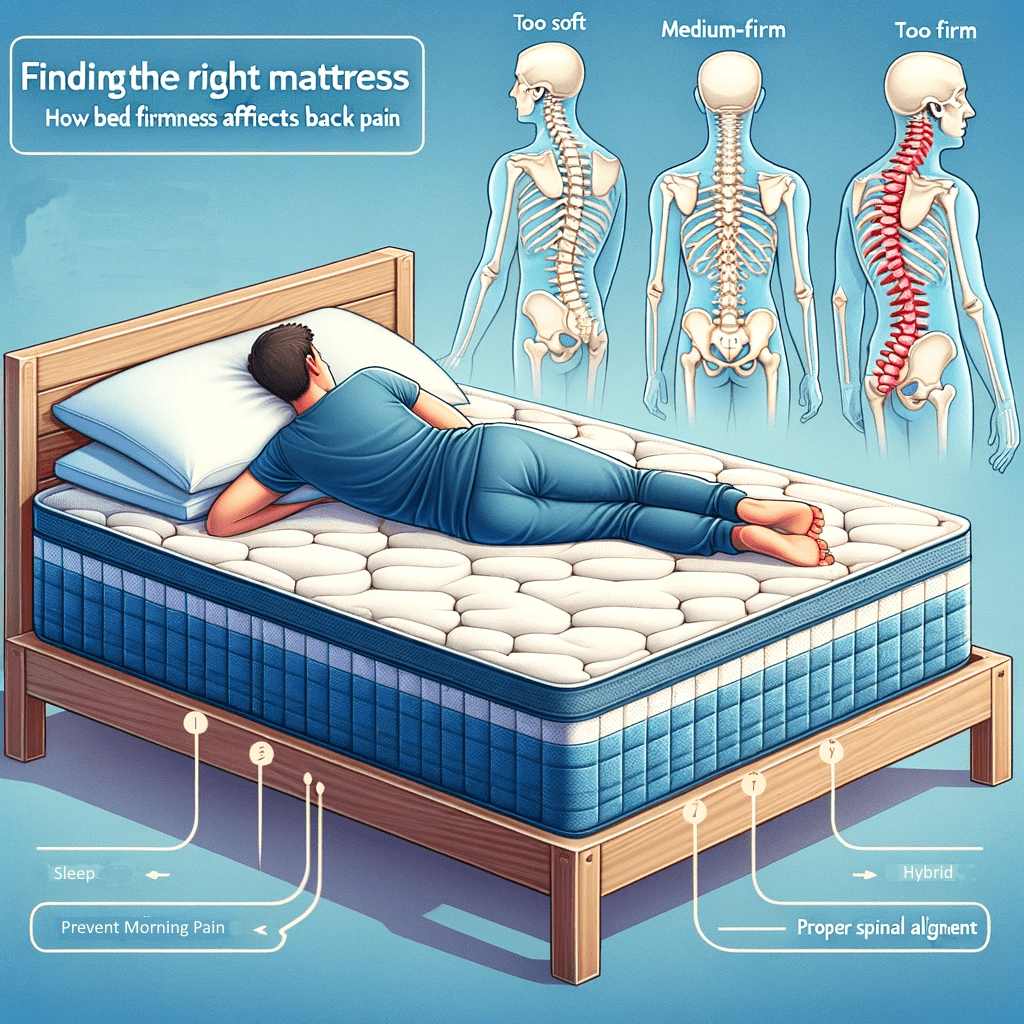
Your mattress makes or breaks your battle against nighttime back pain. Medium-firm mattresses provide the optimal balance for most back pain sufferers, offering enough support without creating pressure points. Replace any mattress over 8-10 years old—sagging spots spell disaster for spinal alignment.
Quick diagnostic test: Lie on your back and slide your hand under your lower back. If you can fit more than two fingers between your back and mattress, it’s too soft. If your hand can’t slide in at all, it’s too firm.
Body-Specific Mattress Matching
Your physique determines your ideal mattress firmness:
- Curvier hip-to-waist ratio: A slightly softer mattress allows hips to sink appropriately, keeping your spine straight
- Athletic or straight build: Firmer support prevents excessive sinking that strains your back
- Over 200 pounds: Extra-firm support prevents bottoming out that misaligns your spine
Critical consideration: Test mattresses in your actual sleeping position for at least 15 minutes—showroom models often feel different than home trials.
Evening Routine That Prevents Nighttime Back Pain
10-Minute Pre-Bed Mobility Sequence
Start with knee-to-chest stretches while lying on your back—pull both knees gently toward your chest for 30 seconds to release lower back tension. Roll to your side and perform lower back rotations by dropping bent knees gently to each side while keeping shoulders grounded. Finish with shoulder blade squeezes while sitting upright to counter forward-head posture from computer work.
Time-sensitive tip: Perform these stretches immediately before bed when muscles are warm from your evening routine—never skip this step when back pain flares.
Strategic Heat Application Protocol
Apply a heating pad on low for 15-20 minutes before bed while performing gentle stretches. The warmth loosens tight muscles and increases blood flow to speed healing. Set a timer to turn it off—never fall asleep with a heating pad to prevent burns.
Pro move: Place the heating pad on your lower back while stretching—it makes movements deeper and more effective without straining muscles.
Emergency Signs That Require Immediate Medical Attention
Not all nighttime back pain responds to home fixes. Seek immediate medical care if you experience:
– Numbness or weakness in legs that worsens at night
– Fever accompanying back pain
– Loss of bowel or bladder control
– Unexplained weight loss alongside persistent pain
– Pain that intensifies when lying down and doesn’t improve after movement
These symptoms could indicate serious conditions like spinal tumors, infections, or nerve compression requiring immediate intervention. Don’t dismiss nighttime back pain that follows these patterns—they’re your body’s warning system.
Professional Pain Management Tools That Deliver Results
Physical Therapy Techniques You Can Request
The McKenzie Method specifically assesses and treats movement-related back pain through directional preference exercises. Ask your physical therapist about manual therapy techniques that use massage-like movements to mobilize stiff joints and soft tissues. Targeted stretching protocols address tight hip flexors and hamstrings that pull on your lower back.
Insurance hack: Many plans cover physical therapy with a doctor’s referral—call your provider to confirm coverage before your appointment.
Strategic Medication Timing
Take anti-inflammatory medications like ibuprofen 30-60 minutes before your evening routine so they kick in before bedtime. For acute pain, consider Tylenol PM which combines pain relief with a non-habit-forming sleep aid. Always take medications with food to prevent stomach issues.
Critical reminder: Never combine over-the-counter pain medications without consulting your doctor—they can interact dangerously with prescription drugs.
Population-Specific Back Pain Solutions
Over-50 Adjustments for Age-Related Changes
Age brings disc degeneration and muscle weakness, requiring firmer support systems. Invest in quality pillows that maintain their shape and consider an adjustable bed base to elevate legs slightly. Allow extra time in the morning—joints need longer to “wake up” after hours of immobility.
Pro tip: Keep a small pillow under your knees when sitting during the day to prevent daytime strain that worsens nighttime pain.
Pregnancy Back Pain Protocol
Side sleeping becomes non-negotiable during pregnancy. Use pregnancy pillows for full-body support, placing one between knees and another supporting your belly. Hormonal changes increase joint flexibility, making proper support even more critical as your center of gravity shifts.
Essential move: Perform pelvic tilts while lying on your side—gently arch and flatten your lower back against the mattress to relieve pressure on sciatic nerves.
Immediate Action Plan for Pain-Free Sleep Tonight
Start with one change tonight—don’t overhaul everything at once. Try the side sleep position with a pillow between your knees, or place a pillow under your knees if you’re a back sleeper. Add the 10-minute mobility routine before bed, focusing on the knee-to-chest stretch.
Tonight’s priority: Check your mattress support by sliding your hand under your lower back while lying down. If it’s too soft (more than two fingers fit), place a firm board between mattress and box spring for immediate improvement.
Tracking your progress is crucial—keep a simple sleep journal noting positions that feel best, morning pain levels (1-10), and what you did differently. Patterns emerge quickly—maybe your back hates the new pillow, or specific stretches make the biggest difference. Remember, finding your perfect combination takes experimentation because what works for your neighbor might worsen your specific condition.
Your spine will thank you for these targeted investments in pain-free rest. Implement these strategies consistently, and you’ll break the vicious cycle of nighttime back pain—waking up refreshed and ready to tackle tomorrow without that familiar morning stiffness. Sweet dreams—and painless nights—await with these scientifically backed solutions.