
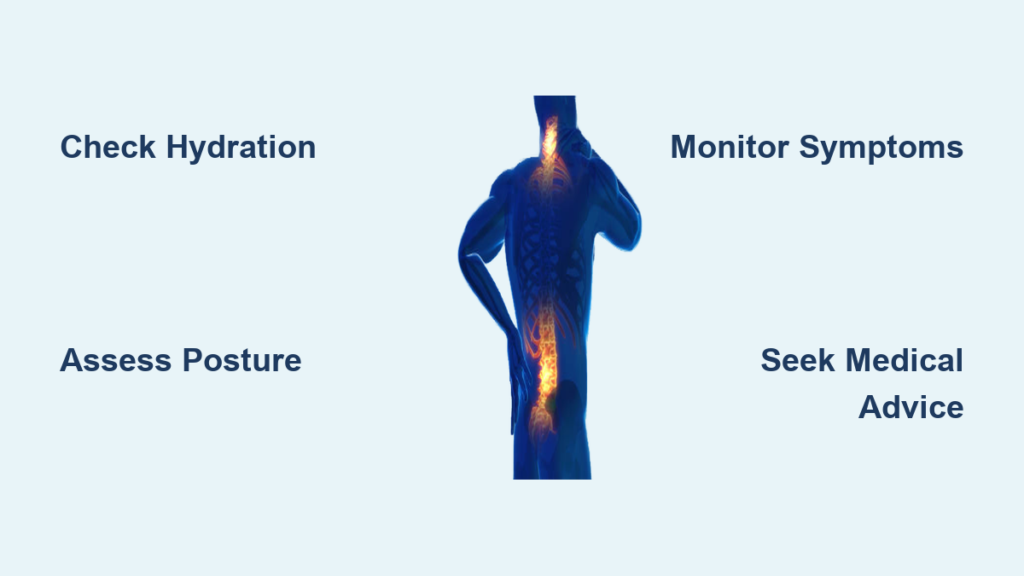
That nagging ache in your back might have you searching for answers—and you’re not alone. Many people wonder if skipping meals could be triggering their discomfort. While online discussions often connect hunger with back pain, the reality is more complex than viral posts suggest. Understanding what medical research actually says about this connection can save you from unnecessary worry or misguided treatments.
When you experience back pain alongside irregular eating habits, it’s natural to assume a direct cause-and-effect relationship. However, without evidence-based guidance, you might waste time addressing the wrong problem. This article examines what verified medical knowledge tells us about potential nutritional influences on back pain, helping you distinguish between myth and reality while providing practical steps for genuine relief.
Why the Hunger-Back Pain Connection Is Often Misunderstood
The belief that not eating directly causes back pain stems from oversimplified interpretations of how our bodies work. While certain nutritional factors can influence muscle function, the direct link between meal timing and back discomfort isn’t as straightforward as many blogs suggest. This confusion arises because multiple bodily systems interact in complex ways, making it difficult to isolate a single cause.
Your body maintains remarkable adaptability when food intake varies. Healthy individuals can typically go 12-24 hours without eating without experiencing significant physiological changes that would trigger back pain. The human body has evolved sophisticated mechanisms to maintain energy balance, including glycogen stores and metabolic adjustments that prevent immediate negative effects from occasional missed meals.
Common Misinterpretations of Physical Sensations
Many people mistake general discomfort from hunger for specific back pain. True hunger often manifests as stomach growling, mild headaches, or irritability—symptoms that can be misinterpreted as physical pain in other areas. When you’re focused on feeling unwell, your brain may amplify normal bodily sensations, making you more aware of existing minor aches that were previously unnoticed.
When Hunger Symptoms Mimic Back Problems
Low blood sugar can cause muscle weakness and fatigue that might feel like back strain. This generalized weakness affects your entire musculoskeletal system, potentially altering your posture and movement patterns. Poor posture from feeling lightheaded or fatigued could temporarily increase stress on your back muscles, creating discomfort that resolves once you’ve eaten and regained stability.
What Medical Research Actually Documents
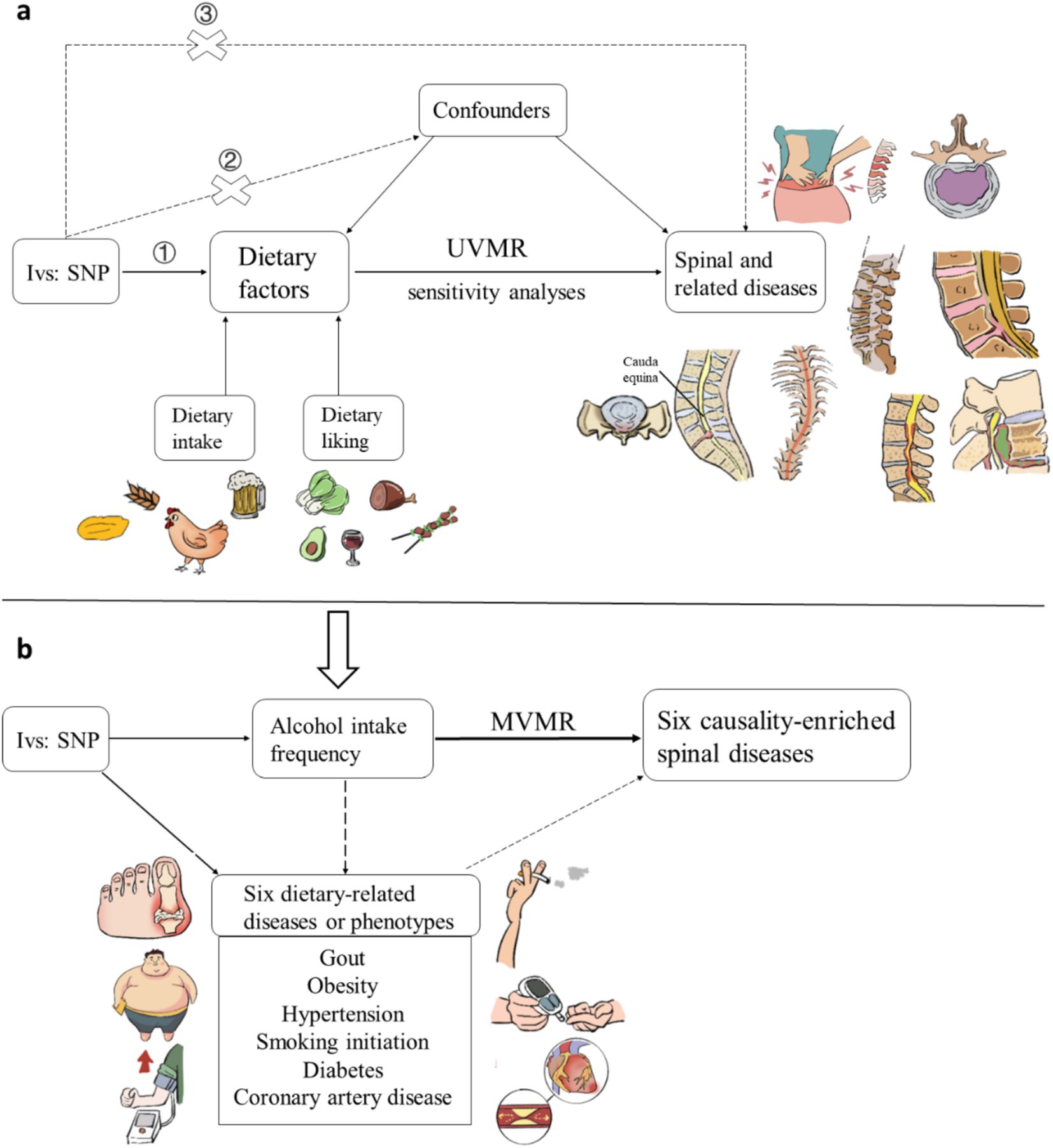
Despite widespread online claims, current medical literature doesn’t establish a direct causal relationship between simply not eating and developing back pain. Comprehensive reviews of back pain etiology focus primarily on mechanical, inflammatory, and neurological causes rather than meal timing as a primary factor.
Documented Nutritional Influences on Musculoskeletal Health
Chronic nutritional deficiencies—not temporary hunger—can potentially contribute to musculoskeletal issues over extended periods. Severe, prolonged malnutrition might lead to muscle wasting that affects postural support, but this differs significantly from occasionally skipping meals. Documented cases involve extreme, sustained caloric restriction rather than everyday meal pattern variations.
The Role of Hydration in Spinal Health
While not directly related to food intake, hydration status does impact spinal disc health. Intervertebral discs require adequate hydration to maintain their shock-absorbing properties. However, dehydration from insufficient fluid intake—not lack of food—is the primary concern here. You can eat regularly while still becoming dehydrated if you’re not drinking enough water.
Distinguishing Between Coincidence and Causation

Many people experience back pain during busy days when they also skip meals, creating a false impression of connection. Correlation doesn’t equal causation—both symptoms might stem from the same underlying factor like stress or poor sleep rather than one causing the other.
Tracking Pain Patterns Accurately
If you suspect your eating habits affect your back pain, document these details:
– Exact timing of pain onset relative to meals
– Specific location and character of pain
– Other symptoms occurring simultaneously
– Your stress levels and activity patterns
This information helps identify whether there’s a genuine pattern or if other factors like prolonged sitting or physical strain better explain your discomfort.
Common Alternative Causes Often Overlooked
Several more likely explanations for back pain frequently coincide with busy schedules that also lead to skipped meals:
– Extended periods of poor posture while working
– Reduced physical activity during stressful times
– Increased muscle tension from anxiety
– Sleep disturbances affecting pain perception
Practical Steps for Real Relief
Rather than focusing on unproven connections between hunger and back pain, address factors with documented impact on spinal health. These evidence-based approaches provide more reliable relief than adjusting meal timing alone.
Evidence-Based Pain Management Strategies
For immediate back discomfort:
– Apply heat therapy to relax tense muscles
– Perform gentle range-of-motion exercises
– Practice proper ergonomics during daily activities
– Consider over-the-counter pain relief if appropriate
Balanced Nutrition for Overall Musculoskeletal Support
While not a direct back pain solution, consistent healthy eating supports overall body function:
– Maintain regular meal patterns to support energy levels
– Ensure adequate protein intake for muscle maintenance
– Stay properly hydrated throughout the day
– Include calcium and vitamin D for bone health
When to Consult a Healthcare Professional

Certain symptoms warrant medical evaluation regardless of your eating patterns. Don’t dismiss these warning signs as simple “hunger pain”:
Red Flags Requiring Prompt Assessment
- Pain radiating down your legs
- Numbness or tingling in extremities
- Loss of bladder or bowel control
- Unexplained weight loss accompanying back pain
- Fever with back discomfort
Appropriate Diagnostic Approaches
If your back pain persists, healthcare providers will:
– Conduct thorough physical examination
– Review your medical history and symptom patterns
– Consider imaging only if clinically indicated
– Rule out serious underlying conditions
Building Sustainable Wellness Habits
Focusing on overall wellness rather than unproven symptom connections creates more meaningful, lasting benefits for both your nutritional health and spinal comfort.
Integrating Movement into Daily Routines
- Take regular posture breaks during sedentary work
- Incorporate strength training for core stability
- Practice proper lifting techniques
- Maintain healthy body weight to reduce spinal stress
Mindful Eating Practices
- Pay attention to hunger and fullness cues
- Create regular eating patterns that fit your lifestyle
- Choose nutrient-dense foods for overall health
- Stay hydrated consistently throughout the day
While it’s tempting to seek simple explanations for complex symptoms like back pain, the relationship between eating habits and spinal discomfort isn’t as direct as many online sources suggest. Current medical understanding emphasizes mechanical, inflammatory, and neurological factors as primary causes of back pain, with nutritional influences playing a secondary role only in cases of severe, prolonged deficiency. By focusing on evidence-based approaches to both nutrition and back care, you’ll address the real causes of discomfort while building sustainable health habits. If back pain persists despite reasonable self-care efforts, consult a healthcare professional for personalized assessment and guidance—your most reliable path to genuine relief and long-term spinal health.