
That persistent ache in your lower left back turns simple movements like bending for your keys or rolling out of bed into daily struggles. You’re not imagining it—this specific discomfort affects millions, often flaring up after long desk sessions, improper lifting, or even sleeping in the wrong position. The good news? Targeted lower left back pain stretches can deliver real relief when performed correctly. Stop guessing which movements help or hurt. This guide delivers clinically validated stretches specifically for left-side lumbar tension, complete with safety protocols, step-by-step instructions, and a progressive plan tailored to your pain level. Most people experience noticeable improvement within 2-3 weeks of consistent practice.
Critical Safety Checks Before Stretching
Stop Immediately: 5 Dangerous Symptoms
Never attempt stretching if you experience these red flags requiring urgent medical care:
– Shooting pain down your left leg beyond the knee
– Numbness or weakness in feet (like “walking on cotton”)
– Loss of bladder or bowel control
– Fever accompanying back pain
– Severe swelling near spine or visible deformity
These indicate potential nerve compression or serious conditions needing professional evaluation before any stretching.
Rate Your Pain Before Starting
Grab a pen and score your current discomfort on a 1-10 scale. Only proceed if your baseline pain stays below 4/10. During stretching, mild pulling or warmth is acceptable—but never push through sharp, stabbing sensations. If pain increases during a stretch, ease off immediately. Post-stretch soreness should resolve within 2 hours; prolonged discomfort means you overdid it.
4-Minute Warm-Up Protocol
Cold muscles resist stretching and risk injury. Always prepare with:
– 2 minutes of walking (marching in place works)
– 1 minute of arm circles (forward/backward)
– 1 minute of gentle torso rotations (hands on hips)
Perform stretches on a yoga mat near a wall for balance support. Wear loose clothing and keep water nearby—dehydration worsens muscle tightness.
Most Effective Floor Stretches for Left-Side Relief
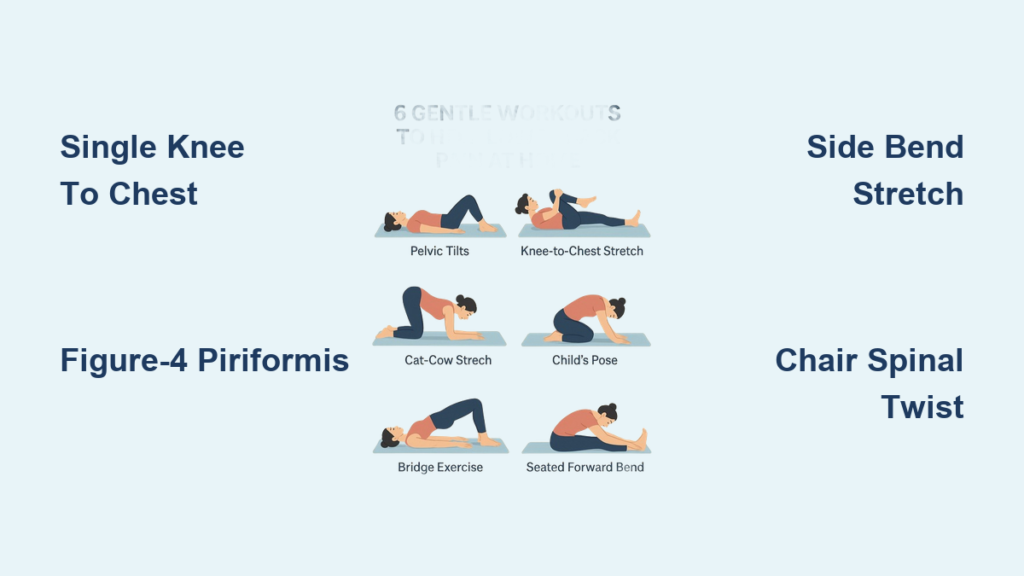
Single Knee to Chest (Quadratus Lumborum Release)
Targets: Left lower back muscles causing side-specific pain
Time: 30 seconds per side
Lie flat, knees bent. Slowly pull your left knee toward your chest using both hands, keeping your right foot flat on the floor. Press your lower back firmly into the mat—never let hips lift. Breathe deeply as you gently draw the knee closer until you feel a comfortable stretch along your left waist. Hold while counting 45 seconds. Repeat 3 times before switching sides.
Pro tip: Place a pillow under your right hip if your pelvis tilts unevenly. This modification prevents compensatory strain.
Figure-4 Piriformis Stretch (Deep Glute Release)
Targets: Piriformis muscle referring pain to left lower back
Time: 45 seconds per side
Lie on your back, knees bent. Cross your left ankle over your right knee, forming a “4” shape. Thread your hands behind your right thigh and gently pull toward your chest. Keep your left foot flexed (to protect the knee) and focus the stretch in your left buttock. If you can’t reach your thigh, loop a towel around it. Hold while taking 6 deep breaths. Repeat twice daily.
Warning: Stop if you feel knee pressure—this stretch should target your hip, not your joint.
Standing Stretches for On-the-Go Relief
Left-Side Quadratus Lumborum Stretch
Targets: The “Q-L” muscle causing sharp side pain
Time: 45 seconds per side
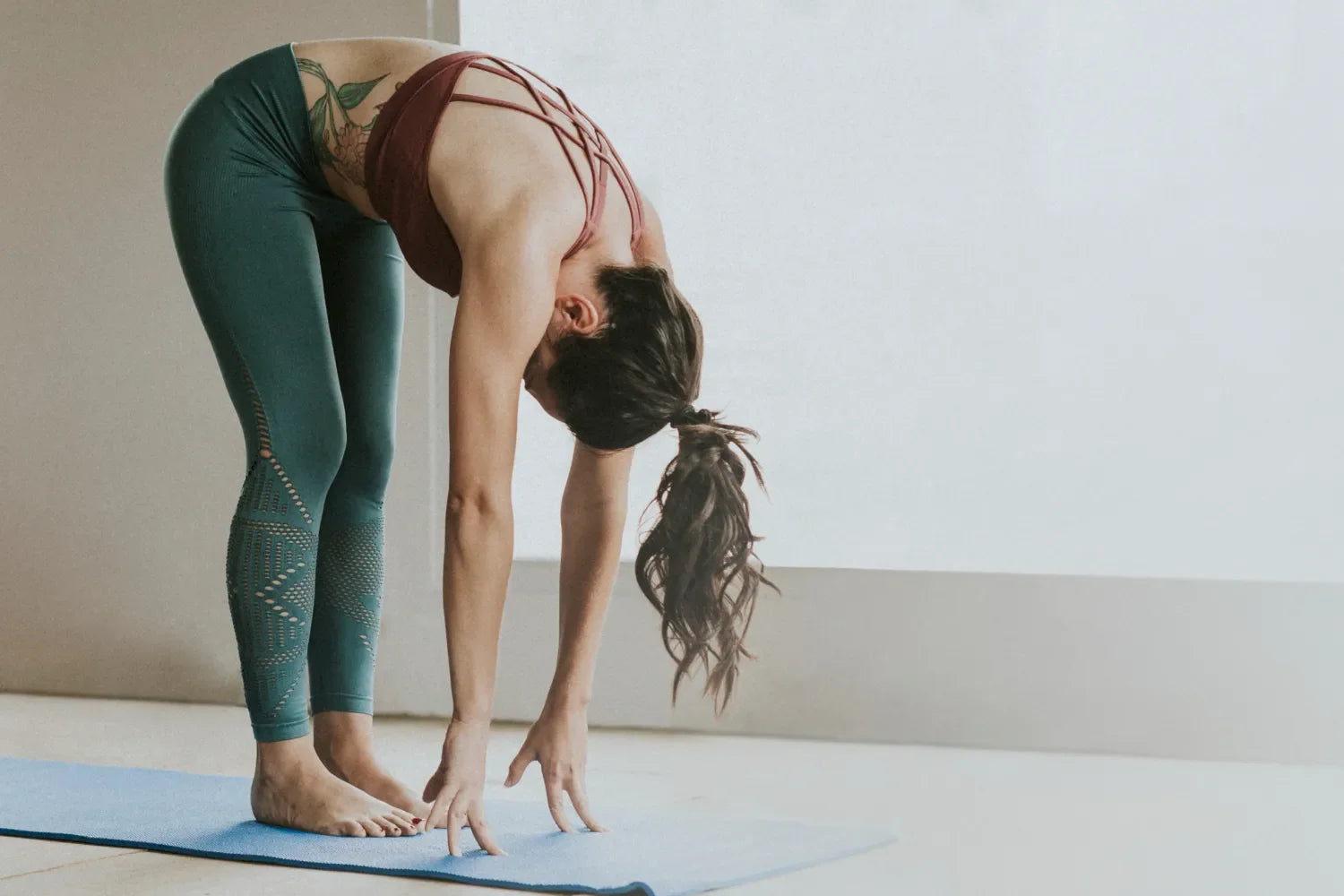
Stand with feet hip-width apart. Raise your left arm overhead and place your right hand on your right hip. Gently lean your entire torso to the right—not forward or backward—creating a C-curve along your left waist. You should feel the stretch between your left hip bone and ribcage. Hold while breathing into your left side. Repeat 3 times.
Visual cue: Imagine sliding a credit card between your left hip and ribs—it should feel elongated, not compressed.
Hip Flexor Lunge with Side Reach
Targets: Tight hip flexors pulling on lower back
Time: 45 seconds per side
Step your left foot forward into a lunge, back knee lowered (use a folded towel). Tuck your pelvis under to flatten your lower back against an imaginary wall. Now raise your right arm overhead and lean slightly right. You’ll feel a dual stretch: front of left hip + left lower back. Hold while maintaining a neutral spine.
Modification: Perform holding a chair for balance if needed—never sacrifice form for depth.
Office-Friendly Seated Stretches
Chair Spinal Twist (Left-Side Focus)
Targets: Spinal rotators causing morning stiffness
Time: 30 seconds per side
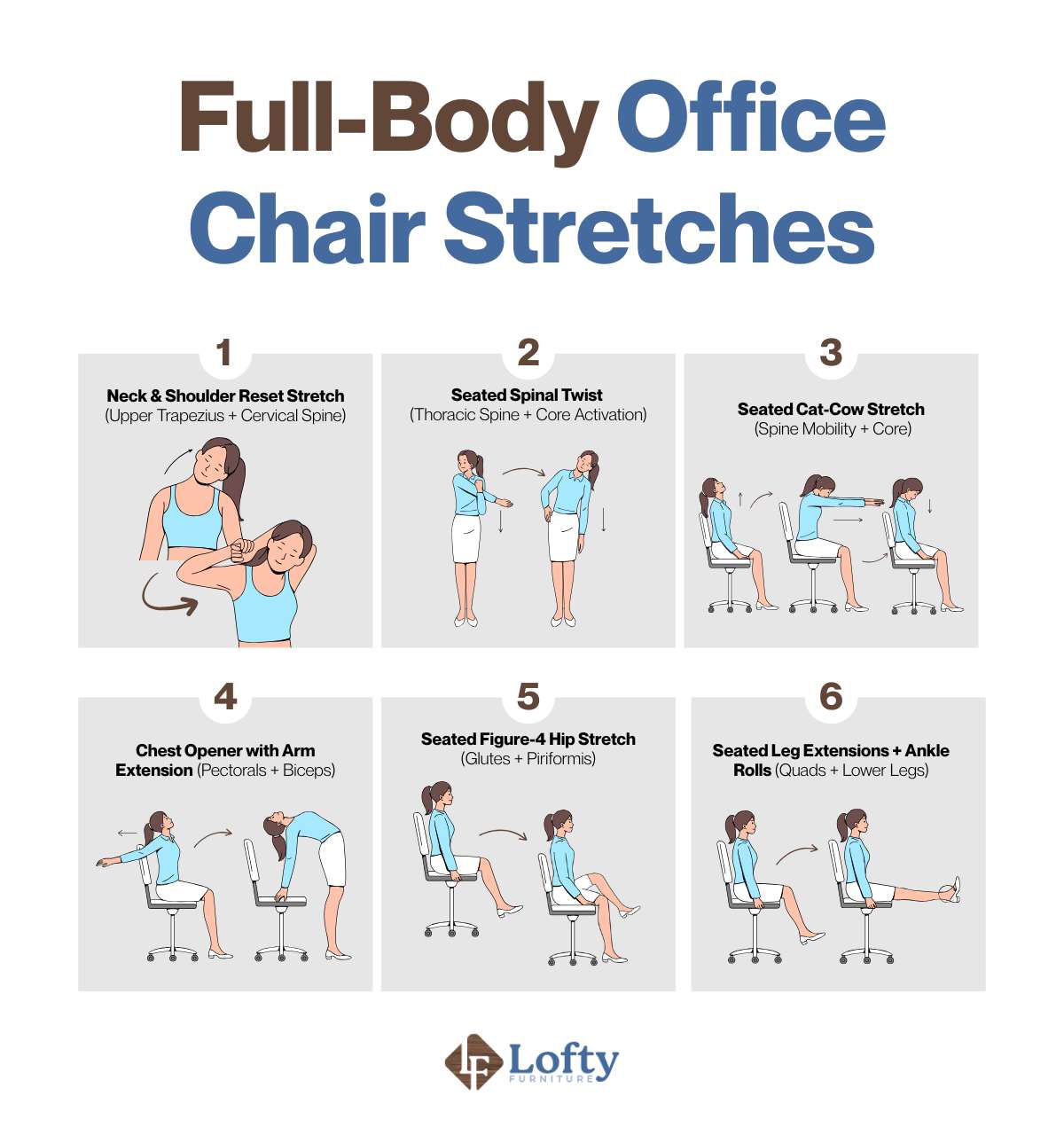
Sit tall in a firm chair, feet flat. Place your right hand on your left knee and left hand behind your left hip. Inhale to lengthen your spine, then exhale to twist left from your waist—not your neck. Stop when you feel resistance in your left lower back. Hold while breathing deeply into the twist. Repeat 3x daily.
Common mistake: Using your arm to force the rotation. Let your breath deepen the stretch, not your muscles.
Forward Fold with Left-Side Reach
Targets: Hamstrings contributing to back tension
Time: 45 seconds per side
Sit with legs extended, knees slightly bent. Hinge forward from hips (not waist) until you feel tension in your hamstrings. Now walk your hands to your right, creating a left-side stretch along your lower back. Hold while breathing into the left waist area. Return to center before repeating to the opposite side.
Key cue: If you can’t reach your feet, loop a towel around them—never round your spine.
Progressive 3-Week Relief Plan
Week 1: Pain Reduction Phase
- Hold times: 30 seconds max per stretch
- Frequency: Once daily (morning only)
- Focus: Gentle movements stopping at first resistance
- Avoid: Twists beyond neutral spine alignment
Week 2-3: Mobility Building
- Hold times: 45 seconds per stretch
- Add: Foam rolling outer left hip (30 seconds)
- Frequency: Morning + evening sessions
- Progress: Deeper twists with controlled breathing
Week 4+: Functional Integration
- Add: Cat-cow stretches (10 reps)
- Incorporate: Walking during stretches (e.g., side bends while pacing)
- Test progress: Can you tie shoes without pain?
When to Stop and Seek Help
Consult a physical therapist if:
– Pain persists beyond 4 weeks of consistent stretching
– You experience night pain disrupting sleep
– Symptoms worsen with forward bending
– Numbness appears in left leg or foot
Critical: Seek emergency care for saddle numbness (genital area) or bowel/bladder changes.
Complementary Daily Habits
Heat-Ice Timing Protocol
- Pre-stretch: 15 minutes of heat (heating pad on low) to relax tight muscles
- Post-stretch: 10 minutes of ice if soreness exceeds 3/10 (wrap in thin towel)
Desk Ergonomics Fixes
- Chair adjustment: Thighs parallel to floor, feet flat
- Lumbar support: Rolled towel at belt-line level
- Screen height: Top at eye level to prevent forward head posture
- Micro-breaks: Every 30 minutes—stand and perform chair spinal twists
Anti-Inflammatory Nutrition
Boost recovery with:
– 2 cups leafy greens daily (spinach/kale)
– 1 tsp turmeric in warm almond milk
– 8 glasses water minimum (dehydration stiffens fascia)
– Fatty fish 2x weekly (salmon, mackerel)
Tracking Your Success
Measure progress weekly by testing:
– Morning flexibility: How far can you reach toward floor?
– Pain scale: Rate left back pain at 8 AM/8 PM
– Functional wins: Can you play with kids without pain?
Pro tip: Take weekly photos of your forward bend—visual progress motivates consistency.
Long-Term Prevention Strategy
Consistent stretching prevents recurrence better than occasional intense sessions. Dedicate 15 minutes each morning to:
1. Pelvic tilts (10 reps)
2. Single knee to chest (3x45s)
3. Standing side bends (3x45s)
4. Figure-4 stretch (3x45s)
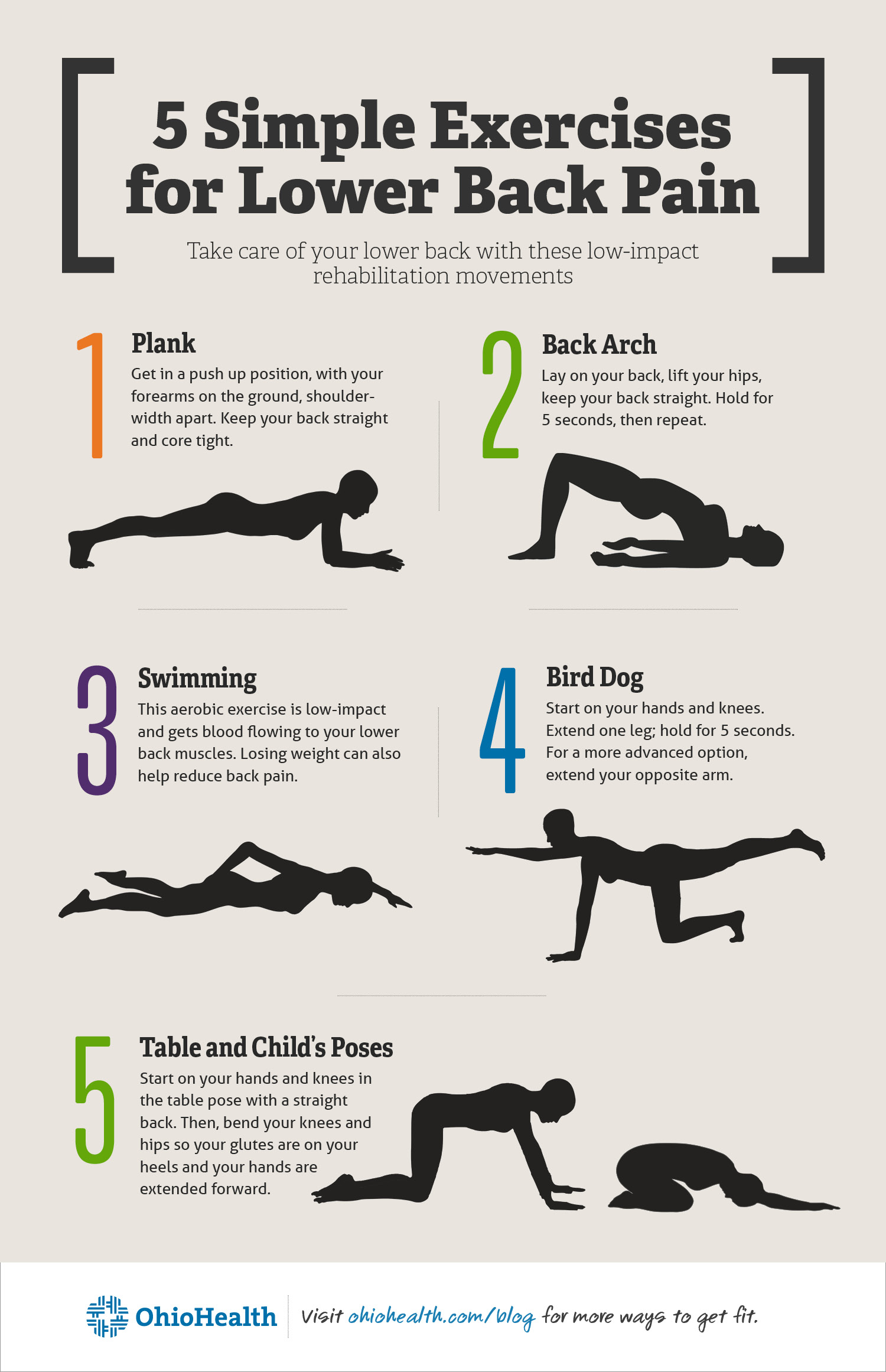
Combine this with core strengthening (planks, bird-dog) 3x weekly. Most importantly—never skip the warm-up. Cold stretching causes micro-tears that worsen pain. Your lower left back pain doesn’t have to control your life. Start tonight with the single knee stretch, track your morning mobility, and within weeks, you’ll reclaim pain-free movement. The key isn’t intensity—it’s intelligent, consistent action targeting your specific left-side tension.